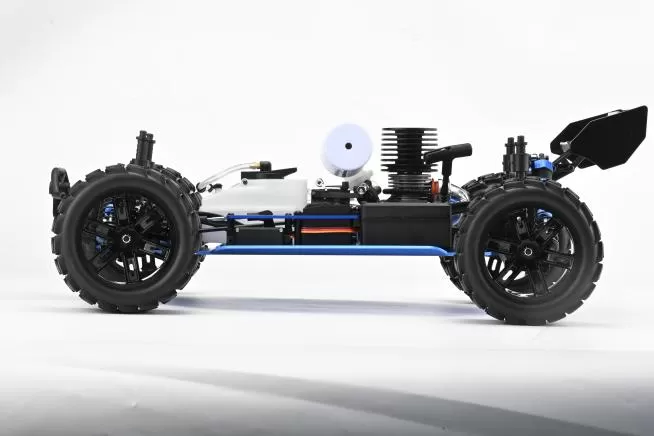
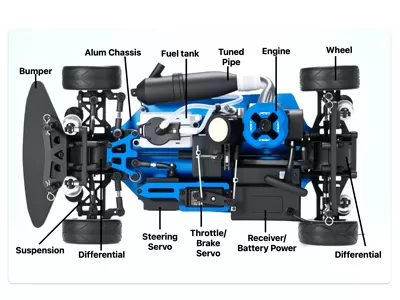
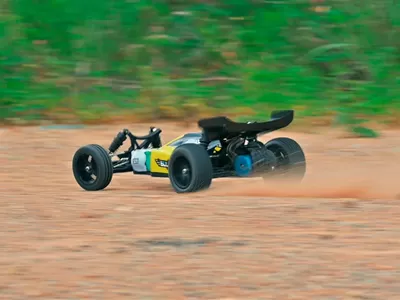
Nitro gas and electric RC cars offer unique characteristics, each catering to different preferences and needs. Nitro cars, known for their explosive starts and powerful engines, provide a dynamic racing experience with intense drifts. However, they require extensive maintenance, including regular refueling with a special mixture of oil and nitromethane, and frequent servicing to keep the engines in top condition. Electric RC cars, on the other hand, are characterized by their instant torque and quick acceleration, making them ideal for precise maneuvers and high-speed laps. They are generally easier to maintain and are more environmentally friendly, producing zero emissions.
The key differences between nitro and electric RC cars are primarily in their features and performance. Nitro power delivers instantaneous bursts of speed, making them perfect for racing and show car displays. However, this comes with the complexity of maintaining a fuel mix and tuning the engine, which can be daunting for beginners. Electric performance, on the other hand, offers quieter, more consistent power, suitable for both indoor and outdoor use. Sophisticated software and telemetry systems enhance driving dynamics, providing real-time performance monitoring.
Electric models benefit from advanced software that supports predictive analytics and precise control, offering a smoother and more intuitive driving experience. Nitro cars, while lacking these technologies, still have specialized control systems that cater to their high-performance engines.
Electric RC cars have a lower environmental footprint due to reduced emissions and silent operation, making them a more eco-friendly choice. Although nitro cars are louder and produce emissions, they can be powered by cleaner fuels to mitigate their impact.
Maintenance and cost considerations also vary between the two types. Nitro cars need more frequent and detailed servicing, which can be time-consuming and costly. In contrast, electric cars have simpler mechanical setups, leading to lower maintenance costs. However, the initial purchase price, the cost of renewable energy sources, and battery efficiency can influence the total cost of electric RC cars.
The preference for nitro gas or electric RC cars among students largely depends on personal interests. Nitro cars are favored for their powerful engines and distinctive sound, offering a competitive and thrilling racing experience. Electric cars, however, appeal to students who prioritize ease of use, lower maintenance, and sustainability. Dual racing events and sustainability workshops effectively showcase the benefits of both types, fostering a diverse range of interests and promoting informed decision-making.
The environmental impact of RC cars, including emissions from nitro engines and battery production, necessitates sustainable practices. Nitro cars contribute to CO2 and volatile organic compounds emissions, while electric cars depend on the source of their electricity. Innovative solutions like recycling programs and using sustainable materials can mitigate these impacts. Partnerships between RC car manufacturers, universities, and community groups are essential for promoting eco-friendly advancements. By adopting sustainable materials such as bamboo and recycled glass, and implementing zero-waste manufacturing processes, these collaborations can drive progress.
Navigating the RC car landscape involves balancing environmental impact, economic considerations, and technological advancements. Electric RC cars, with their cleaner energy sources and sustainable practices, are gaining prominence. They offer a more eco-friendly option, supported by innovations in battery technology and recycling programs. Nitro cars continue to captivate enthusiasts with their high-performance and engaging racing experience. The integration of smart tech features and augmented reality overlays enhances user engagement and accessibility. Community engagement in RC racing promotes physical and mental activities, economic benefits, and STEM education. As battery technologies like solid-state and solar-charging advancements continue, the future of electric RC cars promises greater sustainability, efficiency, and performance.