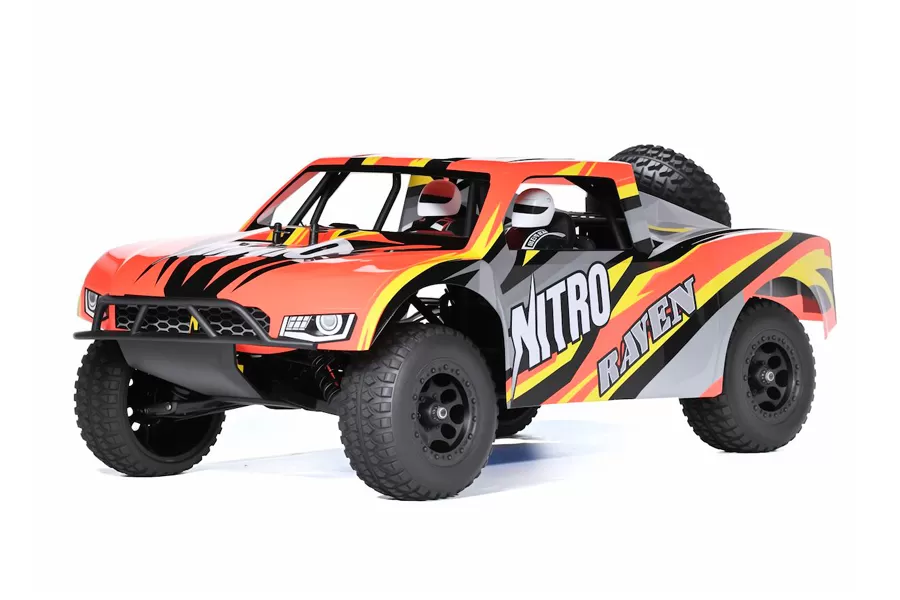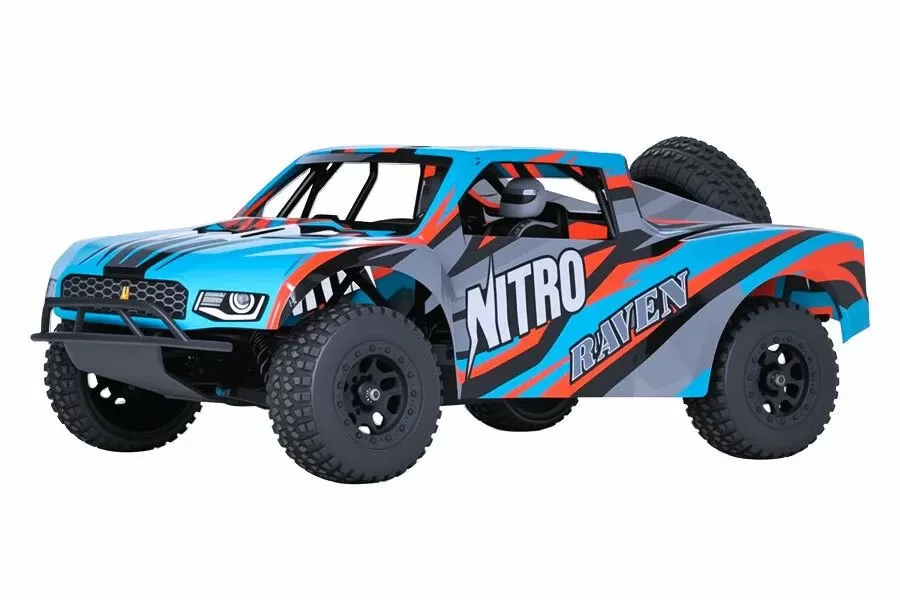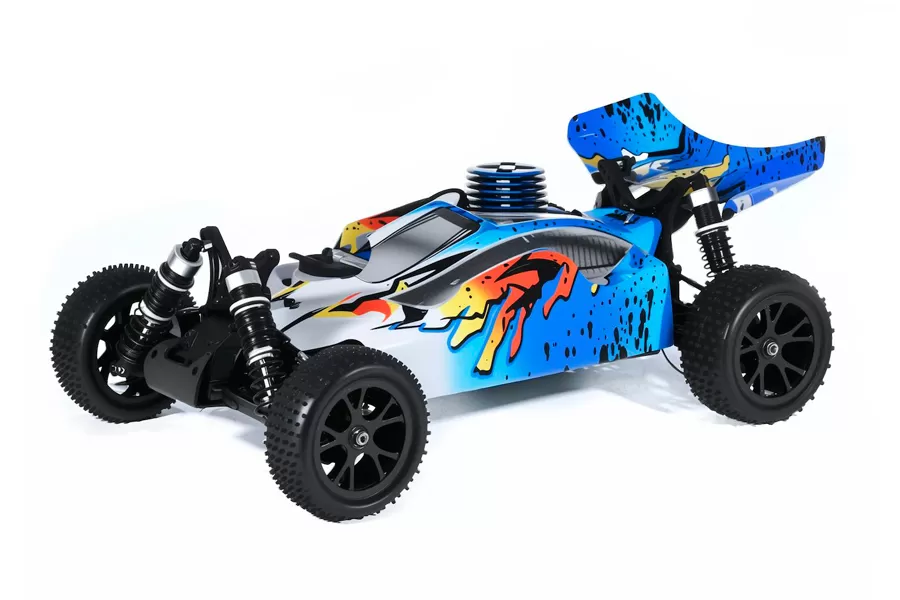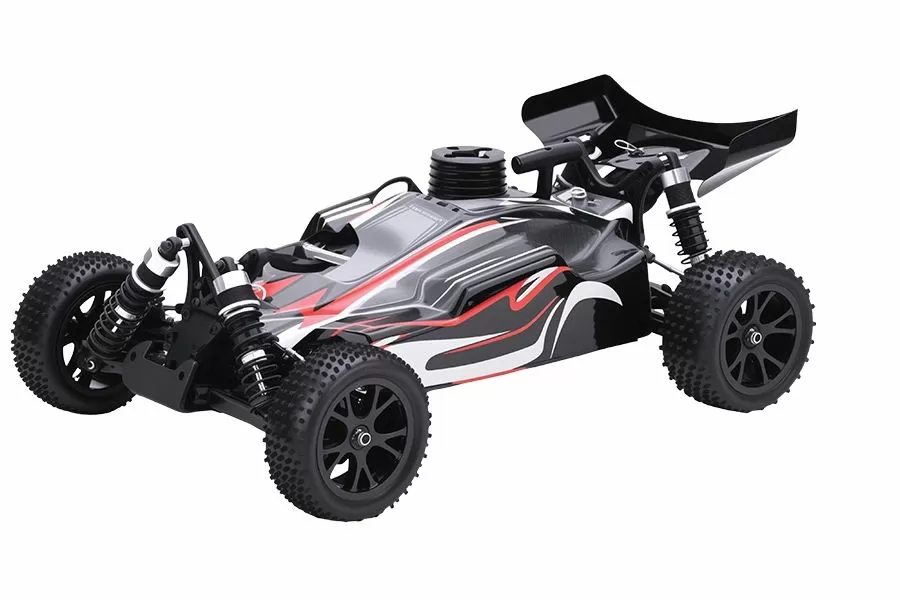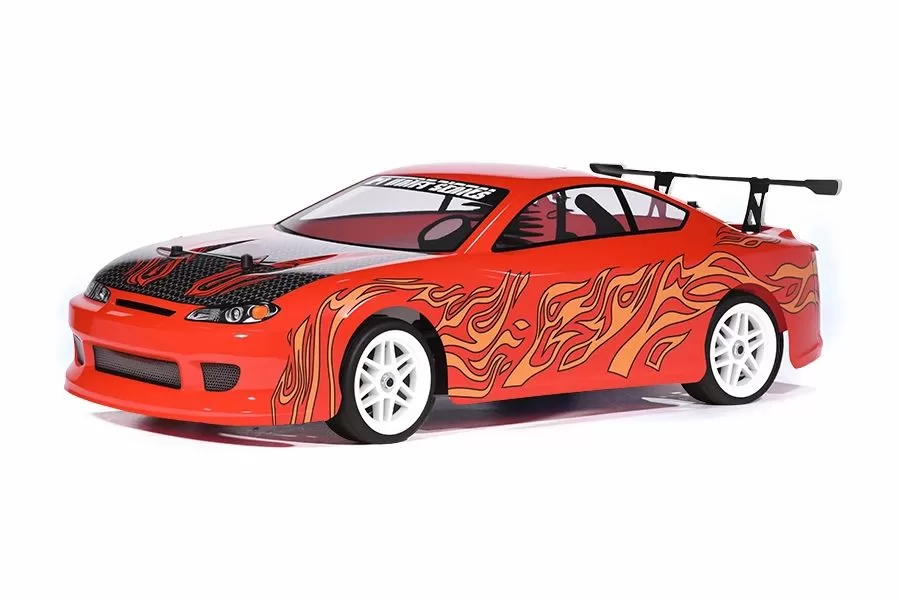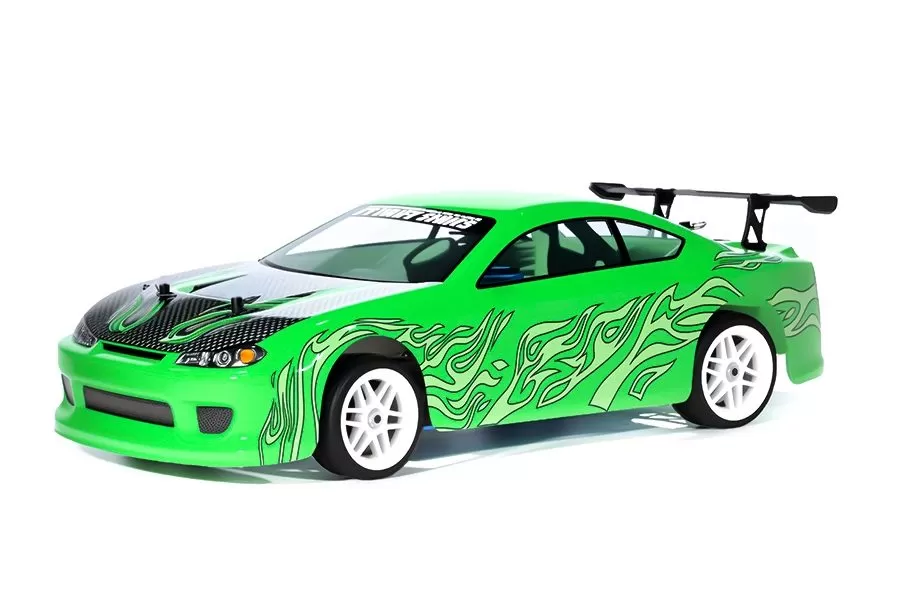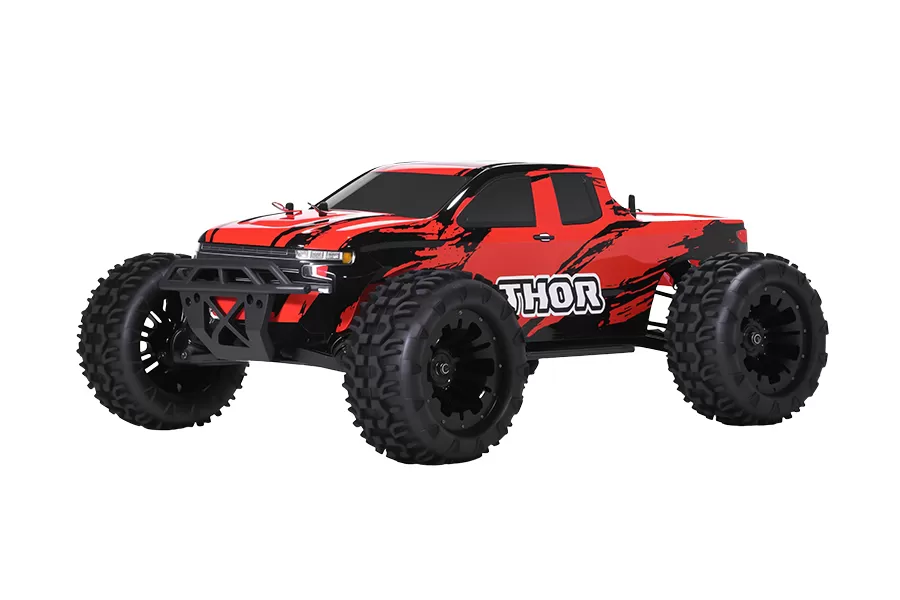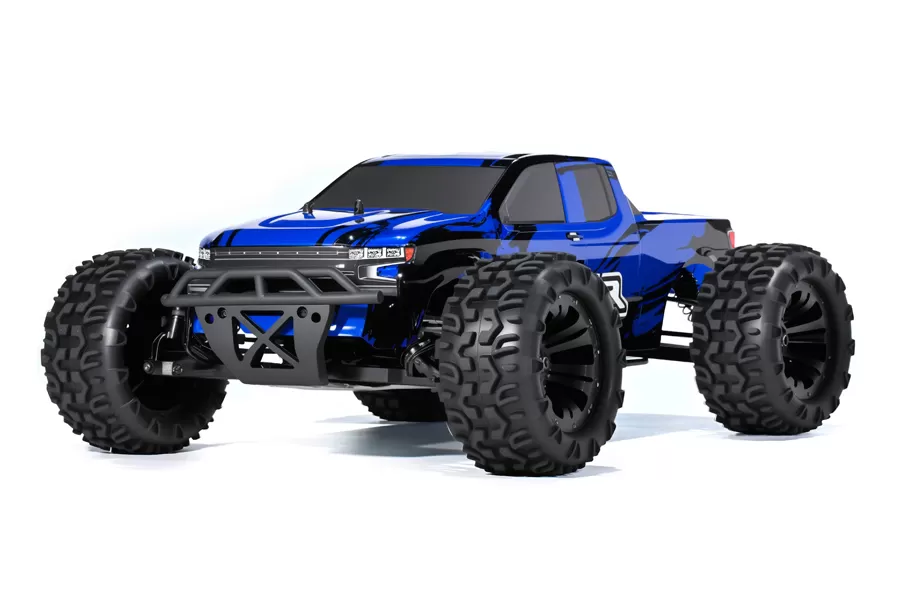
The 1/10 scale nitro rc car is designed for players who pursue high - performance and precision control. This 1/10 Scale 4x4 Off-Road or on road nitro powered RC Buggy/truggy/touring combines a SH 18 engine with pull start, delivering explosive speeds up to 60km/h. It's made of a solid 6061/T6 anodized aluminum chassis. As a top - notch 1/10 scale nitro rc buggy, whether you're cruising on sand, concrete, or anything in between, it's built to withstand it.
1. What Is the Core Difference Between Glow Engines (Methanol) and Gas Engines? How to Choose?
2. How to Judge if the Fuel Mixture (Needle Setting) Is Correct by Exhaust Smoke?
3. Why Does a New Engine Require Break-In? What Is the Standard Procedure?
4. How Does the Nitromethane Percentage in Methanol Fuel Affect Performance and Cost?
5. What Key Consumables Must Be Replaced Regularly on Nitro Vehicles?
6. How to Improve Nitro Car Performance and Durability Through Upgrades?
7. What Easy-to-Use Models Are Recommended for a Beginner's First Nitro Car?
8. What Are Common Reasons for Nitro Car Starting Failure?
Glow engines use a glow plug for ignition and excel at high RPM (30,000-40,000+) and power... Gas engines use a spark plug, emphasizing high torque and long run times (up to 1 hour/tank)... Choose glow for top speed/racing; choose gas for endurance/bashing... Note: Gas engines are quieter but larger/heavier.
The ideal state is thin, light blue smoke, indicating optimal air/fuel mixture. Thick white smoke indicates a rich mixture - finely turn the HSN (High-Speed Needle) or LSN (Low-Speed Needle) clockwise. No smoke or black smoke indicates a lean mixture - turn the needles counterclockwise... Adjust in increments ≤1/8 turn and road test after adjustments.
Break-in allows the piston ring to seat properly against the cylinder wall, improving sealing and longevity. Std. procedure: ① Use rich mixture (extra 5-10% oil). ② Remove wheels, idle engine unloaded for 2 tanks. ③ Intermittent mid-low speed runs (≤50% throttle) for 3-5 tanks. ④ Cool down, inspect for carbon build-up. Total ~1-2 hours. Refer to manual.
Higher nitromethane % (typically 16%-30%) increases burn speed, significantly boosting power and peak RPM, but fuel cost surges (e.g., 30% nitro ≈ 3x cost of 0%)... High nitro increases engine wear, requiring more frequent piston ring changes... Beginners should start with ~20% nitro.
- Glow Plug (Nitro) / Spark Plug (Gas): Replace when performance drops (~every 5-10 tanks).
- Air Filter Foam: Clean after each run, replace every 10 tanks or after dusty conditions.
- Fuel Filter: Replace every 20 tanks.
- Clutch Shoes: Replace if slipping or worn.
- Piston Ring: Nitro - every 15-20L fuel; Gas - every 50 hours.
- Performance: Tuned pipe (resonant exhaust) + 30% nitro fuel + lightweight aluminum clutch...
- Durability: Steel differential gears + hardened hinge pins + metal steering hubs...
⚠️ Warning: High nitro fuel requires richer needle settings!
RTR (Ready-To-Run) kits are highly recommended for beginners. Suggestion: RH-1006 (SPRIT N1).
Troubleshoot in order:
① Faulty glow plug/spark plug (replace/test).
② Clogged fuel line (check fuel filter/carburetor).
③ Incorrect needle settings (reset to factory defaults).
④ Low compression (replace worn piston ring).
⑤ Poor quality fuel (use reputable brand fuel).