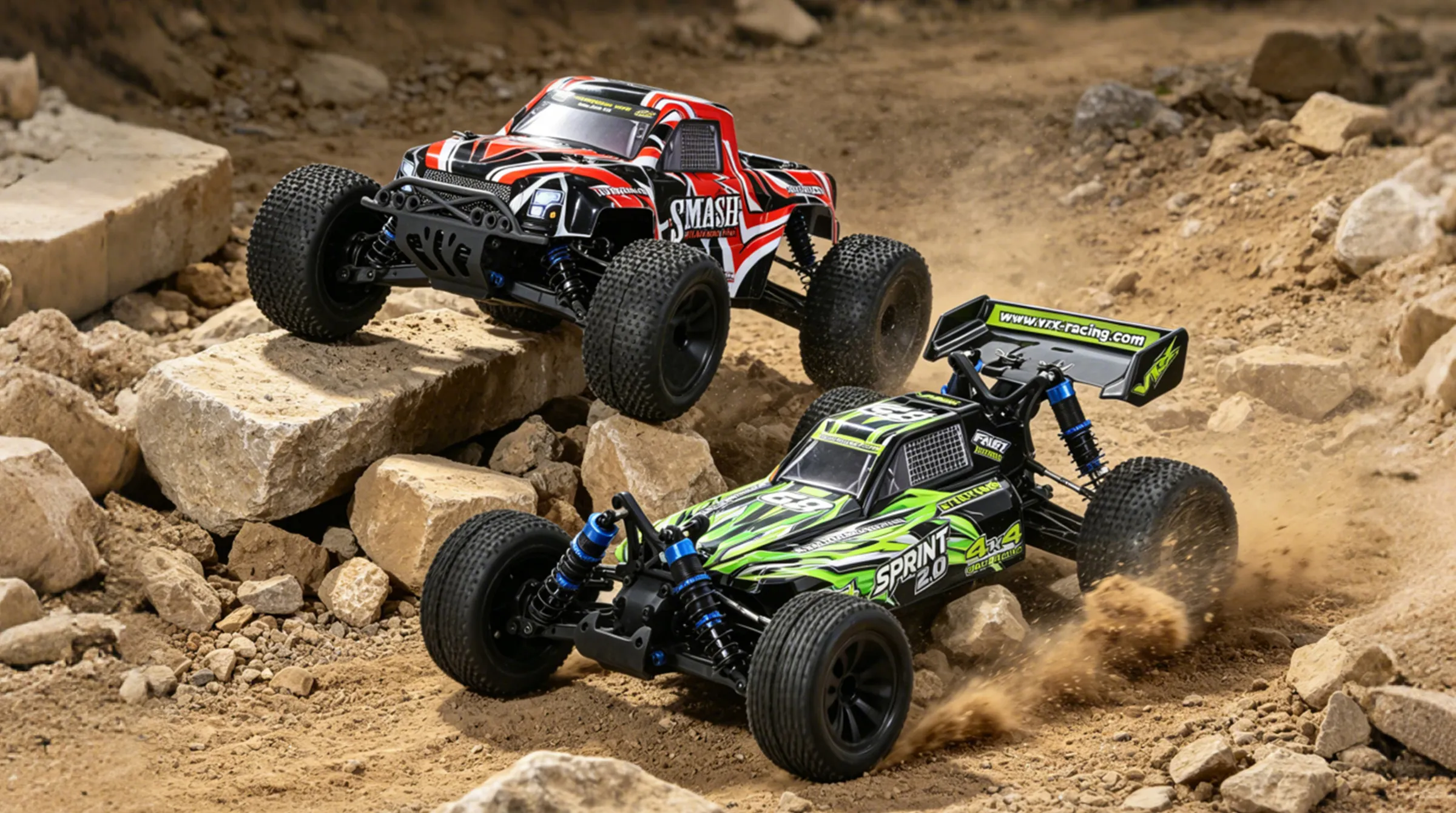
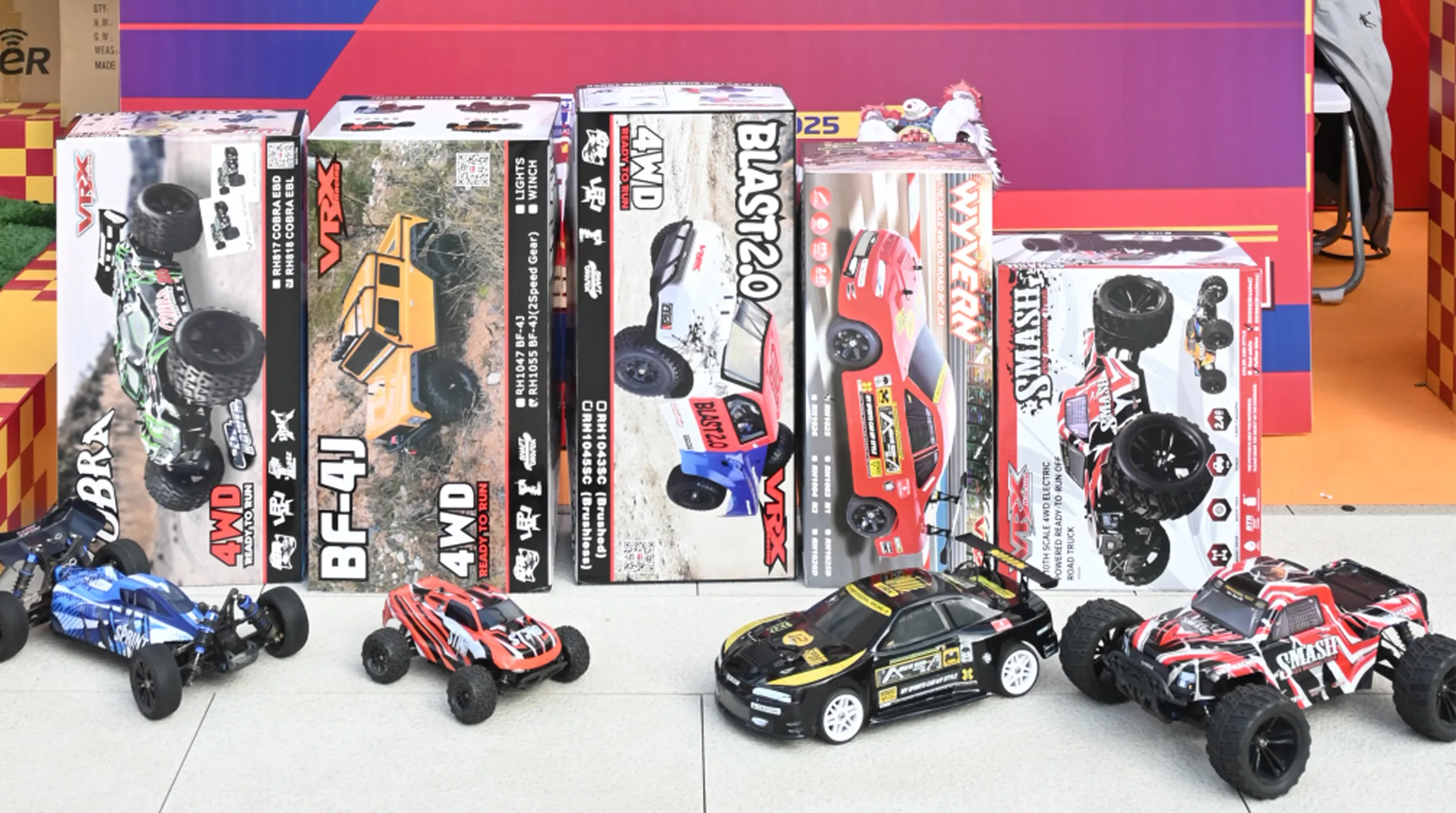
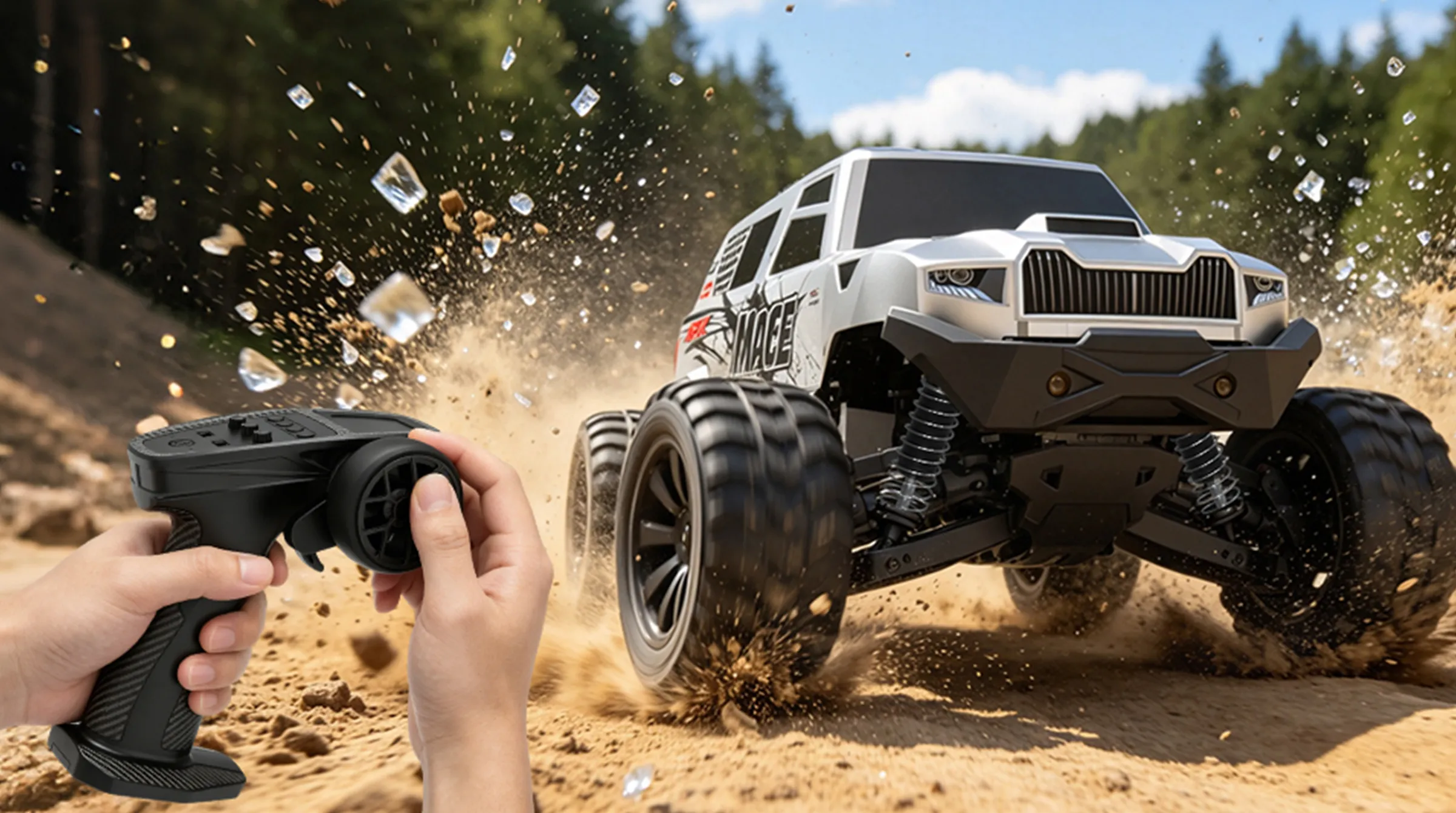
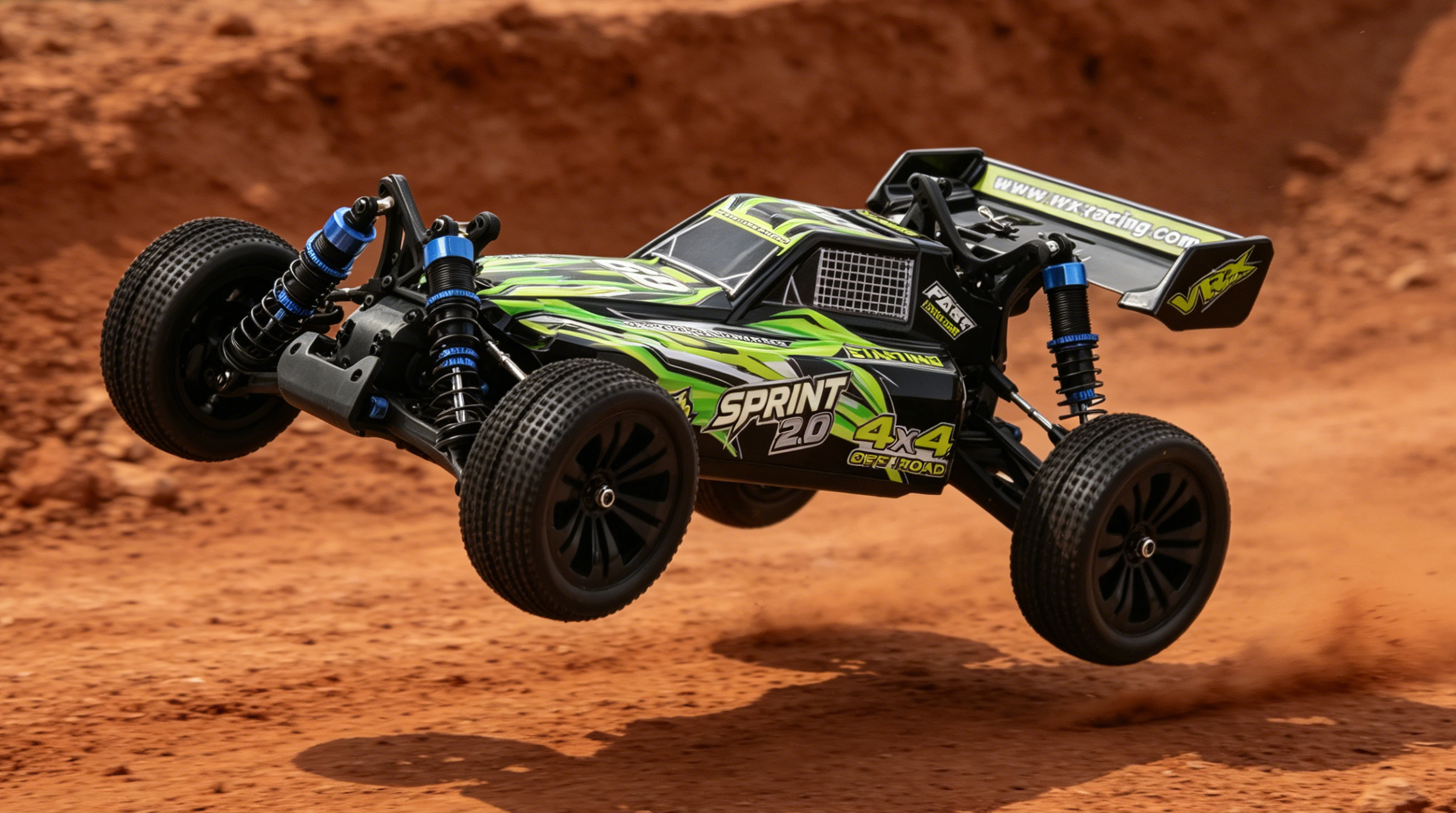
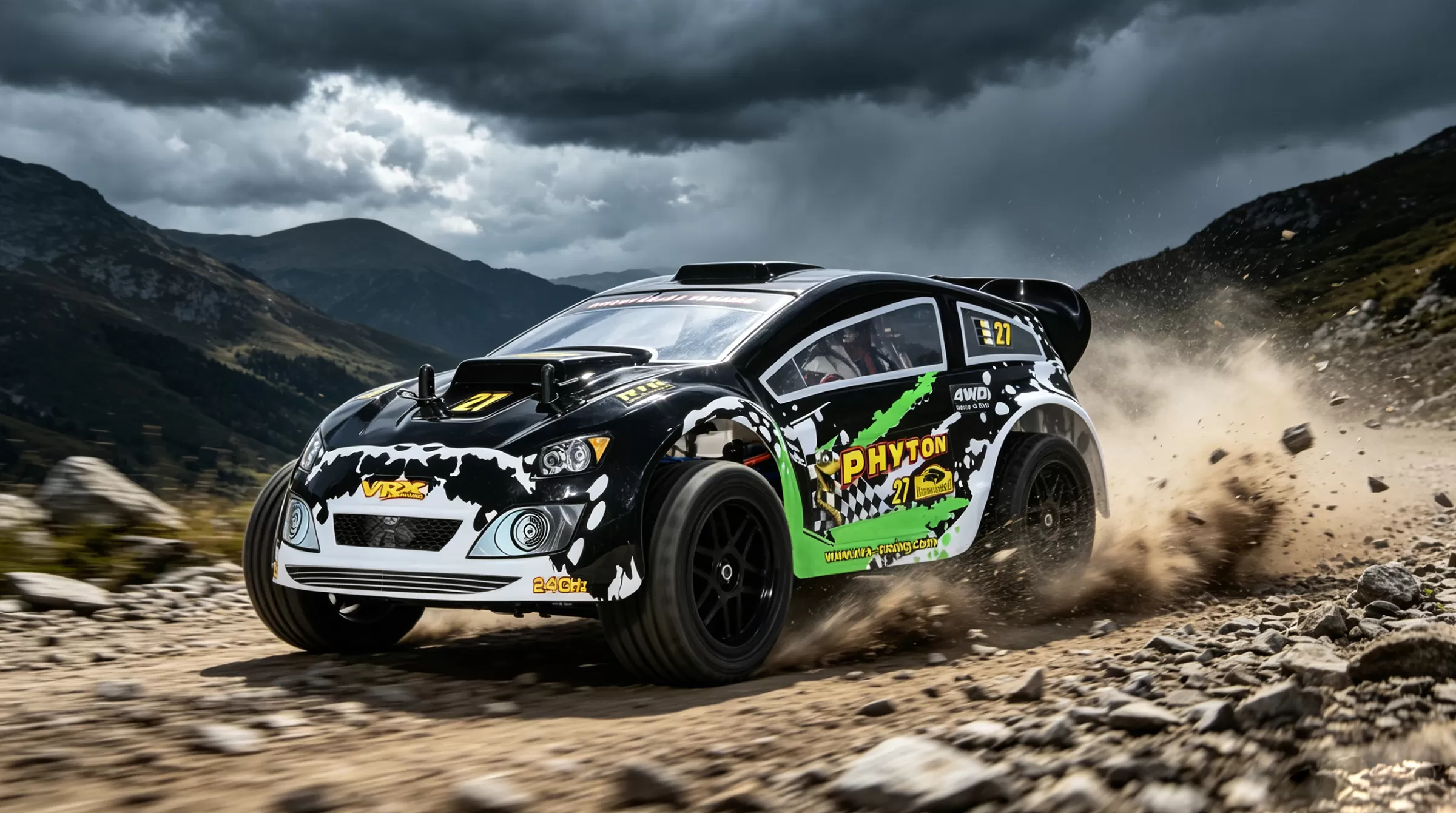
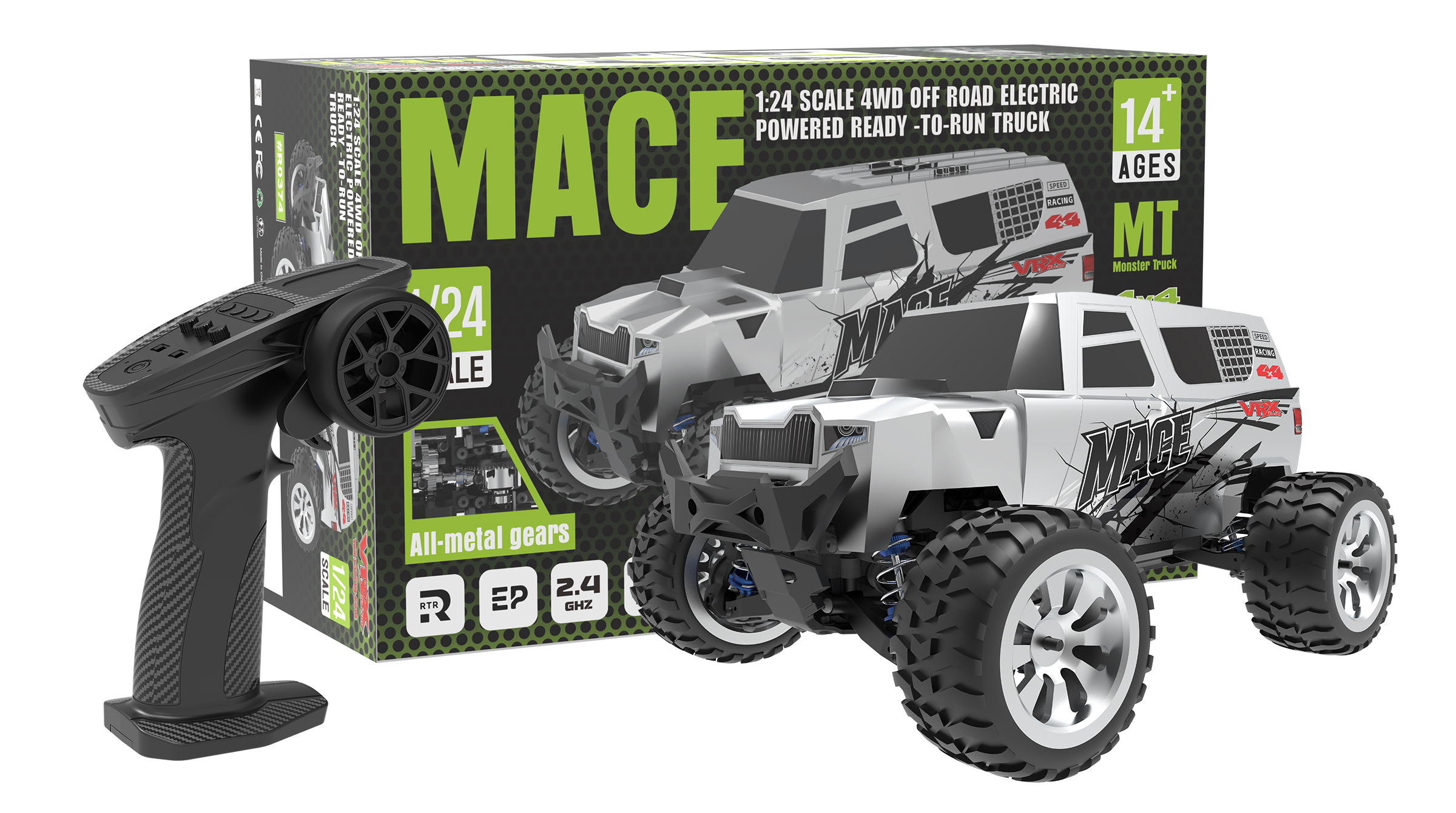
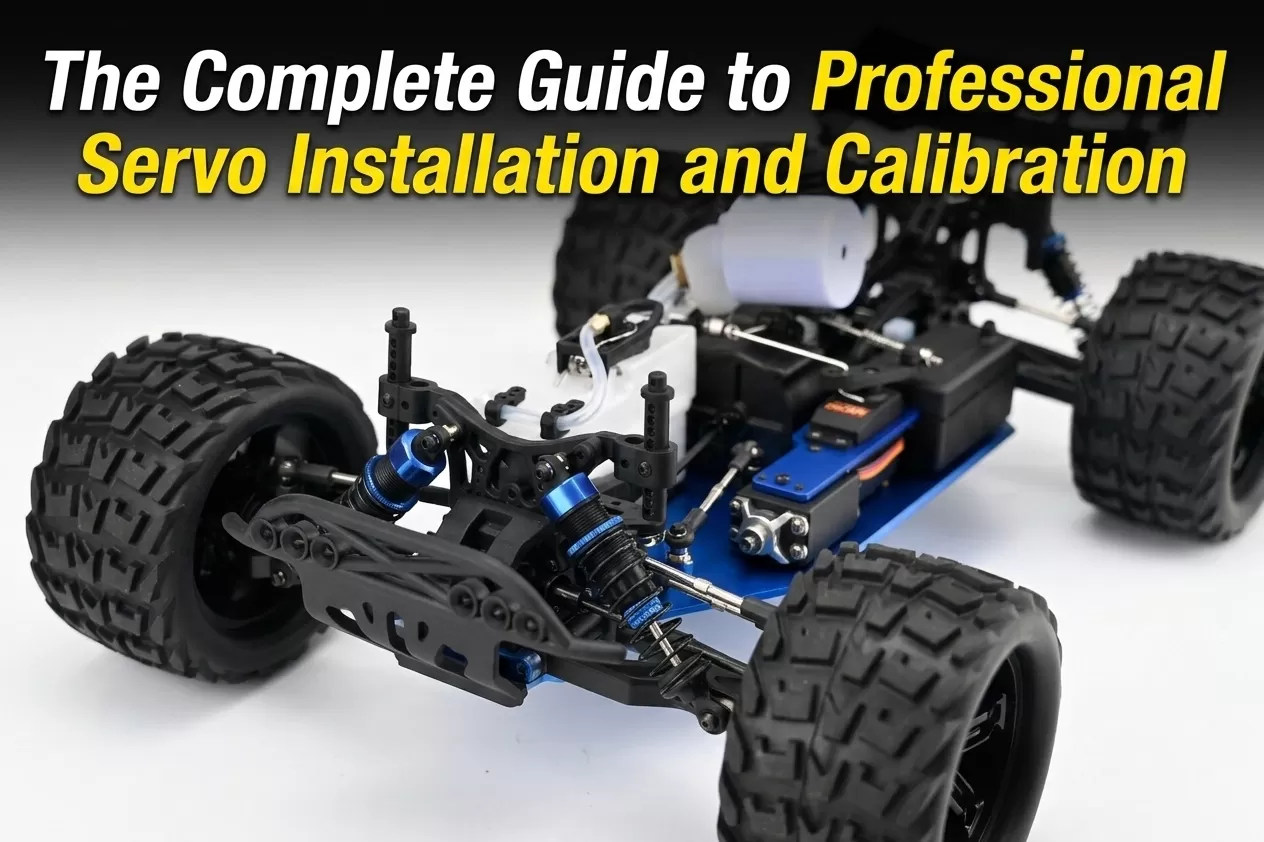
Two models of identical size can deliver completely different experiences due to their unique chassis layouts, suspension geometry, and body designs. A lightweight buggy might feel incredibly sharp and responsive on a dirt track, while a wider-stance truggy offers superior stability when landing jumps. Alternatively, a heavy-duty truck provides raw durability for open terrain, whereas nitro platforms introduce a deeply mechanical, tunable dimension.
Walk into any RC hobby market and you will notice a vast variety of vehicle sizes. Why are RC cars made in different scales? The answer goes far beyond mere driver preference. Scale dictates chassis dimensions, power systems, weight, and terrain compatibility, allowing manufacturers like VRX Racing to engineer distinct platforms tailored to specific performance targets.
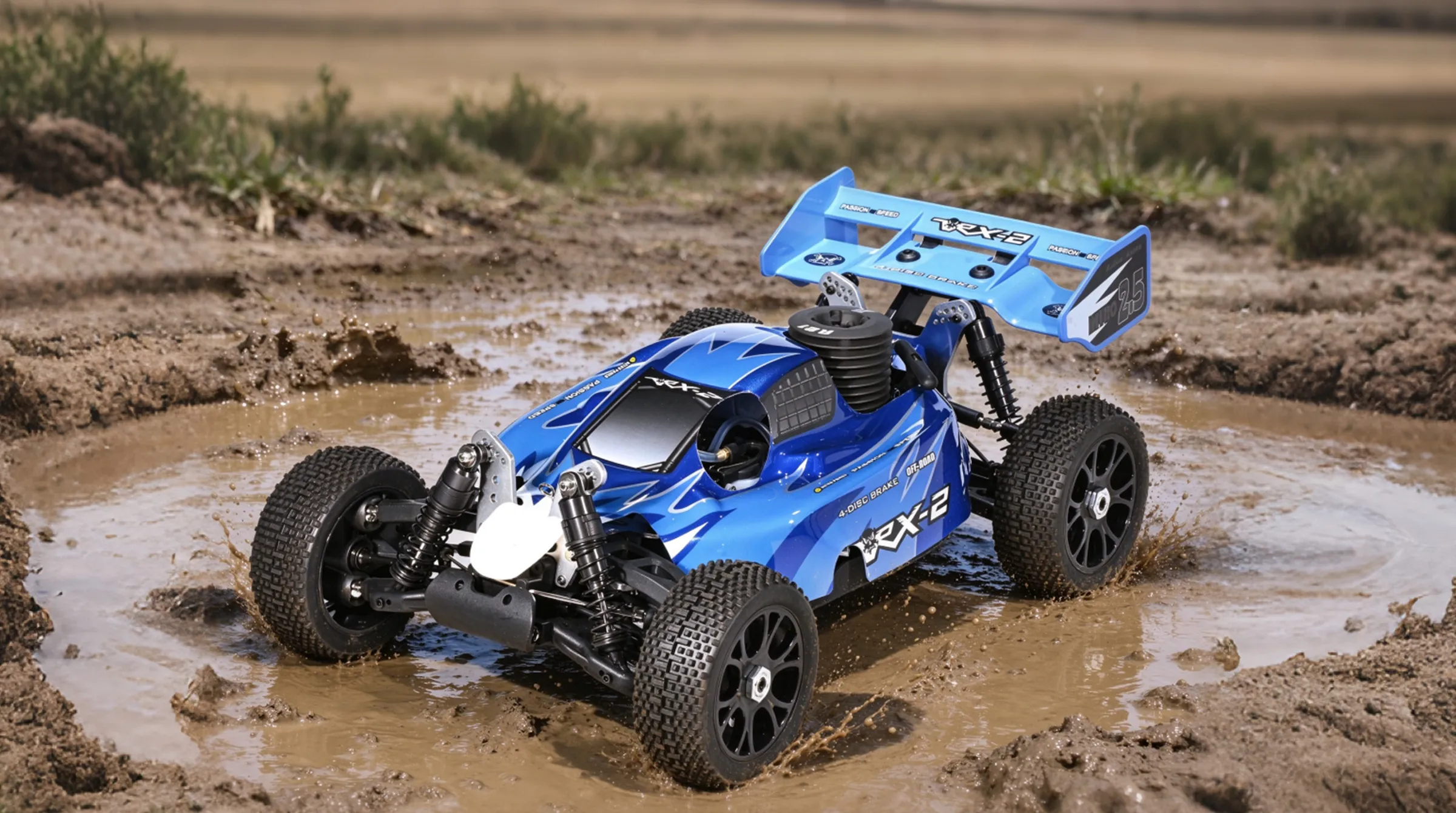
When talking about scale, 1/8 is often dismissed as just a larger version of a 1/10 model. In reality, a 1/8 nitro RC car represents a sophisticated platform where engine power, chassis strength, suspension travel, and driver control seamlessly work together. This scale remains popular among serious hobbyists because it offers ample room for powerful combustion engines and robust mechanical components.
The history of RC cars is often told through engines, tires, suspension, and chassis design. But one of the most important changes happened inside the vehicle: the evolution of its electronics.Early r...
Leave your inquiry, we will provide you with quality products and services!
We use cookies to optimise and personalise your experience, but you can choose to opt out of non-essential cookies.
To find out more, read our Privacy Policy