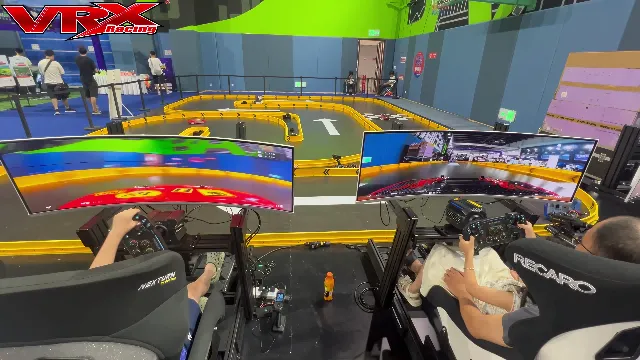

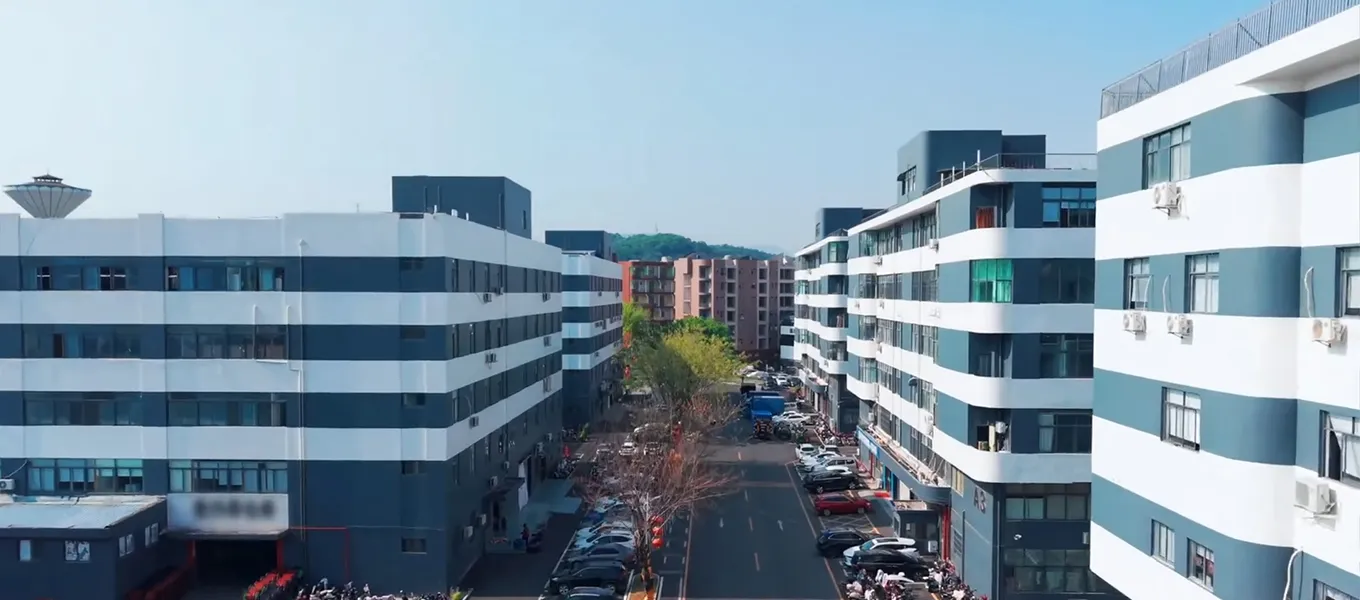
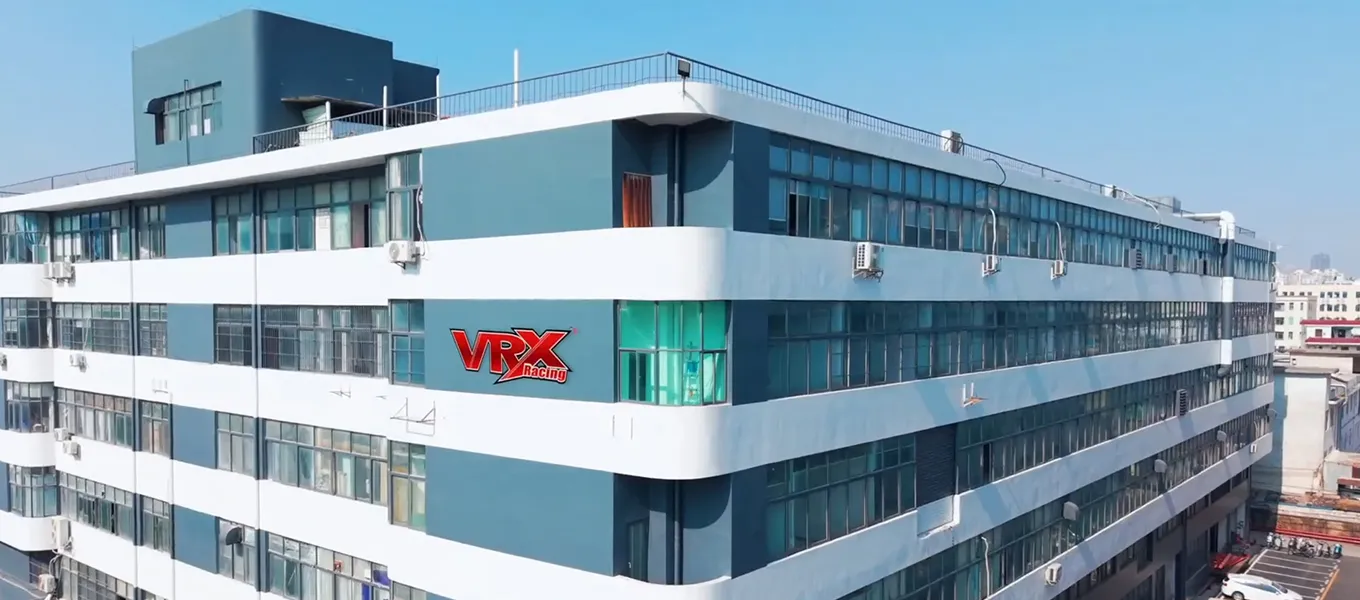
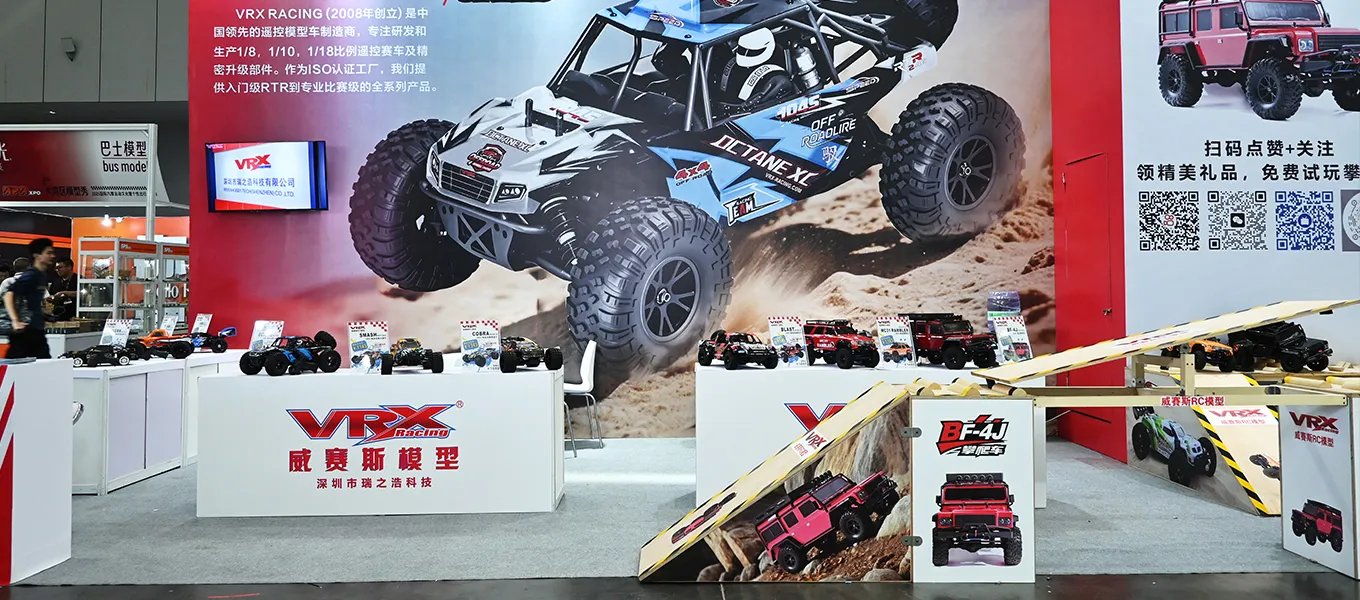
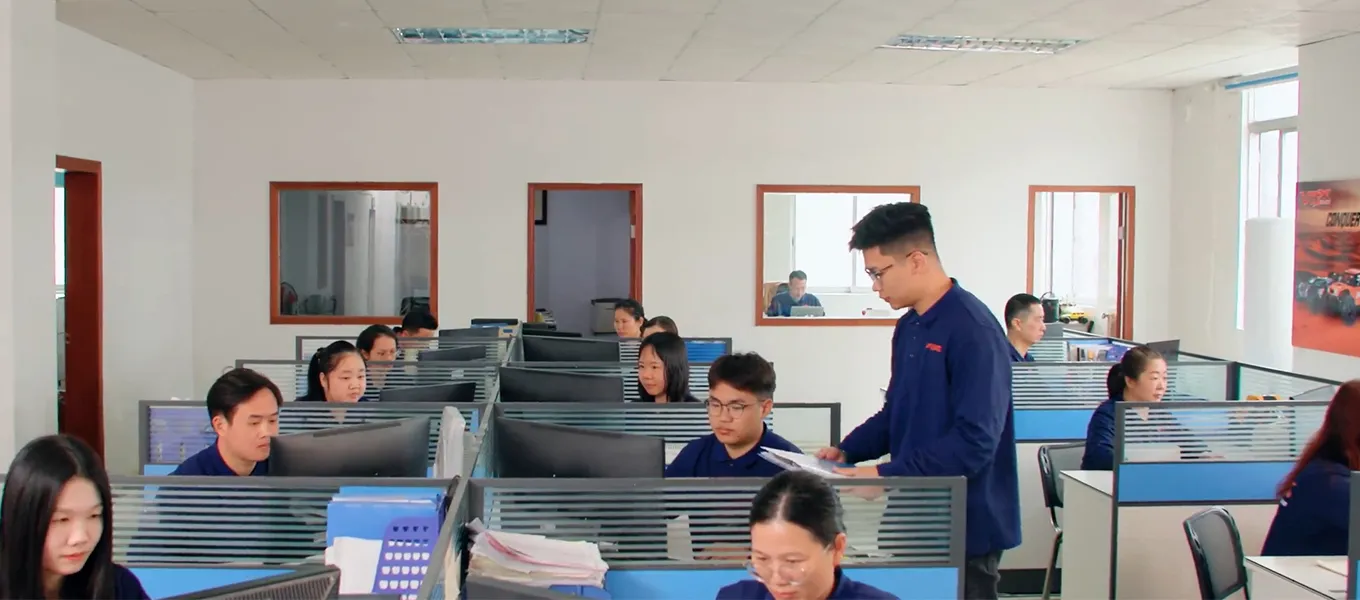
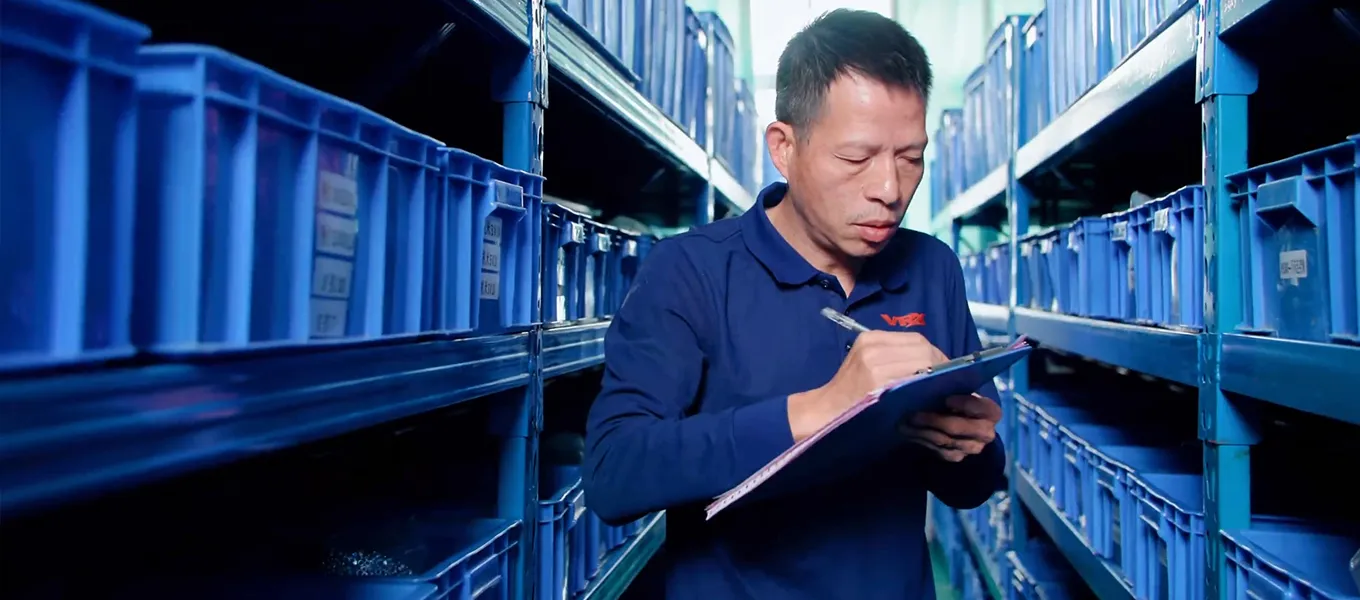
Established in 2008, with 19 years of professional experience in the R&D and manufacturing of RC models.
A 10,000-square-metre physical manufacturing facility.
A team of 200 people, including dedicated R&D and design, manufacturing, and full-time QC teams that rigorously implement the ISO 9001 system.
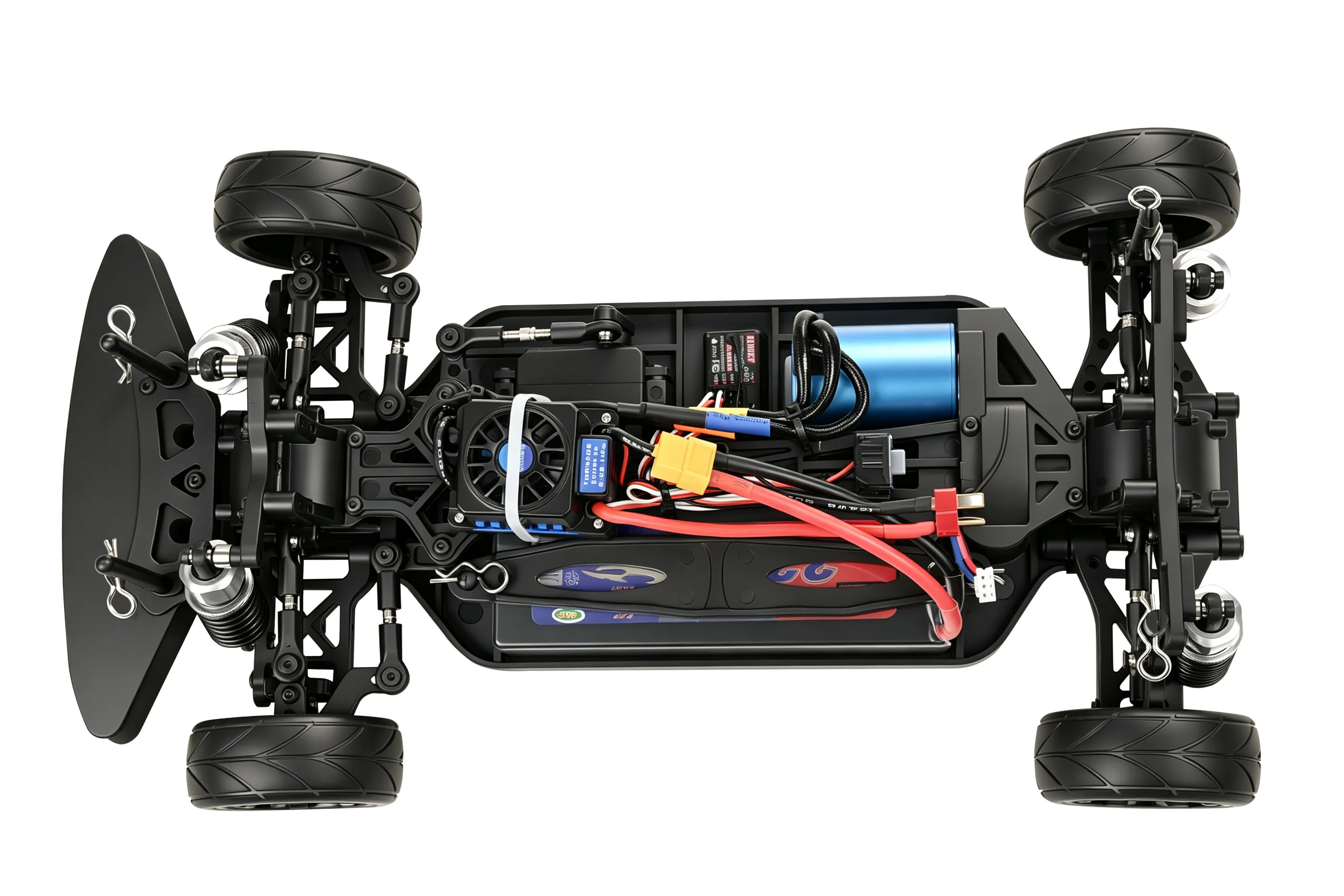
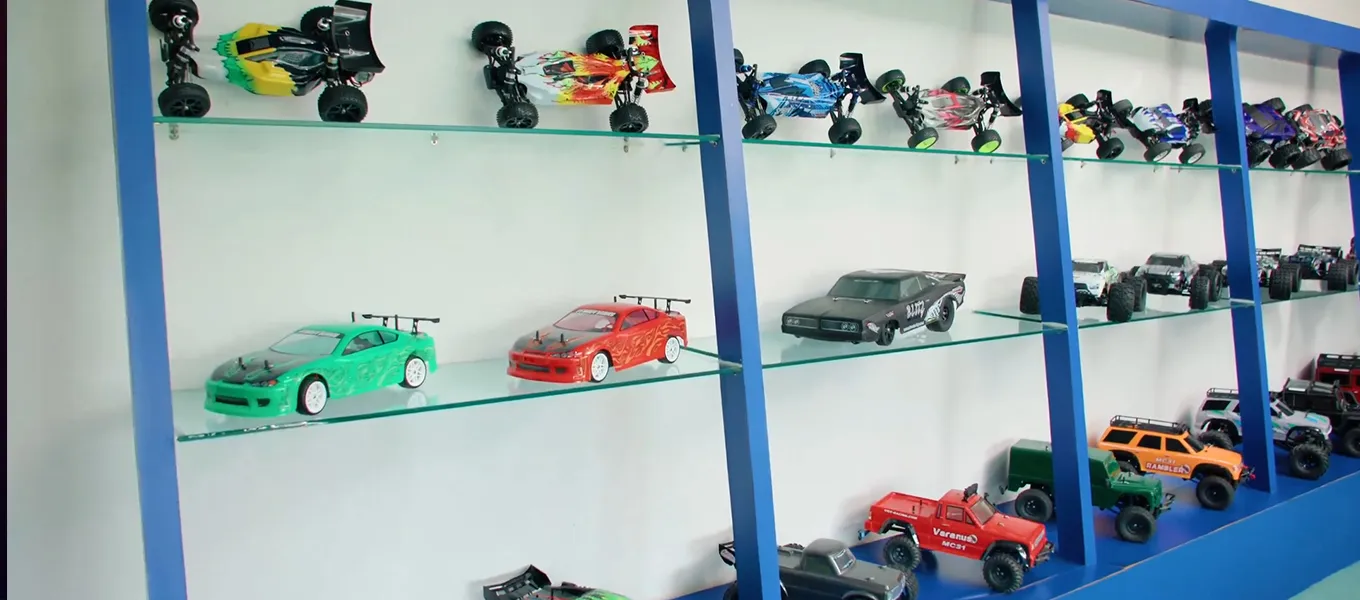
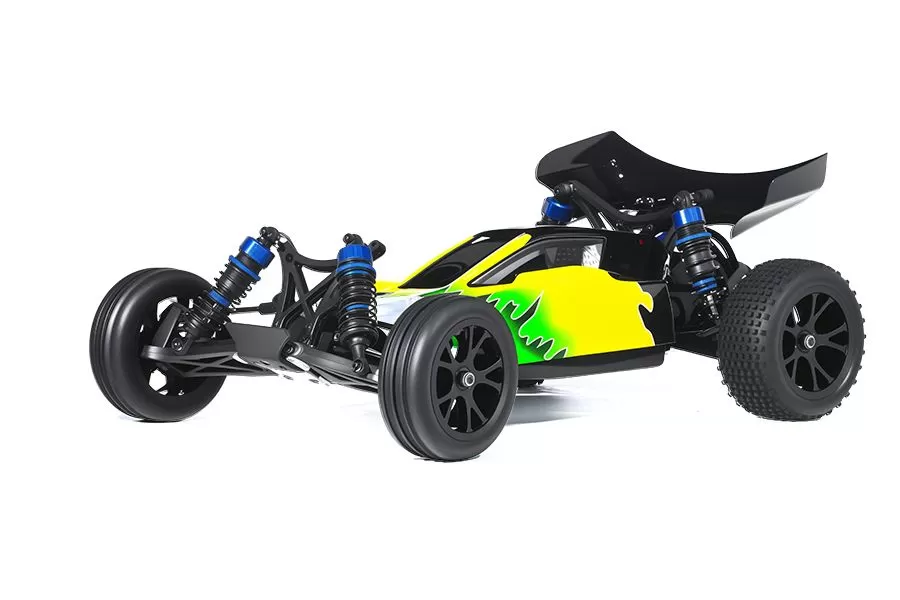
A complete range of 1/24- to 1/5-scale electric and nitro RC vehicles, plus a full selection of upgrade and replacement parts.
Primarily serves overseas wholesalers, regional dealers, leading industry brands seeking stable contract manufacturing, and other OEM/ODM customers worldwide.
Stable monthly capacity of more than 6,000 high-specification complete vehicles, supporting efficient delivery of large international orders.
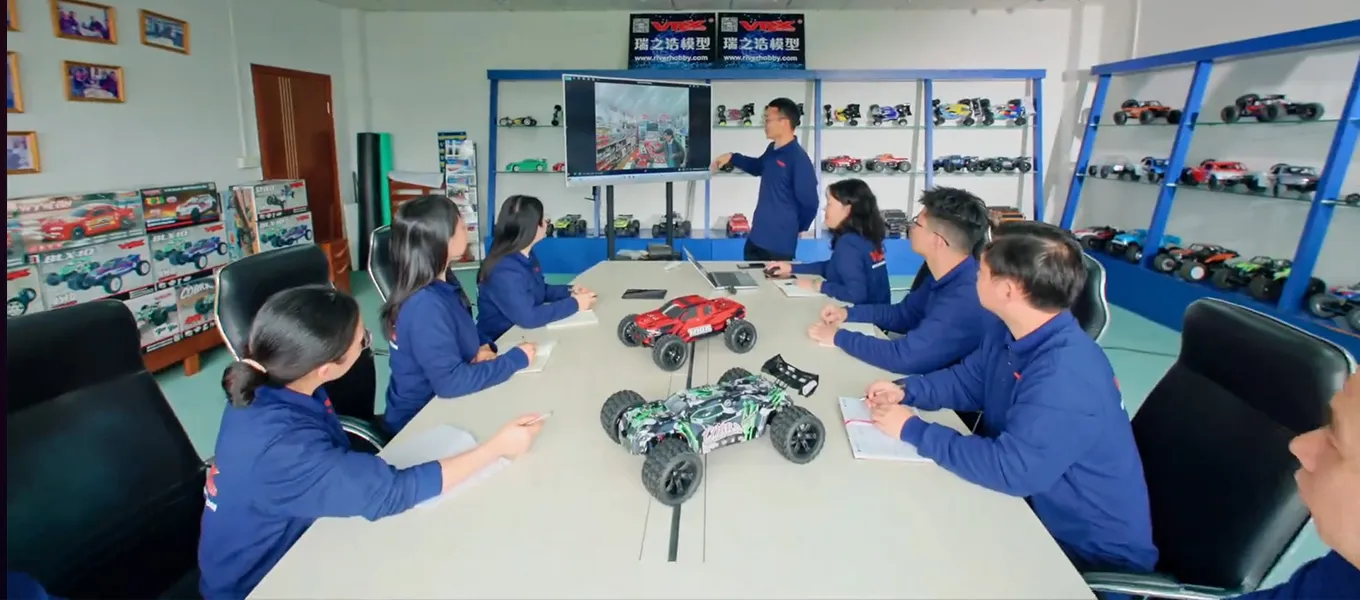
Full support is available. As a source manufacturer with integrated R&D and production, we provide private labeling and packaging customization as well as in-depth OEM/ODM development—from chassis iteration and trial-mold refinement to complete-vehicle production.
Direct factory supply and channel protection: no middleman markup, flexible MOQs and attractive distributor margins.
19 years of integrated R&D and manufacturing: a complete industrial chain from concept development to mold production, backed by substantial technical expertise.
Strict quality control and compliance: all products follow ISO 9001 quality standards, with active preparation for CCC and other market-access certifications to ensure stable, reliable quality.
Comprehensive channel support: a well-stocked after-sales parts supply chain, plus strong marketing materials and repair guidance for dealers.
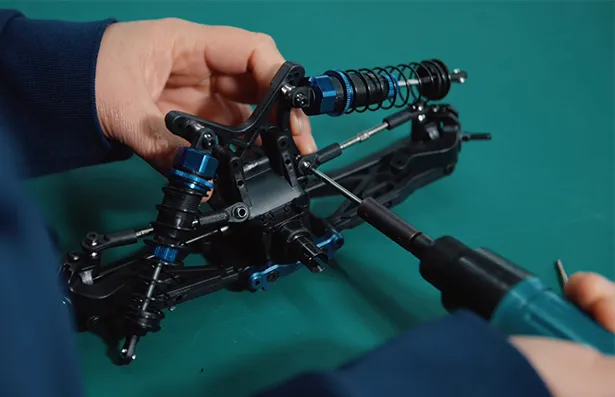
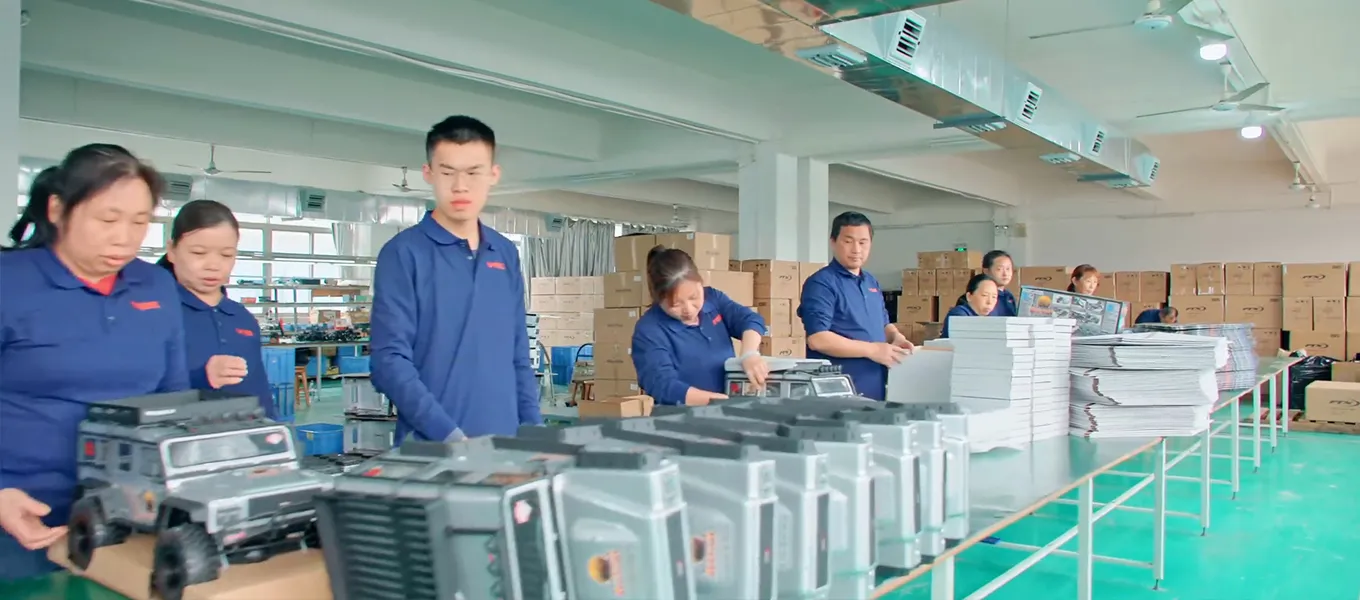
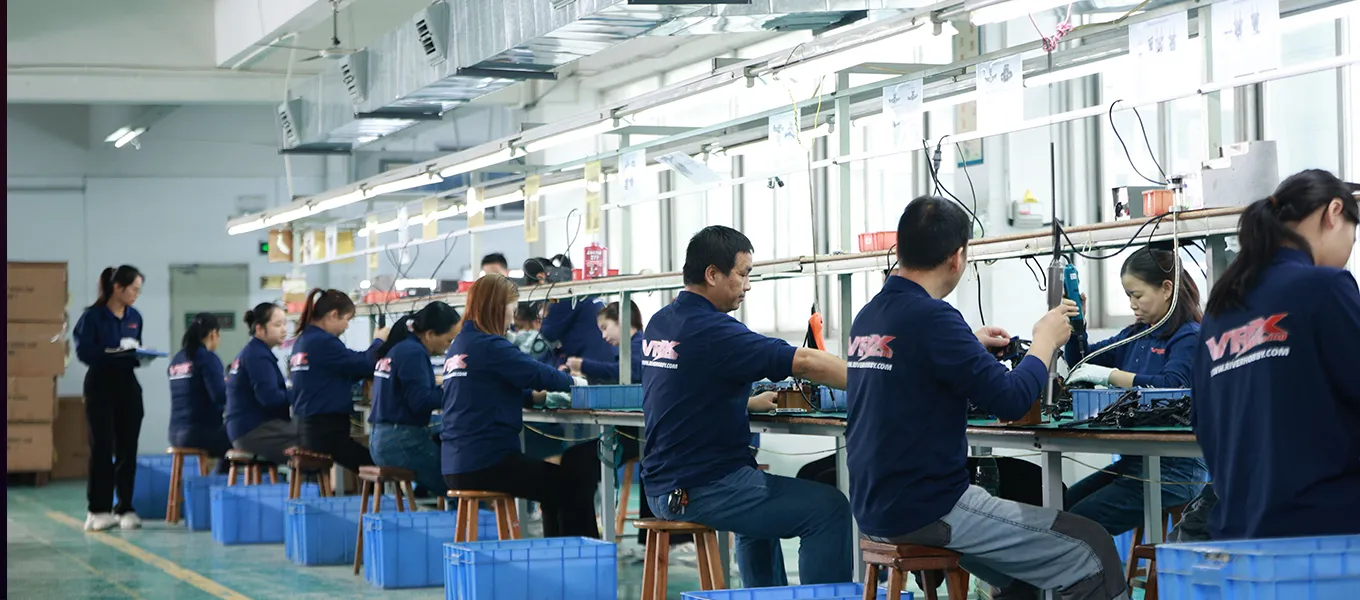
Our manufacturing facility operates four main production lines covering component assembly and processing, functional inspection and testing, and final packaging. Each assembly line specializes in different RC vehicle scales and supports key processes such as chassis assembly, shock-oil filling, differential tuning, electronic wiring, and integrated system testing. With an average capacity of approximately 1,500 units per line per month, total monthly output exceeds 6,000 units. Standardized operating procedures and dedicated IPQC inspectors ensure consistent quality at critical checkpoints. The flexible production system also allows multiple RC car models to be manufactured simultaneously, with rapid model switching to meet bulk orders and peak-season demand.
Our in-house injection molding capabilities cover component production, mold development, and quality inspection, providing precise and durable plastic parts for RC cars.
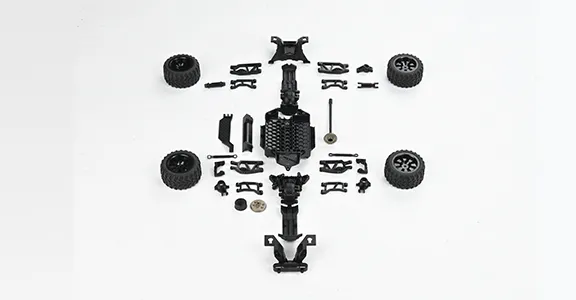
Nine imported servo injection molding machines process ABS, PA66, PA66+GF15, and PA66+GF30 for lamp covers, bumpers, wheel rims, chassis plates, and other RC car components.
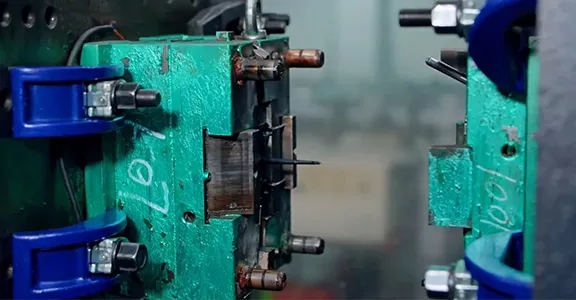
Our professional team uses UG and Pro/E for mold design, supported by in-house CNC, EDM, and wire-cutting equipment. Mold accuracy reaches ±0.02 mm, while closed-loop process control maintains batch consistency above 99%. Typical mold lead time is 30–45 days.
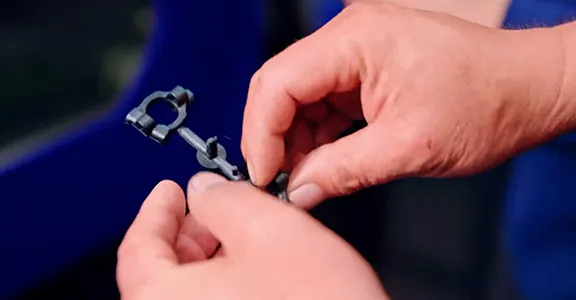
Critical mounting features are controlled to ±0.05 mm, while optimized molding parameters improve PA66+GF30 impact strength by over 30%. Quality control includes first-article dimensional verification, 100% visual inspection, and periodic tensile-strength testing.
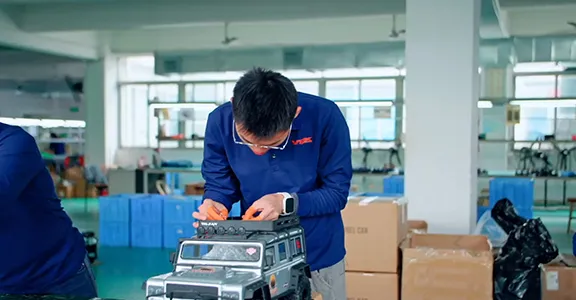
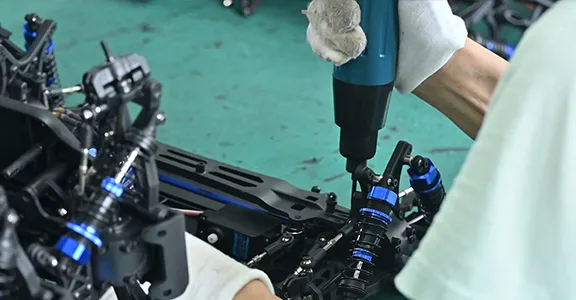
Shock absorber assembly → differential assembly → front and rear module assembly → complete chassis assembly → tyre processing → vehicle calibration and functional testing → packaging.
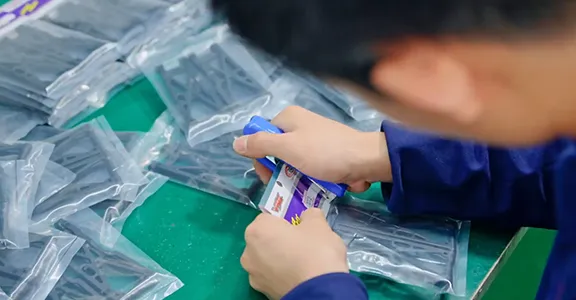
A combination of operator self-inspection and online reinspection at critical checkpoints is used, with quality gates after each core station.
ISO 9001-standardized SOPs have been fully implemented.
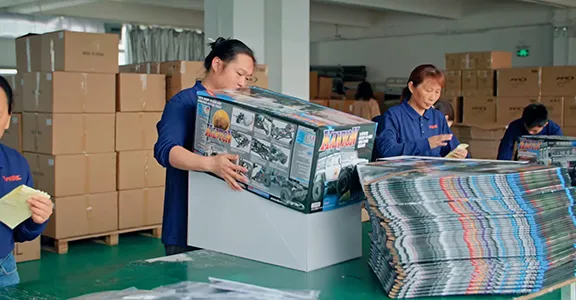
Production routes can be flexibly switched according to the power system and vehicle scale.
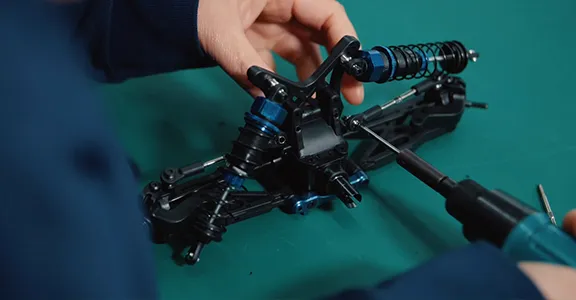
The final-assembly workshop has four lines. Each line is led by an experienced supervisor with strong quality awareness, product knowledge and accountability. Front-line employees receive scheduled and ad hoc training on operations and process details, while dedicated quality staff jointly monitor every line.
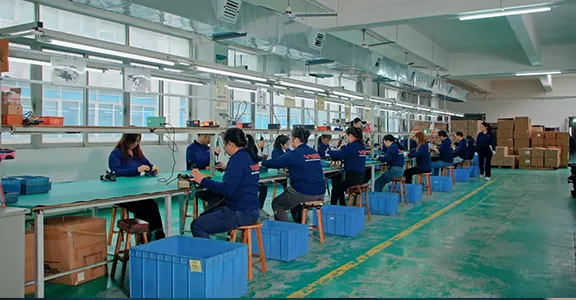
The final-assembly workshop has four lines. Each line is led by an experienced supervisor with strong quality awareness, product knowledge and accountability. Front-line employees receive scheduled and ad hoc training on operations and process details, while dedicated quality staff jointly monitor every line.

After materials arrive, the warehouse submits an inspection request to IQC.
Inspectors verify the material name, part number, batch, quantity, supplier and certificate.
Samples are selected according to inspection SOPs, drawings, BOMs and AQL standards.
Appearance, dimensions, performance and material identity are checked.
Accepted materials are signed off and stored; rejected materials receive an incoming-material exception report and are conditionally accepted, sorted, returned or reworked.
IPQC patrols the line every 1–2 hours.
Operator methods, tooling, equipment parameters and materials are verified.
First Article Inspection (FAI) is mandatory after shift, product, mold or material changes. Batch production begins only after dimensions, appearance and performance pass.
Semi-finished goods are sampled and patrol records completed.
Minor issues are corrected immediately; batch abnormalities stop production until Production and Engineering complete analysis and corrective action.
Production submits finished goods for inspection.
FQC applies AQL sampling to appearance, dimensions, assembly, functions, labels, packaging and accessories.
Drawings and customer requirements are checked.
Accepted goods are labeled and stored.
Rejected goods are isolated and reworked, then reinspected; irreparable goods are scrapped.
The warehouse requests OQC inspection before shipment.
Order number, customer, quantity, carton marks and packaging are verified.
Finished-product quality and the shipping list are sampled again.
Shipment is released only after a certificate of conformity is issued.
Nonconforming shipments are held until correction and reinspection.
Segregate and red-tag nonconforming products.
Quality, Production and Engineering decide on rework, sorting, concession with customer approval, or scrap.
Quality tracks corrective actions to prevent recurrence.
All exception records are archived for traceability.
Incoming inspection focuses on electronic-component impedance, selected waterproof tests, metal-part tolerances, hardness and salt-spray testing. Production performs 100% smoothness tests on drivetrains and shock/suspension systems. Finished vehicles undergo pull-deviation checks and four-wheel alignment. Before shipment, packaging protection and accessory completeness are verified.
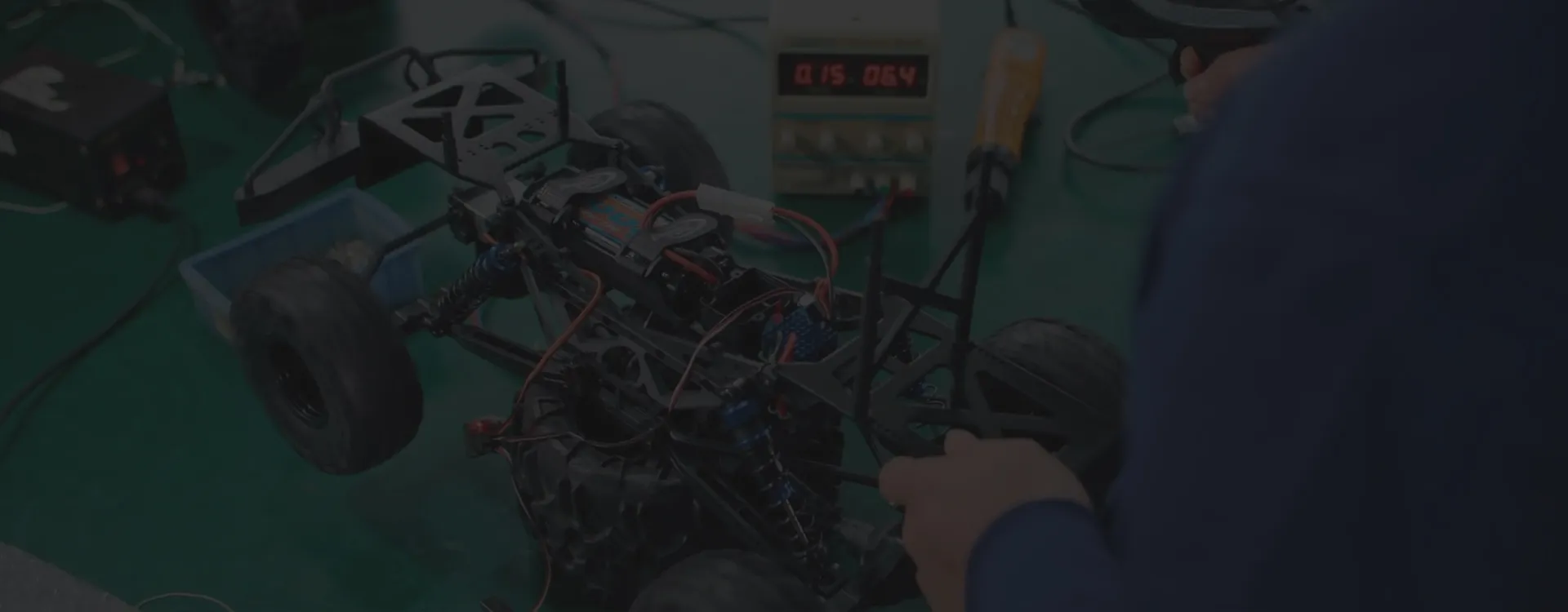
pairing, short-range signal and button response, neutral calibration and interference checks; long-range endurance is sampled.
short-distance forward, reverse and brake checks; full- and low-speed modes; top speed by sampling.
continuous loaded driving to verify full runtime against the stated specification, by batch sampling.
free drops from 0.8–1.2 m on six faces, edges and corners; parts must remain attached, PCBs unsoldered and chassis unbroken.
30–60 minutes of continuous powered operation with repeated throttle and steering cycles to detect intermittent faults, cold solder joints and poor contacts.
simulated jump landings and rough-road conditions, including impact-load and vibration-durability tests, to assess the chassis, suspension arms, upper deck and drivetrain.
Functional test → appearance cleaning and inspection → body installation on chassis → colour box → manuals and accessories → master carton → quality
Yes.
Yes.
According to order requirements.
A dual-buffer structure combines a model-specific impact-resistant inner tray with a thick, high-basis-weight outer carton. Internal supports are customized for each vehicle scale.
Yes.
Yes.
We understand international sea-freight pallet stacking and carton-entry requirements for cross-border platforms such as Amazon FBA. Optimized carton dimensions help overseas distributors significantly reduce per-unit logistics costs.
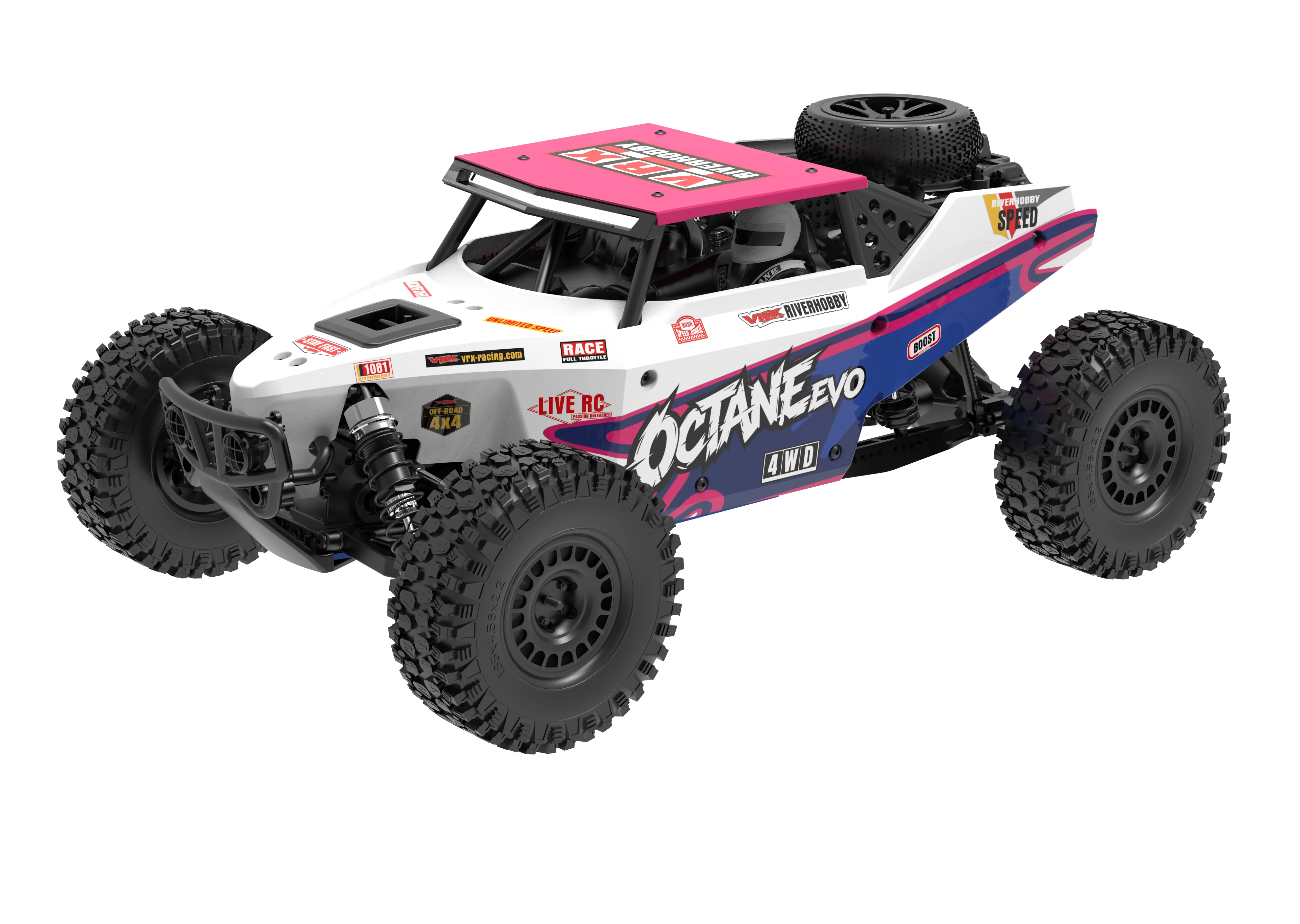


.jpg "COBRA 1/8 Scale 4WD Off-road Electric RC Truggy 2.4G Brushless High Speed RTR #RH818")