
Comprehensive inspection is applied to all outsourced and directly purchased raw materials.
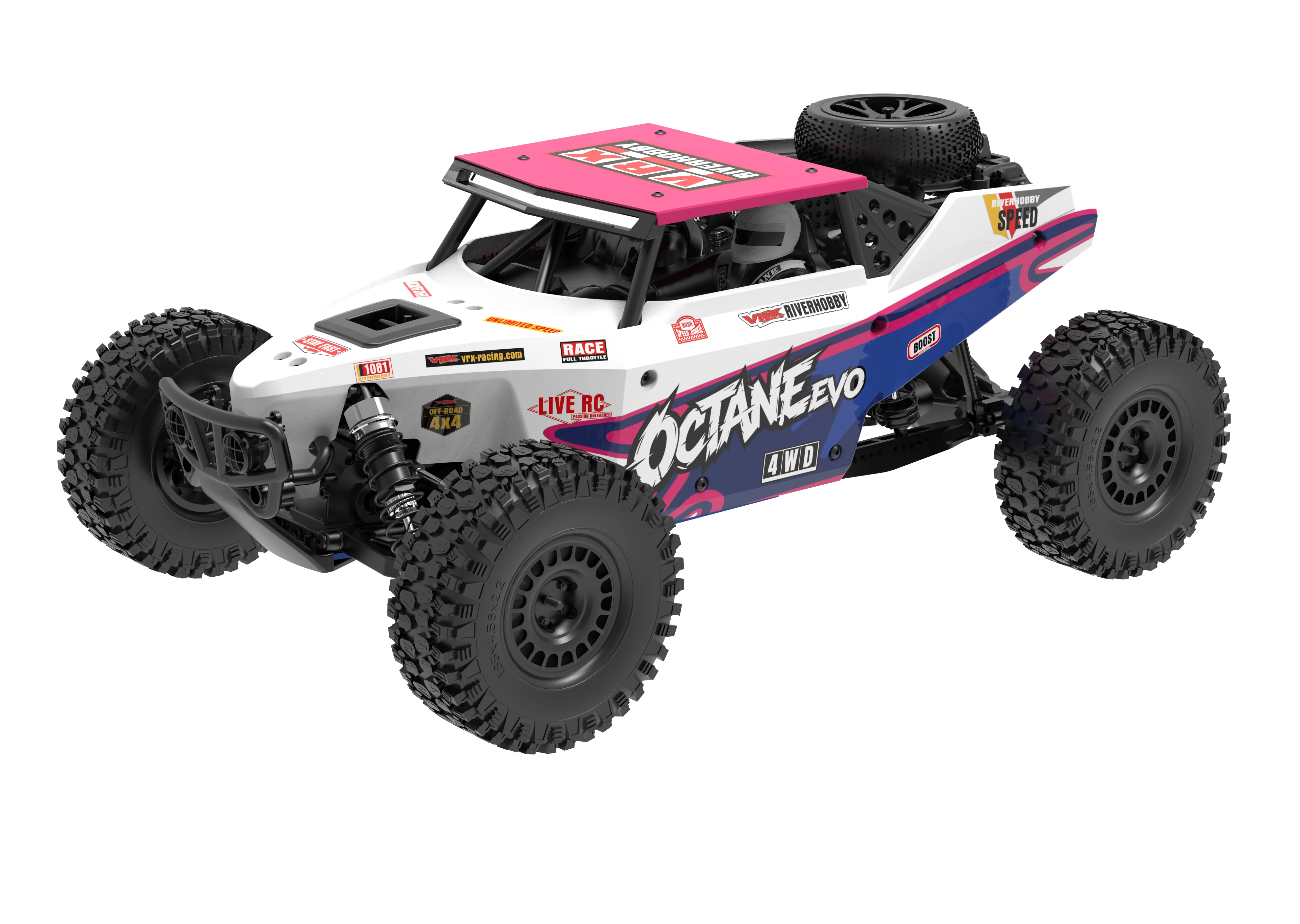
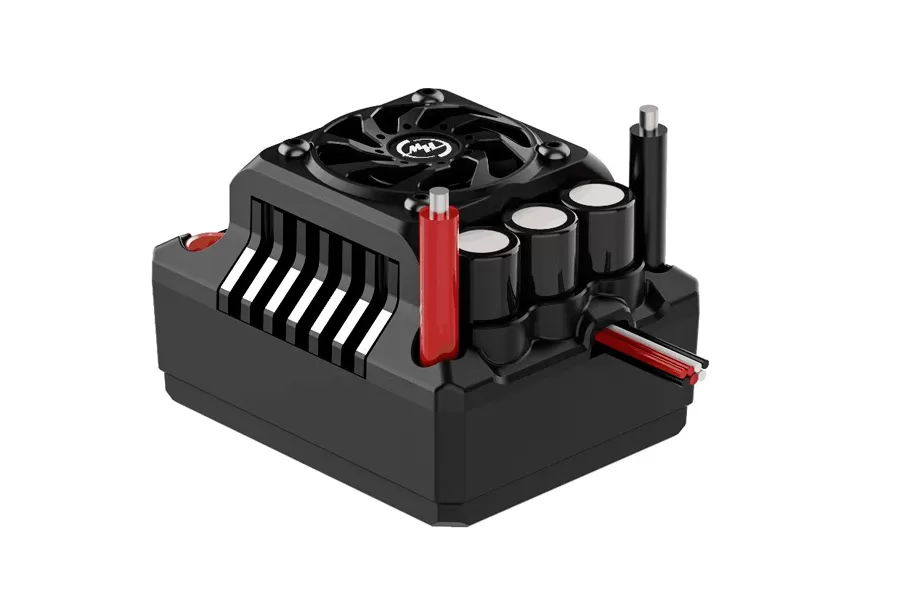
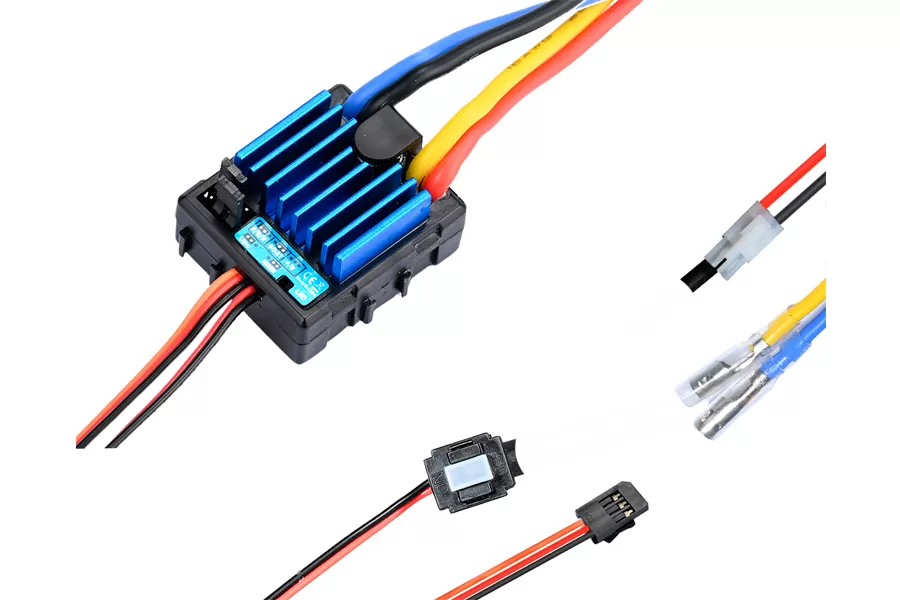
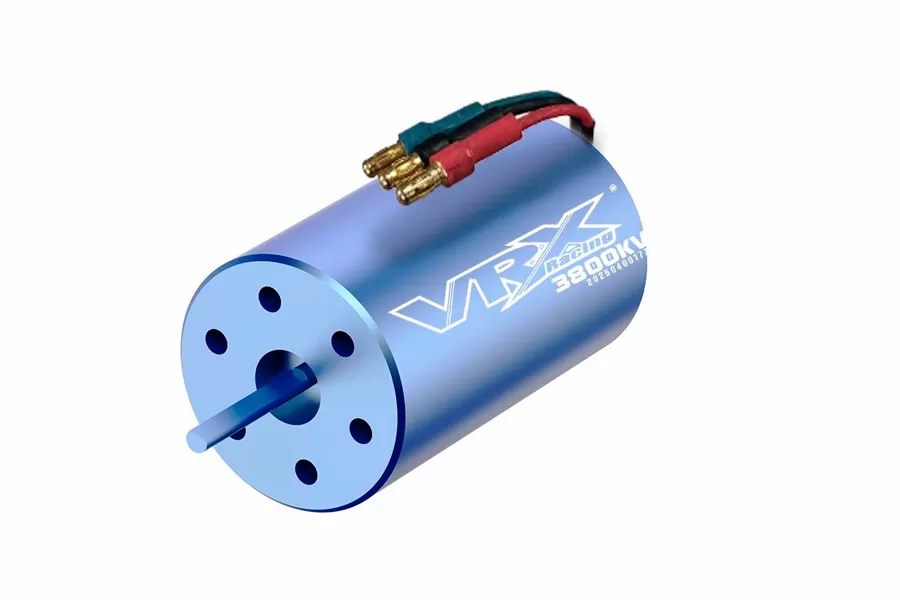
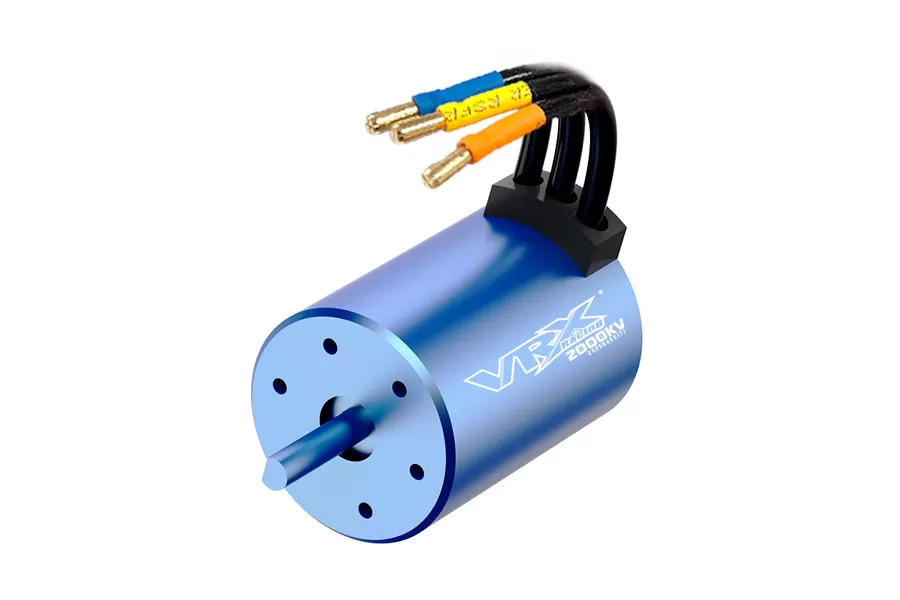
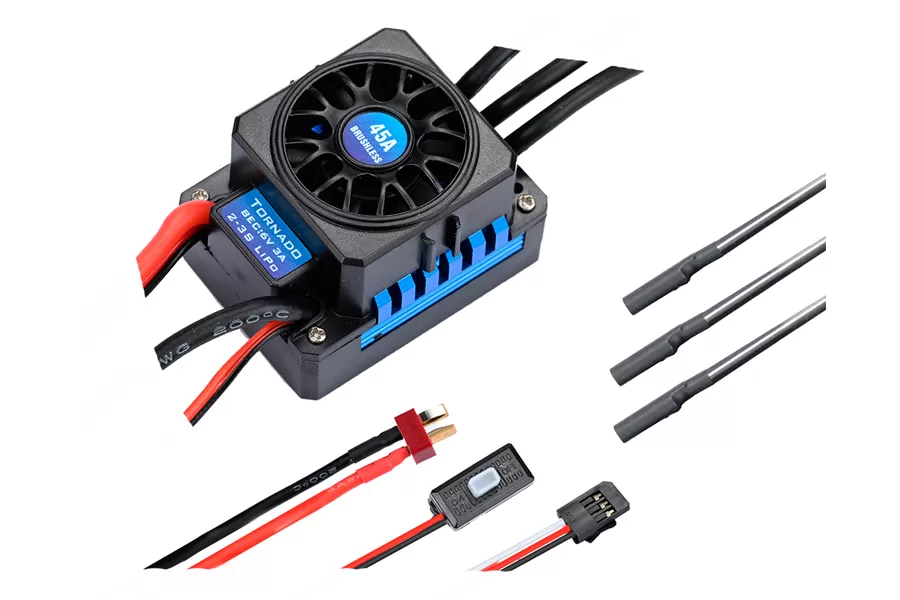
Full coverage includes modified engineering-plastic pellets, CNC-machined precision metal parts, brushed and brushless motors, ESCs, high-rate lithium battery packs, high-grip rubber tyres, 2.4 GHz transmitters, and all inner and outer packaging materials.
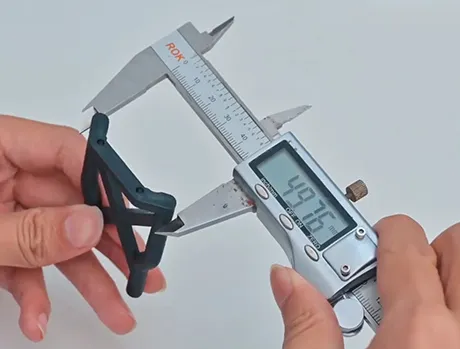
Appearance must be free of burrs and scratches with uniform colour; dimensions must meet drawing tolerances using coordinate measurement; powered electronic functions, internal resistance and voltage consistency must pass; and packaging compression strength and basis weight must meet requirements.
A strict supplier qualification and rating system is in place, supported by monthly and annual KPI assessments.
A Corrective Action Report (CAR) is issued and the material returned to the supplier, who must submit an 8D corrective-action report within the specified period.
Yes. All IQC batch results are recorded and retained in the ERP system, enabling bidirectional component-level traceability.
What incoming materials are inspected, and does the inspection cover plastic and metal parts, motors, batteries, controllers, tyres, screws, and packaging materials? Please describe the inspection standards for appearance, dimensions, functionality, and material consistency, as well as the supplier management system, procedures for handling non-conforming materials, and whether incoming inspection records are maintained.
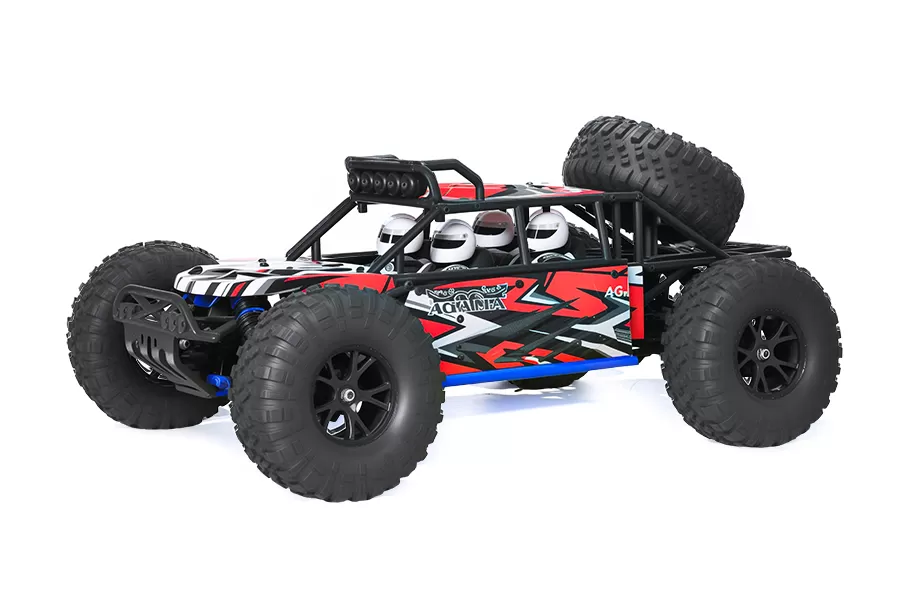
Production inspection covers critical checkpoints including differential and shock assembly, chassis assembly, electronic wiring, body assembly, and decal application. A three-layer quality system combines signed first-article inspection, patrol inspections every two hours, and 100% end-of-line inspection of semi-finished products. Dedicated online QC inspectors check gear-mesh smoothness, screw torque, thread-lock status, wiring, tie-rod symmetry, suspension performance, and exterior cleanliness. Non-conforming products are diagnosed, repaired, and fully retested. SPC analysis identifies quality trends early, triggering line stoppage, investigation, and SOP improvement when necessary to prevent batch issues and reduce rework rates.
| 1. Products or electronic components requiring aging tests | Power systems and core electronic-control modules, including brushed/brushless motors, ESCs, servos and high-rate charge/discharge battery packs. |
| 2. Whether testing targets motors, batteries, electronic controls, remote controls or complete vehicles | Testing focuses on electrical control and power-cycle systems, using full-load bench operation or extreme powered conditions to simulate high-voltage, high-temperature real-world use. |
| 3. Test duration and conditions, if publishable | Continuous high-intensity operation for 12–24 hours under extreme temperature and humidity conditions. |
| 4. Test purpose, e.g., stability verification and lower post-shipment failure rates | The test accelerates and screens early-life electronic-component failures, verifies thermal design margin, ensures long-term batch reliability and reduces dead-on-arrival (DOA) rates. |
| 5. Handling of aging-test failures | The entire affected batch is quarantined. Engineering investigates the root cause of burnout or short circuits, and suppliers must complete corrective action before mass production resumes. |
| 1. Vehicle models subject to speed testing | Strict batch performance sampling is conducted on brushless models positioned for competitive speed. |
| 2. Test-site description | A dedicated speed-test straight is available within the factory grounds. |
| 3. Test items, e.g., top speed, acceleration, remote response and straight-line stability | A high-precision GPS speed meter is used to determine actual top speed. |
| 4. Model-specific speed standards | Yes. |
| 5. Significance of speed testing for performance validation | Testing protects the credibility of published performance claims, such as ‘up to 80 km/h,’ and strengthens players’ trust that VRX Racing products deliver what is promised. |
It verifies both the impact durability of an unpackaged RC vehicle during extreme jump landings and the cushioning protection of the packaging system against rough logistics handling.
Testing includes destructive drops of the unpackaged vehicle and directional drops of colour boxes and master cartons to simulate international transport under ISTA standards.
The unpackaged vehicle is free-dropped from 1.5 m at multiple angles, including nose-first, flat on all four wheels and side impact. Cartons follow the standard one-corner, three-edge and six-face drop sequence.
Inspect the body and roll cage for breakage; chassis plate and suspension arms for permanent deformation; shock towers and other load points for fracture; and the internal paper tray for effective energy absorption.
Testing supports safe arrival through ocean freight and cross-border last-mile delivery while ensuring durability under aggressive driving, reducing overseas after-sales parts claims.