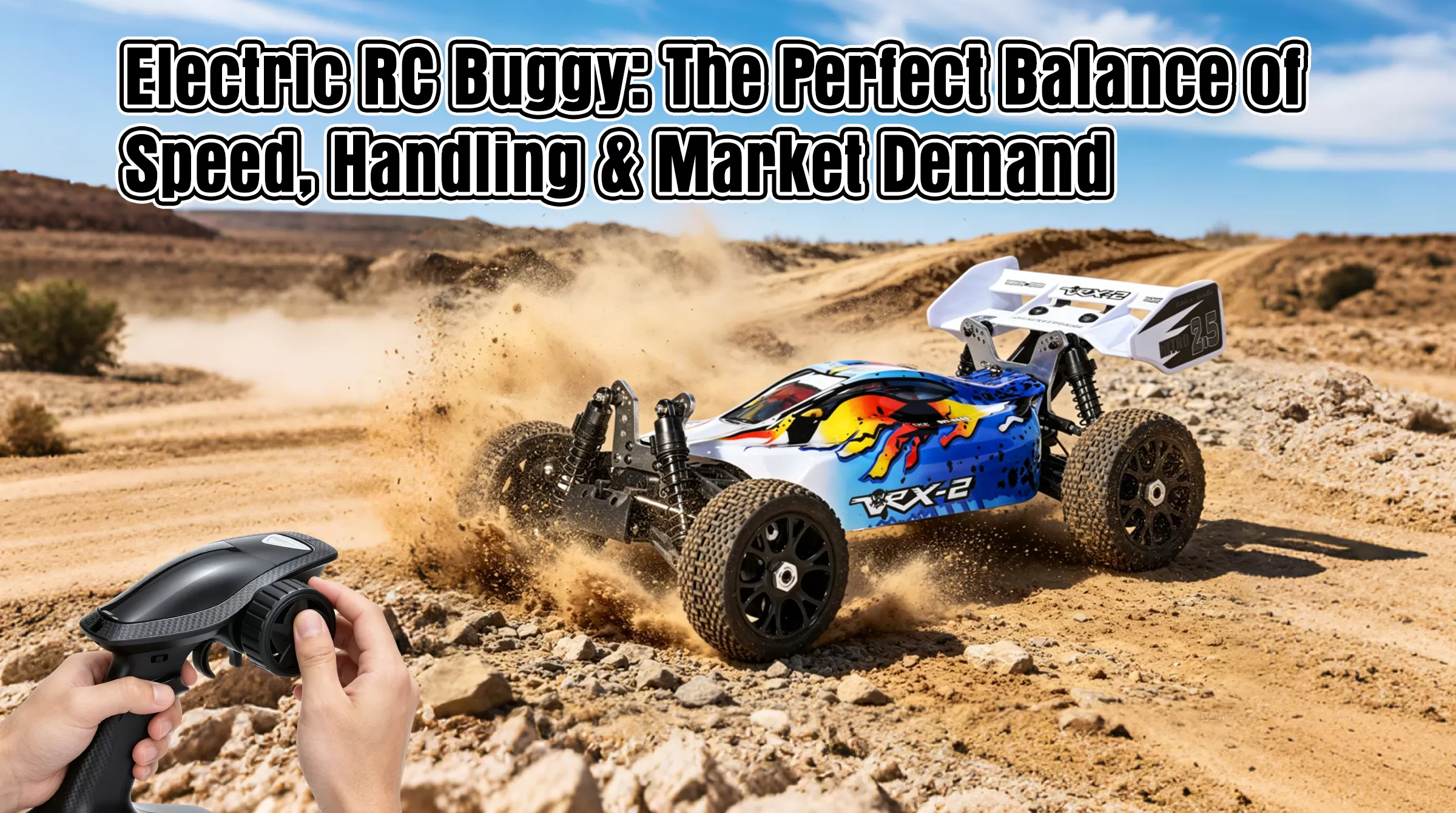
Electric RC racing is a thrilling hobby that combines precision driving, technical knowledge, and continuous practice. These hobby-grade remote control vehicles come in many forms, but they all share the same goal: improving speed, control, and consistency on the track.
Instead of repeating multiple product-style terms, this guide focuses on real racing improvement skills that apply to all hobby-grade electric platforms.
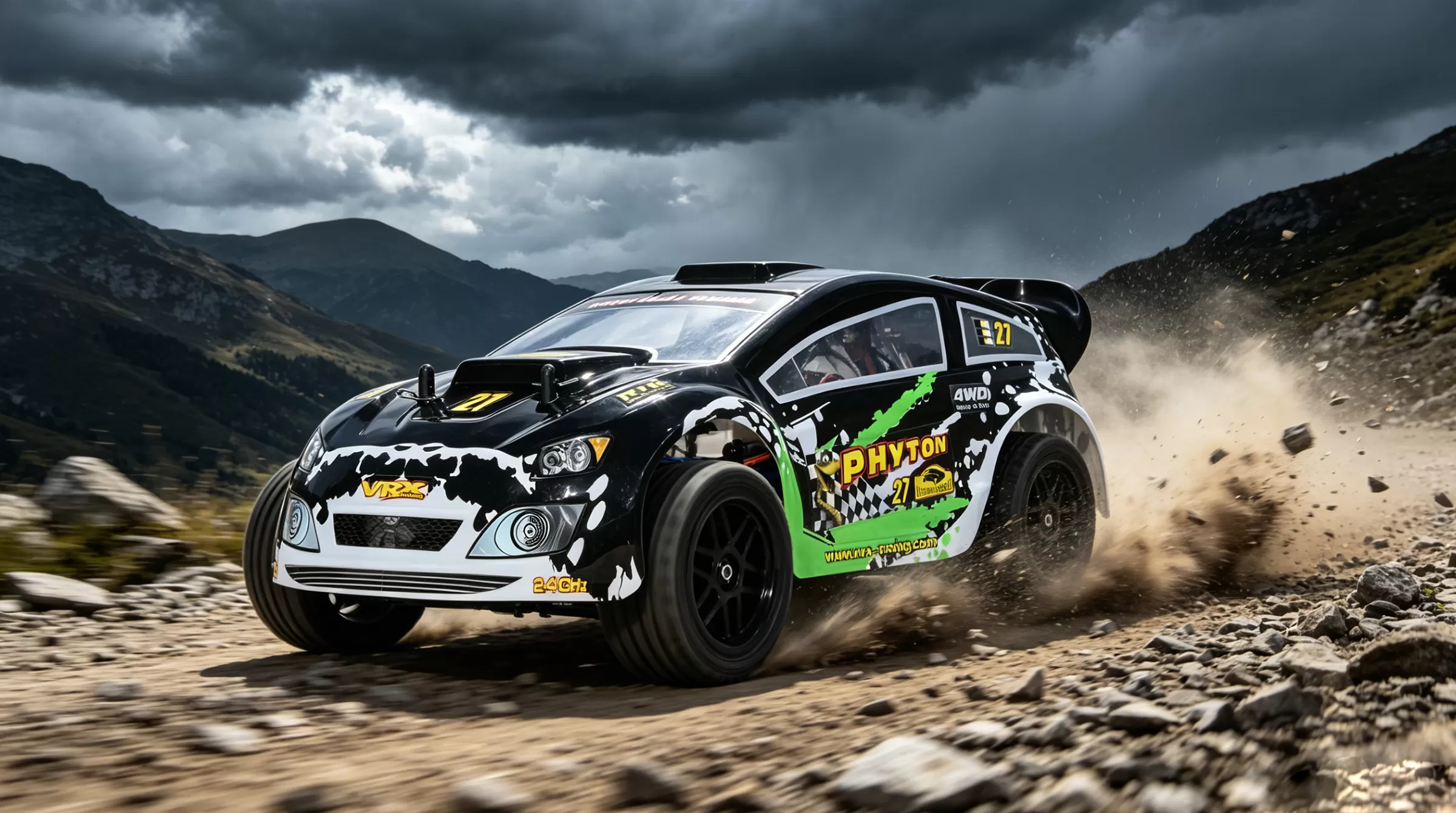
Modern platforms such as VRX Racing provide an excellent foundation for both beginners and experienced racers thanks to their balance of performance, durability, and upgrade potential.
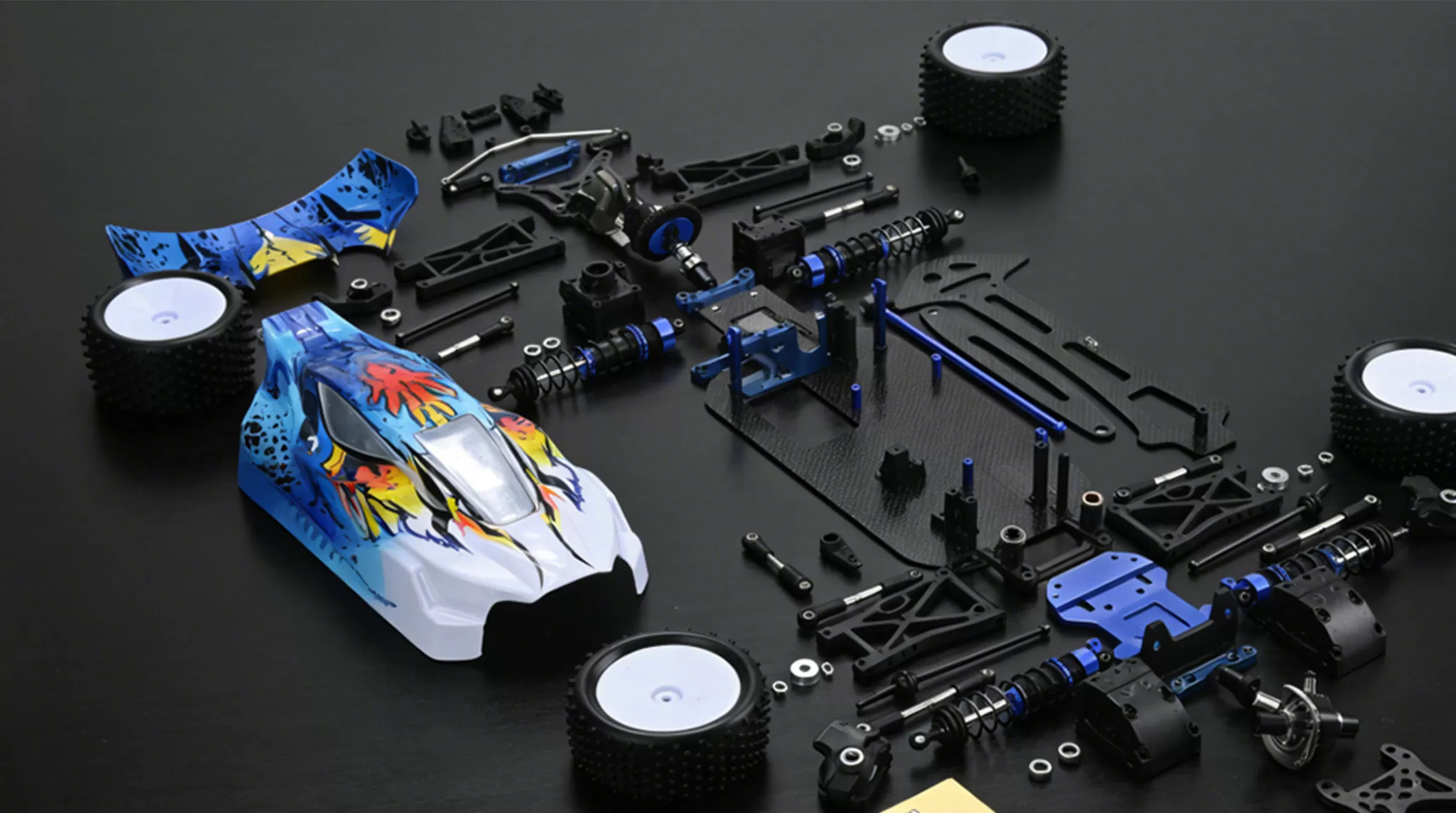
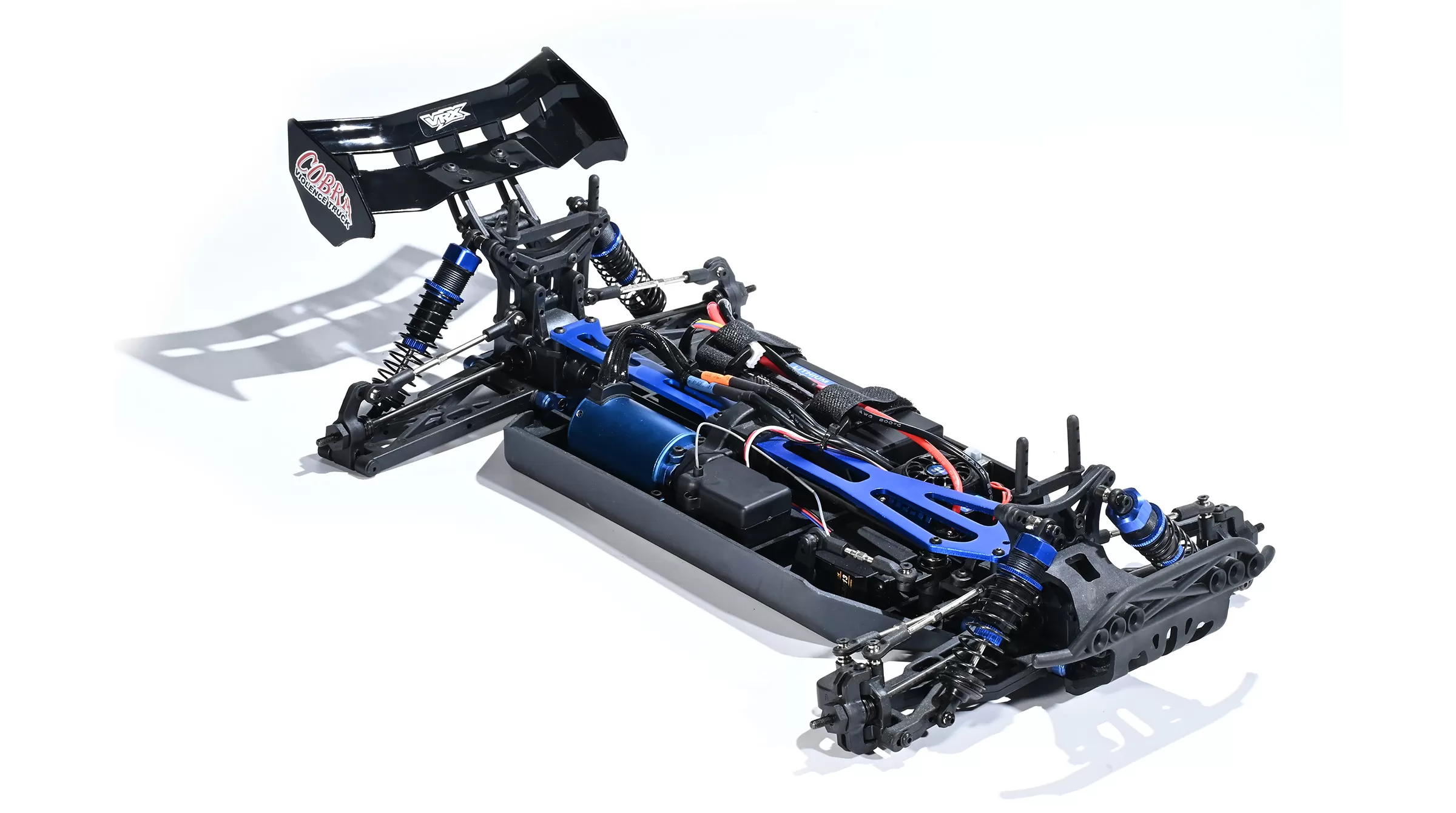
Before improving lap times, you must understand how your system works. A typical electric setup includes a battery pack, ESC, motor, drivetrain, and suspension system.
Power flows from the battery to the ESC, which regulates energy delivery to the motor. The drivetrain transfers power to the wheels, while the suspension maintains stability and traction under different track conditions. In competitive driving, even small improvements in drivetrain efficiency or suspension tuning can translate into noticeable lap-time gains.
Many racers underestimate how much their setup affects performance. A well-balanced configuration often makes a slower motor feel faster simply because the power is delivered more effectively to the ground.
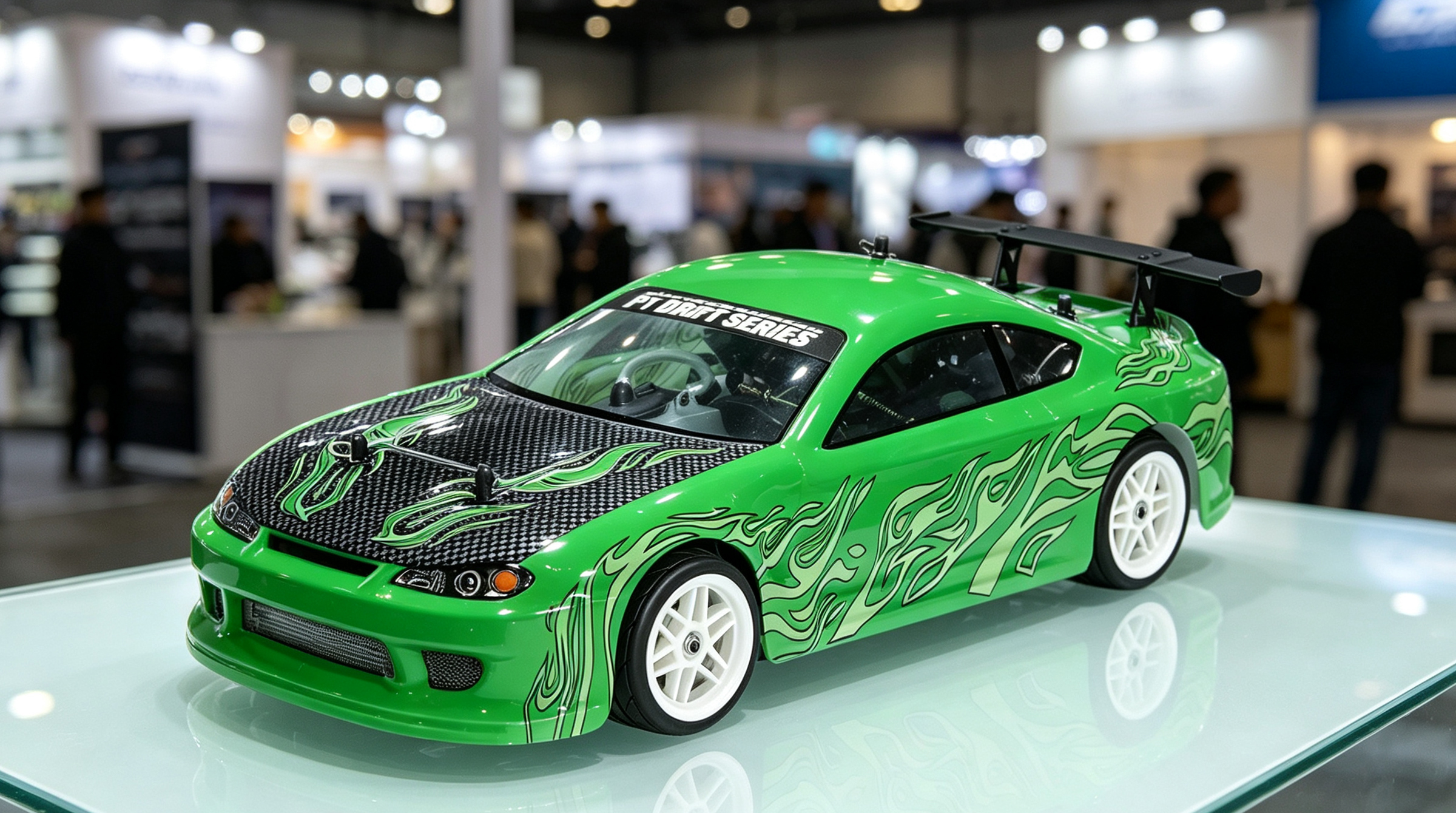
Vehicle choice has a major impact on racing performance. The 1/10 scale category is widely considered the most versatile option for hobby racing. It strikes a balance between stability at high speed and agility in tight corners, making it suitable for multiple racing environments.
Balanced speed and stability
Strong upgrade potential
Suitable for multiple track types
Affordable entry into competitive racing
Large aftermarket support for tuning and repairs
Flexible for both brushed and brushless systems
This scale is often recommended for drivers transitioning from casual driving to structured racing because it provides enough performance headroom without becoming difficult to control.
Smooth throttle input is critical. Avoid sudden acceleration, especially on loose surfaces. Apply gradual power to maintain traction and reduce wheel spin. Advanced drivers often modulate throttle throughout the entire corner rather than only on exit.
Brake before entering corners instead of inside the turn
Maintain smooth steering input without over-correction
Accelerate progressively on corner exit
Avoid cutting corners too aggressively, which can destabilize the car
The fastest racing line is usually wide entry, tight apex, and wide exit. This reduces steering angle and preserves momentum. In longer races, consistency in hitting the same line each lap is often more important than occasional fast laps.
Dirt: controlled throttle with focus on traction management
Asphalt: higher corner speed with precision steering
Gravel: stability-focused driving with reduced abrupt inputs
Mixed terrain: adaptive driving style depending on grip changes
Performance is not only about raw motor power. A balanced configuration is more effective than aggressive upgrades alone. This is where understanding your electric setup becomes essential for real racing improvement.
A properly tuned car allows you to extract more performance from the same components, reducing unnecessary strain and improving consistency over long race sessions.
Component | Impact on Performance | Racing Benefit |
Motor KV rating | Controls RPM and top speed | Adjusts acceleration vs. speed balance |
Battery voltage | Influences acceleration and maximum speed | Affects overall power delivery consistency |
Gear ratio | Balances speed and torque | Optimizes track-specific performance |
Vehicle weight | Affects handling and acceleration | Improves cornering stability when reduced |
Tires | Determines grip level | Critical for lap time consistency |
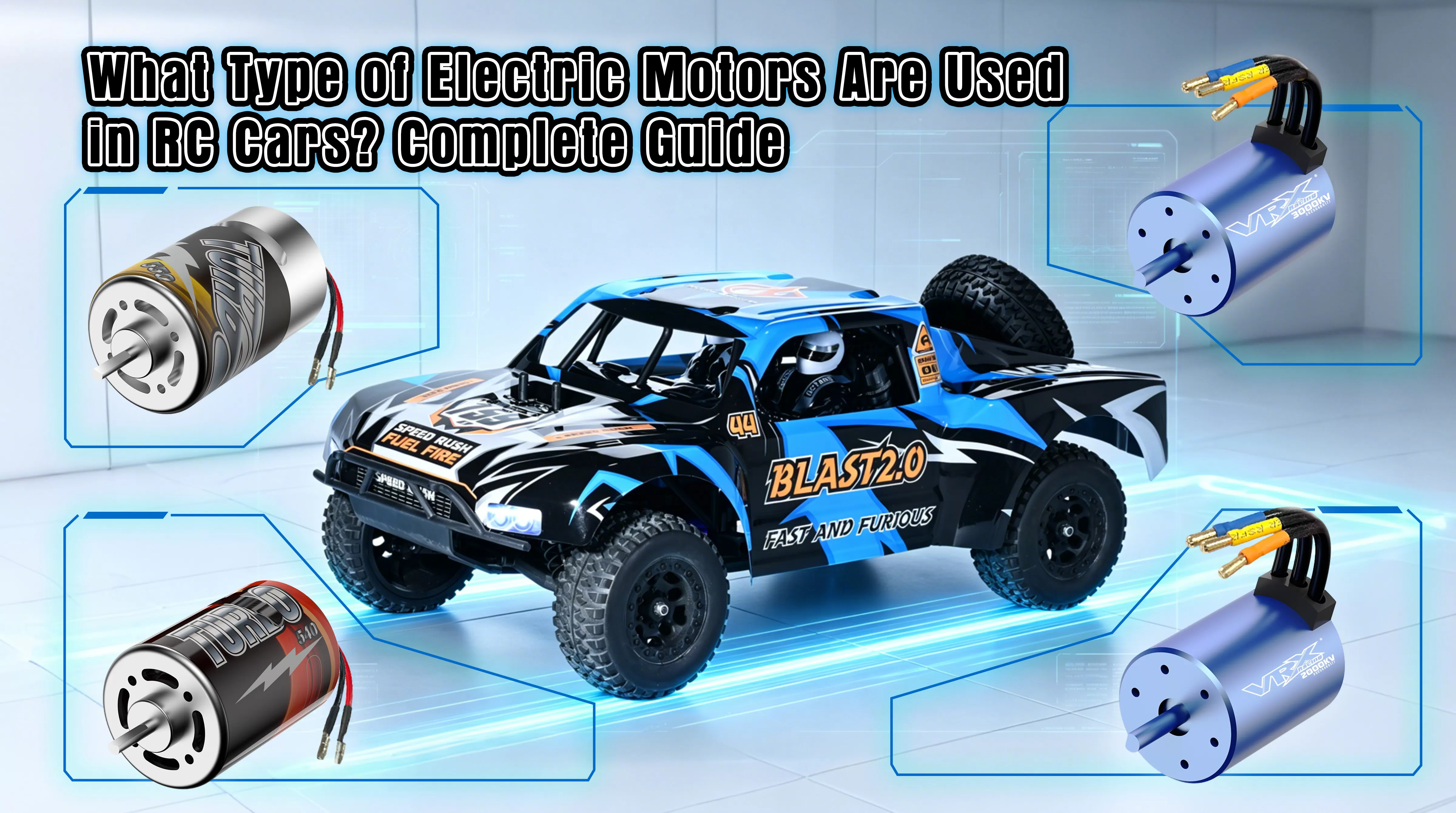
Motor selection directly influences driving feel and performance potential. Choosing the right setup depends on track layout and driver skill level.
Lower KV motors: better torque and smoother control for technical tracks
Mid-range KV motors: balanced performance suitable for general racing
High KV motors: maximum speed optimized for long straight sections
Experienced racers often adjust gearing rather than changing motors to fine-tune performance for specific race conditions.
Battery quality significantly affects consistency during racing. High-performance LiPo batteries provide stronger acceleration and stable voltage output throughout the race. Voltage sag is one of the main reasons cars lose speed in the final laps.
NiMH: entry-level use with lower performance output
Li-ion: casual driving with moderate efficiency
LiPo: racing performance with high discharge rates
Proper charging habits and storage practices also extend battery life and maintain performance consistency over time.
A well-tuned suspension often matters more than motor upgrades. Adjustments such as shock oil viscosity, spring stiffness, ride height, and camber angle directly affect traction and cornering behavior.
For example, softer suspension improves grip on rough terrain, while stiffer suspension enhances stability at high speeds. Fine-tuning these parameters allows drivers to adapt to different track conditions efficiently.
Clean chassis after each run to remove dust and debris
Inspect drivetrain regularly for wear or damage
Check gear mesh alignment to avoid power loss
Monitor tire wear and replace when grip decreases
Tighten screws and hardware to maintain structural integrity
Lubricate moving parts to reduce friction and wear
Consistent maintenance not only improves performance but also prevents unexpected mechanical failures during races.
Avoid unnecessary early-race risks that could cause crashes
Focus on clean laps before attempting aggressive overtakes
Study competitor driving patterns to identify opportunities
Adapt to changing track conditions during the race
Prioritize consistency over occasional fast laps
Strategic thinking often separates average drivers from competitive racers, especially in longer races where consistency becomes more important than peak speed.
Week | Focus | Goal | Expected Improvement |
Week 1 | Basic control | Smooth acceleration and braking | Reduced crashes and instability |
Week 2 | Cornering | Clean racing lines | Improved lap consistency |
Week 3 | Setup tuning | Optimize handling balance | Better traction and control |
Week 4 | Full laps | Consistency under pressure | Race-ready performance |
Overusing full throttle on every straight
Ignoring tire condition and grip loss
Upgrading parts without proper tuning
Poor battery management and charging habits
Lack of structured practice routine
Overdriving corners instead of smoothing inputs
Avoiding these mistakes can immediately improve performance even without hardware upgrades.
Focus on throttle control, smooth cornering, and consistent racing lines instead of upgrading power first. Skill development has a greater impact than hardware changes.
A 1/10 brushed electric platform is ideal because it provides smooth power delivery, predictable handling, and easier control during learning.
Upgrade to brushless motors, optimize gearing, reduce weight, improve tire selection, and use high-quality LiPo batteries for better performance.
Very important. Regular cleaning and inspection ensure consistent performance, reduce mechanical failure, and extend vehicle lifespan.
Yes. Most modern platforms, including those from VRX Racing, support easy upgrades from brushed to brushless systems without major modifications.
Control and consistency matter more than raw speed in most racing environments. Fast drivers often lose races due to inconsistency rather than lack of speed.
Becoming a skilled electric RC racer requires patience, structured practice, and a clear understanding of both driving technique and vehicle setup. With a well-balanced platform from VRX Racing and consistent training, any driver can steadily improve performance, reduce lap times, and become more competitive over time.
Long-term success in RC racing comes from combining mechanical knowledge, disciplined driving habits, and continuous refinement of both setup and technique.