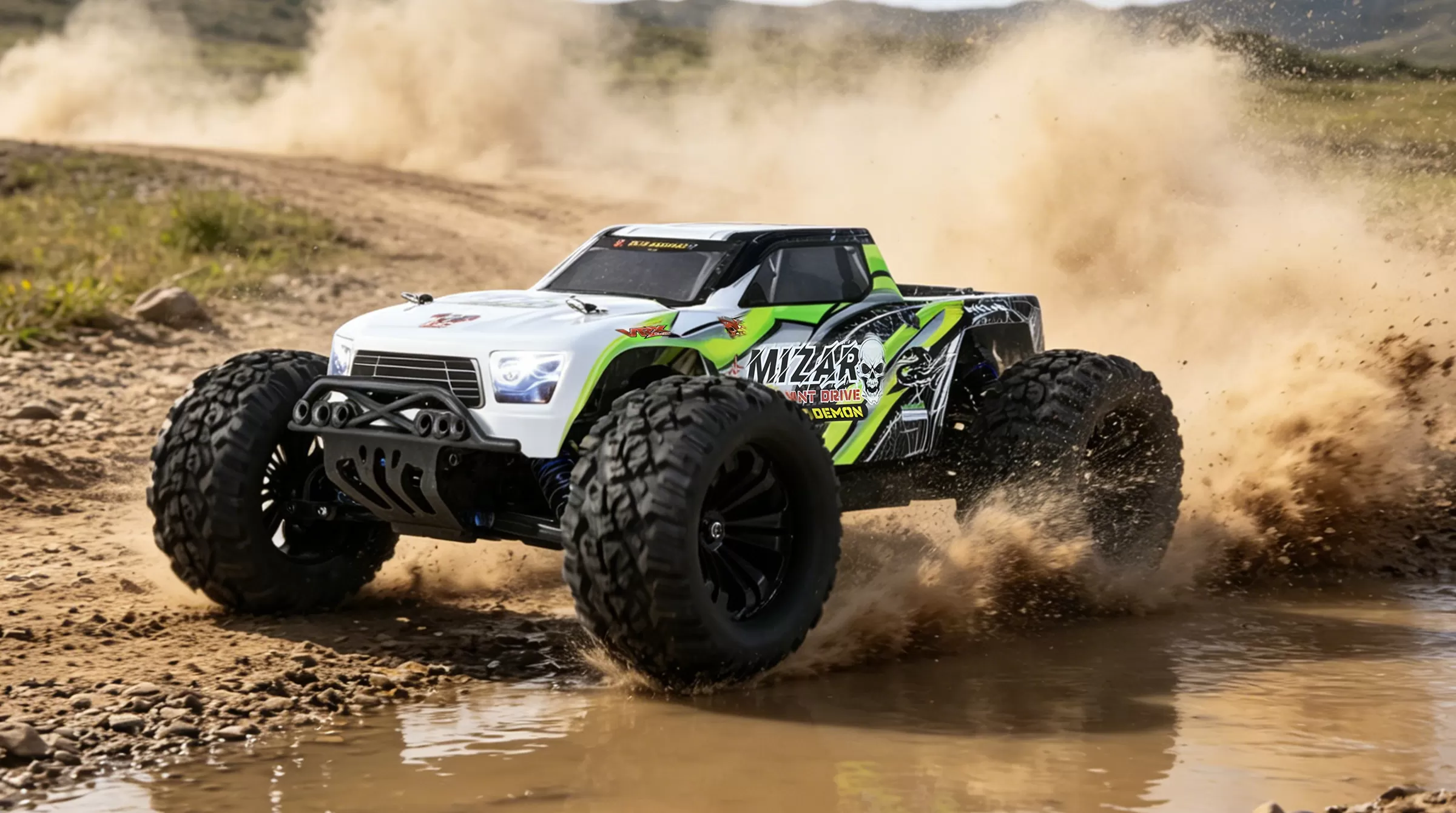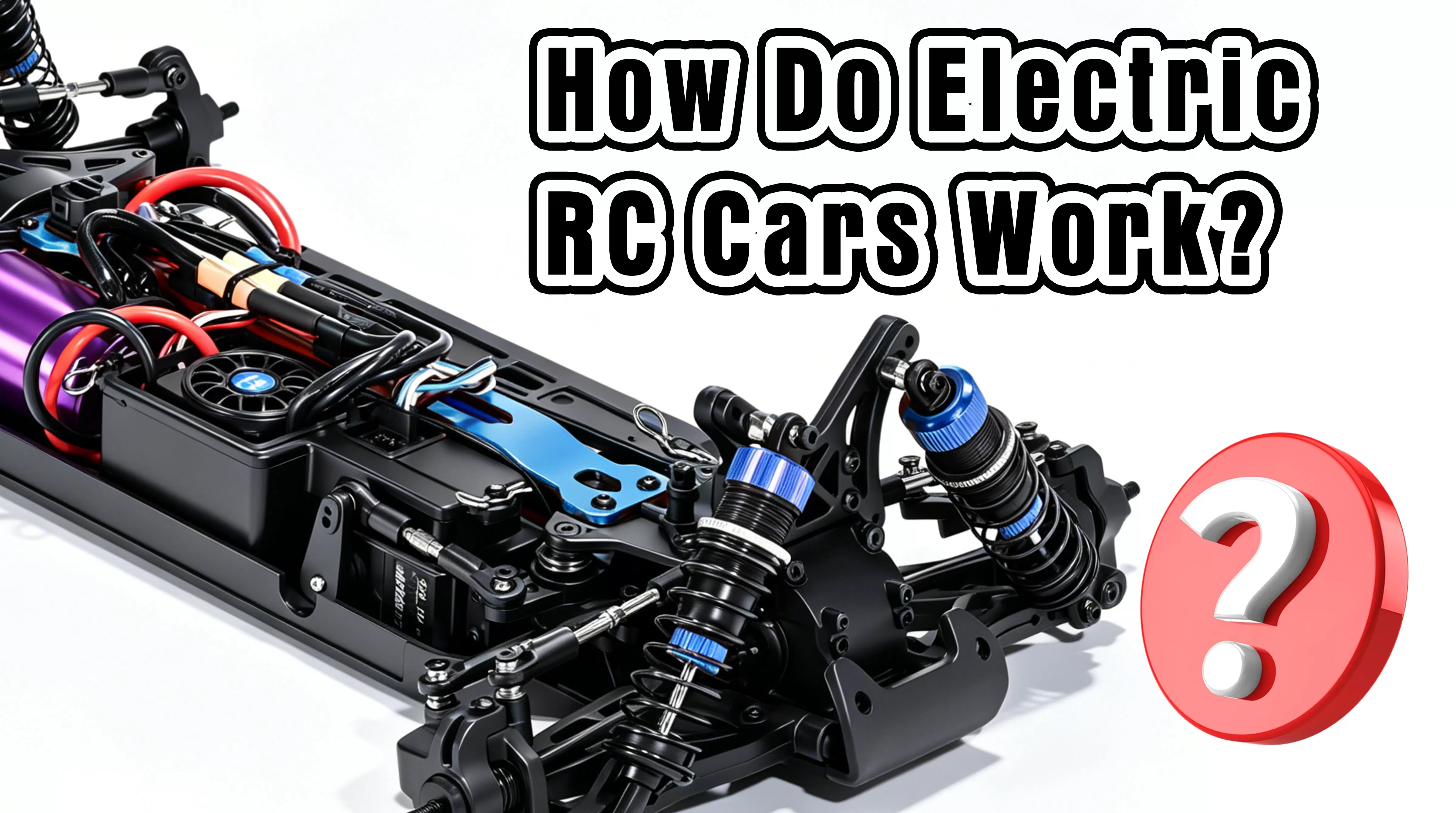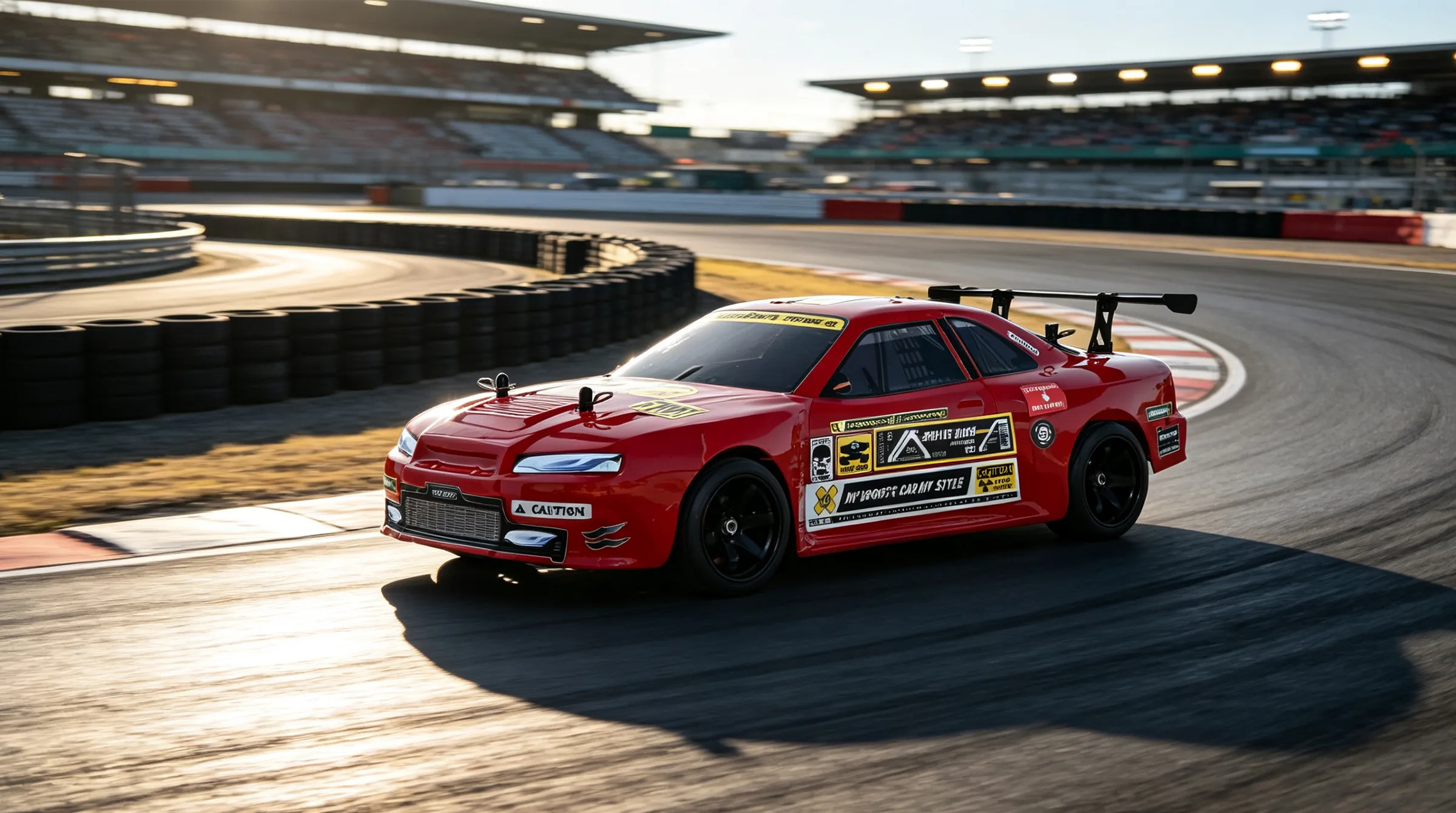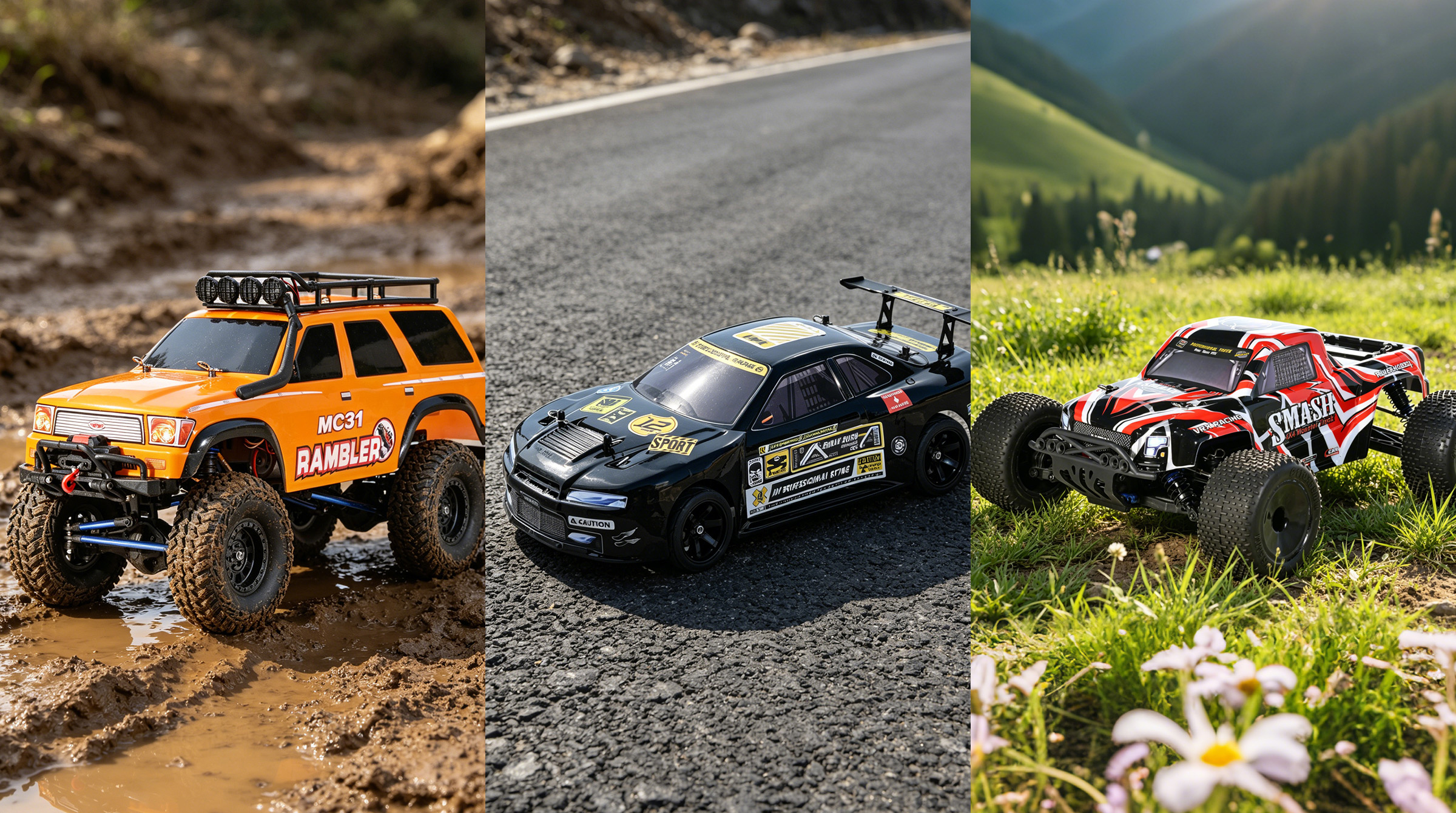
Ready-to-Run (RTR) RC cars have become the dominant product format in the global RC hobby industry, shaping not only consumer behavior but also manufacturer strategy, retail structure, and product development priorities. While kit-based models still hold relevance among advanced builders, RTR has emerged as the default entry and growth engine for the entire category.
For B2B buyers and brands, understanding RTR is essential because it directly defines market accessibility, conversion efficiency, and brand scalability. Manufacturers such as VRX-Racing operate within this structure by aligning product design and supply chain optimization around RTR-first demand dynamics.
The core strength of RTR RC cars lies in their ability to combine instant usability with hobby-grade performance. Unlike traditional kit builds, RTR models are fully assembled, tested, and ready for immediate operation straight out of the box.
RTR significantly reduces the friction for new users:
No assembly required
No technical setup knowledge needed
Immediate driving experience upon purchase
This convenience factor has been one of the most important drivers of RC market expansion, particularly in North America and Europe, where casual hobby participation is high.
Despite being pre-assembled, RTR vehicles still offer:
Brushless motor systems in mid-to-premium segments
LiPo battery compatibility
Adjustable suspension systems
Upgrade-ready chassis architectures
This hybrid model—consumer simplicity + enthusiast performance—is the fundamental reason RTR dominates the modern RC ecosystem.
For distributors and brand owners, RTR products provide:
Higher conversion rates in retail channels
Lower customer support friction
Faster inventory turnover
This makes RTR the preferred SKU format for scalable global distribution strategies.
The RTR segment is highly concentrated, with a small number of brands controlling a large share of global visibility and sales performance.
Traxxas is widely recognized as the dominant force in RTR RC cars, particularly in North America and Europe.
Its success is driven by:
Strong product standardization across platforms
Aggressive marketing and racing identity positioning
Deep retail penetration in hobby stores
Continuous product iteration rather than radical redesign
One of the most influential RTR platforms is the Traxxas Slash, which has become a global benchmark in the short-course truck category.
Its success illustrates three key RTR dynamics:
Ease of driving for beginners
High durability under aggressive use
Large aftermarket upgrade ecosystem
RTR leadership is not purely about product engineering—it is about ecosystem control:
Retail dominance
Brand recognition
Community reinforcement
This is where many OEM/ODM manufacturers compete indirectly by enabling private label RTR products for regional or niche brands.
RTR dominance is not sustained by the product alone but by the ecosystem built around it.
Leading RTR brands ensure:
Global parts distribution networks
Fast replacement component availability
Standardized drivetrain architectures across models
This reduces ownership risk for consumers and increases long-term brand trust.
Looking for VRX Racing RC accessories
RTR vehicles are often designed as modular performance platforms, allowing users to upgrade:
Motors (brushed → brushless)
ESC systems
Suspension components
Tires and gearing systems
This transforms RTR cars from a one-time purchase into a long-term hobby platform.
RTR brands benefit significantly from:
YouTube racing content
Reddit and forum discussions
Local RC racing communities
User-generated upgrade guides
This creates a self-reinforcing demand loop where product popularity drives content, and content drives further product demand.
For remote control car manufacturers like VRX-Racing, replicating this ecosystem effect is a key strategic objective in expanding brand presence.
While kit-based RC models offer deeper customization, RTR continues to gain market share due to structural shifts in consumer behavior.
Modern consumers prioritize:
Immediate usability
Reduced setup complexity
Entertainment over assembly experience
RTR aligns perfectly with this shift, especially among younger and casual hobby users.
Kit builds require:
Mechanical understanding
Calibration skills
Time investment (often several hours to days)
RTR removes these constraints, expanding the addressable market significantly.
From a retail perspective:
RTR products convert faster in-store and online
Visual appeal plays a larger role than technical specs
Packaging and branding strongly influence purchase decisions
Despite RTR dominance, kits remain relevant for:
Advanced hobbyists seeking full customization
Racing professionals who require precise tuning control
Educational and engineering-focused users
For manufacturers and OEM partners, RTR should be treated as the primary commercial format, while kit products function as a secondary, niche segmentation strategy.
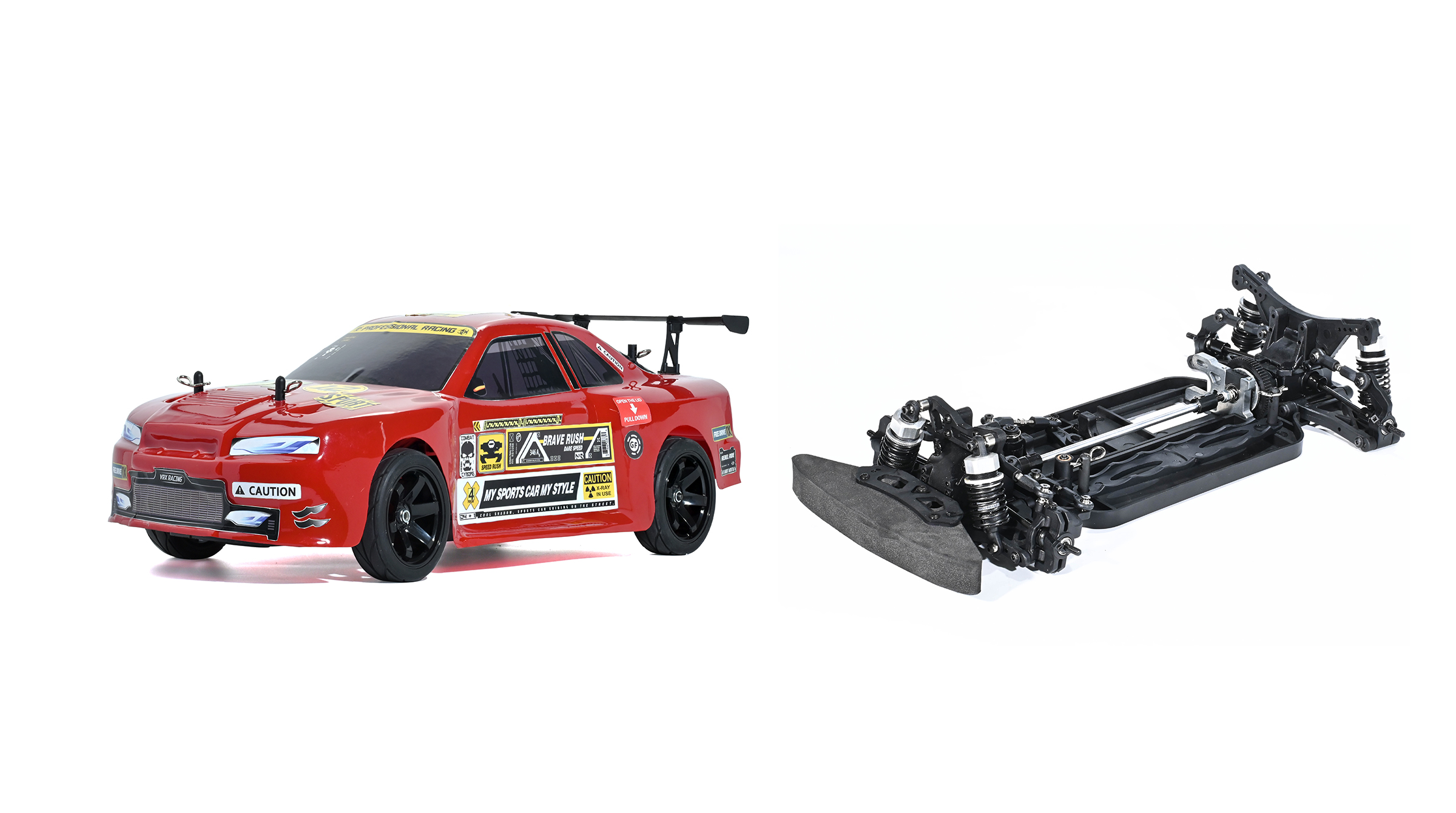
The RTR segment is not static; it continues to evolve through technology integration and market diversification.
Future RTR models are increasingly incorporating:
App-based tuning interfaces
Real-time telemetry dashboards
Firmware updates for performance optimization
Driving mode presets for beginners and experts
This moves RTR closer to a “connected device” category rather than a traditional hobby product.
Manufacturers are also exploring:
Custom color schemes at point of order
Modular chassis configurations
Brand co-branded RTR editions
Region-specific tuning profiles
This hybridization of mass production and customization is reshaping supply chain strategies.
RTR is expanding beyond traditional hobbyists into:
Teen and youth entertainment markets
Casual outdoor recreation users
Entry-level motorsport enthusiasts
This broadens total addressable market significantly.
The dominance of RTR has several clear implications for B2B RC manufacturers:
Product development should prioritize RTR-first architecture
Supply chains must support high-volume assembly and fast distribution
Ecosystem thinking (parts + upgrades + support) is essential
Branding and packaging are as important as technical performance
For companies like VRX-Racing, RTR is not just a product format—it is a market access strategy.
By aligning OEM/ODM capabilities with RTR-driven demand, manufacturers can serve both global brands and regional distributors seeking fast market entry.