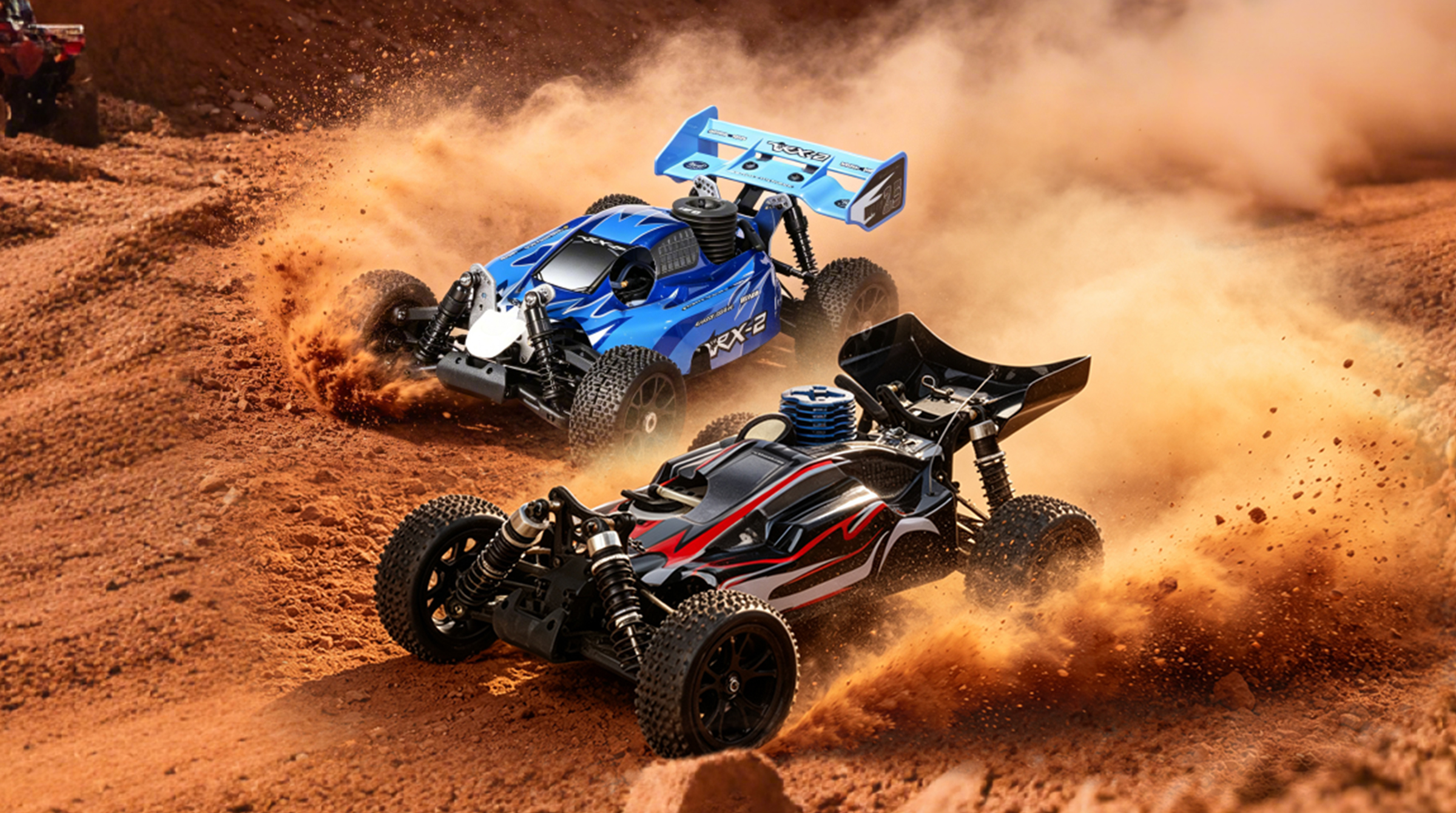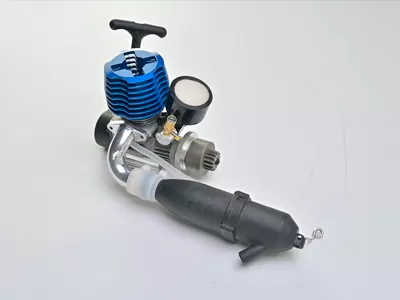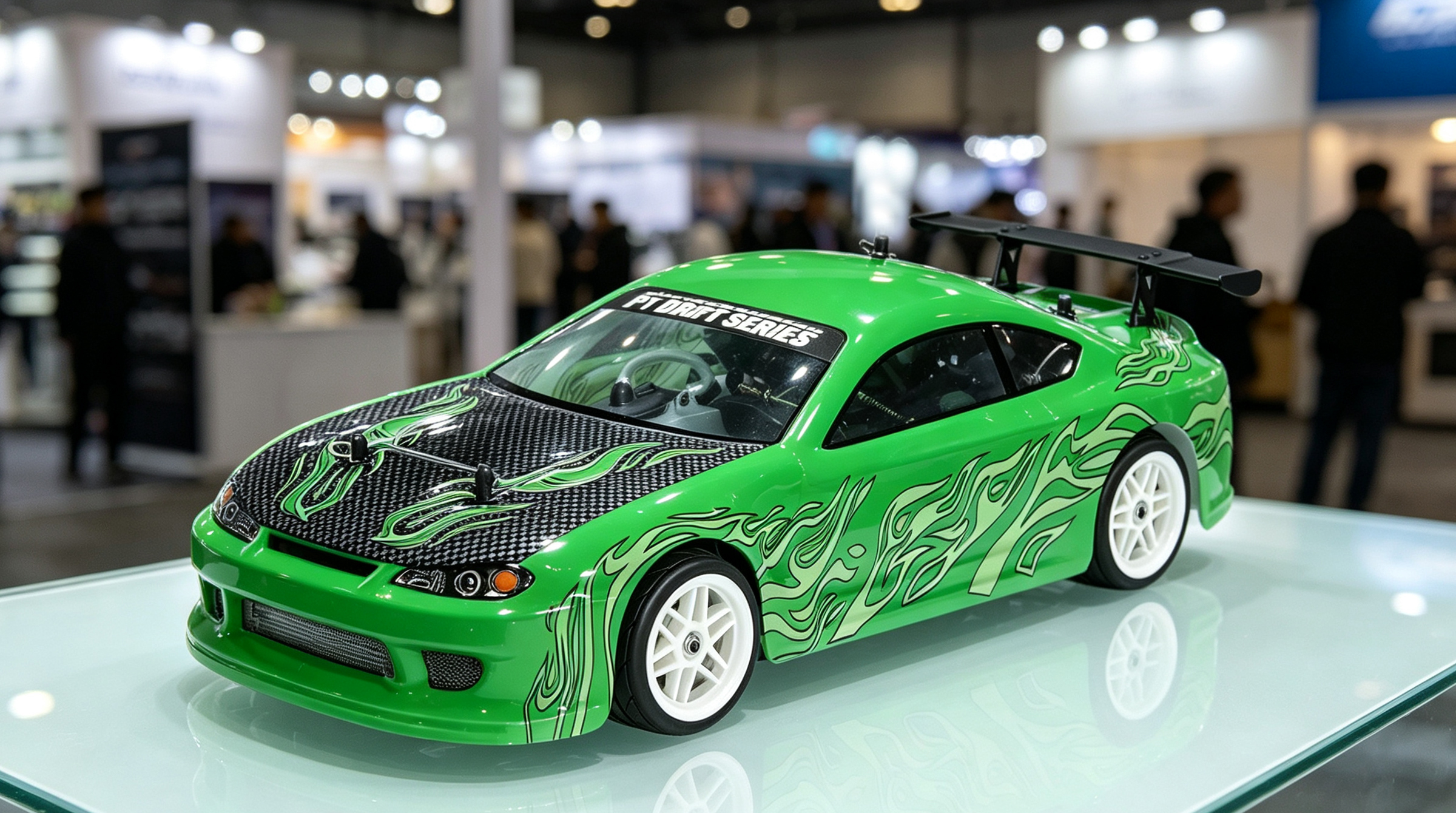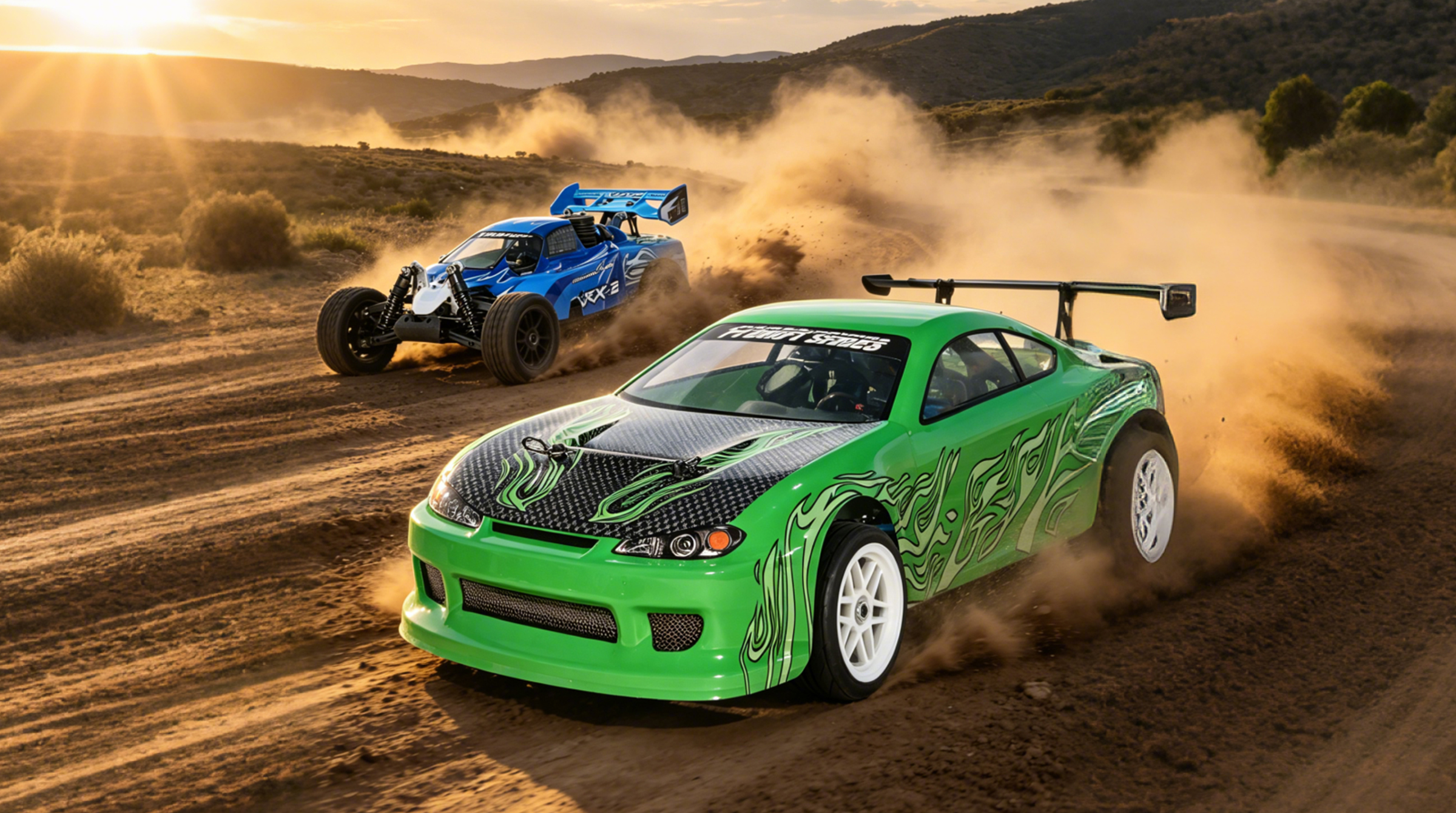
The global RC (remote control) car industry is entering a structurally mature but innovation-driven phase. Across both hobby-grade and toy-grade segments, growth is no longer purely volume-led; it is increasingly shaped by electronics integration, premiumization, distribution digitization, and IP-led design differentiation.
For manufacturers like VRX-Racing, these shifts are particularly relevant because they directly influence product positioning, margin structure, and channel strategy across global B2B and retail ecosystems.
The RC car market is forecasted to maintain steady mid-single-digit growth through the next decade, with strong divergence between subsegments.
Recent industry projections indicate:
CAGR estimates cluster around 5.5%–6.3% for core RC racing and on-road segments
Broader RC toy ecosystems show higher growth in some analyses, reaching 7%–14% CAGR in electronics-enhanced toy segments
The on-road RC segment is particularly important for performance brands:
Estimated USD ~2.0B+ market size in 2026
Projected USD ~2.8B by 2032
This stability signals a mature but resilient category—ideal for brands focusing on performance differentiation rather than mass commoditization.
For OEMs and B2B suppliers, growth is no longer driven by “more cars,” but by:
Higher ASP (average selling price) expansion
Feature-driven upgrades
Regional channel optimization (especially North America & EU)
Repeat hobbyist purchasing cycles
One of the most important structural shifts in 2026 is premiumization—the migration of demand toward higher-priced, performance-oriented RC systems.
Across hobby markets:
Products above USD 300 increasingly dominate high-visibility listings and sales rankings
Advanced RTR (Ready-to-Run) models now include brushless systems, LiPo compatibility, and reinforced chassis systems
Enthusiasts are upgrading faster, often owning multiple vehicles per user lifecycle
Industry commentary consistently shows that modern mid-range RC vehicles now deliver performance that previously required kit builds or aftermarket upgrades, compressing the value gap between entry and enthusiast tiers.
Brushless motor standardization
(here click for Brushless Electric RC Cars )
Durable composite/aluminum chassis adoption
Modular upgrade ecosystems
Racing-oriented geometry (drift, on-road, rally specialization)
For performance-focused manufacturers such as VRX-Racing, premiumization creates a clear positioning window:
Mid-tier “value performance” segmentation
Expansion of pro-level RTR kits
Increased importance of aftermarket parts ecosystem
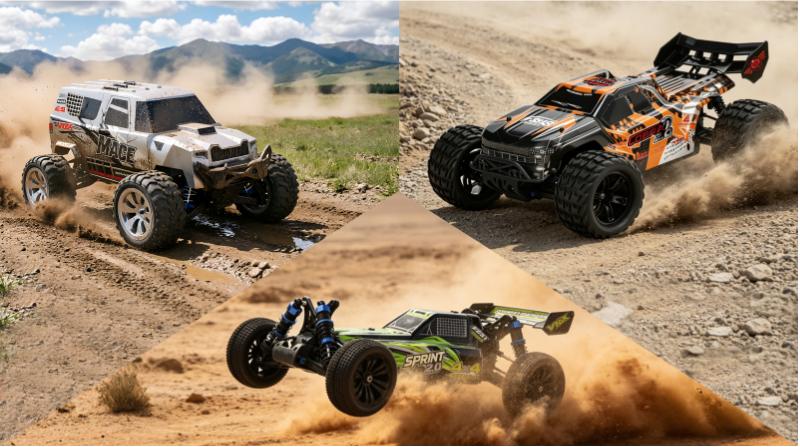
RC cars are increasingly converging with consumer electronics behavior models. The product is no longer just mechanical—it is becoming a software-assisted mobility platform.
Modern RC systems increasingly integrate:
Smartphone-based tuning interfaces
ESC calibration via apps
Drive-mode switching (training / race / drift modes)
Firmware updates for performance optimization
Advanced hobby-grade systems now incorporate:
Battery voltage monitoring
Motor temperature tracking
Speed and throttle curve analytics
Optional GPS-based performance logging
This mirrors trends seen in drones and e-scooters, where data visibility becomes part of the user experience.
Connectivity features now influence purchase decisions as much as mechanical specs:
Beginners value simplified setup flows
Enthusiasts value tunability and data feedback
Racers value precision control systems
This effectively shifts RC cars closer to a “smart device ecosystem” rather than traditional mechanical toys.
In 2026, visual identity and IP licensing are no longer secondary—they are core conversion drivers.
Licensed designs (e.g., NASCAR, rally, touring car replicas) provide:
Immediate brand recognition
Emotional purchase justification
Collectability and display value
A notable trend is that licensed performance bodies are increasingly used to bridge hobby racing and mainstream motorsport fandom.
Consumers are increasingly sensitive to:
Aerodynamic accuracy
Authentic racing proportions
Detailed paint and decal systems
Track-aligned geometry (especially on-road platforms)
Brands that combine performance + realism tend to outperform purely utilitarian designs.
For companies like VRX-Racing, this means design language is now as critical as drivetrain engineering in influencing B2B and retail demand.
Distribution structure is undergoing a major rebalancing, shaped by e-commerce dominance and community-driven purchasing behavior.
Platforms such as Amazon, AliExpress, and eBay introduce:
Extreme price comparability
Faster product turnover cycles
Increased copycat competition pressure
Reduced brand control over presentation
This favors manufacturers with strong direct-to-consumer storytelling and recognizable brand equity.
Despite digital dominance, specialty RC retailers remain critical for:
High-end product education
After-sales support and parts supply
Community-based trust building
Racing event ecosystems
For manufacturers and OEMs, channel complexity now requires:
Dual-track pricing strategy (online vs specialty)
Regional distributor optimization
Stronger spare parts logistics network
Faster SKU refresh cycles
The most resilient RC brands are those that:
Maintain strong hobby retail relationships
While simultaneously scaling online marketplace visibility
Across all five trend vectors, one conclusion is consistent: RC cars are evolving from mechanical hobby products into hybrid systems combining mechanical engineering, consumer electronics, and digital experience design.
For manufacturers like VRX-Racing, the strategic implications are clear:
Compete on system-level performance, not just chassis specs
Treat connectivity as a standard feature layer, not premium add-on
Build stronger alignment between visual realism and engineering performance
Optimize channel strategy for dual-market visibility (hobby + online retail)
The 2026 RC car market is not defined by explosive expansion, but by deep structural refinement. Winners in the next cycle will be those that successfully integrate:
Electronics-grade intelligence
Motorsport-inspired realism
Premium performance architecture
Multi-channel distribution control
In this environment, brands that combine engineering credibility with strong product identity—such as VRX-Racing—are positioned to capture disproportionate value growth as the industry continues its transition into a technology-driven hobby ecosystem.