In 2026, the age-old debate between Nitro vs Electric RC Cars is more relevant than ever. With brushless motors pushing electric cars to blistering new speeds and nitro engines delivering that unmistakable raw power and sensory thrill, choosing the right platform has never been more exciting — or more confusing.
Whether you're a complete beginner looking for instant fun, a weekend basher who wants non-stop action, or a serious racer chasing every tenth of a second, the decision between nitro and electric will dramatically shape your RC experience. From performance and maintenance to cost, runtime, and that hard-to-describe "fun factor," each power source offers its own unique strengths.
At VRX Racing, we build high-performance cars in both categories and have helped thousands of enthusiasts find their perfect match. In this comprehensive guide, we'll break down every key difference with real-world insights, honest pros and cons, and clear recommendations tailored to different driving styles and budgets. By the end, you'll know exactly which type of RC car belongs in your garage.
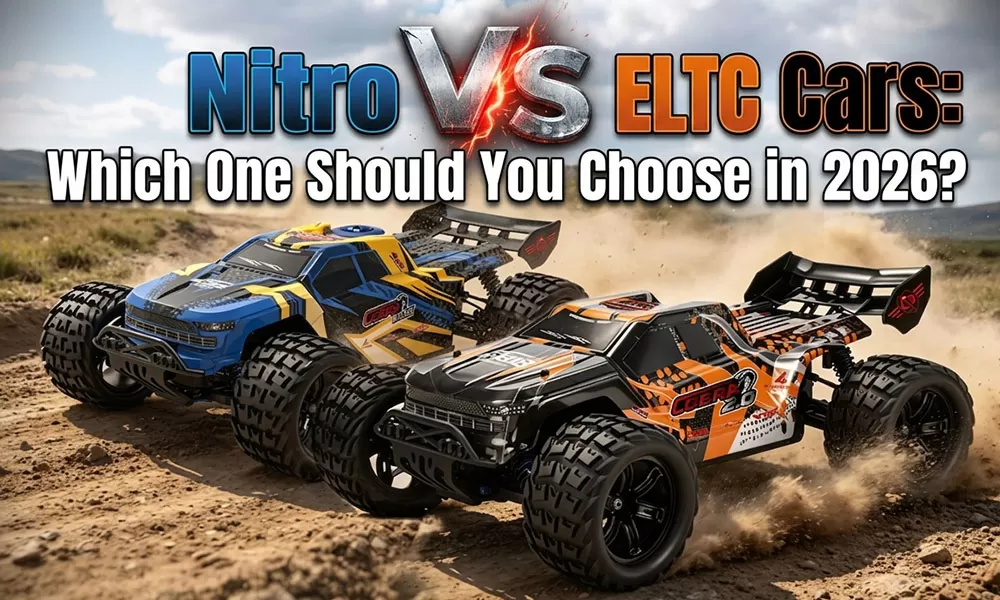
Need a fast decision? This table captures the essential differences based on real 2026 models and user feedback.
Feature | Nitro RC Cars | Electric RC Cars |
Top Speed | 50–75+ mph with proper tuning | 60–100+ mph with brushless systems |
Acceleration | Progressive power curve, builds like a real engine | Instant torque – explosive off the line |
Runtime | 10–20 minutes per tank + 30-second refill | 10–30 minutes per battery (depends on pack size) |
Maintenance | Regular tuning, cleaning, glow plugs, after-run oil | Minimal – clean dirt and check connections |
Noise Level | 85–95 dB (loud, exciting engine roar) | 40–60 dB (very quiet) |
Beginner Friendly | Moderate – requires learning curve | Very high – plug-and-play |
Driving Experience | Raw, mechanical, emotional, sensory-rich | Clean, precise, consistent, aggressive |
In a word, lectric is easier, faster to get going, and lower maintenance. Nitro is more immersive, rewarding for tinkerers, and gives that unmistakable real-engine thrill.
Nitro RC cars are powered by a small two-stroke internal combustion engine that burns a special nitro fuel blend consisting primarily of methanol, nitromethane, and oil. Ignition happens via a glow plug, while a carburetor precisely meters the fuel-air mixture. Power is transferred through a centrifugal clutch to the drivetrain, much like a miniature version of a full-size racing engine.
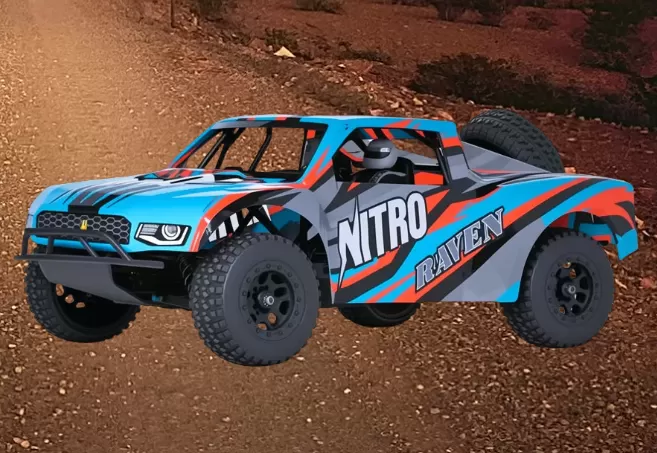
What makes nitro truly special is the sensory experience. You get the high-pitched engine scream that changes pitch with RPM, the sweet smell of exhaust, and tangible vibration feedback through the transmitter. Many enthusiasts describe it as "alive" — the engine has a personality that shifts with temperature, altitude, humidity, and how well you tune it.
At VRX Racing, our nitro lineup includes proven performers like the 1/8 scale RH801 nitro truck and RH802 buggy, both equipped with powerful SH .21 or .28 engines, robust aluminum components, and oil-filled shocks. These cars are designed for hobbyists who enjoy the full mechanical ritual: breaking in the engine, fine-tuning the carburetor, and feeling the car come alive on the track or in the backyard.
While nitro demands more attention than electric, that hands-on involvement is exactly why many long-time RC fans still prefer it. It turns driving into a complete hobby that includes tuning, maintenance, and genuine mechanical satisfaction.
Electric RC cars run on high-discharge LiPo batteries that power a brushless motor controlled by an Electronic Speed Controller (ESC). The ESC translates your throttle input into precise voltage delivery to the motor, resulting in near-instant response with virtually no lag.
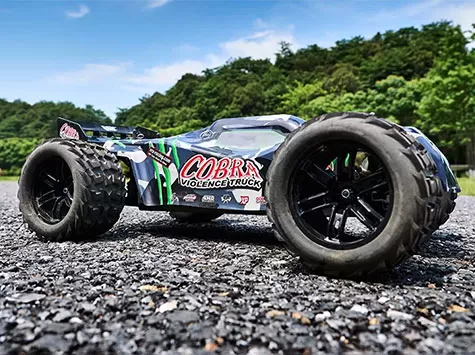
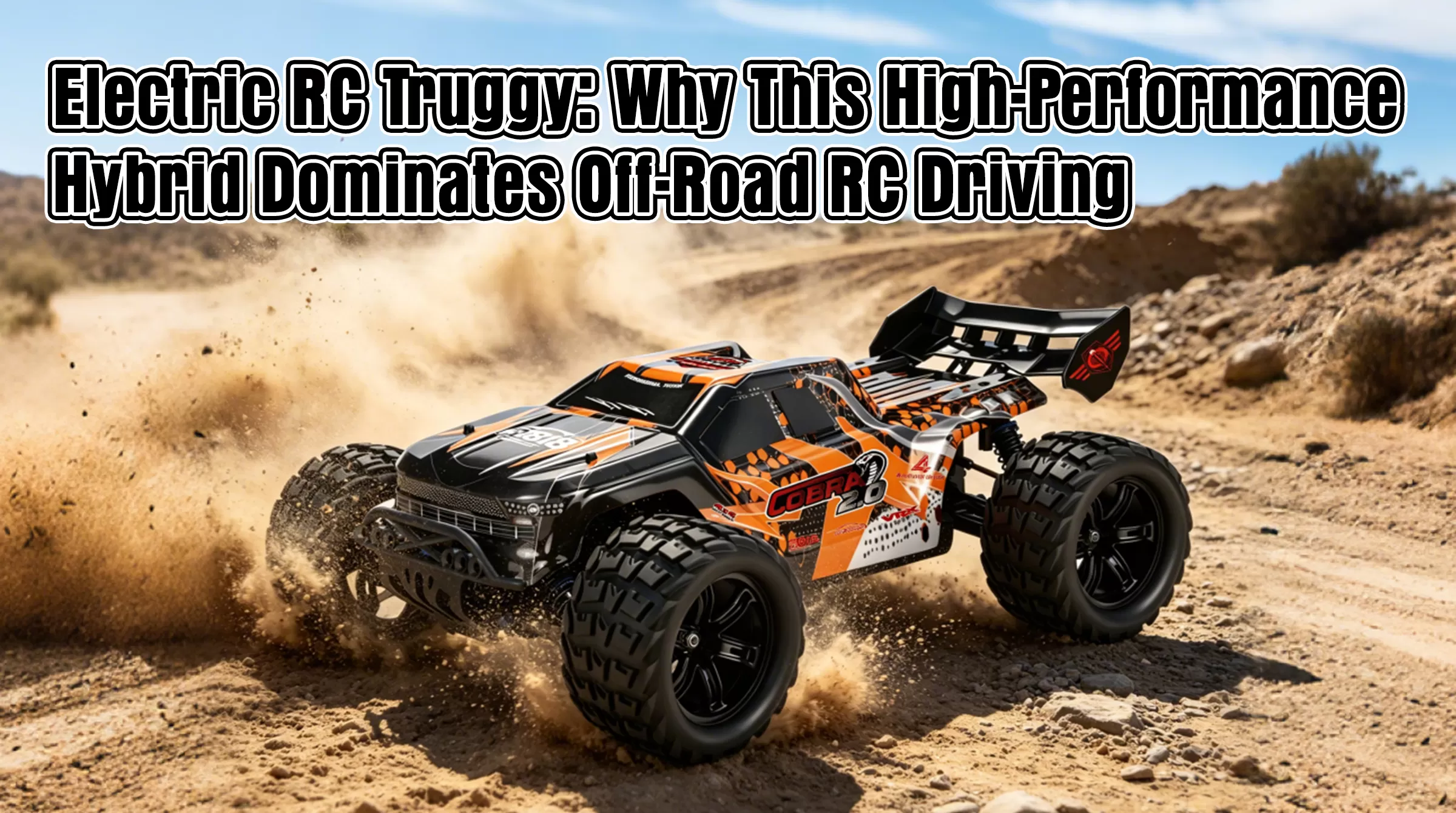
In 2026, brushless technology has matured dramatically. Modern systems deliver massive torque and efficiency, allowing even ready-to-run (RTR) models to reach impressive speeds straight out of the box. VRX Racing's electric range — including the BLAST 2.0 short course trucks and MEGREZ buggies — offers smooth, linear power delivery, durable construction, and excellent handling for both beginners and experienced drivers.
The biggest advantages are simplicity and cleanliness. No fuel mixing, no glow igniters, no exhaust residue. Just charge the battery, plug it in, and you're ready to drive within minutes. This plug-and-play nature makes electric the default choice for new hobbyists and anyone who wants maximum driving time with minimum hassle.
Related Reading: Electric RC Cars – Complete Beginner to Pro Guide
Electric RC cars involve multiple key systems such as batteries, ESCs, and brushless motors working together to deliver fast, responsive performance. If you want a deeper understanding of how all these components connect—from basic concepts to advanced setups—explore our complete guide: Electric RC Cars: The Ultimate Guide for Beginners & Enthusiasts
2026 has seen brushless electric RC cars close the gap and often surpass nitro in outright top speed. Many modified electric setups now easily exceed 80–100 mph on prepared surfaces, while a well-tuned nitro car typically runs in the 55–75 mph range. Electric holds the clear advantage for pure velocity, especially in straight-line runs.
Electric cars deliver instant torque the moment you touch the trigger. This explosive acceleration is devastating on technical tracks where quick exits from corners matter most — you can literally leave a nitro car behind in short sprints. Nitro power builds more gradually, similar to a real gasoline engine, giving a progressive pull that feels natural on long straights and flowing courses.
Electric driving is clinical and brutally effective: consistent power delivery run after run, precise control, and aggressive response. Nitro driving feels far more emotional and engaging. The engine note rises and falls, the clutch engages with a noticeable surge, and you develop a real connection with the machine. Many drivers say nitro makes them better because they must anticipate the powerband and work with the engine rather than just hammering the throttle.
Bottom line: Choose electric for raw speed and consistency; choose nitro for a more involving, soulful driving experience that rewards skill and patience.
Runtime is one of the most practical differences between the two platforms.
Electric RC cars: A quality 5000–8000mAh LiPo battery typically provides 12–30 minutes of running time depending on driving aggression and terrain. To extend sessions you need multiple battery packs and a good fast charger. Waiting for batteries to charge can interrupt the fun, though high-capacity packs and quick chargers have improved this significantly in 2026.
Nitro RC cars: A single tank usually lasts 10–18 minutes, but refilling takes only 20–30 seconds. This means you can keep running for hours as long as you have fuel on hand. For all-day bashing or long practice sessions, nitro’s quick-refuel advantage is hard to beat.
If you hate stopping to swap or charge batteries, nitro gives you that continuous running freedom that many enthusiasts love.
Maintenance requirements often determine whether someone stays in the hobby long-term.
Electric off road RC cars are famously low-maintenance. After each run you simply brush or wash off dirt, inspect bearings and wiring, and store LiPo batteries at the correct voltage. Most owners spend less than 15–30 minutes per month on upkeep. The few moving parts mean fewer things to break or wear out.
Nitro RC cars require more regular attention: cleaning the air filter after dusty runs, replacing glow plugs when they wear out, applying after-run oil to protect the engine from corrosion, and adjusting the carburetor for changing weather conditions. While this sounds like work, for many hobbyists it becomes an enjoyable part of the experience — the satisfaction of getting the engine "singing" perfectly is addictive.
At VRX Racing, we design both our nitro and electric platforms with real-world durability in mind, making even our nitro models more reliable and user-friendly than older generations while preserving that classic hands-on appeal.
Understanding the true cost picture helps avoid surprises.
Initial investment: Electric RTR kits often include everything you need (sometimes even a battery and charger), making the starting price competitive. Nitro kits usually require extra items like a glow igniter, fuel bottle, and starter fuel, which can push the all-in cost a bit higher.
Ongoing costs: Nitro involves regular purchases of fuel and glow plugs, plus occasional parts like air filters or clutch components. Electric’s main expense is eventually replacing LiPo batteries (typically every 1–2 years with heavy use) and the occasional motor or ESC.
Long-term (3+ years): Electric generally comes out cheaper overall due to dramatically lower consumables and maintenance expenses. However, if you factor in the enjoyment and deeper engagement that nitro provides, many owners feel the extra cost is completely justified.
The learning curve is one of the biggest factors for new hobbyists.
Electric RC cars are beginner-friendly. You can open the box, charge the battery, and be driving confidently within minutes. There's almost no technical knowledge required upfront, letting you focus entirely on improving your driving skills.
Nitro RC cars have a noticeably steeper learning curve. You’ll need to learn proper engine breaking-in procedures, how to start the engine reliably, basic carburetor tuning, and post-run maintenance routines. The initial frustration is real for some, but the reward is substantial — once you master it, you gain genuine mechanical understanding and a much deeper appreciation for the hobby.
Our advice: If you're just starting out or want immediate fun, begin with electric. If you already have some RC experience or love tinkering with engines, nitro will give you far greater long-term satisfaction.
Your intended use case heavily influences the best choice.
Competitive Racing: Electric has become the dominant choice in most modern racing classes thanks to its lap-after-lap consistency, quick preparation between heats, precise power control, and immunity to weather changes. Nitro RC car racing still thrives in dedicated nitro classes where skilled tuners can gain an edge through engine setup and the audible cues from the engine help with track awareness.
Casual Bashing & Recreational Driving: Electric cars are tough, durable, and easy to run almost anywhere without disturbing neighbors. Nitro excels when you want long, uninterrupted sessions and that immersive sensory experience that makes bashing feel more like real racing.
Where and when you plan to run your car matters a lot.
Electric RC cars are virtually silent and produce zero emissions, making them perfect for residential neighborhoods, public parks, indoor facilities, and noise-sensitive environments. You can drive early in the morning or late in the evening without complaints.
Nitro RC cars are loud and produce exhaust, so they are best suited for dedicated RC tracks, open fields, or rural areas. The distinctive engine sound that enthusiasts love can quickly become an issue in tight neighborhoods or shared spaces.
If noise or environmental restrictions are a concern for you, electric is the obvious winner.
Nitro RC Cars – Pros | Electric RC Cars – Pros | |
Pros | Authentic engine sound, smell, and vibration that create an immersive experience | Instant torque and impressive top speeds |
Quick 30-second refueling for non-stop running sessions | Extremely low maintenance requirements | |
Progressive power delivery that feels like driving a real car | Quiet, clean, and emission-free operation | |
Deep mechanical connection and the joy of tuning | Highly consistent performance run after run | |
Excellent for extended bashing without battery anxiety | Beginner-friendly and usable in more locations | |
That classic racing vibe many traditional hobbyists still prefer | More time driving, less time wrenching | |
Cons | Requires regular maintenance and tuning | Limited runtime per battery charge |
Loud operation limits running locations | Need to manage and charge multiple packs for long sessions | |
Ongoing fuel and glow plug costs | Less “soul” and sensory feedback compared to nitro | |
Steeper learning curve for beginners | Higher upfront cost for quality batteries and chargers | |
More sensitive to weather and temperature changes | Batteries add noticeable weight |
For absolute beginners and casual drivers: Start with an electric RC car from VRX Racing. You'll enjoy immediate fun, build driving skills quickly, and avoid early frustration with maintenance.
For serious hobbyists and mechanical enthusiasts: Choose nitro. The tuning process, engine sound, and hands-on experience create a richer, more rewarding long-term hobby that many describe as addictive.
For competitive racers or performance-focused users: Electric is usually the smarter choice in 2026 for consistency and ease, but dedicated nitro classes still offer great competition if you love tuning.
Whichever direction you go, VRX Racing has you covered with high-quality, durable options in both categories.
1. Are nitro RC cars harder to maintain than electric?
Yes. Nitro requires regular tuning, air filter cleaning, glow plug changes, and after-run oil application, while electric maintenance is mostly just cleaning and basic checks.
2. How long does a tank of nitro fuel last in an RC car?
Typically 10–18 minutes depending on engine size, driving style, and tuning. Refueling is quick, allowing for extended sessions.
3. Are electric RC cars better for beginners?
Yes — their plug-and-play nature makes them far more suitable for newcomers who want to focus on driving rather than maintenance.
4. Which RC car feels more realistic?
Nitro — the engine sound, exhaust smell, vibration, and progressive power delivery create a much more authentic miniature racing experience.
5. Which is cheaper to own in the long run?
Electric usually wins on total cost of ownership thanks to lower consumables and minimal maintenance, though nitro owners often feel the extra enjoyment is worth the difference.
The choice between nitro and electric RC cars in 2026 ultimately comes down to what kind of experience you want from the hobby.
Electric delivers convenience, explosive performance, consistency, low maintenance, and the freedom to drive almost anywhere. It’s the practical, modern choice that gets you out driving faster and keeps you driving longer with less effort.
Nitro offers something deeper — raw mechanical soul, sensory immersion, tuning satisfaction, and that unmistakable connection to a living, breathing miniature engine. For many dedicated enthusiasts, nothing else quite matches it.
There is no single "better" option. The best RC car is the one that matches your personality, available time, running environment, and what excites you most when you pick up the transmitter.
At VRX Racing we build excellent cars in both categories because we believe every driver deserves the right tool for their style. Whichever path you choose, we're here to support your RC journey with quality vehicles, parts, and genuine passion for the hobby.
Ready to decide? Explore our full range today and start creating unforgettable RC memories.