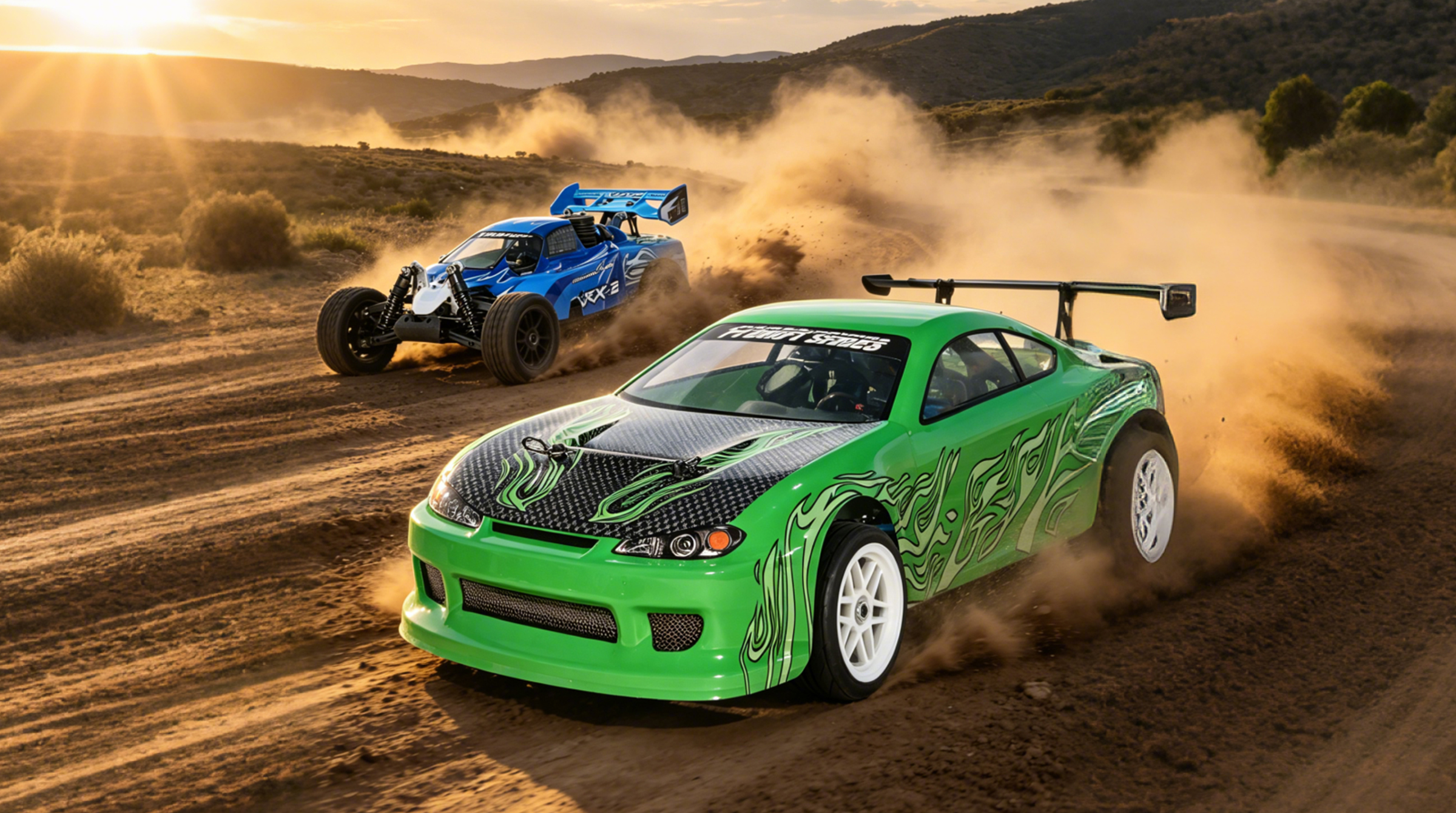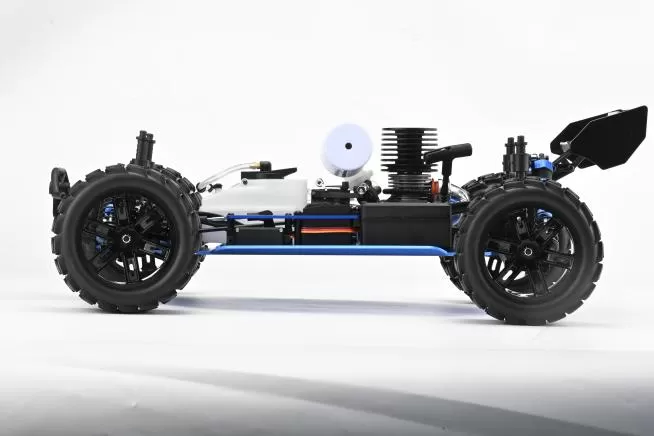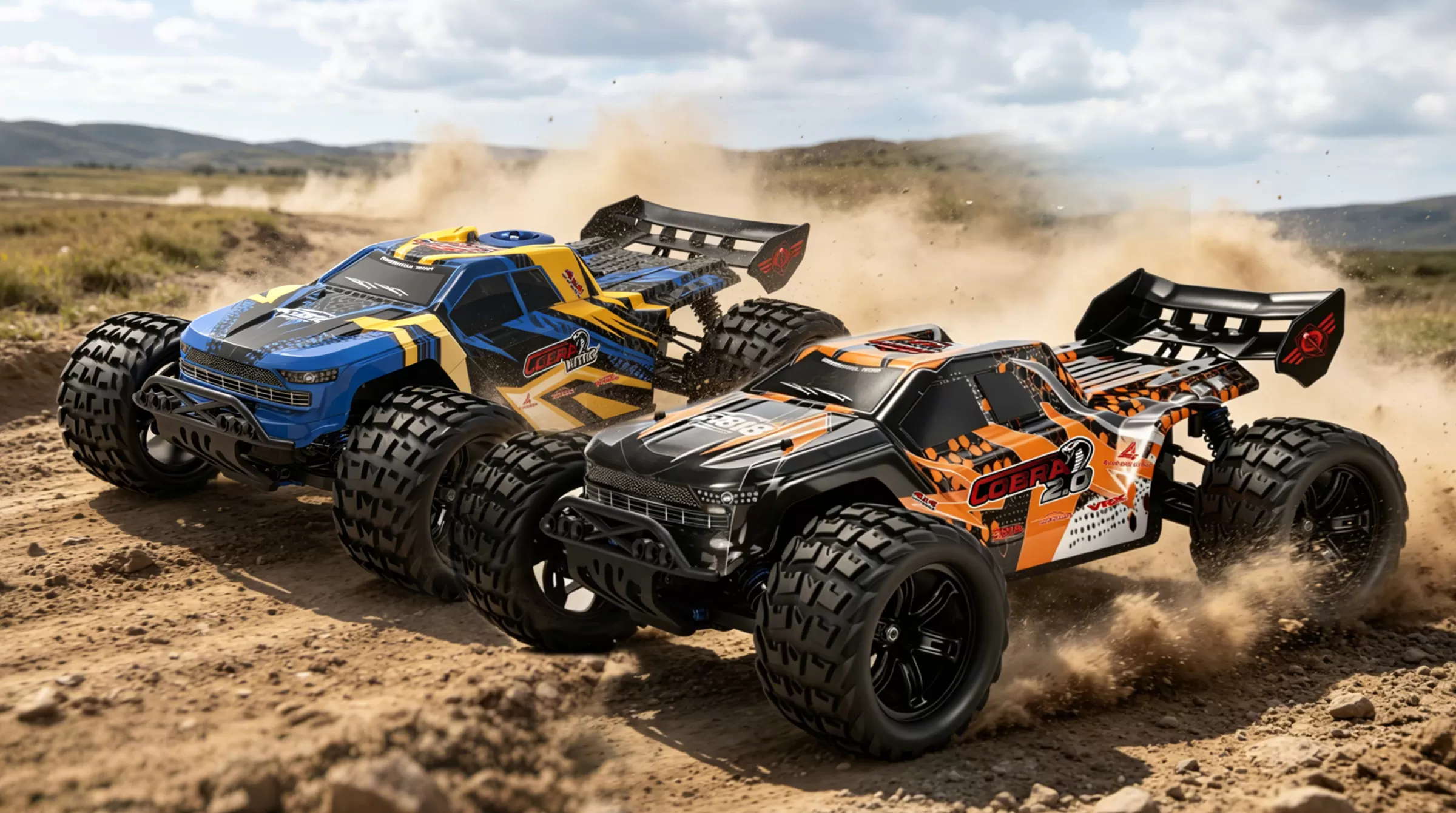
Electric RC cars have become the most popular and accessible choice in the RC hobby. With powerful brushless motors, high-energy LiPo batteries, and advanced chassis designs, they deliver instant fun, impressive performance, and excellent long-term value. Whether you're a complete beginner looking for your first ready-to-run model, a passionate hobbyist seeking speed and customization, or a distributor searching for reliable, high-quality products with strong parts support, this comprehensive guide covers everything you need to know. At VRX Racing, we design and manufacture electric RC cars that combine outstanding performance with real-world durability, making them ideal for both personal enjoyment and professional distribution.
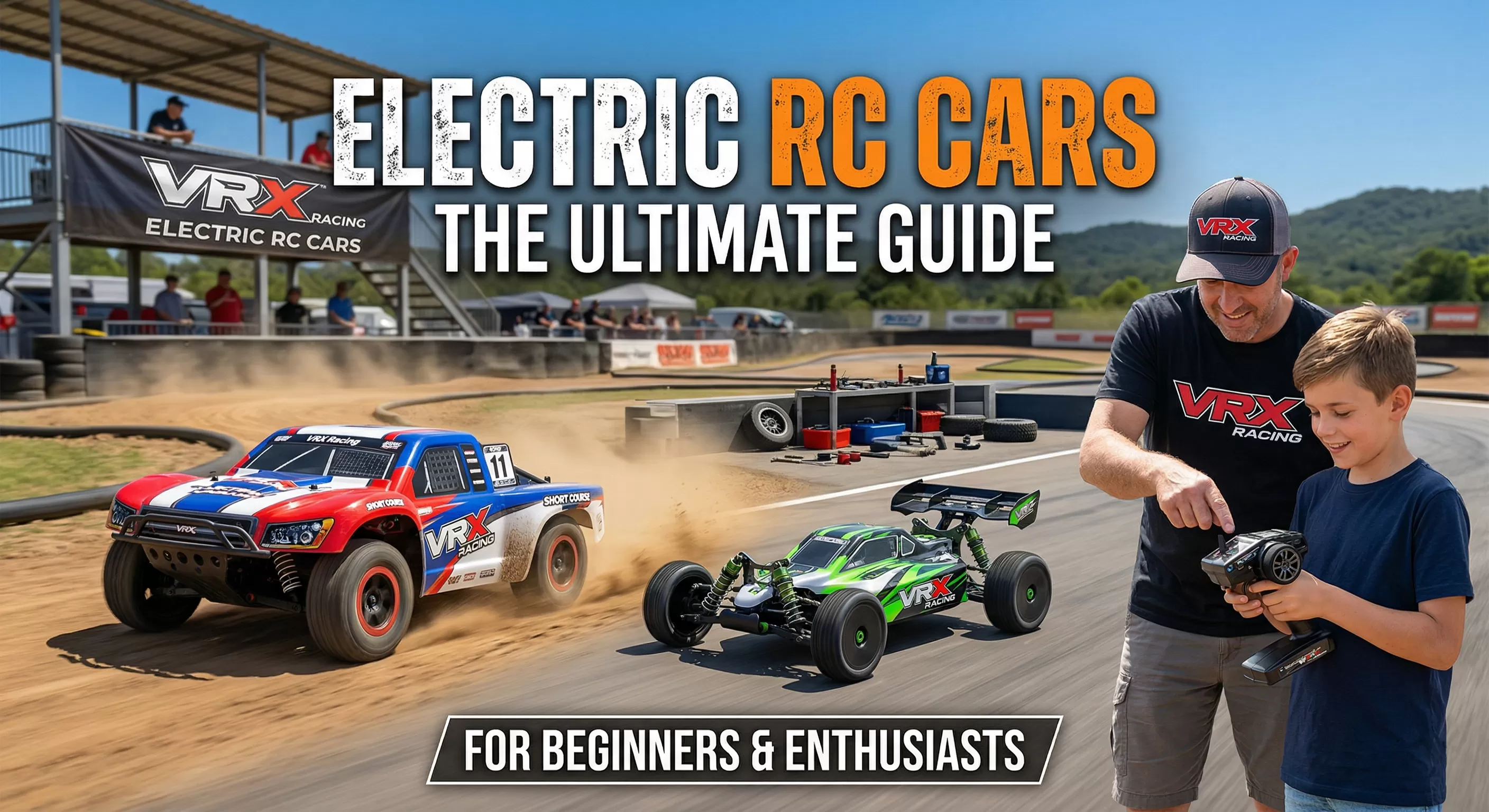
Electric RC cars are radio-controlled vehicles powered by rechargeable batteries and electric motors rather than fuel engines. Unlike inexpensive toy-grade cars that often break after minimal use, hobby-grade electric RC cars are precision-engineered with durable materials, advanced electronics, and thoughtful design that allows them to deliver realistic handling, high speed, and long-lasting reliability.
They appeal to a broad audience — from teenagers and adults discovering the thrill of RC for the first time to experienced racers pushing the limits of performance, and even international distributors who need dependable, scalable product lines. The biggest advantages of electric power are instant throttle response, quiet operation, zero emissions, and virtually unlimited customization potential. At VRX Racing, every electric model is built with a focus on performance, durability, and scalability, whether you're buying one car for weekend fun or stocking hundreds for global markets.
The operation of an electric RC car follows a clean and efficient power chain. You control the car using a handheld transmitter. When you move the steering wheel or pull the throttle trigger, a 2.4 GHz radio signal is sent to the receiver inside the vehicle. The receiver instantly processes the command and sends signals to two main components: the steering servo and the Electronic Speed Controller (ESC).
The ESC acts as the intelligent power manager. It draws energy from the battery and precisely controls how much voltage reaches the motor, allowing smooth acceleration, braking, and reverse. The motor then converts electrical energy into mechanical rotation that drives the gearbox, differentials, and wheels. This entire process happens in fractions of a second, giving you precise, responsive control that feels natural and exciting.
Modern VRX Racing models use high-quality 2.4 GHz systems that are interference-resistant and allow multiple cars to run together without issues.
Related Reading: How Electric RC Cars Work in Detail
If you're curious about the full working mechanism of electric RC cars—including transmitters, ESCs, motors, and drivetrain systems—read our in-depth guide: How Do Electric RC Cars Work?
Electric RC cars come in many different styles, each optimized for specific driving conditions, terrains, and preferences. Understanding the characteristics of each type will help you choose the model that best matches your driving style and goals.
Big tires, tall stance, and massive power make electric monster trucks the ultimate backyard bashers. They excel at jumping, flipping, and powering through rough, uneven terrain. Their rugged construction and high ground clearance make them extremely durable and fun for beginners and experienced drivers alike.
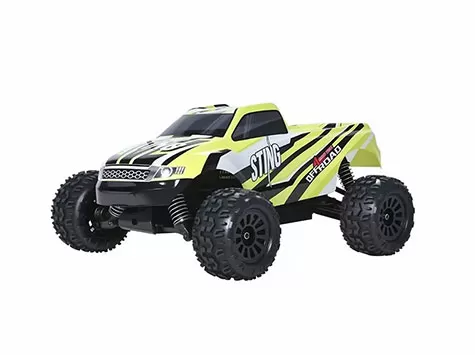
These scale replicas of real electric RC short course track trucks offer the perfect balance of toughness and speed. They perform well on mixed terrain and are popular for both casual bashing and organized races thanks to their realistic looks and versatile handling.
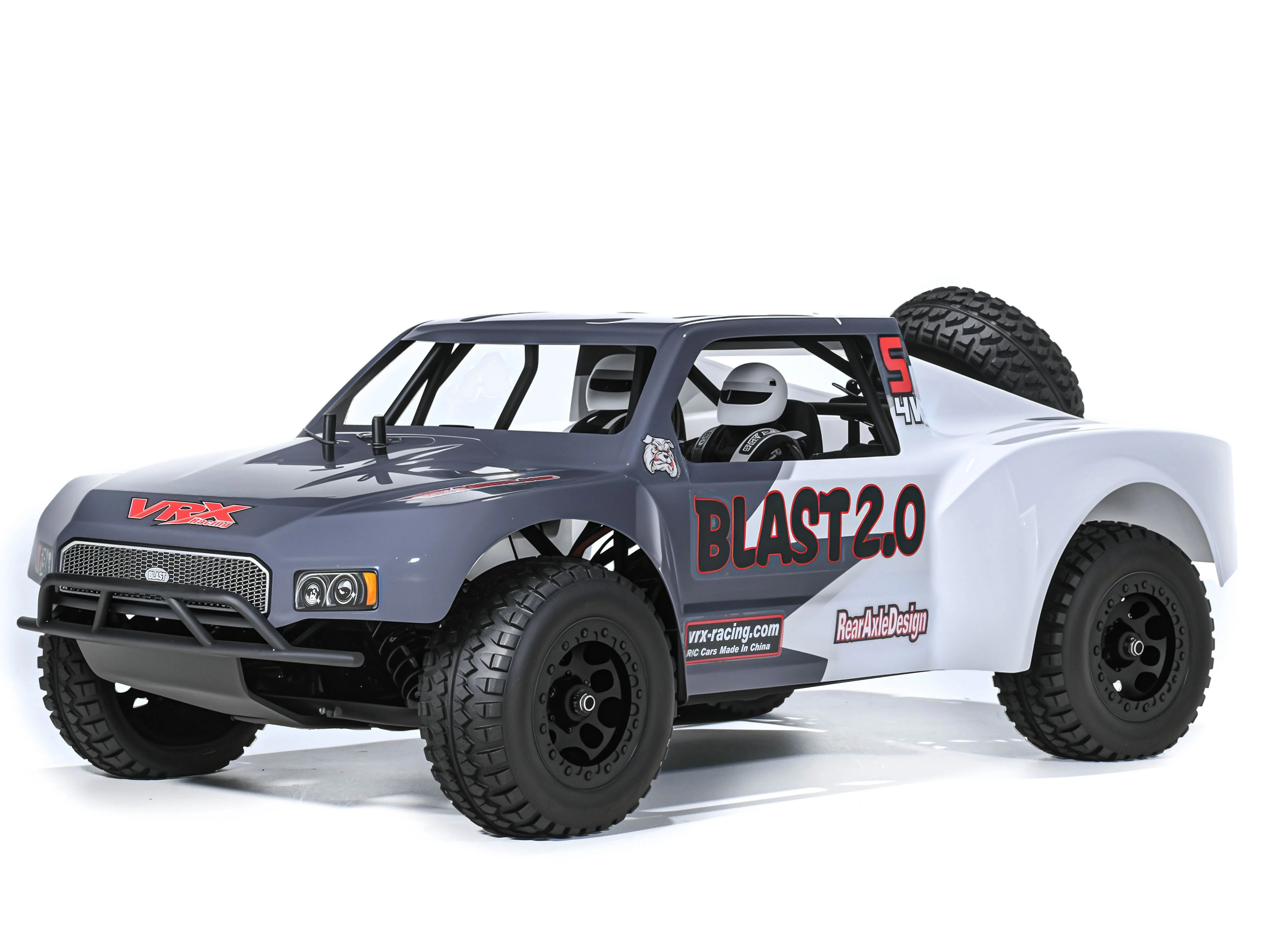
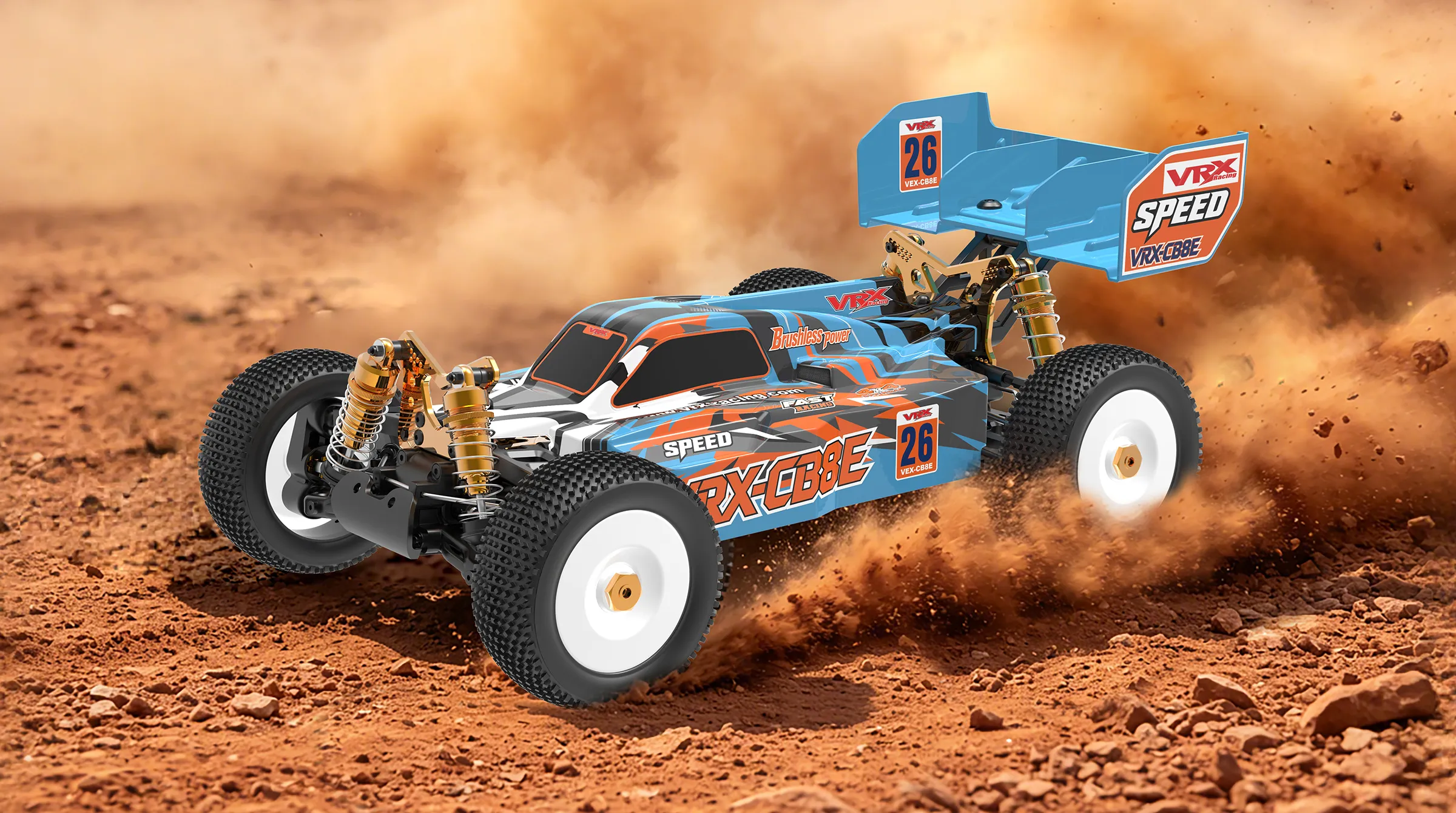
Lightweight and highly agile, RC E buggy remote control cars are designed for high-speed off-road racing. With excellent suspension travel and quick handling, they dominate dirt tracks and technical courses where cornering speed and responsiveness matter most.
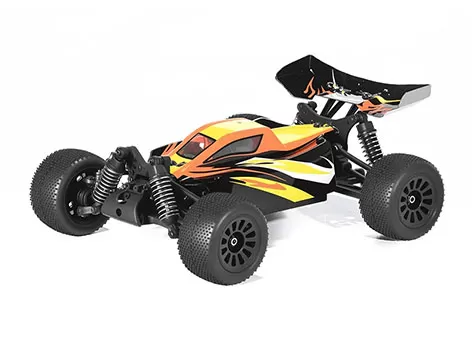
Built for slow, technical driving, electric RC crawlers feature ultra-low gearing, locked differentials, and extreme suspension articulation. They can climb steep rocks and navigate obstacles that would stop any other RC car, making them ideal for scale realism and challenging terrain.
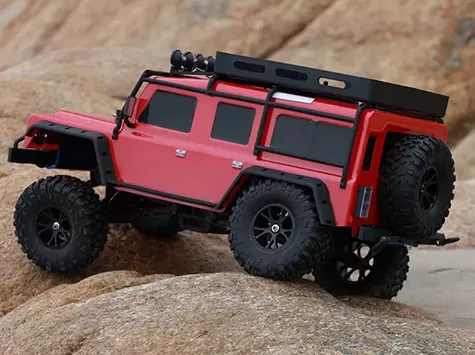
Specialized chassis geometry and tire compounds allow these cars to perform smooth, controlled slides on paved or carpet surfaces. Electric RC drift cars emphasize driving technique and style over raw speed, delivering an addictive and visually impressive experience.
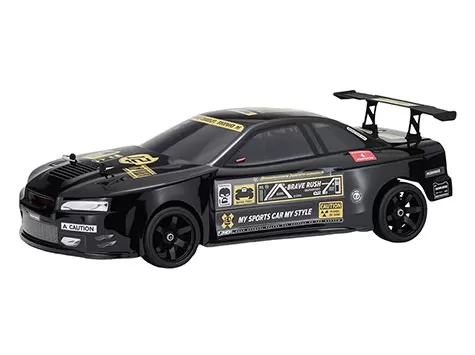
Low-profile, aerodynamic designs optimized for high-speed on-road racing. Touring cars offer razor-sharp steering precision and stability at top speeds, making them favorites for asphalt and carpet track competition.
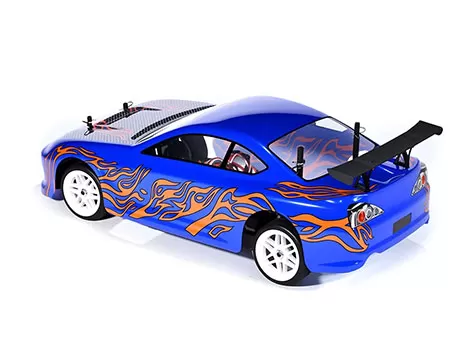
A popular hybrid that combines the big tires and ground clearance of a monster truck with the lightweight, high-performance chassis of a buggy. Electric truggy racing cars deliver excellent speed on rough terrain, strong jumping ability, and sharp cornering — the ideal “do-it-all” vehicle for versatile drivers who want both power and agility.
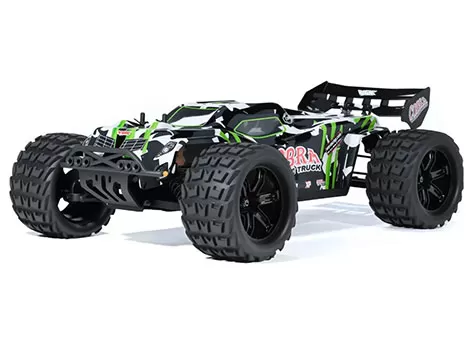
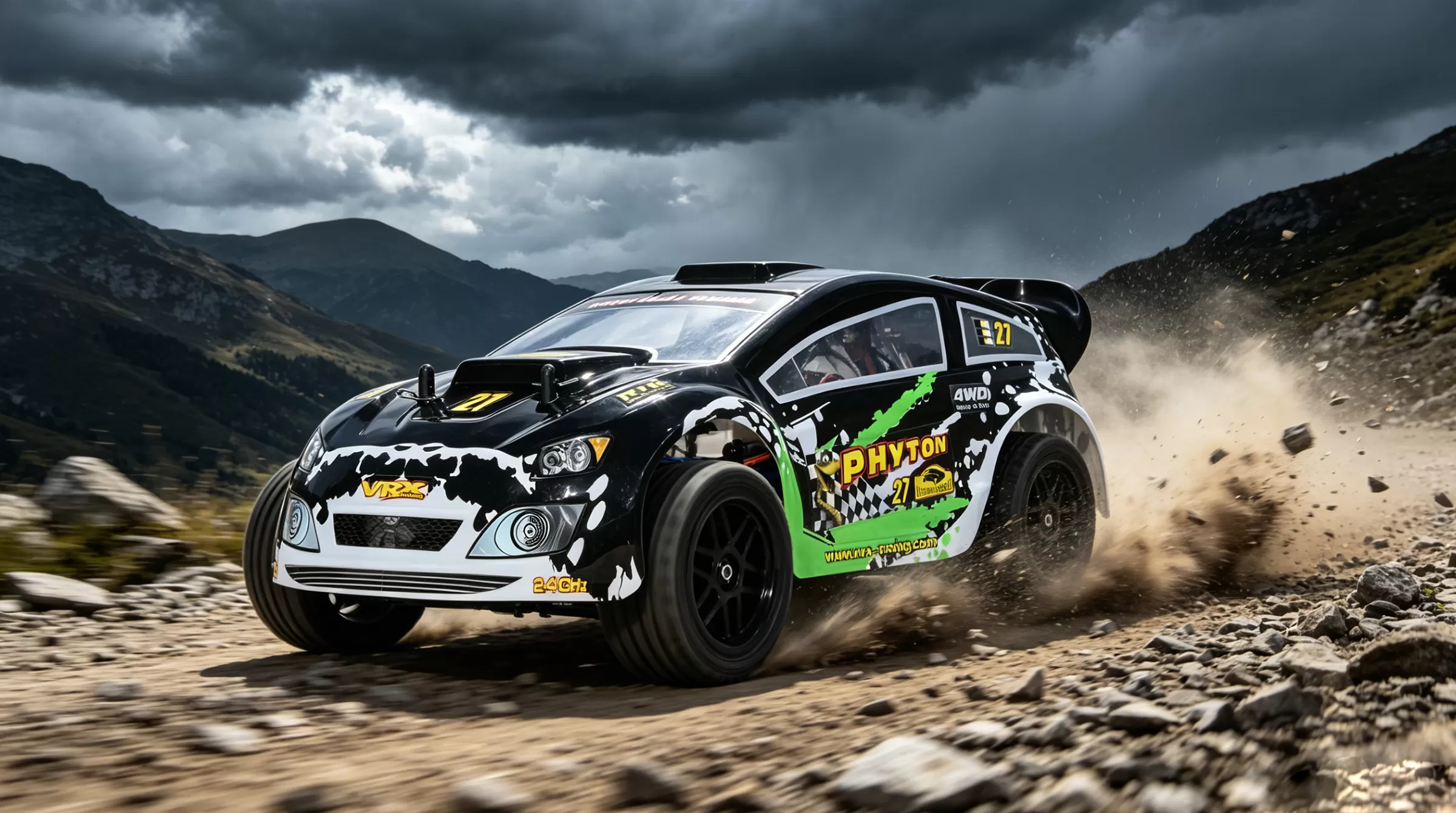
Inspired by real-world rally racing, these all-terrain machines feature long-travel suspension, powerful 4WD systems, and rally-style bodies. The electric RC rally car shines at high-speed runs across dirt, gravel, grass, and pavement, offering an exhilarating mix of speed, control, and all-surface capability that feels like driving a miniature rally champion.
Type | Best For | Terrain | Skill Level | Key Strength |
Monster Trucks | Bashing & jumping | Rough off-road | Beginner–Intermediate | Durability & big air |
Buggies | High-speed racing | Dirt tracks | Intermediate–Advanced | Agility |
Short Course Trucks | Versatile fun | Mixed | All levels | Scale realism |
Crawlers | Technical climbing | Rocks & obstacles | Intermediate–Advanced | Articulation |
Drift Cars | Styling & drifting | Paved / carpet | Intermediate | Technique |
Touring Cars | Speed & precision | Asphalt | Intermediate–Advanced | Handling |
Truggies | Versatile all-terrain | Rough + fast | Intermediate | Hybrid performance |
Rally Cars | High-speed rally runs | Dirt, gravel, mixed | Intermediate–Advanced | All-surface speed |
Related Reading to Discover All Types of Electric RC Cars
Learn how scale, motor type, and drivetrain affect performance and choose the right RC car for your needs: Types of Electric Hobby Cars: A Complete Guide by Scale, Style, Motor & Drive System
Looking for the right models for your lineup? Explore our Electric RC Cars collection to see available platforms, or connect with the VRX Racing team for expert guidance. We support partners with tailored product recommendations, flexible configurations, and reliable supply based on your market needs.
The RC car battery is the heart of any electric RC car, directly affecting runtime, power delivery, weight, and overall performance. In today's market, two main battery technologies are used: LiPo (Lithium Polymer) and NiMH (Nickel-Metal Hydride). Understanding the differences between them is crucial for making the right choice.
LiPo batteries have become the dominant choice for most enthusiasts and competitive drivers. They offer significantly higher energy density, meaning they pack more power into a lighter package. This results in stronger acceleration, higher top speeds, and better overall handling due to reduced vehicle weight. LiPo packs are available in different voltages (commonly 2S 7.4V, 3S 11.1V, and 4S 14.8V) and capacities ranging from 2000mAh to 8000mAh or more. The C-rating indicates how quickly the battery can safely discharge — higher C ratings (such as 50C or 100C) allow the battery to deliver massive bursts of current needed for aggressive driving and high-performance motors.
However, LiPo batteries require more careful handling. They must be charged with a dedicated balance charger, stored at approximately 3.8V per cell (storage mode), and never over-discharged below 3.0V–3.2V per cell. Proper care can give LiPo batteries hundreds of cycles with excellent performance retention.
NiMH batteries are simpler and more forgiving, making them a good option for absolute beginners or budget-conscious users. They are less sensitive to over-charging or incorrect storage and don't require special balance charging. However, they are noticeably heavier, deliver lower peak power, and have lower energy density, which means shorter run times and reduced overall performance compared to LiPo.
Battery Type | Pros | Cons | Best For |
LiPo | High power-to-weight ratio, excellent discharge rate, longer run times with high C-rating, lighter weight improves handling | Requires careful charging and storage, more expensive, sensitive to over-discharge | Performance driving, racing, enthusiasts |
NiMH | Safer and more forgiving, simpler charging, lower initial cost | Heavier, lower power output, shorter run times, possible memory effect | Budget builds, very young beginners |
Pro Tip from VRX Racing: Start with a good 2S or 3S LiPo and a reliable balance charger. As your skills improve, moving to higher voltage and capacity packs will give you a noticeable performance boost while our VRX models are designed to handle these upgrades safely and reliably.
Learn More About RC Car Batteries
Not sure which battery is right for your RC car? Discover everything from performance differences to safety best practices: Electric RC Cars Battery Guide: LiPo vs NiMH – Everything You Need to Know
The motor is what turns electrical energy into motion, and choosing the right type has a major impact on speed, efficiency, maintenance, and driving feel. There are two primary motor technologies used in electric RC cars: brushed and brushless.
Brushed motors are the traditional and simplest option. They use physical carbon brushes that make contact with a commutator to deliver electricity to the motor windings. This design is inexpensive, easy to understand, and perfectly adequate for beginners or casual backyard driving. However, the brushes gradually wear down over time, creating dust and requiring occasional replacement. Brushed motors also generate more heat and are less efficient, which limits top speed and runtime.
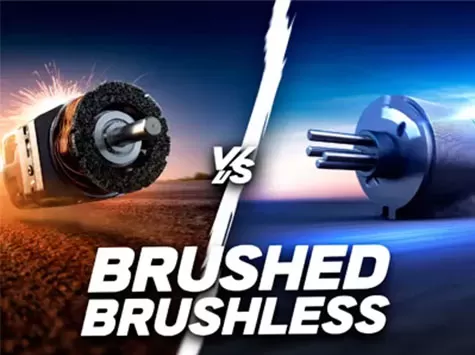
Brushless motors have largely replaced brushed motors in modern hobby-grade RC cars. Instead of physical brushes, they use electronic commutation (managed by the ESC) to control the motor windings. This results in significantly higher efficiency, more power output, smoother operation, and much longer lifespan with almost zero maintenance. Brushless motors run cooler, deliver stronger torque across a wider RPM range, and allow for higher top speeds. They do cost more initially and require a compatible brushless ESC, but the performance gains and reduced maintenance make them the clear choice for most drivers.
Brushless motors are further categorized by their KV rating (RPM per volt). Lower KV motors provide more torque and are better for crawling or heavy trucks, while higher KV motors deliver higher top speeds and are preferred for buggies, truggy, and on-road racing.
Motor Type | Speed & Power | Efficiency & Heat | Maintenance | Cost | Best For |
Brushed | Moderate speed and torque | Lower efficiency, runs hotter | Higher (brushes wear out and need replacement) | Lower | Entry-level, budget builds, beginners |
Brushless | High speed, strong torque across RPM range | High efficiency, runs much cooler | Very low — virtually maintenance-free | Higher | Enthusiasts, racing, long-term performance |
VRX Racing Recommendation: Most of our current electric lineup comes equipped with powerful brushless systems as standard. This gives you excellent out-of-the-box performance while leaving plenty of room for future upgrades as your skills and ambitions grow.
Further Reading:
Want to better understand the motor powering your RC car? Know more about the types of moters used in RC Cars: What Type of Electric Motors Are Used in RC Cars? Complete Guide
Learn the key differences between brushed and brushless systems and how they impact speed, efficiency, and maintenance: Brushed vs. Brushless Motors - The Heart of Your RC Race Car Explained
One of the biggest advantages of electric RC cars over nitro models is their significantly lower maintenance requirements. While nitro cars demand frequent tuning, fuel mixing, and engine care, electric models let you spend more time driving and less time wrenching. However, a few simple habits will keep your car running at peak performance for years.
After every running session, take a few minutes to remove dirt, mud, and debris from the chassis, wheels, and suspension components. Check the gear mesh for proper spacing, inspect the drivetrain for any loose screws, and clean the motor and ESC heat sinks to prevent overheating. Bearings should be lightly lubricated periodically, and shocks should be checked for smooth operation and oil leaks.
Battery care is the single most important aspect of long-term durability. Always use a proper balance charger for LiPo batteries, store them at the correct storage voltage, and avoid leaving them fully charged or fully discharged for extended periods. Following these practices can easily give your batteries 300–500+ cycles with minimal performance degradation.
VRX Racing vehicles are engineered with reinforced aluminum components, heavy-duty drivetrains, oil-filled shocks, and high-quality electronics specifically chosen for real-world durability. Whether you bash aggressively in the backyard or run multiple sessions per week, our models are built to withstand the punishment while maintaining consistent performance — making them equally uitable for hobbyists and high-volume distributors who need reliable products that minimize warranty claims and maximize customer satisfaction.
Related Reading: How Long Do Electric RC Cars Last?
Curious about how long an electric RC car can perform at its best? Learn what affects lifespan—from battery cycles and motor wear to driving conditions and maintenance habits: How Long Do Electric RC Cars Last? Lifespan, Durability & Maintenance Guide
One of the most enjoyable aspects of owning an electric RC car is the almost endless potential for upgrades and personalization. Unlike many other hobbies, electric RC allows you to gradually improve performance and tailor the car to your exact preferences without starting over from scratch.
Popular first upgrades include swapping to a more powerful brushless motor and higher-capacity LiPo battery for increased speed and runtime. Many drivers then move to metal gear transmissions, aluminum shock towers, and upgraded CVD driveshafts for greater durability under hard use. Suspension can be enhanced with stiffer springs, adjustable oil-filled shocks, and different sway bars to fine-tune handling for specific terrains.
Tire and wheel choices have a dramatic effect on performance — switching from stock rubber to high-grip compounds or larger diameter wheels can transform how the car behaves on dirt, grass, or pavement. Body shells, LED lighting kits, and custom graphics let you give your car a unique look that stands out at the track or in the neighborhood.
VRX Racing models are specifically designed with upgrade-friendly architecture. Most chassis feature standard mounting points, easily accessible electronics bays, and modular components, making upgrades straightforward and cost-effective. This scalability means your initial investment continues to grow in value as your skills and interests evolve.
Choosing the right electric RC car depends on several key factors: your budget, preferred driving style, terrain where you'll run most often, and how much time you want to spend on maintenance and upgrades.
For absolute beginners: Look for ready-to-run (RTR) brushless models in the monster truck or short course truck category. These provide instant fun, good durability, and enough power to keep things exciting without being overwhelming.
For hobbyists and intermediate drivers: Consider buggies, truggy, or rally cars that offer a great balance of speed, handling, and upgrade potential. Models with metal components and strong aftermarket support will give you room to grow as your skills improve.
For serious racers: Touring cars, competition buggies, or high-performance short course trucks with adjustable suspension and high-KV brushless systems deliver the precision and speed needed for lap times.
For distributors and retailers: Prioritize brands like VRX Racing that offer consistent quality across the entire lineup, deep parts inventories, competitive pricing, and full OEM/ODM capabilities for private labeling. Reliable performance and low return rates are critical for long-term business success.
Use this simple checklist when making your decision: budget range, primary terrain (off-road, on-road, mixed), desired speed level, maintenance tolerance, and upgrade ambitions. Taking time to match the car to your needs will ensure years of enjoyment rather than frustration.
Electric RC cars have steadily taken over the RC hobby for several compelling reasons. First and foremost, they are dramatically easier to use. There is no fuel mixing, no engine tuning, no glow plugs to replace, and no messy exhaust residue. You simply charge the battery, plug it in, and drive — making the hobby far more accessible to newcomers and more convenient for experienced users who want maximum driving time.
Performance has also improved dramatically. Modern brushless motors and high-discharge LiPo batteries deliver instant torque, higher top speeds, and more consistent power delivery than ever before. Electric cars run quieter, produce zero emissions, and can be used in more locations, including residential areas and indoor tracks where nitro cars would be restricted.
From a business perspective, electric models offer lower long-term operating costs, reduced warranty issues due to simpler mechanics, and faster turnover in retail and distribution channels. As battery and motor technology continues to advance, the performance gap between electric and nitro has narrowed significantly while the convenience advantage has grown even larger.
At VRX Racing we have witnessed this shift firsthand. Our electric lineup now represents the majority of our production because it delivers what today's customers want most: reliable performance, low maintenance, and outstanding value — whether for personal enjoyment or professional distribution.
1. How fast do electric RC cars go?
Stock models typically reach 30–70 mph, while upgraded setups can exceed 100 mph.
2. Are electric RC cars better than nitro?
For most users, yes — they are quieter, cleaner, easier to maintain, and more consistent.
3. How long do LiPo batteries last per run?
Usually 10–30 minutes depending on battery capacity and driving style.
4. Are electric RC cars good for beginners?
Yes. Ready-to-run models allow you to start driving quickly and safely.
5. Can you upgrade electric RC cars?
Absolutely. Most VRX models are designed for easy motor, battery, and chassis upgrades.
Electric RC cars offer the perfect combination of accessibility, performance, and long-term enjoyment. They provide an easy entry into the hobby while offering unlimited potential for growth and customization. At VRX Racing we are committed to manufacturing reliable, high-quality electric RC cars that deliver excitement for drivers of all levels and strong business value for distributors. Explore our range today and discover why electric power continues to lead the RC world.
With nearly two decades of experience as a specialized RC manufacturer, VRX Racing produces high-performance electric and nitro vehicles distributed in over 40 countries. Our electric lineup emphasizes durability, consistent quality, and excellent parts support, making us a trusted partner for both individual enthusiasts and large-scale distributors. We also provide full OEM/ODM services for custom branding and private-label programs.