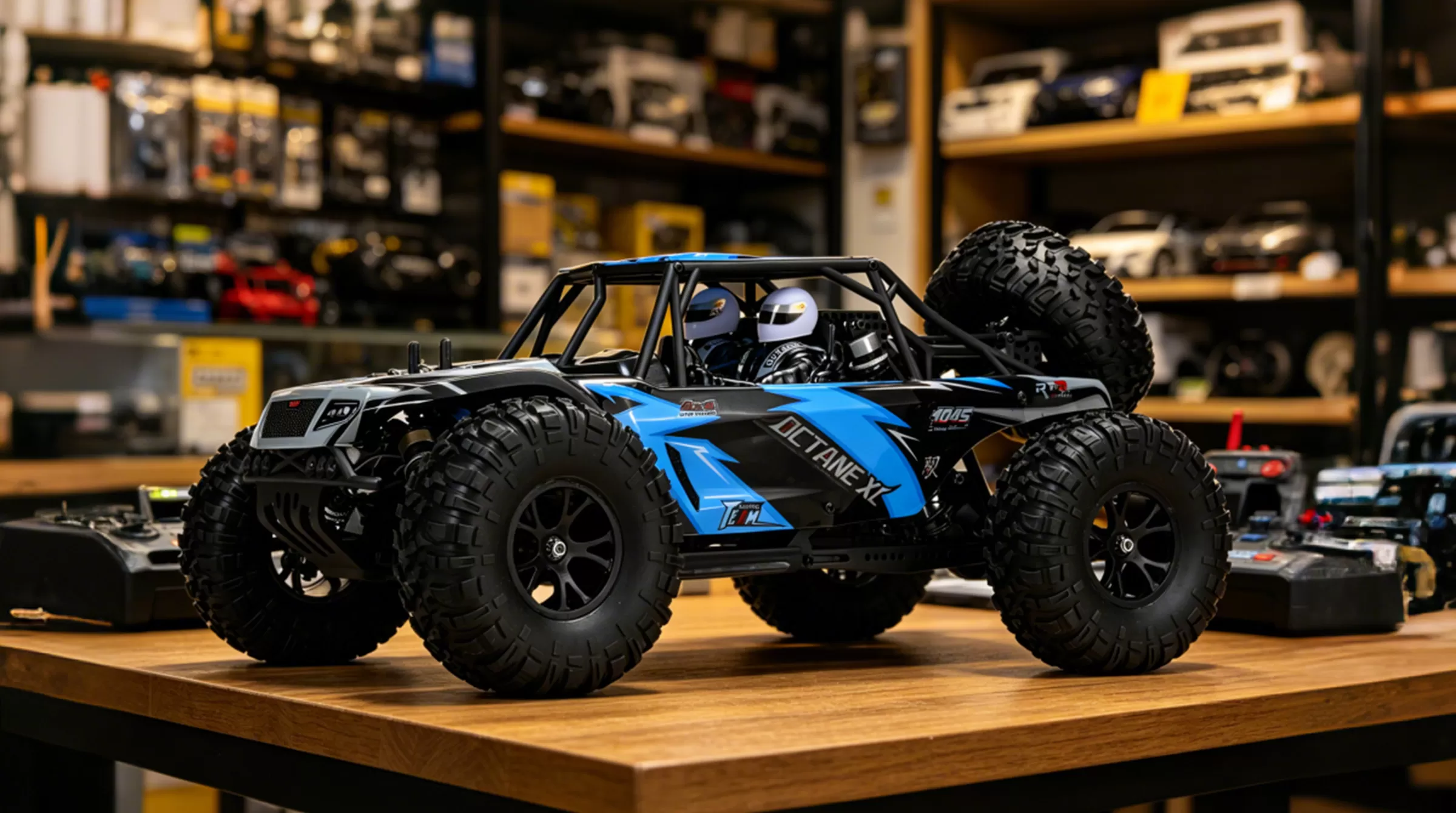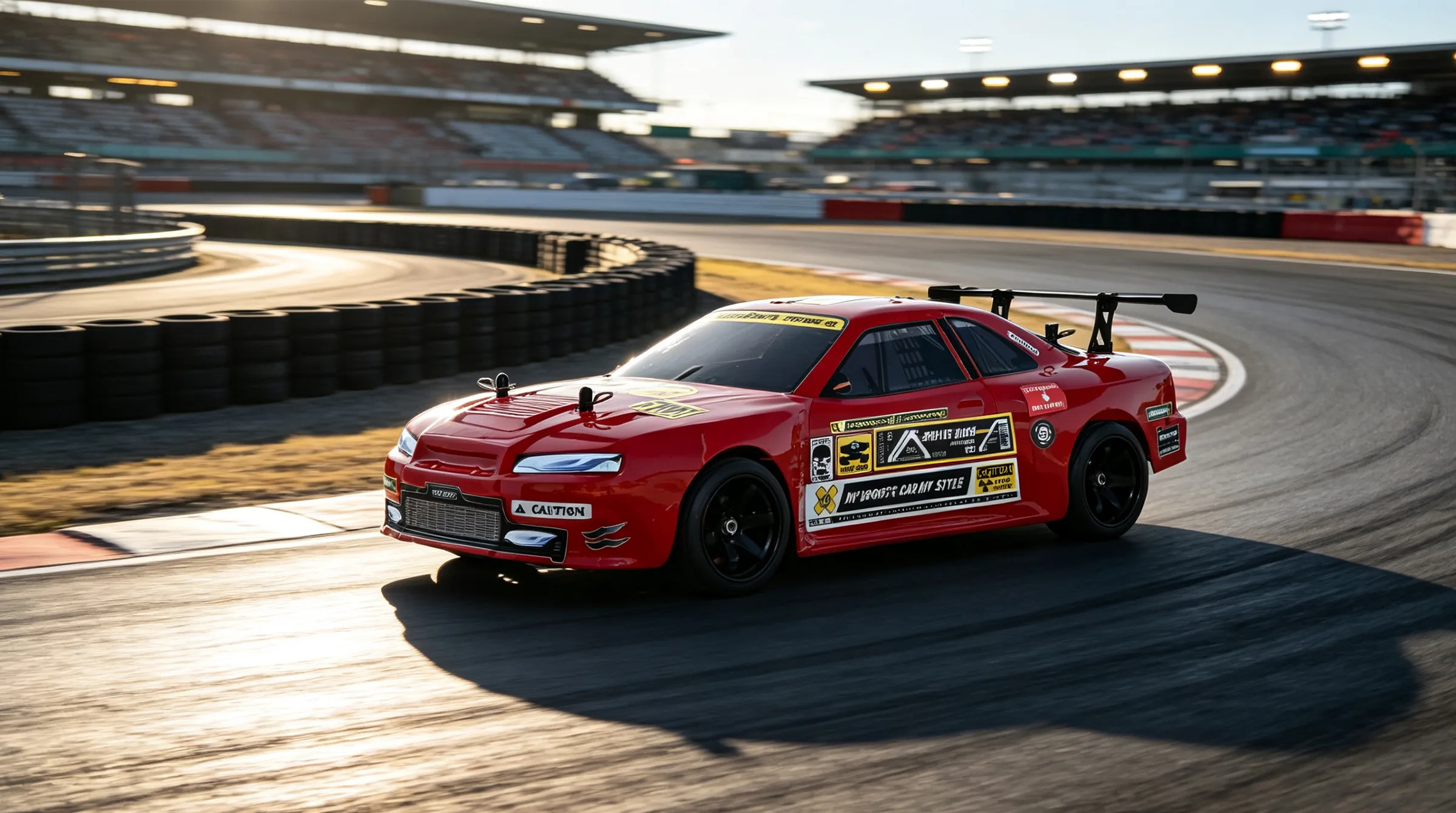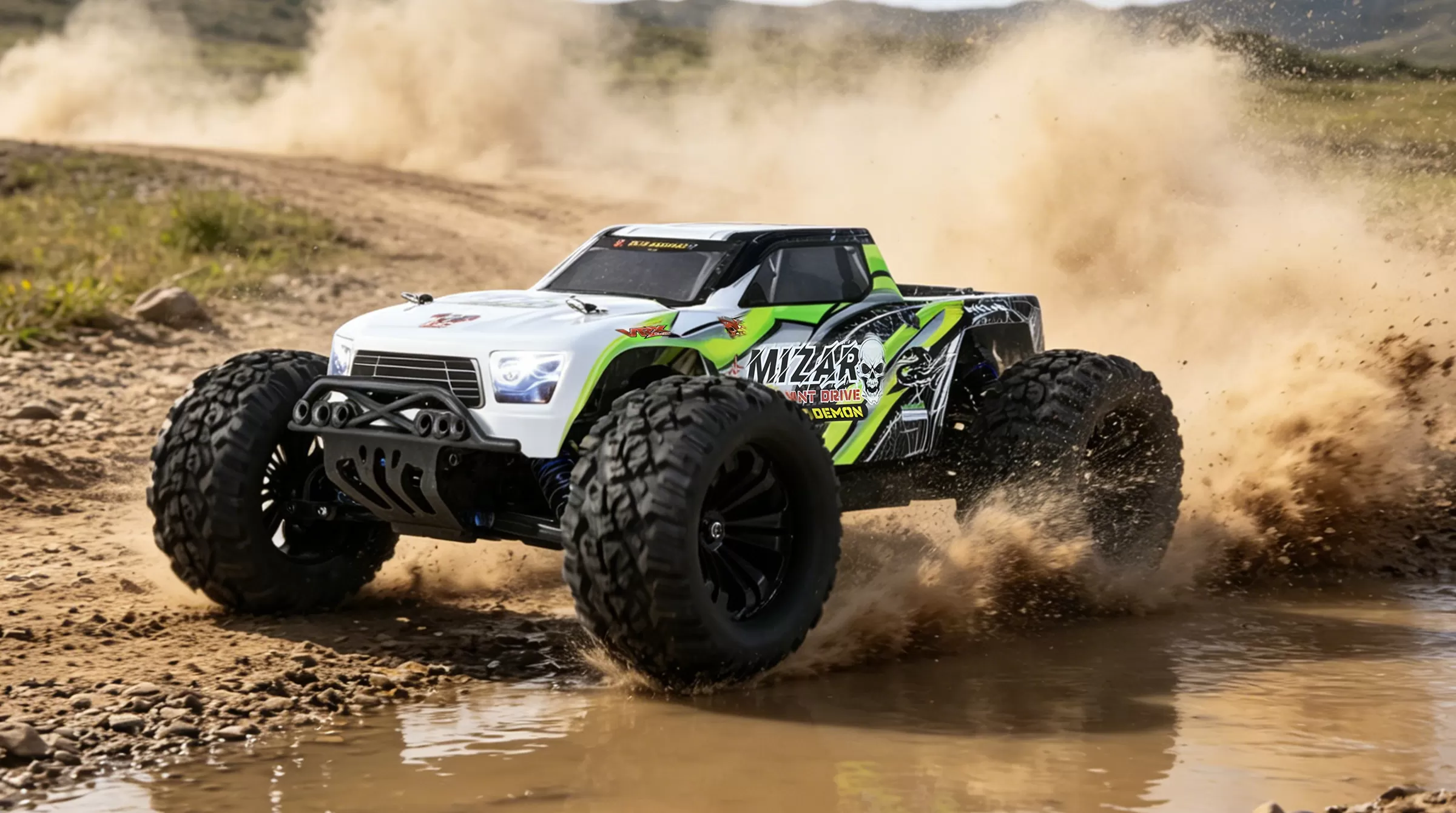
Electric RC cars may look simple from the outside, but they are actually sophisticated systems that combine advanced electronics with precise mechanical engineering. Understanding how every component works together will help you operate your car more effectively, diagnose problems quickly, make smarter upgrades, and get maximum enjoyment from the hobby. In this comprehensive guide, VRX Racing explains the entire power flow — from the moment you move the trigger on your transmitter until the wheels grip the ground.
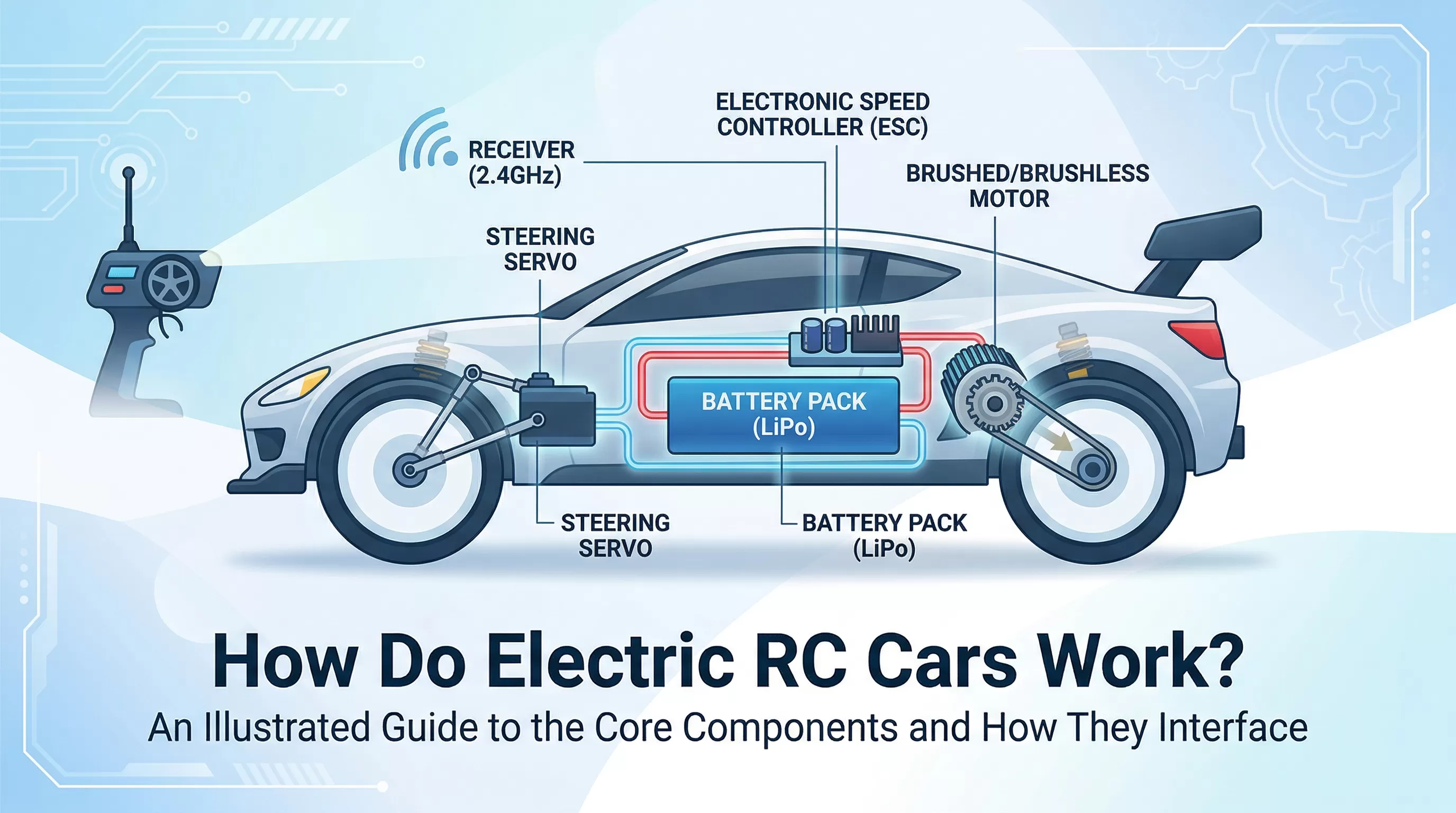
An electric RC car is far more than a toy. It is a complete hobby-grade system that integrates electronics, mechanics, and power management into one high-performance machine. Unlike cheap toy-grade cars that often break after just a few runs, hobby-grade electric RC cars — such as those engineered by VRX Racing — are built with durable materials, high-quality components, and thoughtful design that allows them to deliver years of reliable performance and upgrade potential.
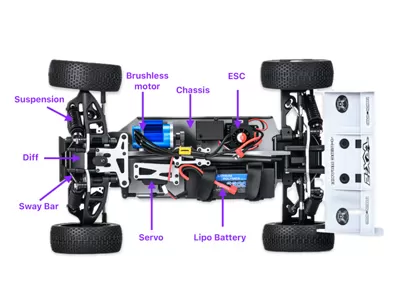
The entire system revolves around five core components that must work seamlessly together:
Transmitter – The handheld remote controller you use to send commands
Receiver – The small unit inside the car that receives wireless signals
ESC (Electronic Speed Controller) – The intelligent power management unit
Motor – Converts electrical energy into mechanical rotation
Battery – The rechargeable power source, usually a LiPo pack
These parts form a closed-loop system where your inputs are translated almost instantly into smooth, powerful, and precise movement. At VRX Racing, we carefully select and match every component to ensure the whole system is reliable, responsive, and built to last, whether you are a weekend basher or a serious racer.
The journey begins the instant you touch the controls. When you move the steering wheel or pull the throttle trigger on the transmitter, it converts your physical action into digital data. This data is then transmitted as a wireless radio signal using modern 2.4 GHz technology.
Unlike the old 27MHz or 49MHz crystal-based systems that were easily affected by interference and had very limited range, today's 2.4 GHz systems are fast, secure, and highly reliable. The transmitter and receiver first "bind" to each other, creating a unique connection that prevents other radios from interfering with your car. Once bound, the signal travels almost instantly from the transmitter to the receiver mounted inside the vehicle.
The receiver then decodes the signal and sends separate commands to the steering servo and the ESC. This wireless link is so responsive that there is almost no noticeable delay between your input and the car's reaction.
Old Frequency vs 2.4 GHz: Older systems suffered from interference, short range, and the hassle of changing crystals. Modern 2.4 GHz technology offers longer range, automatic binding, and the ability to run dozens of cars simultaneously at the same location without conflict.
The Electronic Speed Controller, commonly called the ESC, is the most critical electronic brain in an electric RC car. It acts as the power dispatcher — taking the high-voltage energy stored in the battery and precisely regulating how much power is sent to the motor at any given moment.
The ESC performs three essential functions:
Speed Control: It varies the amount of power delivered to the motor so you can accelerate smoothly from a standstill to full speed.
Direction Control: It handles forward and reverse movement, as well as proportional braking.
System Protection: It monitors temperature and current draw to prevent damage to the motor, battery, or itself.
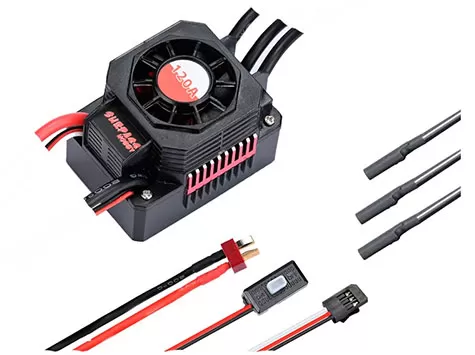
Function | Description |
Throttle Management | Converts your trigger input into smooth, proportional motor power |
Braking & Reverse | Provides controlled braking and full reverse capability |
Protection Features | Thermal protection, low-voltage cutoff, and current limiting |
In simple terms, the ESC is what makes your car feel responsive and controllable instead of just an on/off switch.
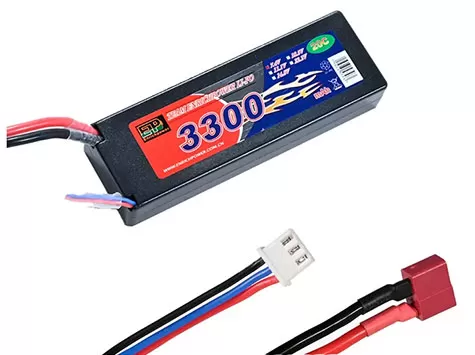
The battery is the sole source of energy. Most modern electric RC cars use LiPo (Lithium Polymer) batteries because they offer the best balance of power, weight, and runtime. The voltage of the RC car battery directly affects top speed and acceleration, while the capacity (mAh) determines how long the car can run before needing a recharge.
Battery Configuration | Voltage | Typical Effect |
2S LiPo | 7.4V | Good for beginners, balanced speed |
3S LiPo | 11.1V | Noticeably faster acceleration and top speed |
4S LiPo | 14.8V | High-performance setups, maximum power |
Higher voltage gives more speed, but everything in the system (ESC and motor) must be rated to handle that voltage safely.
Related Reading: RC Car Battery Guide (LiPo vs NiMH)
Choosing the right battery can significantly impact your RC car's speed, runtime, and overall performance. Learn the key differences, safety tips, and how to select the best option for your needs: Electric RC Cars Battery Guide: LiPo vs NiMH – Everything You Need to Know
The motor is where electrical energy turns into mechanical motion. There are two main types used in RC cars:
Motor Type | Efficiency | Speed & Power | Maintenance |
Brushed Motor | Moderate | Good for entry level | Higher (brushes wear) |
Brushless Motor | Very high | Superior speed and torque | Almost none |
The motor spins a pinion gear that drives the spur gear, which then transfers power through the drivetrain to the wheels. Brushless motors, now standard on most VRX models, provide smoother power delivery and longer run times.
Once the motor starts spinning, power must be efficiently transferred to the tires. This is handled by the drivetrain system, which includes gears, drive shafts, and differentials — very similar to a real car but on a much smaller scale.
The gear ratio determines the balance between speed and torque. A lower gear ratio gives more torque for climbing or rough terrain, while a higher ratio favors top speed. Differentials allow the left and right wheels to rotate at different speeds during turns, improving handling and reducing tire wear.
Here is the complete power flow from start to finish:
You move the throttle or steering on the transmitter
1. The transmitter sends a 2.4 GHz digital signal
2. The receiver inside the car picks up the signal
3. The receiver sends commands to the ESC and steering servo
4. The ESC draws power from the battery and delivers precisely regulated current to the motor
5. The motor spins and drives the gearbox and drivetrain
6. Power reaches the wheels, and the car moves exactly as you commanded
This entire chain happens in milliseconds, giving you instant and precise control.
Many factors influence how well your electric RC car performs:
Battery voltage and capacity
Motor type and KV rating
Overall vehicle weight
Gear ratio and drivetrain efficiency
Tire compound and terrain
Understanding these elements helps you make smarter upgrades and get better results on the track or in the backyard.
Related Reading: What Affects Electric RC Car Performance?
From speed and acceleration to efficiency and control, multiple factors work together to shape how your RC car performs on different terrains. Discover how components like motors, batteries, gearing, and drivetrain setups influence overall performance: What Affects Electric RC Car Performance? A Complete Guide to Speed, Power & Efficiency
Here are some frequently asked troubleshooting points:
Car doesn't respond at all — Usually low battery, unbound receiver, or ESC in failsafe mode.
Car moves by itself — Signal interference or throttle trim not centered.
Slow or weak performance — Low battery voltage, wrong gear ratio, or dirty drivetrain.
Electric systems are purely electronic and mechanical — clean, quiet, and consistent. Nitro cars rely on a small combustion engine that requires tuning, fuel, and much more maintenance. This makes electric RC cars simpler to operate, more reliable run after run, and far more beginner-friendly.
Related Reading: Nitro vs Electric RC Cars – Which One Should You Choose?
If you're comparing electric and nitro systems, the next step is understanding which option fits your driving style, experience level, and long-term expectations. Explore a deeper breakdown of both systems to help you make the right choice: Nitro vs Electric RC Cars: Which One Should You Choose in 2026?
Looking for the right platform for your lineup or market? Explore our Electric RC Cars collection or connect with the VRX Racing team. We help you evaluate system differences and select configurations that match your performance goals and target users.
1. What does the ESC do?
The ESC controls speed, direction, and protects the system by regulating power from the battery to the motor.
2. How far can the remote control work?
Modern 2.4 GHz systems typically offer 100–300 meters of range depending on conditions.
3. Are electric RC cars waterproof?
Many VRX models have water-resistant electronics, but full submersion is not recommended unless specifically rated waterproof.
Electric RC cars work through a precise and elegant combination of electronics and mechanics. From the moment you touch the transmitter until the wheels grip the ground, every component plays its part in delivering instant, controllable, and thrilling performance.
The beauty of electric RC is that the system is easy to understand, simple to maintain, and highly upgradeable. Whether you're just starting out or have been in the hobby for years, understanding how it all works will make your experience far more rewarding.
At VRX Racing, we engineer every electric RC car with this complete system in mind — so you can focus on driving and enjoying the hobby to the fullest.
Further Reading
Want a complete overview before making decisions? Start with our comprehensive guide to electric RC cars, designed to help you understand the full landscape—from entry-level basics to advanced performance setups: Electric RC Cars: The Ultimate Guide for Beginners & Enthusiasts