When you start exploring the world of RC cars, one of the first terms you will encounter is “RTR”. For many newcomers, this abbreviation can be confusing. Does it mean the car is fully complete? Do I still need to buy extra parts? Understanding what RTR means is essential because it directly affects how quickly you can start driving, how much time and money you’ll spend, and whether the car matches your skill level and expectations.
For many people entering the RC hobby, RTR is the very first technical term they see on product pages and packaging. It stands for “Ready To Run” and has become one of the most frequently used abbreviations in the entire industry. Understanding RTR is crucial because it determines the product’s readiness level, the user’s entry barrier, and how suitable the car is for beginners versus experienced hobbyists.
In today's market, RTR has become the dominant sales format for electric RC cars. It significantly lowers the barrier to entry, allowing new users to enjoy the hobby without spending weeks on assembly. At the same time, modern RC cars RTR models from professional manufacturers like VRX Racing can deliver genuine hobby-grade performance right out of the box. Whether you are a first-time buyer or a dealer building your product lineup, knowing exactly what RTR means helps you make smarter decisions faster.
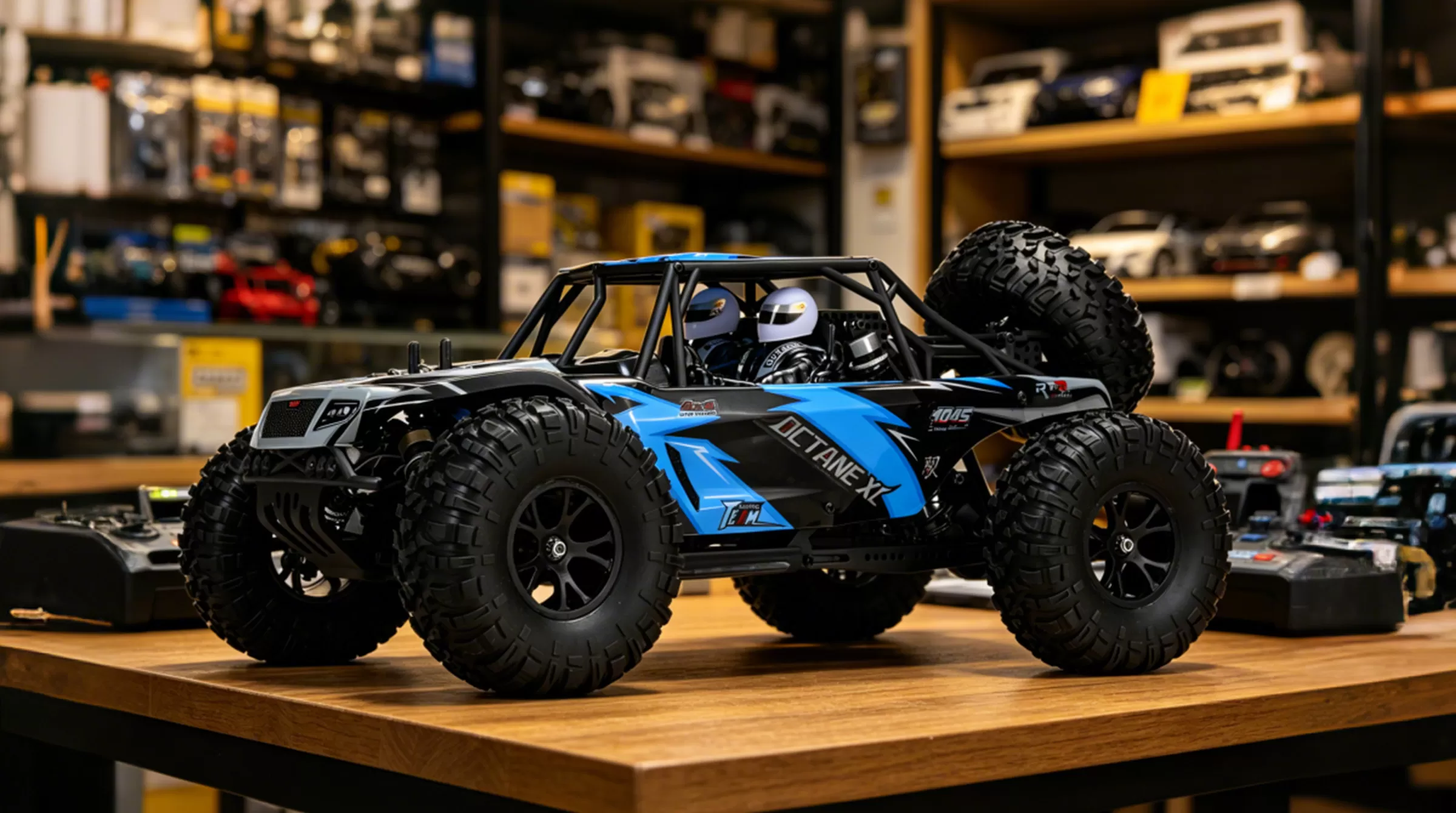
One-sentence summary: If you understand RTR, you can choose the right RC car faster.
RTR stands for “Ready To Run”. In the RC world, it means the vehicle has been largely pre-assembled at the factory so that the user can start driving with minimal preparation.
A typical RTR RC car package includes:
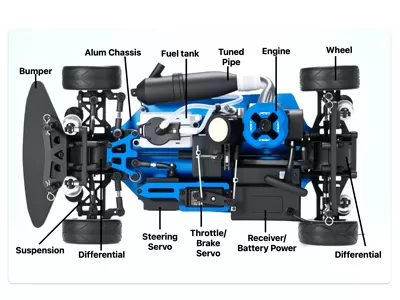
Fully assembled chassis with motor, ESC, and steering servo installed
Pre-mounted wheels and tires
Painted and decaled body shell
Transmitter and receiver already bound together
Most modern electric RTR RC cars only require you to charge a battery before the first run. Some even include a basic charger and battery. This “out-of-the-box” readiness is what makes RTR the most popular format for both beginners and casual hobbyists.
One-sentence summary: Most RTR electric RC cars need only battery charging before first use.
While exact contents can vary slightly between brands and models, a standard RTR package typically includes the following:
Included Item | Usually Included? |
Assembled Chassis | Yes |
Motor & ESC | Yes |
Steering Servo | Yes |
Radio Transmitter & Receiver | Yes |
Painted Body Shell | Yes |
Wheels and Tires (pre-glued) | Yes |
Drive Battery | Sometimes |
Charger | Sometimes |
AA Batteries for Transmitter | Sometimes |
Always check the "What's in the Box" section carefully before purchasing, as some manufacturers exclude the main drive battery to allow customers to choose higher-performance options.
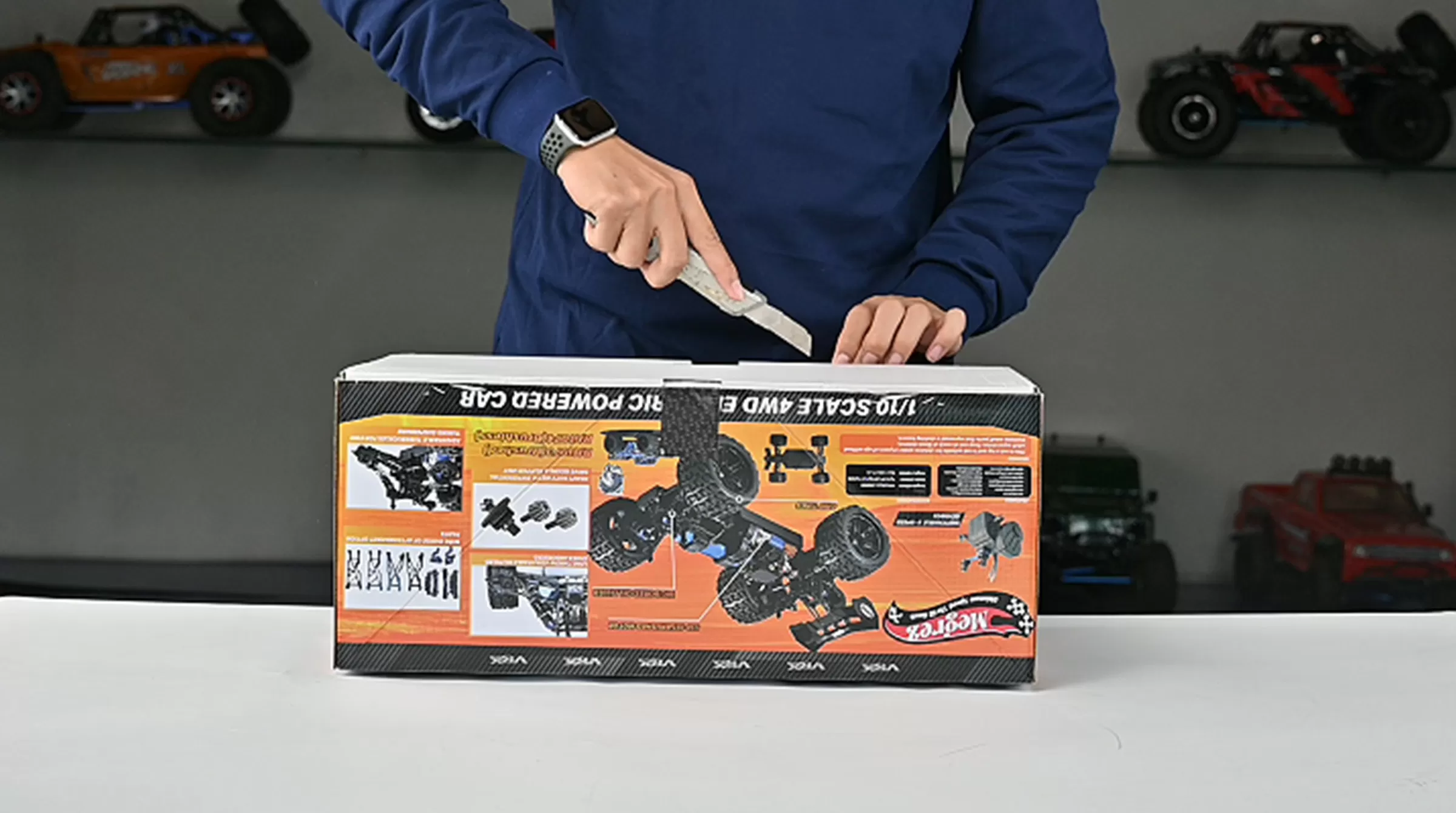
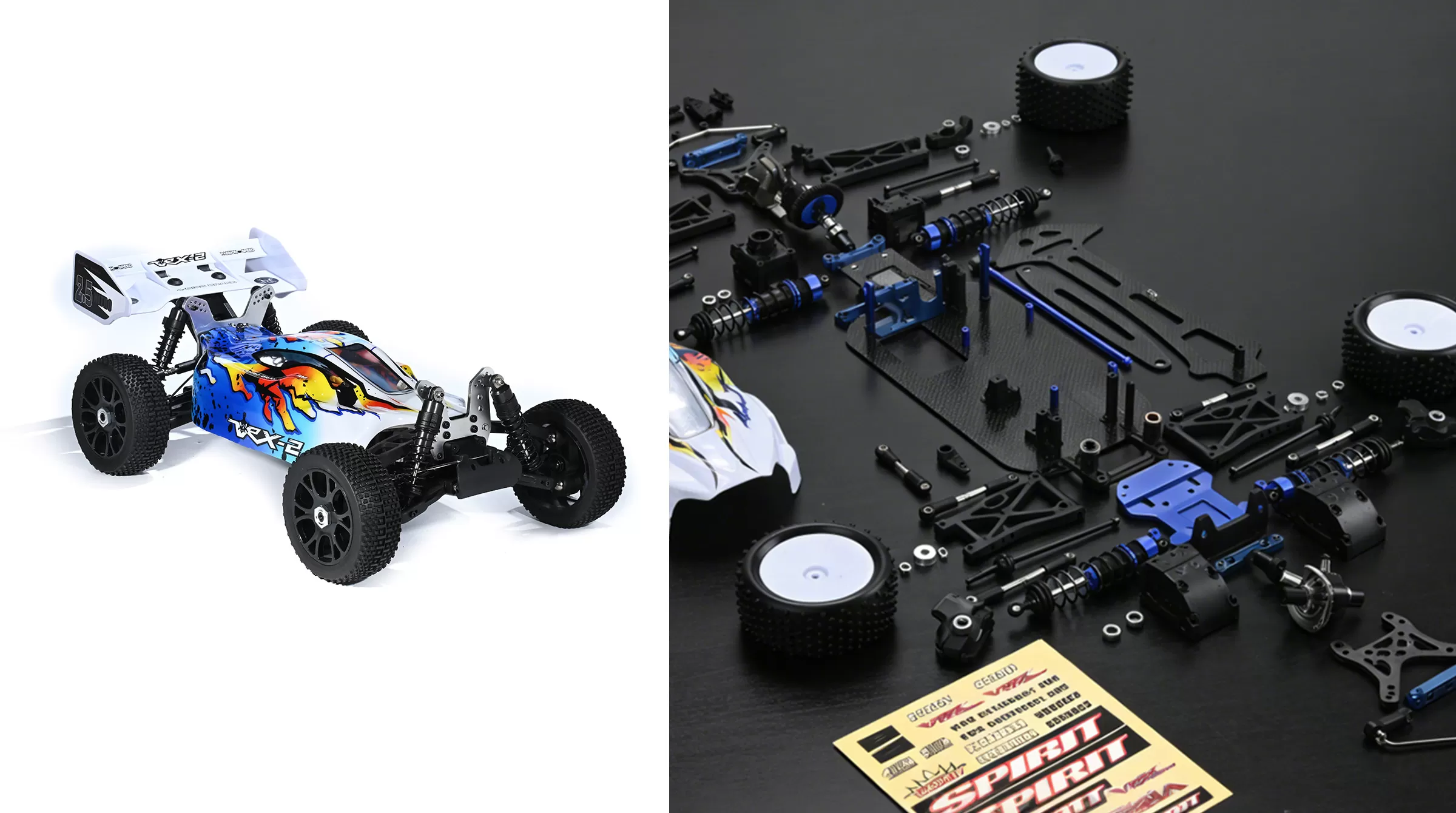
The main difference between RTR and Kit RC cars lies in the level of assembly required:
Type | Best For | Difficulty |
RTR (Ready To Run) | Beginners, casual users, fast start | Low |
Kit | Experienced builders, racers who want full customization | High |
RTR cars offer speed of enjoyment and lower entry barriers. Kit cars provide deeper learning, full customization, and the satisfaction of building the vehicle yourself. For most new users, especially those aged 14+, an RTR model is the smarter and more enjoyable starting point.
RTR models have become the dominant format in the RC market for several practical reasons:
Users can start driving within minutes of opening the box instead of spending days or weeks on assembly.
Modern production lines use precise tools and professional techniques, resulting in consistent gear mesh, properly filled shocks, and reliable electronics.
New users don't need to learn soldering, painting, or complex gear adjustment before enjoying the hobby.
RTR cars are much easier to display, demonstrate, and sell both online and in physical stores.
Yes — especially electric RTR models. They offer a gentle learning curve, reliable performance, and enough durability to survive the inevitable crashes that come with learning. The stable platform helps new drivers develop good throttle and steering habits without constant frustration.
Recommended starting scales for beginners include 1/18 and 1/16 for compact fun, and 1/10 RC RTR for more realistic performance. Many VRX Racing RTR models are specifically designed with 14+ hobby users in mind, offering the perfect balance of ease and capability.
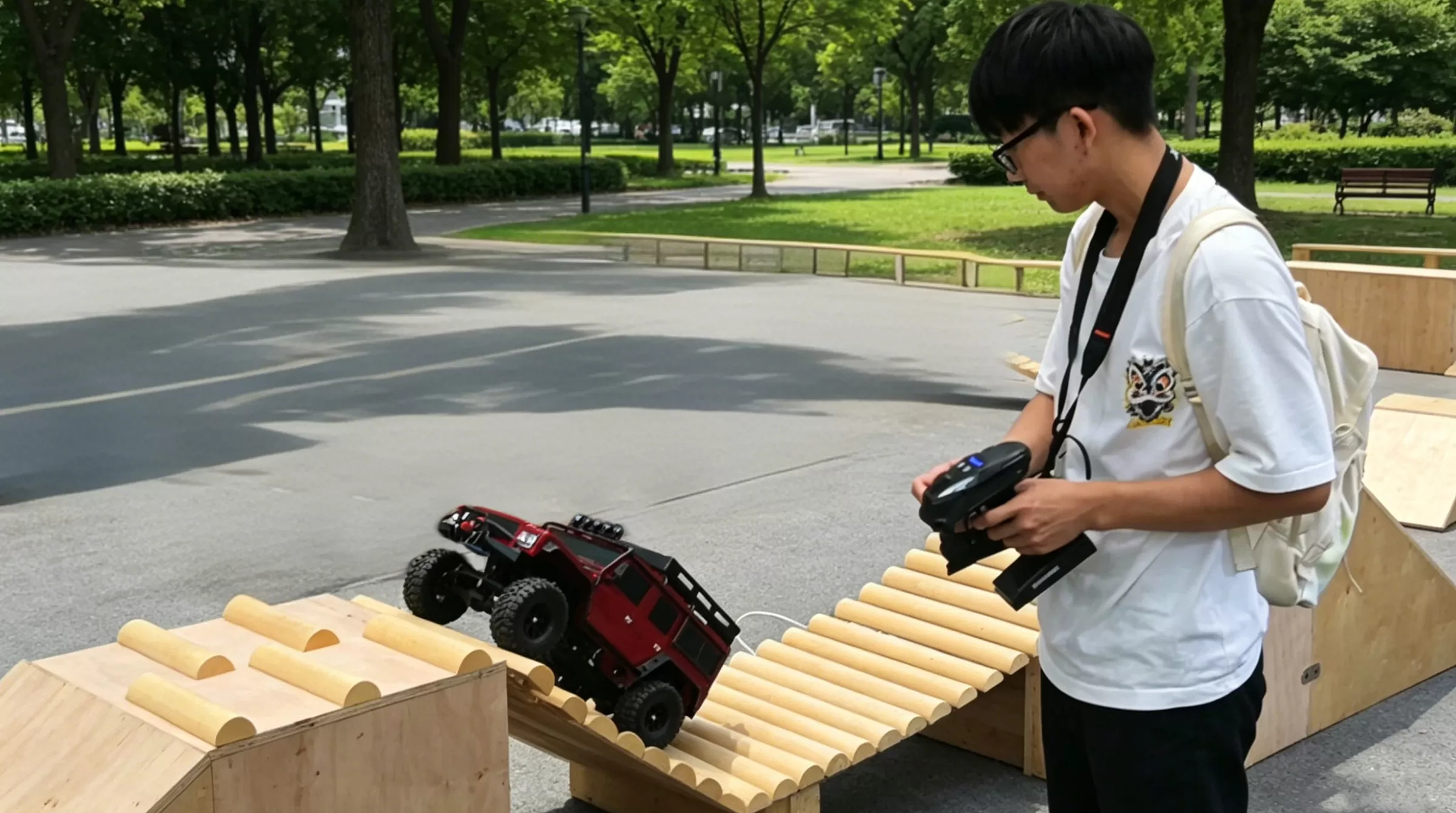
Many people mistakenly believe RTR equals “low-end” or “toy-grade.” In reality, modern RTR cars from serious manufacturers can be highly capable hobby-grade machines. Many come with brushless motors, 4WD systems, oil-filled shocks, metal gears, and high-speed electronics straight from the factory. For instance, we are currently developing a new 1:24 scale brushless monster truck that packs immense, hobby-grade power into a micro RTR platform, proving that "Ready-To-Run" is absolutely for serious enthusiasts too.
Today’s premium RTR models are serious performance vehicles that even experienced hobbyists choose when they want immediate fun without spending time on assembly.
RTR format is available across almost every RC vehicle category:
RTR Buggy — Excellent for dirt track racing and aggressive off-road driving.
RTR Monster Truck — Perfect for big jumps and backyard bashing.
RTR Short Course Truck — Realistic styling with strong racing performance.
RTR Drift Car — Designed for smooth, stylish drifting on asphalt.
RTR Rock Crawler — Built for slow, technical climbing.
RTR Rally Car — Versatile all-surface fun on mixed terrain.
For most users today, electric RTR models are the better choice:
Feature | Electric RTR | Nitro RTR |
Start-up | Easy | More complex |
Maintenance | Lower | Higher |
Noise | Quiet | Loud |
Tuning | Easy | Advanced |
Beginner Friendly | High | Medium |
For the vast majority of modern users, electric RTR RC cars provide the best balance of performance, convenience, and enjoyment.
Absolutely. One of the greatest advantages of hobby-grade RTR cars is that they serve as an excellent starting platform rather than a finished product. You can later upgrade batteries, motors, suspension, tires, servos, and even the radio system as your skills and interests grow.
A good RTR car is not the end of your RC journey — it is the beginning.
When selecting an RTR model, consider these key factors:
Skill Level — Beginners should choose stable, durable models with moderate power.
Terrain — Match the car to where you will drive most often.
Scale — 1/18 and 1/16 for compact use, 1/10 for mainstream performance, 1/8 for maximum power.
Parts Support — Choose brands with good availability of spare parts and long-term service.
For retailers and distributors, RTR models offer clear commercial advantages:
Easier to display and demonstrate in stores
Lower pre-sale explanation cost
Higher customer satisfaction and lower return rates
Faster inventory turnover
Strong potential for accessory and upgrade sales
RTR cars are particularly well-suited for both online platforms and physical hobby shops.
As a professional RC cars manufacturer, VRX Racing designs our RTR platforms with both end-users and dealers in mind. Our electric RTR models feature durable hobby-grade chassis, reliable electronics, and excellent performance right out of the box. We offer multiple scales (1/8, 1/10, 1/16, 1/18, 1/24) and support OEM/ODM customization, private labeling, and stable long-term supply.
VRX Racing helps partners build stronger RC product lines with dependable RTR solutions that satisfy both beginners and growing enthusiasts.
1. Does RTR mean fully ready to drive?
Usually yes, but some packages may require you to supply or charge the main drive battery.
2. Is RTR better than Kit?
For most beginners and casual users, yes. Kits are better for experienced builders who enjoy the assembly process.
3. Can RTR cars be upgraded?
Absolutely. Most hobby-grade RTR cars are designed as upgradeable platforms.
4. Are RTR RC cars hobby grade?
Many are, especially those from established manufacturers like VRX Racing.
5. What age is RTR RC suitable for?
Many hobby-grade RTR models are designed for users aged 14 and above.
RTR has fundamentally changed the RC hobby by making high-quality, performance-oriented vehicles accessible to a much wider audience. Whether you are a first-time driver looking for instant fun, an experienced hobbyist wanting a reliable platform, or a dealer building a profitable product line, RTR electric RC cars remain one of the smartest and fastest routes into the hobby.
At VRX Racing, we are committed to producing dependable, well-engineered RTR remote control cars that deliver excellent out-of-the-box performance while offering strong upgrade potential for the future.