RC racing rules are far more than just guidelines for drivers — they are powerful forces that directly shape how hobby-grade RC cars are designed, engineered, and manufactured. From chassis dimensions and motor limits to battery voltage and tire compounds, every regulation influences material choices, structural strength, and performance tuning. For manufacturers like VRX Racing, understanding and anticipating these rules is essential to developing competitive, compliant, and market-ready platforms.
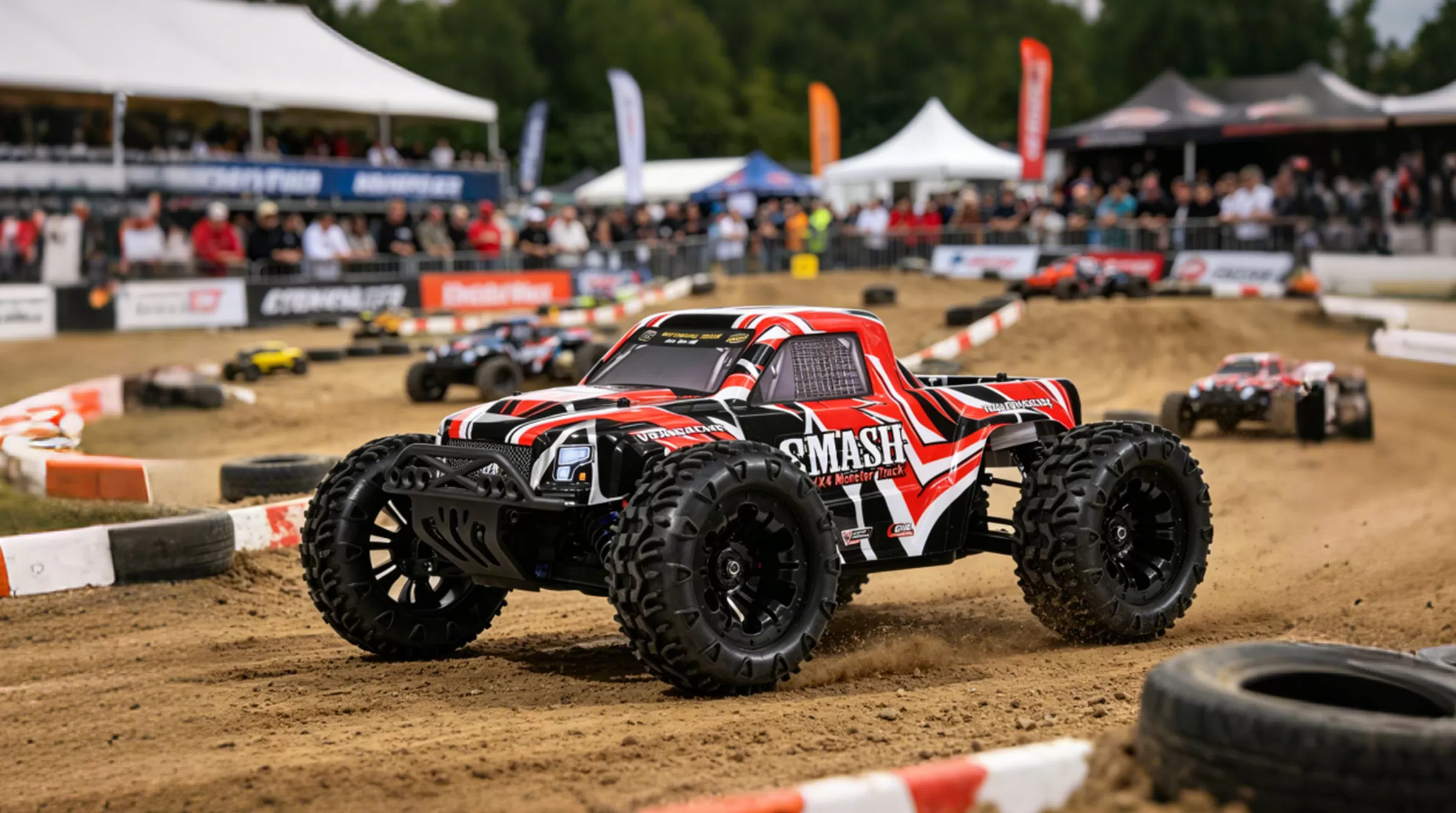
Racing rules are not merely “player rules” — they function as de facto product standards. Every major racing class (whether local club racing, regional championships, or international events) imposes technical restrictions that manufacturers must respect if they want their cars to be legal and competitive.
For RC car manufacturers, racing serves as both a real-world testing ground and a form of product certification. A car that consistently performs well under strict race scrutiny gains credibility in the hobby market. Conversely, non-compliant designs limit sales potential and damage brand reputation. This is why forward-thinking manufacturers like VRX Racing treat racing regulations as core inputs during the product development phase rather than afterthoughts.
Different markets also have varying rule sets. European sanctioning bodies often emphasize safety and technical parity, while North American and Asian series may allow more modification freedom. Global manufacturers must therefore develop platforms that can be adapted to meet multiple regional requirements efficiently.
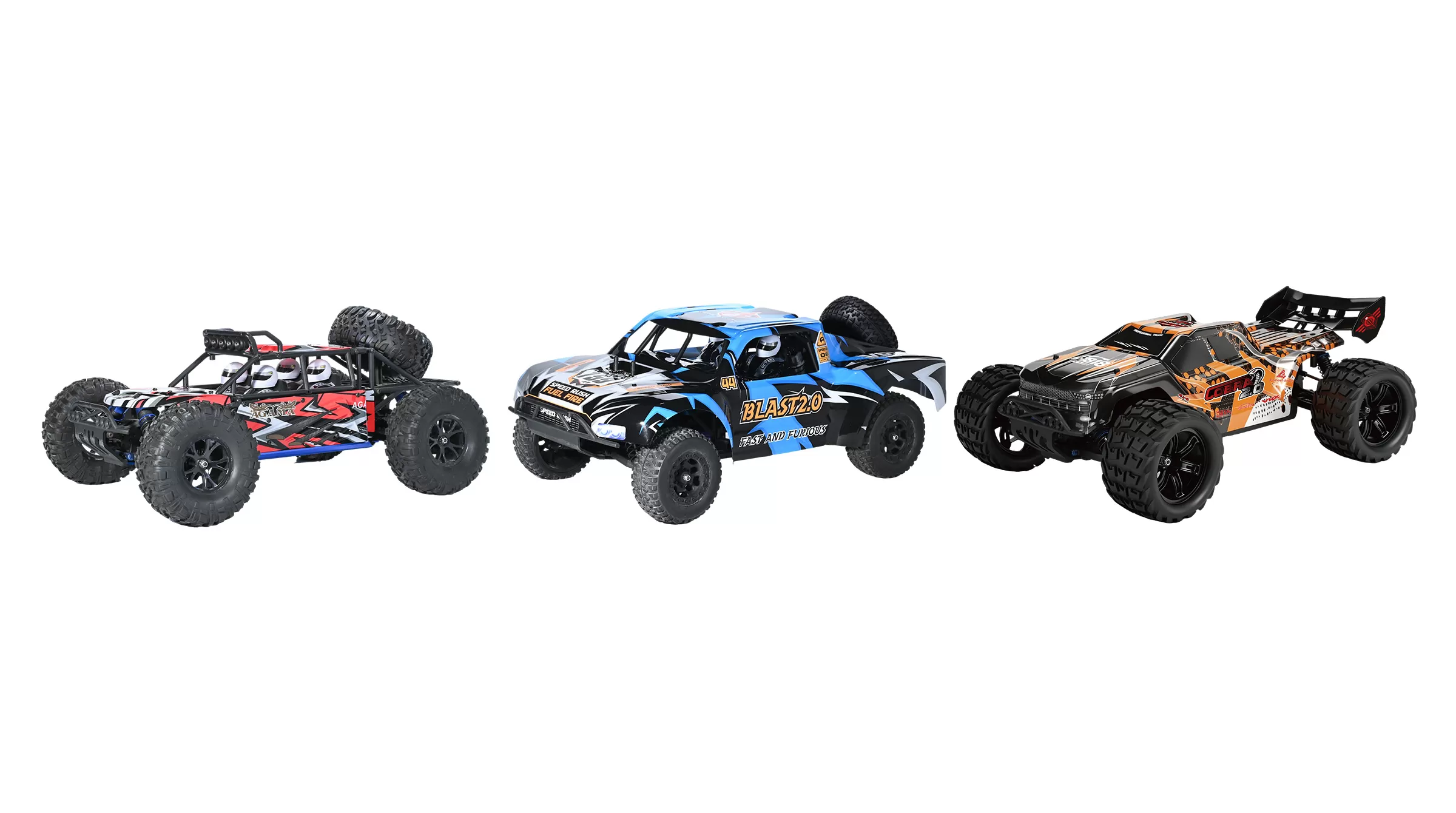
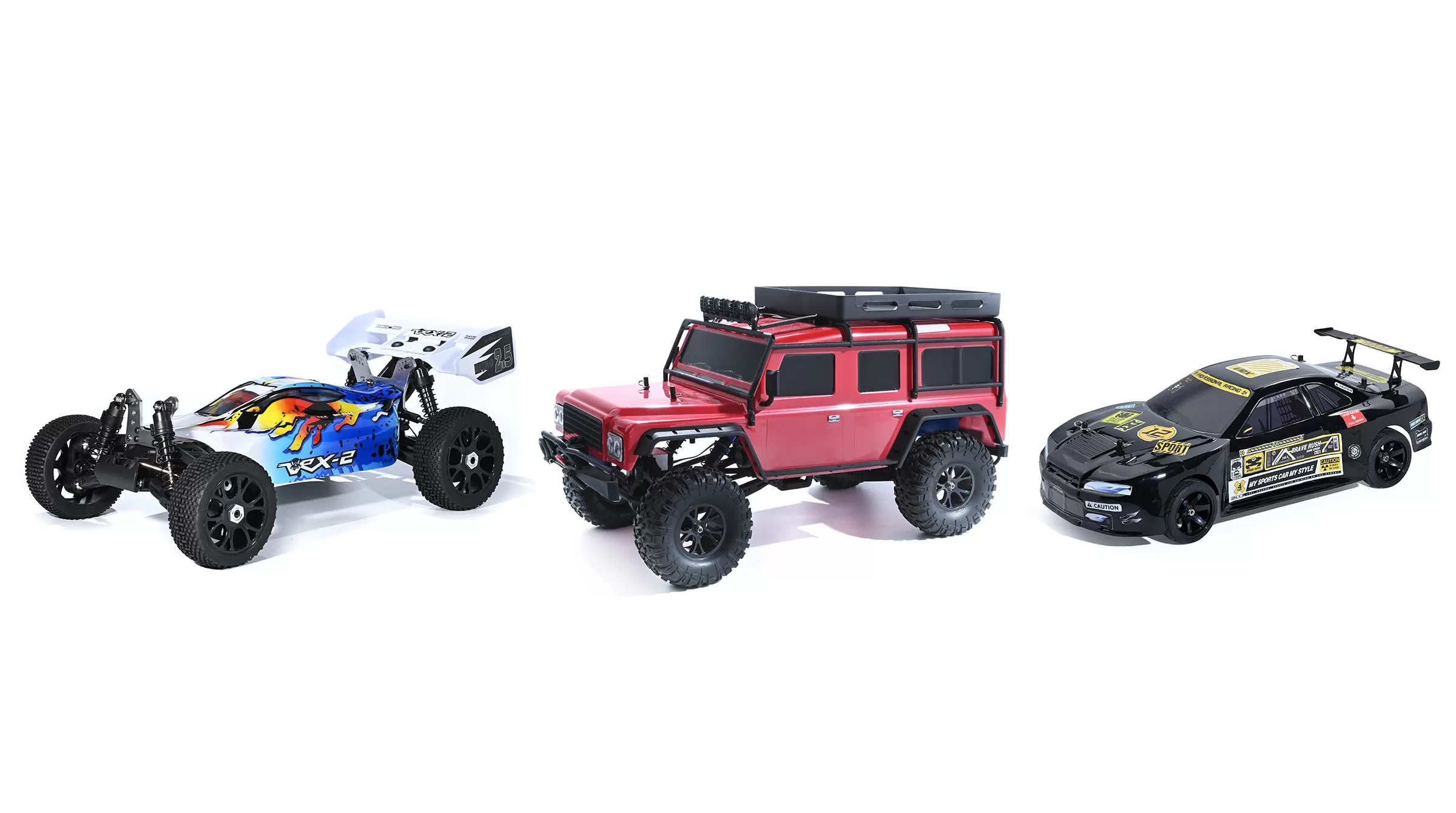
Different racing classes directly dictate the engineering direction of RC cars. Manufacturers design specific platforms to meet the technical demands of each class:
Class | Scale | Primary Usage | Key Product Requirements |
1/10 | Entry to mid-level racing | Lightweight chassis, balanced handling | |
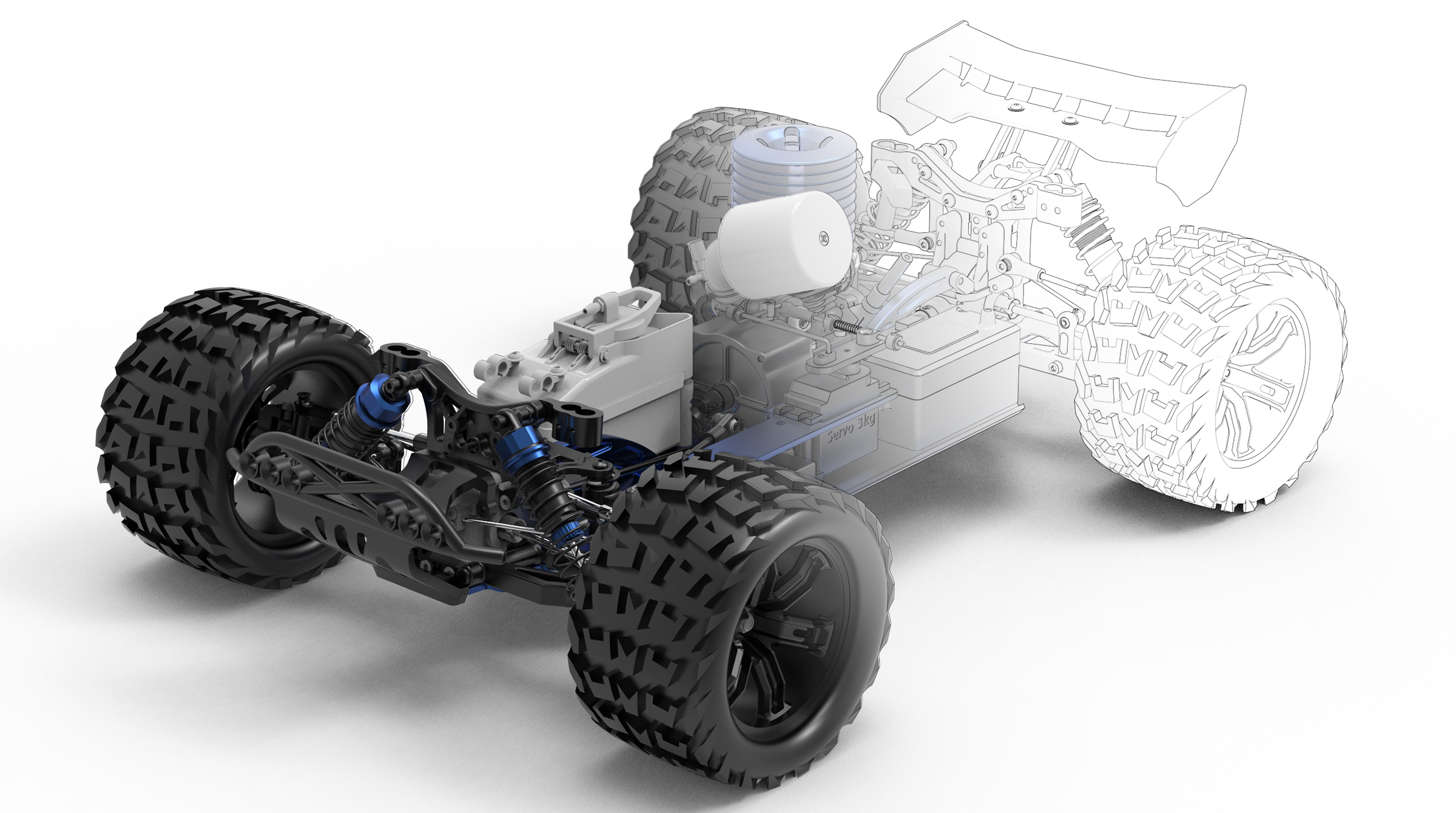
1/8 | High-impact racing & bashing | Reinforced suspension, strong chassis | |
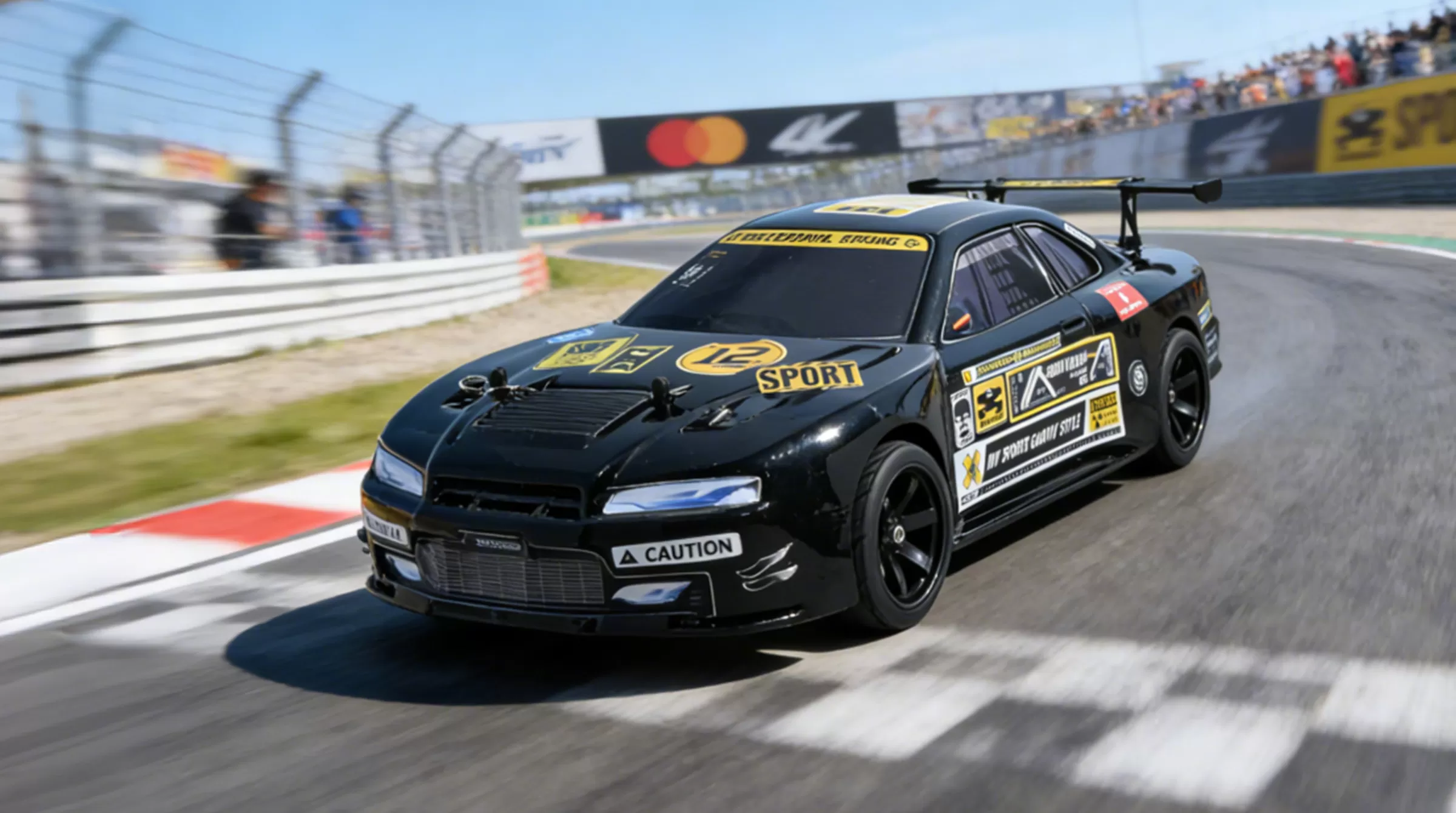
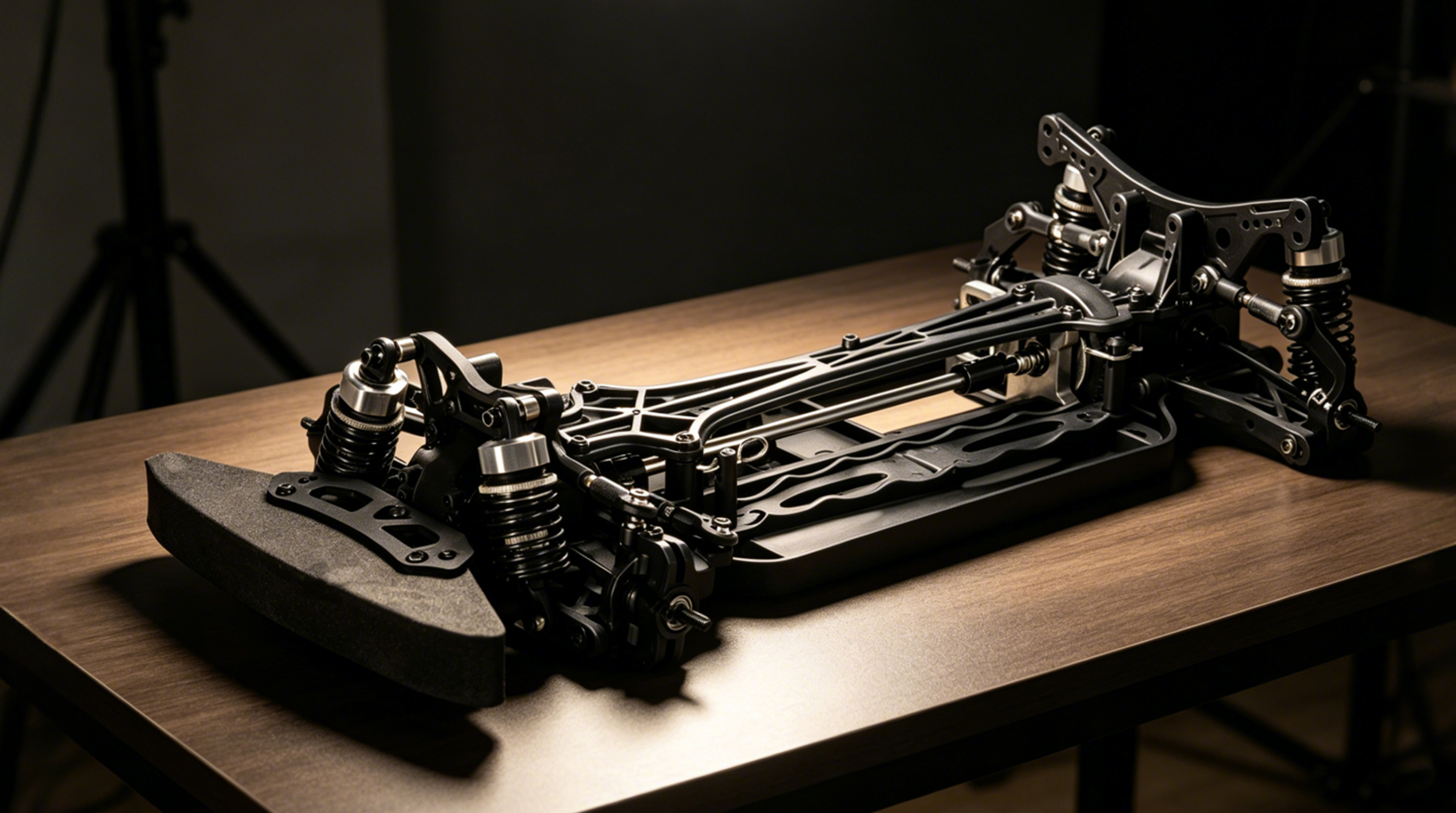
Touring Car | 1/10 | On-road precision racing | Low center of gravity, aerodynamic body |
1/10 | Realistic off-road racing | Durable chassis, scale appearance |
Each class creates its own product line requirements. This is why VRX Racing maintains dedicated platforms for different racing categories, allowing both end users and OEM partners to select the most suitable base for their needs.
Racing rules translate directly into engineering parameters. Common technical regulations include:
Motor Limits — Maximum kV rating or brushed vs brushless restrictions that influence gear ratio and acceleration tuning.
Battery Regulations — Voltage limits (2S, 3S, 4S) that determine power output and ESC selection.
Weight Limits — Force manufacturers to balance durability with lightweight materials and clever design.
Tire and Wheel Rules — Compound hardness and dimensions that affect grip and handling.
Chassis Dimension Rules — Wheelbase, width, and ground clearance that shape overall vehicle geometry.
VRX Racing pre-engineers compliance-ready platforms so that our OEM and distributor partners can enter different racing markets with minimal modification. This approach reduces development time and ensures consistent performance across global racing scenes.
Technical inspection, commonly called “tech-in,” is where race officials verify that cars meet class regulations. This process goes far beyond visual checks — it includes measuring wheelbase, weight, ride height, and sometimes even disassembling parts to inspect internals.
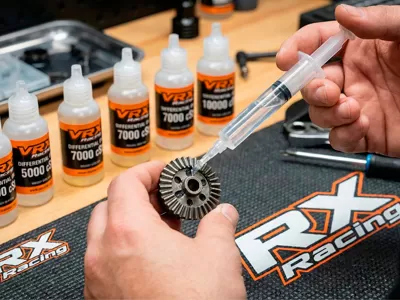
For manufacturers, this means build quality and consistency are non-negotiable. A racing remote car that passes tech-in easily builds trust with racers and teams. VRX Racing designs our platforms with race inspection in mind — using precise tolerances, durable materials, and clear assembly standards that help both factory and end-user builds pass scrutiny reliably.
Racing rules push manufacturers to optimize designs for real-world stress:
High-impact racing demands reinforced suspension and chassis rigidity.This exact rule-driven demand is why we upgraded our Teczone 1013 suspension arms to a highly impact-resistant material for the 2026 product line, directly solving real-world race-day durability issues.
Frequent jumps require strong shock towers and durable mounting points.
Long-duration races emphasize heat management and component longevity.
Cornering rules drive precise geometry and weight distribution tuning.
VRX Racing uses race-condition simulation during development to ensure our platforms can withstand the punishment of competitive racing while remaining reliable for hobby use.
The competitive RC racing market offers significant opportunities for distributors and brands, but success requires deep understanding of technical regulations and the ability to deliver compliant, high-performance products quickly.
Working with experienced OEM/ODM remote control car manufacturers like VRX Racing provides clear advantages:
OEM Service | Description | Benefit |
Chassis Customization | Geometry and material adjustments | Market differentiation |
Electronics Tuning | ESC and motor matching | Optimized performance |
Branding Service | Custom body shells and decals | Private label branding |
Compliance Adaptation | Race class specific configurations | Faster market entry |
VRX Racing supports global partners with custom chassis development, race-spec tuning, branding solutions, and consistent production capacity — helping brands bring competitive RC cars to market efficiently.
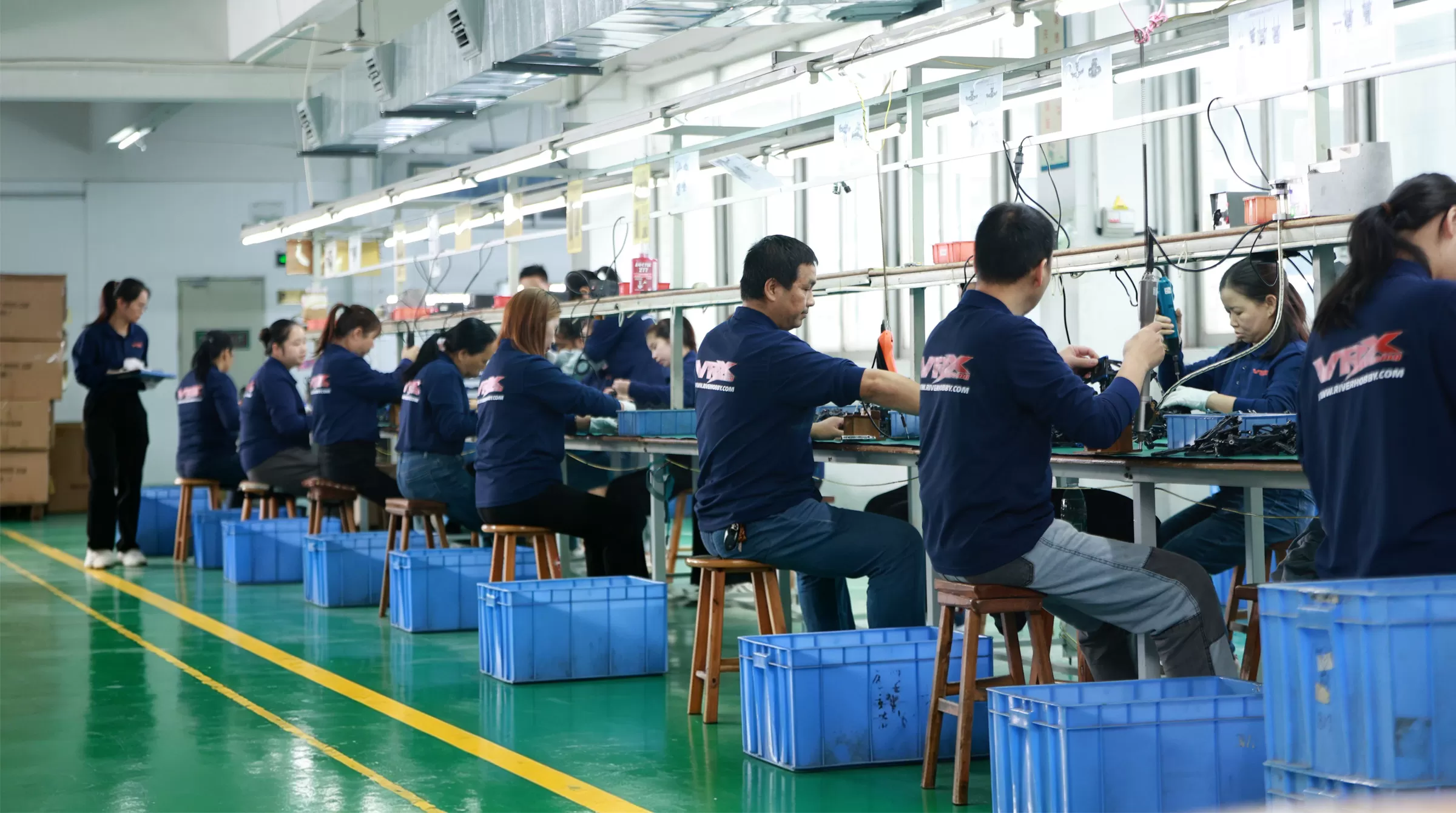
VRX Racing positions itself not just as a car manufacturer, but as a solution provider for the global RC racing ecosystem. We support distributors, racing teams, and RC brands with engineering-driven platforms that are designed from the ground up to meet competitive requirements.
Our race-ready platforms, combined with strong OEM/ODM capabilities and reliable supply chains, help partners build successful racing product lines while maintaining consistent quality and performance.
Racing rules are much more than restrictions — they are the foundation upon which serious hobby-grade RC remote control cars are developed. Every regulation influences material selection, structural design, performance tuning, and long-term durability.
For manufacturers and distributors, the ability to turn racing regulations into well-engineered, compliant products is a key competitive advantage. VRX Racing provides OEM/ODM RC car solutions for global distributors and racing brands, delivering race-ready platforms that meet technical requirements while exceeding customer expectations for performance and reliability.