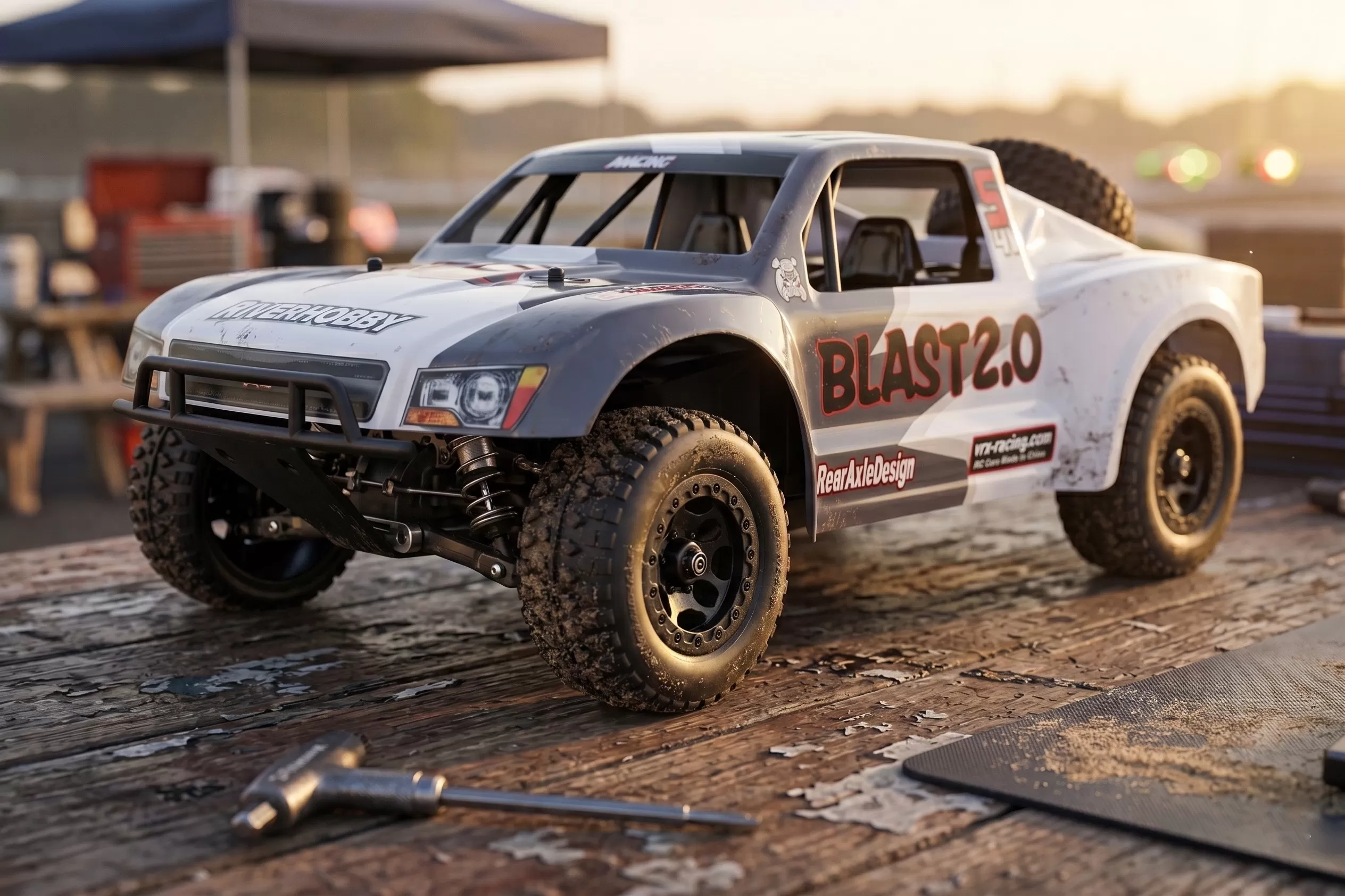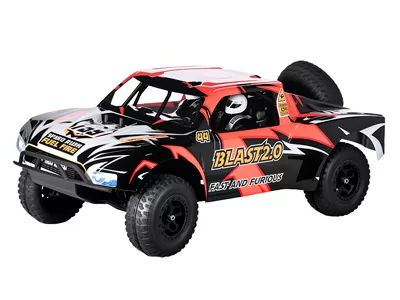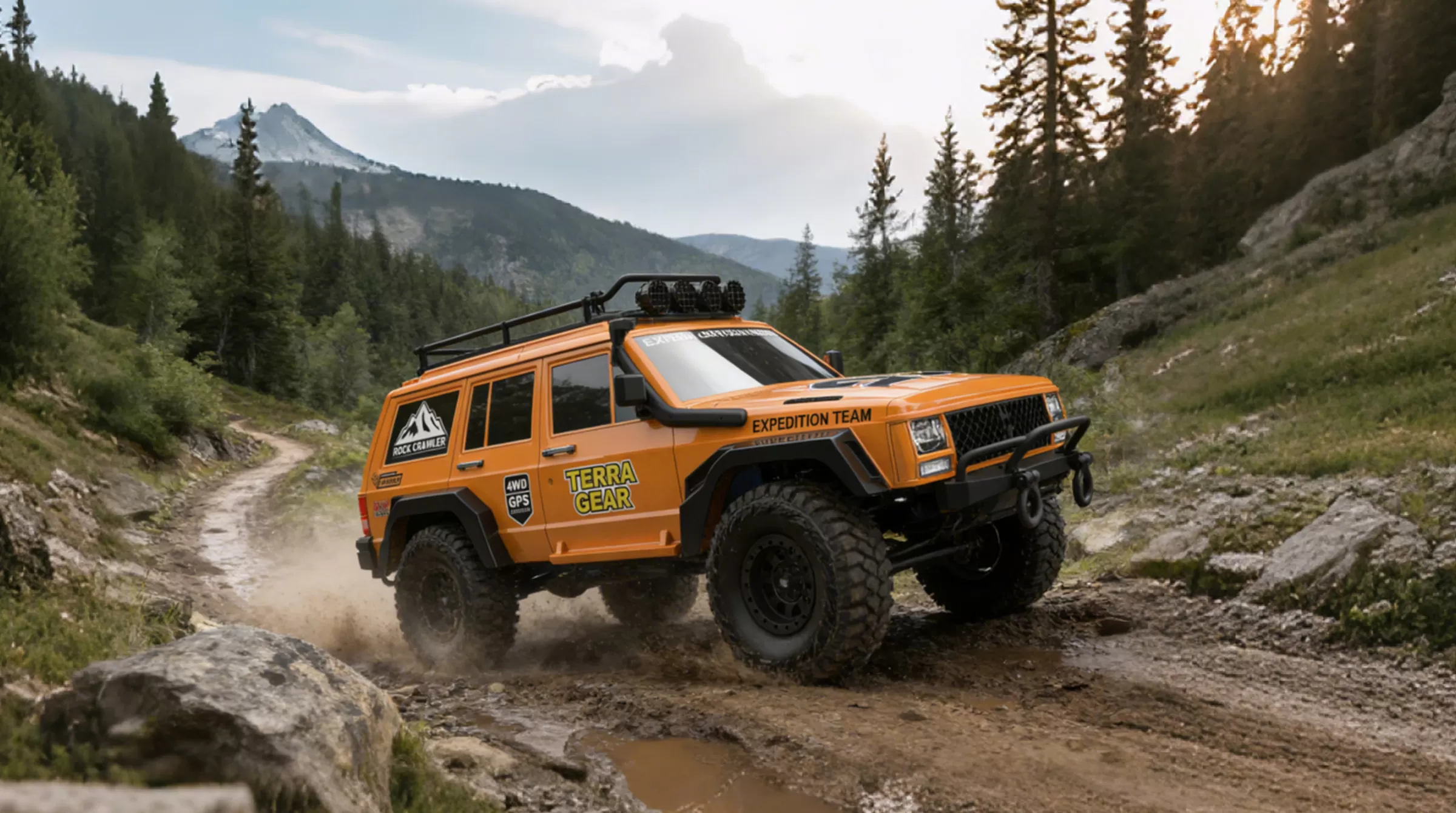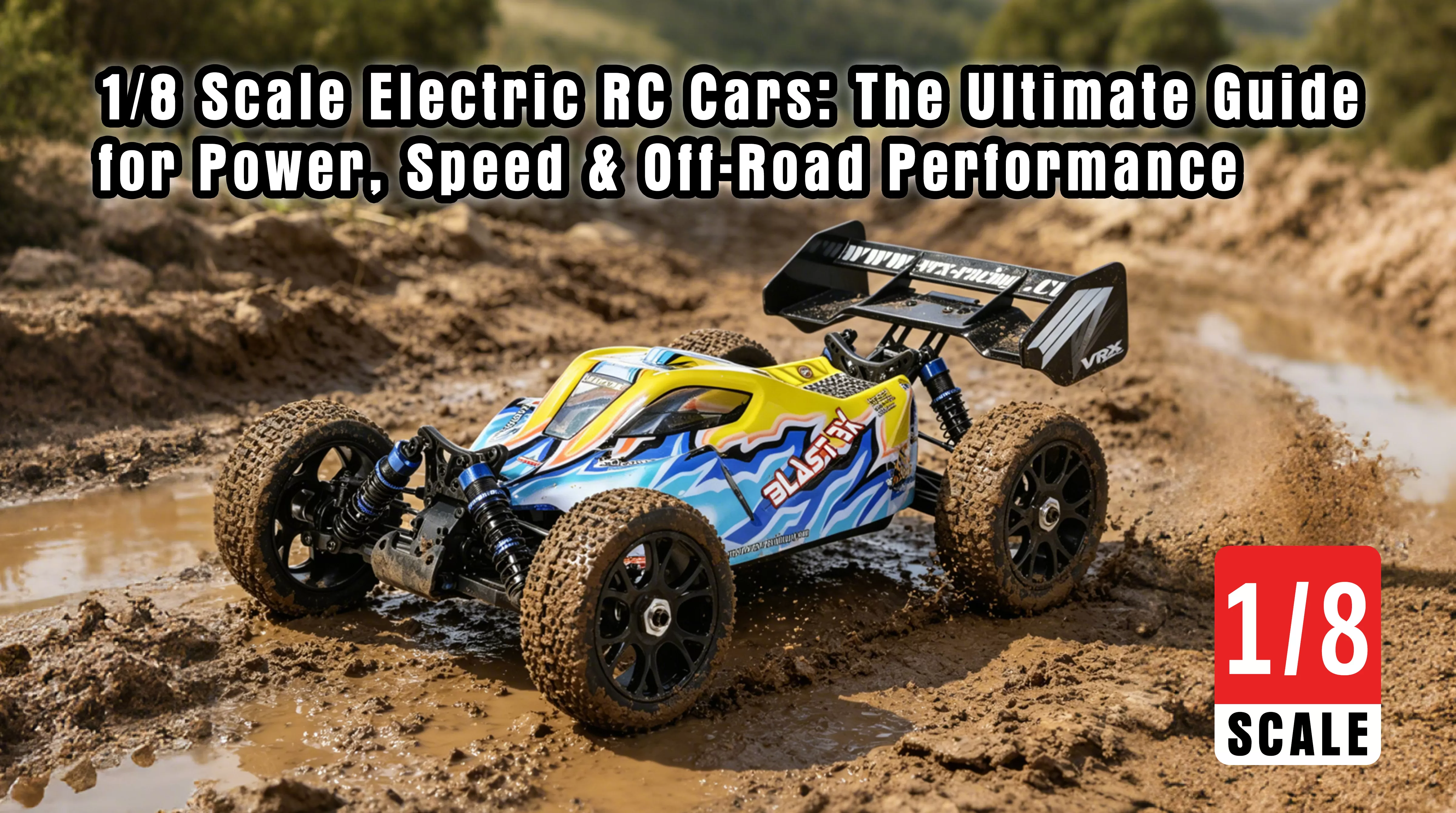
Choosing the right RC car often starts with understanding its scale. The scale number (1/10, 1/8, 1/16, etc.) tells you how big the model is compared to a real full-size vehicle — and it dramatically affects everything from speed and handling to where you can drive it and how easy it is to control. In this complete guide, VRX Racing explains all the major RC scales, their real-world sizes, strengths, and which one is best for different drivers and situations.
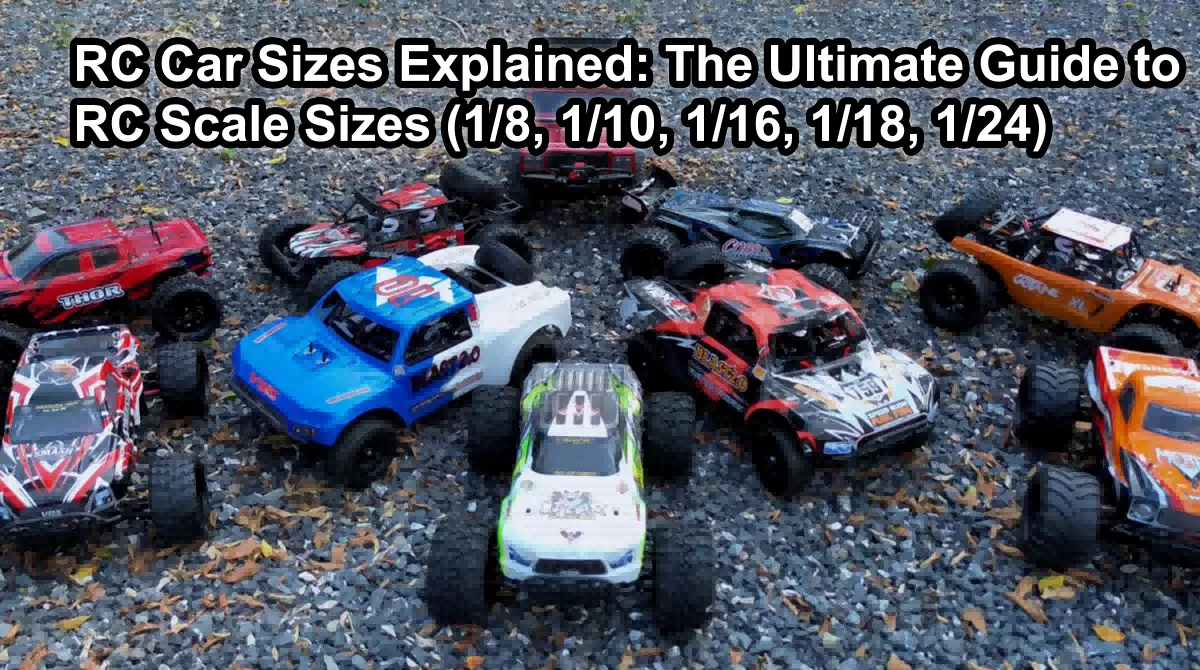
RC scale is a ratio that shows how much smaller the model is compared to a real vehicle. In the hobby-grade RC world, a 1/10 scale chassis maintains a 1:10 geometric footprint relative to its 1:1 real-world counterpart. This means if a real truck is 5 meters long, a 1/10 scale version would be about 50 cm long.
The scale number is important because it directly influences the car's physical size, weight, power requirements, stability, and overall driving feel. Larger scales (smaller numbers like 1/8) tend to be bigger, heavier, and more powerful, while smaller scales (larger numbers like 1/24) are more compact and easier to handle.
Important note: Actual dimensions can vary slightly depending on the body style (buggy, monster truck, short course, etc.), but the general proportions remain consistent within each scale.
One-sentence summary: RC scale determines the size, performance, and driving experience of your car.
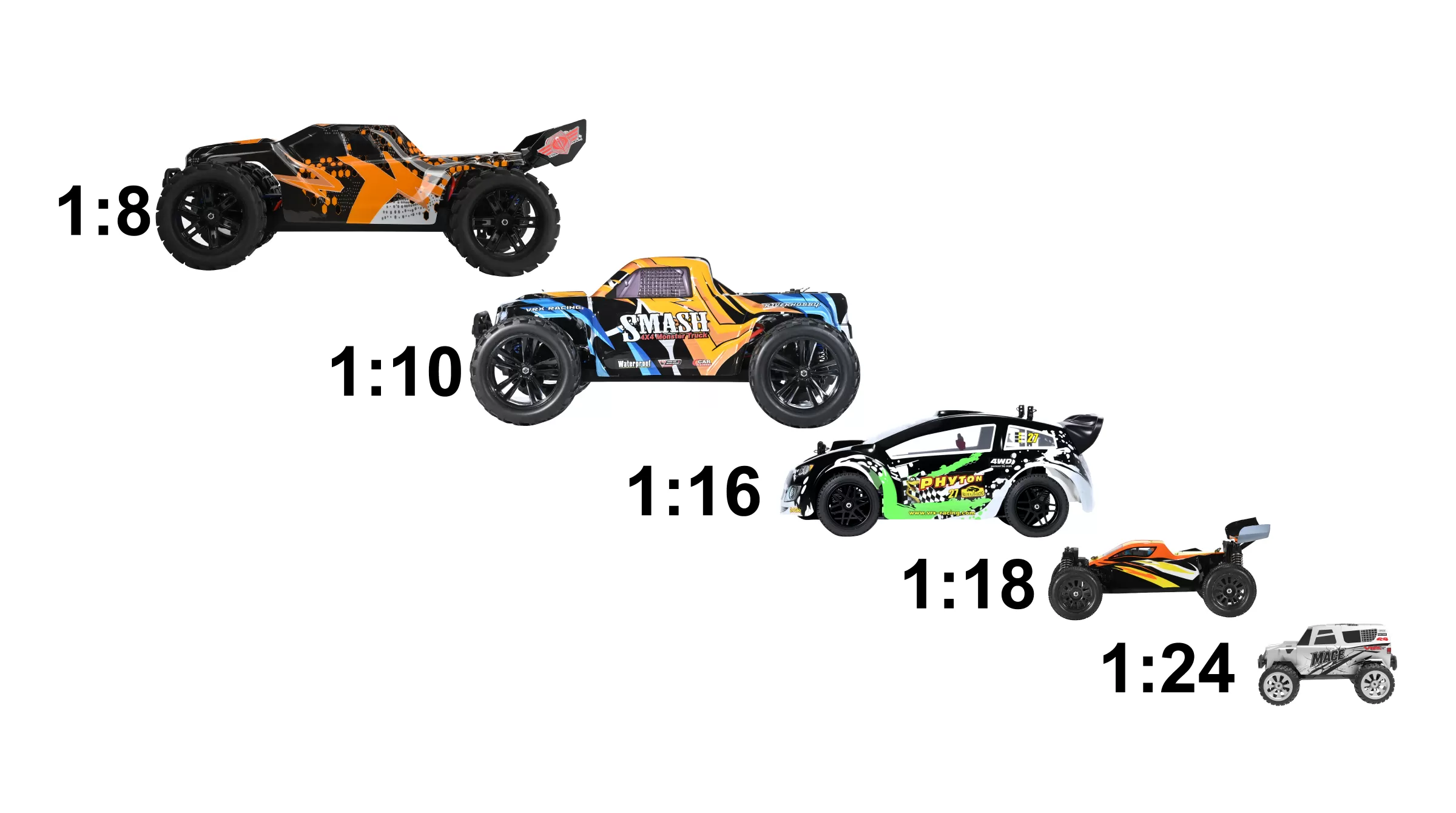
Here's a quick reference chart showing the most common RC scales, their approximate real-world sizes, and best uses:
Scale | Typical Length | Everyday Comparison | Best For |
1/8 Scale | 48–61 cm (19–24 in) | Carry-on suitcase | Off-road, advanced users, high power |
1/10 Scale | 43–56 cm (17–22 in) | Briefcase | All-around use, most popular size |
1/16 Scale | 22–33 cm (9–13 in) | Dinner plate | Beginners, portable fun |
1/18 Scale | 20–25 cm (8–10 in) | Book | Small spaces, indoor use |
1/24 Scale | 10–20 cm (4–8 in) | Smartphone | Ultra-portable, indoor & desktop fun |
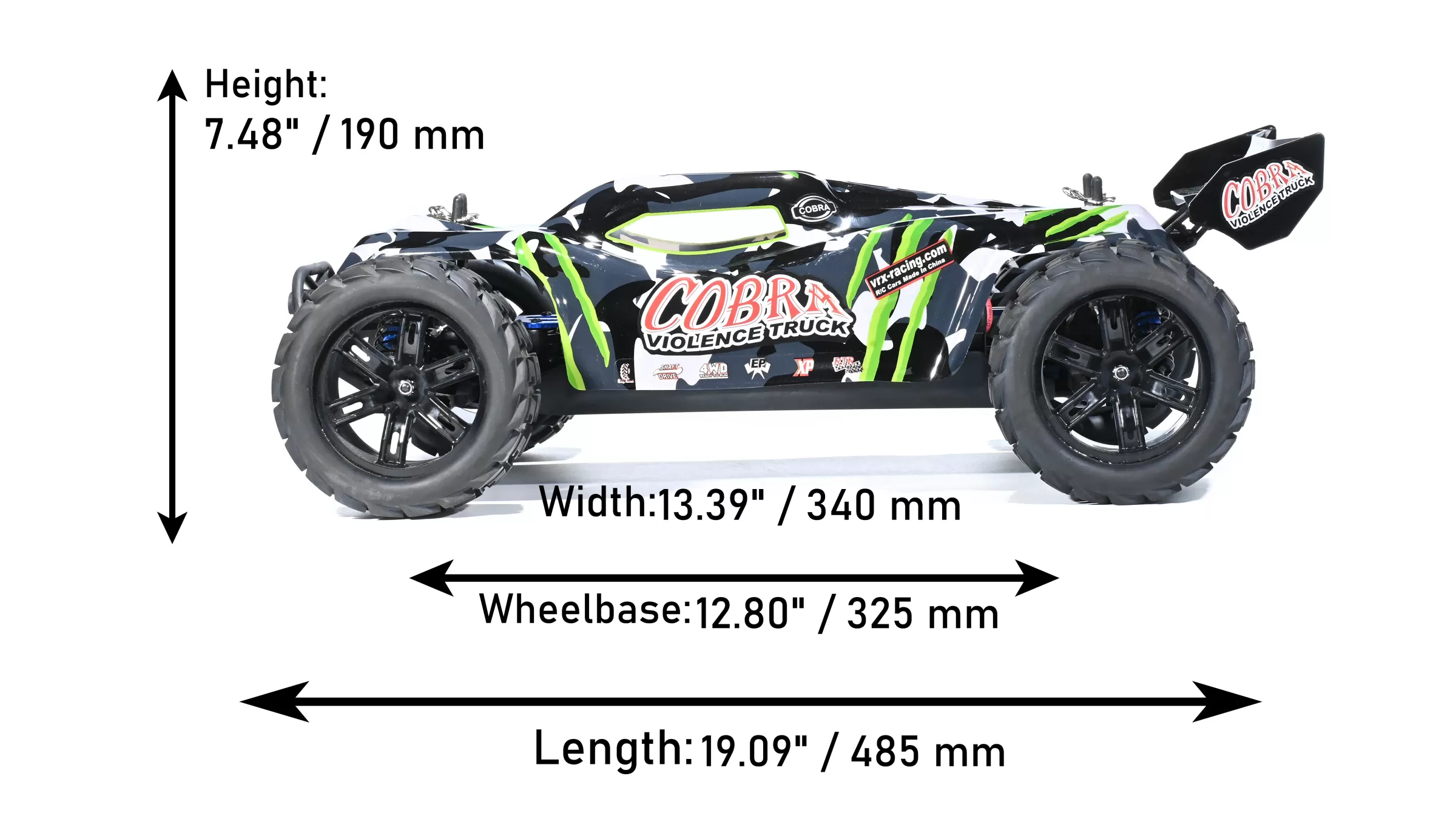
1/8 scale electric RC cars are among the largest and most powerful models in the hobby. They typically measure between 19 and 24 inches (48–61 cm) in length, with a width of 10–17 inches (25–43 cm) and a height of 6–12 inches (15–30 cm). In weight, they usually range from 5 to 13 pounds (2.3–6 kg), giving them a solid, substantial feel that commands attention the moment you pick one up.
To put it in everyday terms, a typical 1/8 scale RC car is roughly the size of a carry-on suitcase. This extra size and weight translate into impressive stability at speed, stronger torque for climbing, and the ability to handle big jumps and rough terrain with confidence. Thanks to their larger footprint and increased rotational mass, 1/8 scale rigs offer superior dampening and momentum carry over heavily rutted terrain for experienced drivers who want maximum power and off-road capability.
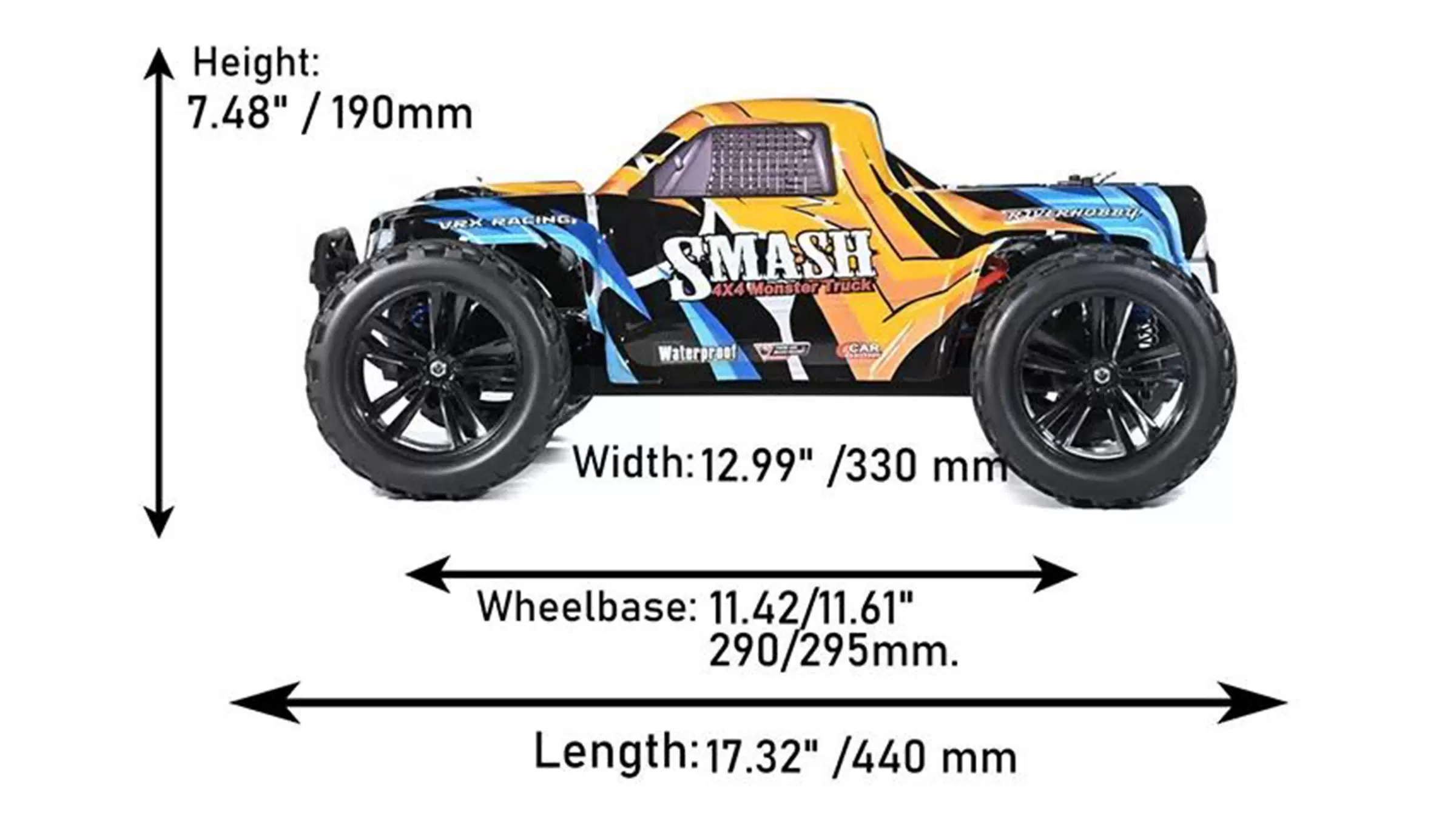
1/10 scale is by far the most popular and versatile size in the RC hobby. These cars typically measure between 17 and 22 inches (43–56 cm) in length, with a width of 8–14 inches (21–36 cm) and a height of 5–9 inches (13–23 cm). In weight, 1/10 scale RC cars usually range from 3 to 12 pounds (1.4–5.4 kg), making them substantial enough to feel like a real performance machine, yet light enough to carry comfortably in one hand or fit easily in a backpack or car trunk.
For context, a standard 1/10 scale chassis typically features a 300mm+ wheelbase, seamlessly accommodating standard 2S or 3S hardcase LiPo battery packs. This compact yet capable size gives you the best of both worlds: enough presence and stability for exciting driving, while remaining practical for backyard sessions, park runs, light off-road, and dedicated tracks. Because of this balance, 1/10 scale has become the default choice for most beginners and experienced hobbyists alike.
1/16 scale RC cars strike a nice balance between fun and practicality. They typically measure between 9 and 13 inches (22–33 cm) in length, with a width of 4–7 inches (10–18 cm) and a height of 3–5 inches (8–13 cm). In weight, they usually range from 1.5 to 4 pounds (0.7–1.8 kg), making them light enough for easy handling while still feeling like a proper RC vehicle.
To put it in everyday terms, a typical 1/16 scale RC car is roughly the size of a dinner plate or a basketball. This compact size makes them highly portable and beginner-friendly, perfect for backyard play, light off-road sessions, or when you want something quick and easy to take with you. They offer solid performance without being overwhelming for new drivers.
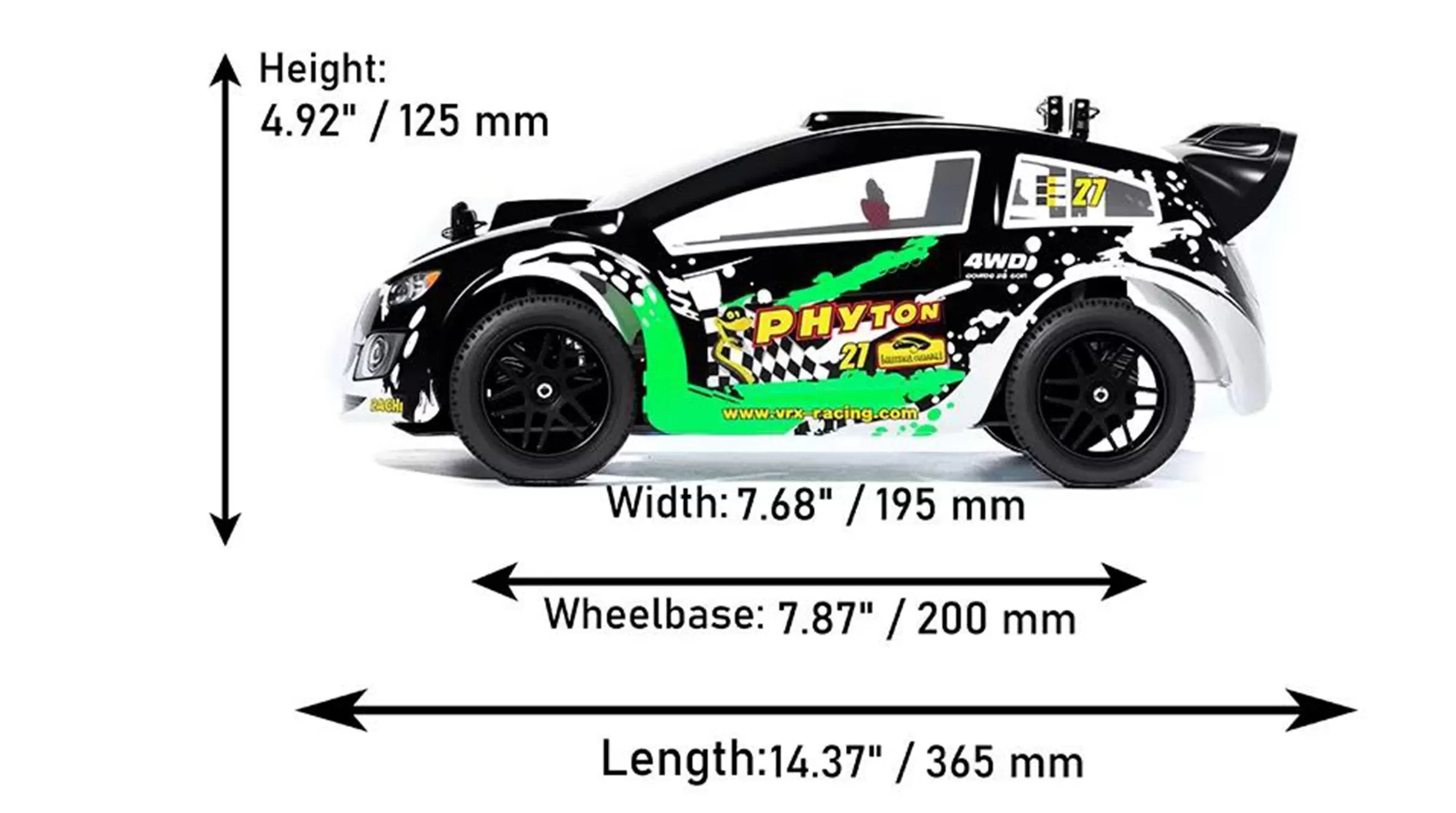
1/18 scale RC cars are noticeably more compact and easy to manage. They typically measure between 8 and 10 inches (20–25 cm) in length, with a width of 3–5 inches (8–13 cm) and a height of 3–4 inches (8–10 cm). In weight, they usually range from 1 to 2.5 pounds (0.5–1.1 kg), making them very convenient to carry and store.
To put it in everyday terms, a typical 1/18 scale RC car is roughly the size of a hardcover book or a soccer ball. This smaller footprint makes them ideal for indoor driving, tight spaces, or when you want a fun secondary car that doesn't take up much room. They are easy to control and great for casual sessions or travel.
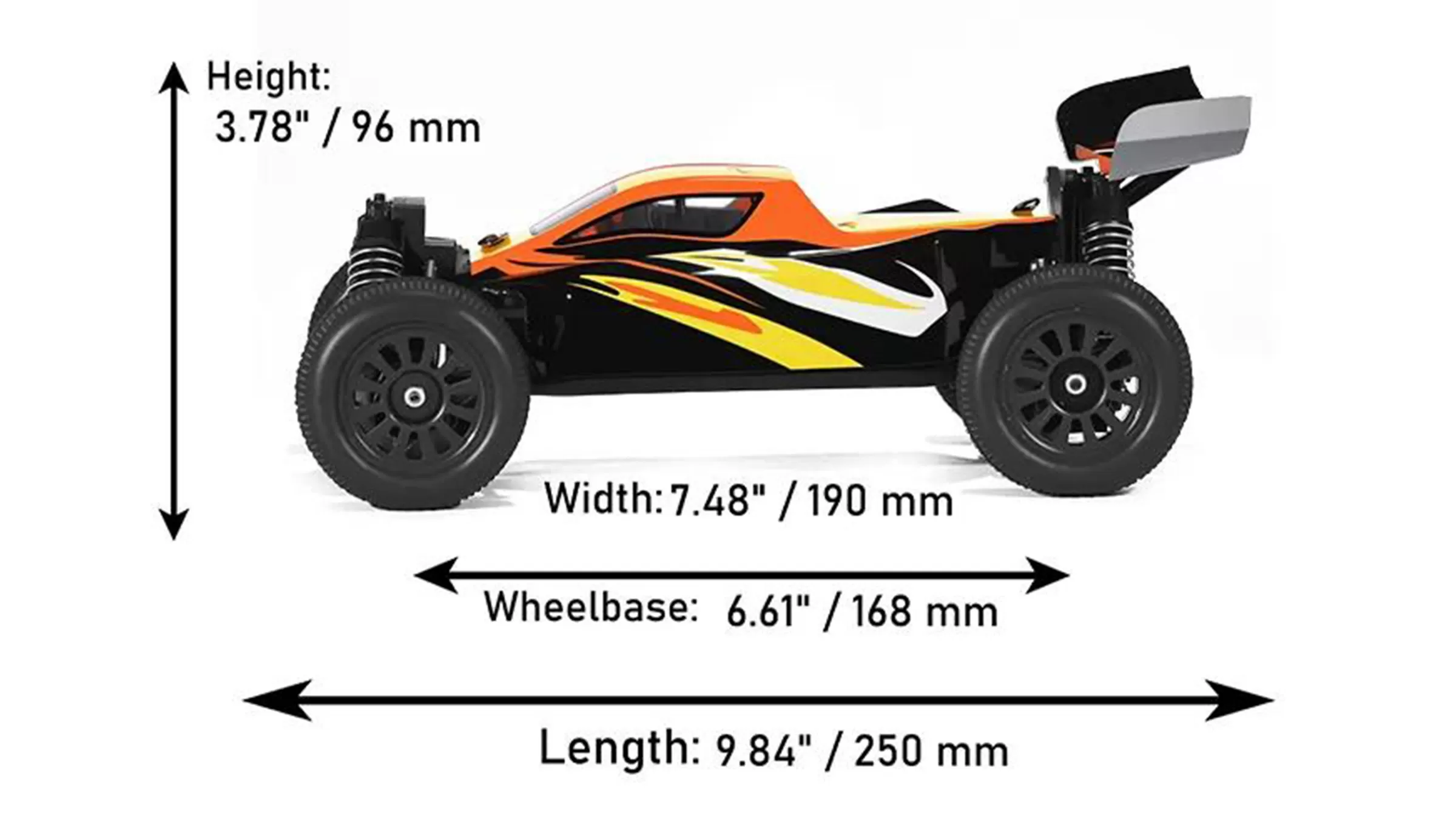
1/24 scale RC cars are the smallest common size in the hobby. They typically measure between 4 and 8 inches (10–20 cm) in length, with a width of 2–4 inches (5–10 cm) and a height of 2–3 inches (5–8 cm). In weight, they usually range from 0.5 to 1.5 pounds (0.2–0.7 kg), making them extremely lightweight and portable.
To put it in everyday terms, a typical 1/24 scale RC car is roughly the size of a smartphone or a large banana. This ultra-compact size makes them perfect for indoor fun, desktop racing, or when maximum portability is needed. Although they have lower top speeds, they are highly maneuverable and great for quick, casual play in small spaces.
Summary: 1/24 scale is ideal for indoor fun and ultra-portable use.
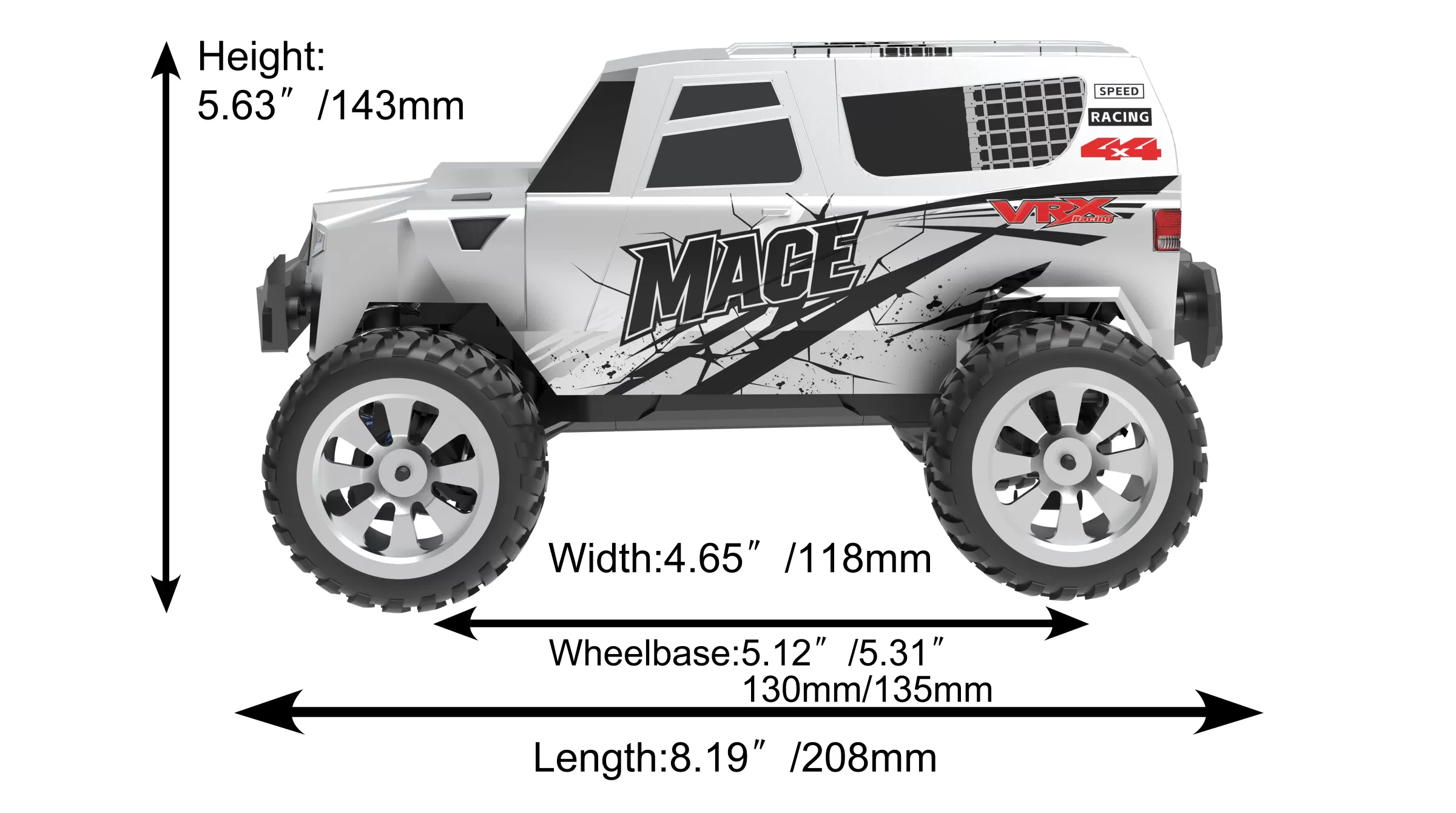
Here's a quick comparison of the three most relevant scales for most buyers:
Scale | Power | Control | Terrain | Best User |
1/8 Scale | ★★★★★ | More challenging | Extreme off-road | Advanced enthusiasts |
1/10 Scale | ★★★★ | Balanced | Mixed terrain | Most users |
1/16 Scale | ★★★ | Very easy | Light outdoor / indoor | Beginners |
Related Reading:
How Big Is a 1/24 Scale RC Car? Size, Dimensions & Real-World Comparison Guide
How Big Is a 1/16 Scale RC Car? Dimensions, Speed & Why It's the Goldilocks Size
How Big Is a 1/18 Scale RC Car? Size, Real-World Comparison & Why It's the Most Versatile Choice
1/8 Scale Electric RC Cars: The Ultimate Guide for Power, Speed & Off-Road Performance
1/10 Scale Electric RC Cars: The Perfect Balance of Speed, Control & Versatility
Choosing the right RC car scale is one of the most important decisions you'll make when entering the hobby — or expanding your collection. The scale you pick will influence not only how the car looks and feels, but also where you can drive it, how easy it is to control, how much power it delivers, and even how much you'll enjoy the experience over time.
There is no single “best” scale. The ideal choice depends on your experience level, preferred driving style, available space, terrain, and budget. Here's a practical breakdown to help you decide:
If you're just starting out, smaller to medium scales are usually the smartest choice. A 1/16 or 1/10 scale car offers enough excitement without being overwhelming. These sizes are lighter, more forgiving when you make mistakes, and easier to handle both physically and skill-wise. Many beginners begin with a 1/10 scale RTR model because it strikes the perfect balance — big enough to feel like a real RC car, yet manageable enough to build confidence quickly.
Once you've gained some experience, 1/10 scale remains the sweet spot for most drivers. It gives you room to grow through upgrades while still being practical for everyday use. If you're craving more power and presence, stepping up to 1/8 scale opens up a whole new level of performance — stronger torque, higher speeds, and superior stability on rough terrain. Many enthusiasts eventually own both a 1/10 for versatile fun and a 1/8 for more serious off-road or racing sessions.
If you love big jumps, extreme off-road, or competitive racing, 1/8 scale is often the most rewarding. The larger platform delivers noticeably more power, better stability at speed, and that commanding presence that makes every run feel epic. However, these cars require more skill, space, and investment, so they're best suited for drivers who already have solid control and are ready for the next level.
Indoor or tight spaces → 1/24 or 1/18 scale (compact, quiet, and easy to store)
Backyard and park fun → 1/10 scale (versatile and practical)
Heavy-duty bashing and big-air applications → 1/8 scale (4S-6S capable platforms for extreme durability)
Smaller scales (1/16 and below) are the most budget-friendly. 1/10 scale offers the best value for money with excellent performance and upgrade options. 1/8 scale represents a higher investment but delivers significantly more power and presence.
Quick Checklist Before You Buy
What's my current skill level?
Where will I drive most often (indoor, backyard, track, rough terrain)?
How much space do I have for storage and transport?
What's my budget for the car and future upgrades?
Do I want raw power and excitement, or easier control and versatility?
Taking a few minutes to answer these questions will save you from buyer's remorse and help you pick a car you'll actually enjoy for years to come.
1/10 scale remains the most popular size worldwide because it offers the best overall balance. It's large enough to feel exciting and realistic, yet small enough to be practical for most people. The ecosystem of parts, upgrades, and community support is unmatched, making it easy to find accessories and grow with the hobby. For the majority of drivers, 1/10 scale delivers the perfect mix of performance, usability, and fun.
When it comes to choosing an RC brand, quality, reliability, and long-term support matter just as much as performance. At VRX Racing, we've spent nearly two decades perfecting our craft with one clear goal: to deliver hobby-grade electric RC cars that perform exceptionally well while remaining practical and enjoyable for real users.
Our cars stand out for several important reasons. First, every model is engineered with a strong emphasis on balanced performance. Whether it's a versatile 1/10 scale short course truck or a powerful 1/8 scale monster truck, we carefully match motors, ESCs, suspension, and gearing so the car feels right from the very first run — exciting without being uncontrollable.
Durability is another core focus. We use reinforced chassis, quality components, and robust drivetrains that can withstand the inevitable crashes and rough treatment that come with enthusiastic driving. This means fewer broken parts and more time actually enjoying your car.
For hobbyists, our cars offer excellent upgrade potential. Most models are designed with modular architecture, featuring standard hex hubs, adjustable turnbuckles, and a modular layout that readily accepts high-kV brushless systems and upgraded electronics, metal drivetrain parts, or upgraded suspension as your skills grow.
For distributors and retailers, VRX Racing is a trusted partner. We provide stable production and supply chains, consistent quality across our entire lineup, deep spare parts availability, and competitive pricing. Our broad range covering multiple scales and vehicle types allows you to offer customers a complete selection while minimizing inventory risk. Many retailers appreciate our strong after-sales support and the fact that our cars have low return rates due to their reliability.
Whether you're an individual driver looking for your next favorite RC car or a business looking for products that sell well and keep customers happy, VRX Racing delivers the perfect combination of performance, durability, value, and professional support.
RC scale is one of the most important factors when choosing an RC car because it directly shapes your entire experience — from how the car looks and feels to where you can drive it and how challenging it is to control. There is no single “best” scale. The right choice depends on your skill level, preferred terrain, available space, and what kind of fun you're looking for.
For the majority of drivers, 1/10 scale offers the best all-around balance and remains the most recommended starting point. At VRX Racing, we design high-quality cars across multiple scales so you can find the perfect match for your needs and grow with the hobby over time.
Ready to find your ideal RC car? Explore our full collection today and discover the excitement that comes with the right scale. Have questions about which scale or model is right for you? Feel free to contact our team for personalized recommendations.
1. How big is a 1/10 scale RC car?
Typically 43–56 cm (17–22 inches) long — roughly the size of a briefcase. It's the most versatile and popular scale.
2. How big is a 1/24 scale RC car?
Usually 10–20 cm (4–8 inches) — about the size of a smartphone. Ideal for indoor and ultra-portable use.
3. Which RC scale is best for beginners?
1/10 or 1/16 scale. They are easier to control and more forgiving than larger 1/8 scale models.
4. Which scale is fastest?
1/8 scale generally has the highest speed potential due to its larger size and ability to run higher voltage systems.
5. What scale is best for off-road?
1/8 scale or larger 1/10 models. They offer better ground clearance and stability on rough terrain.