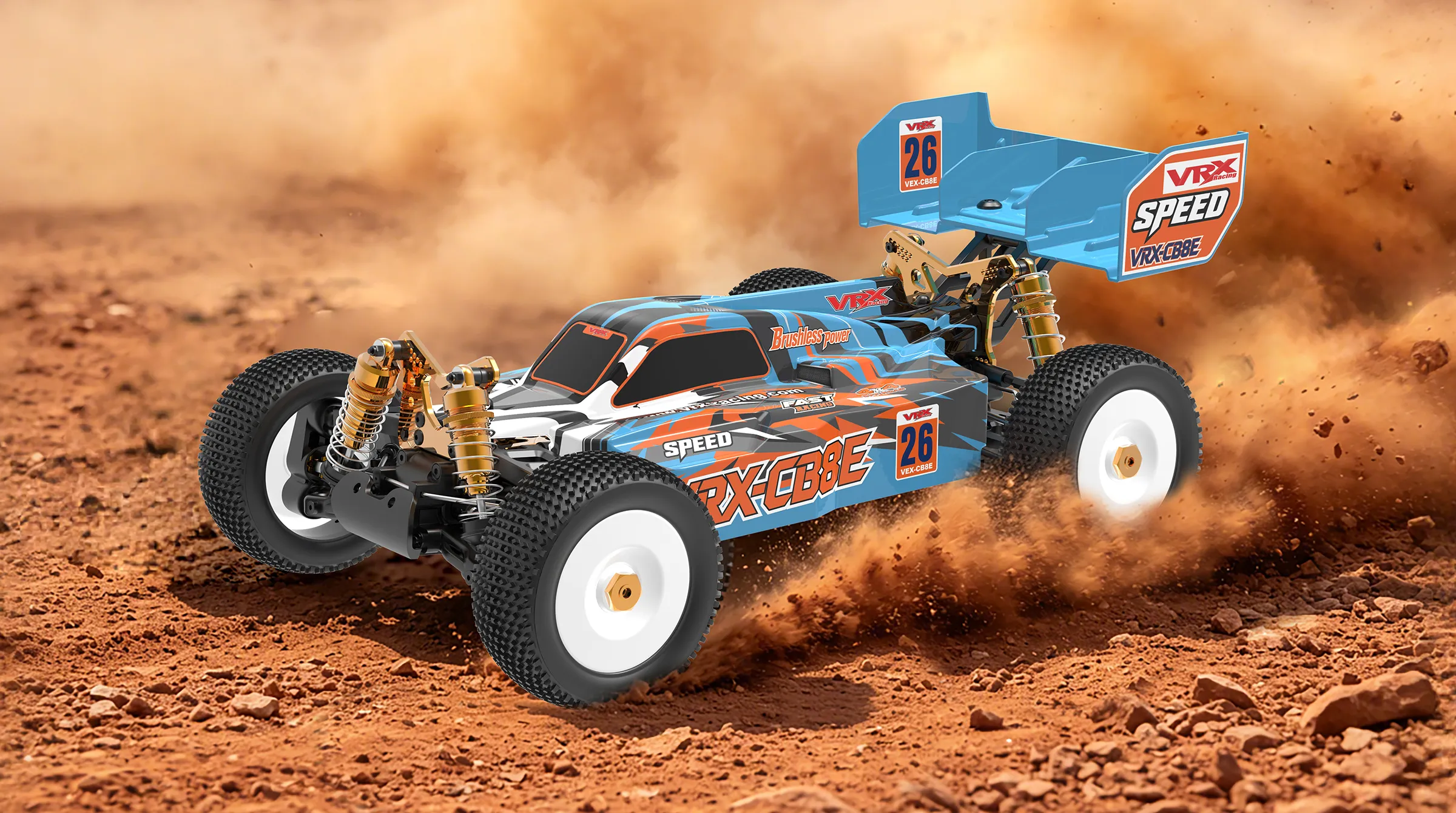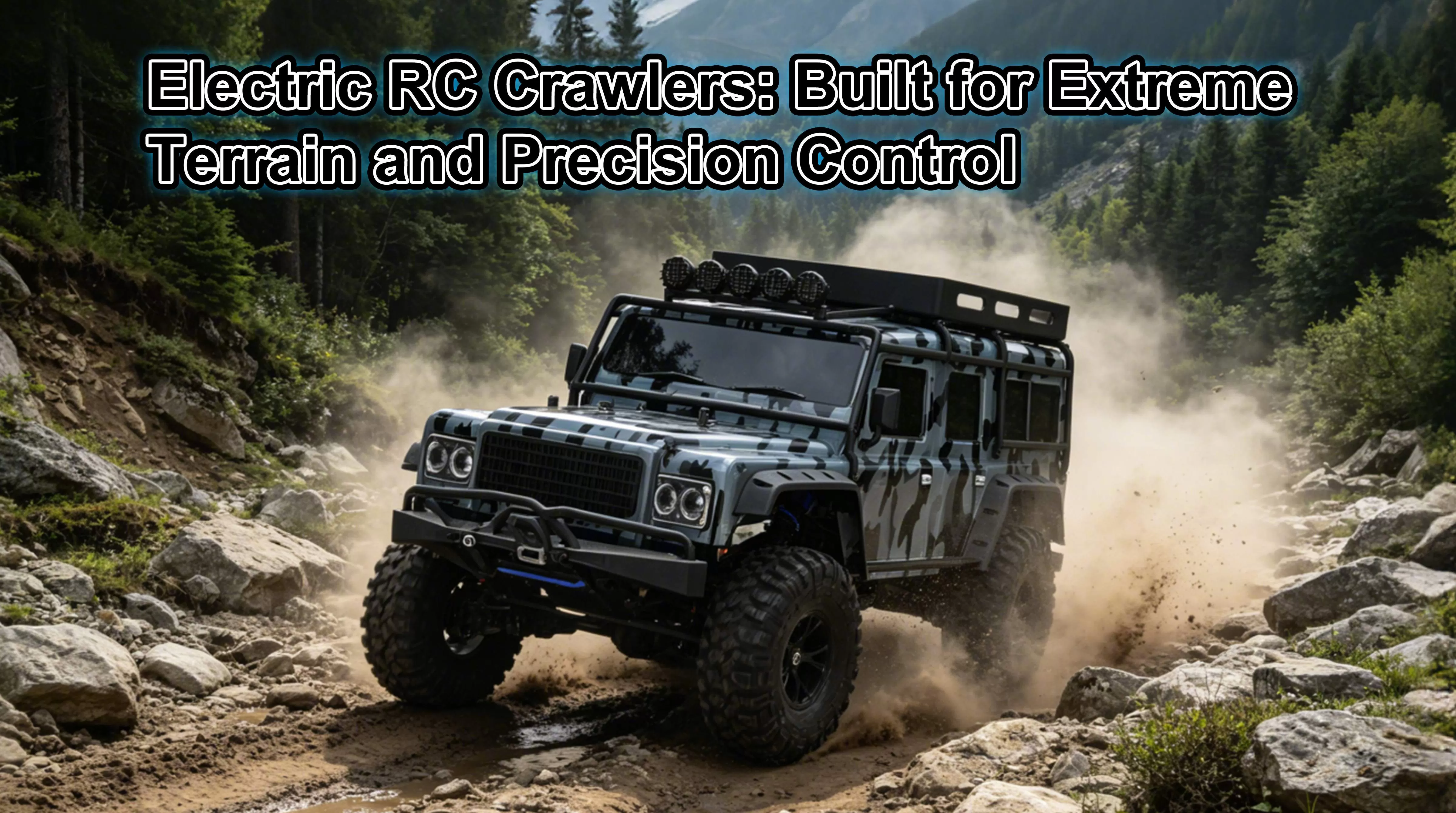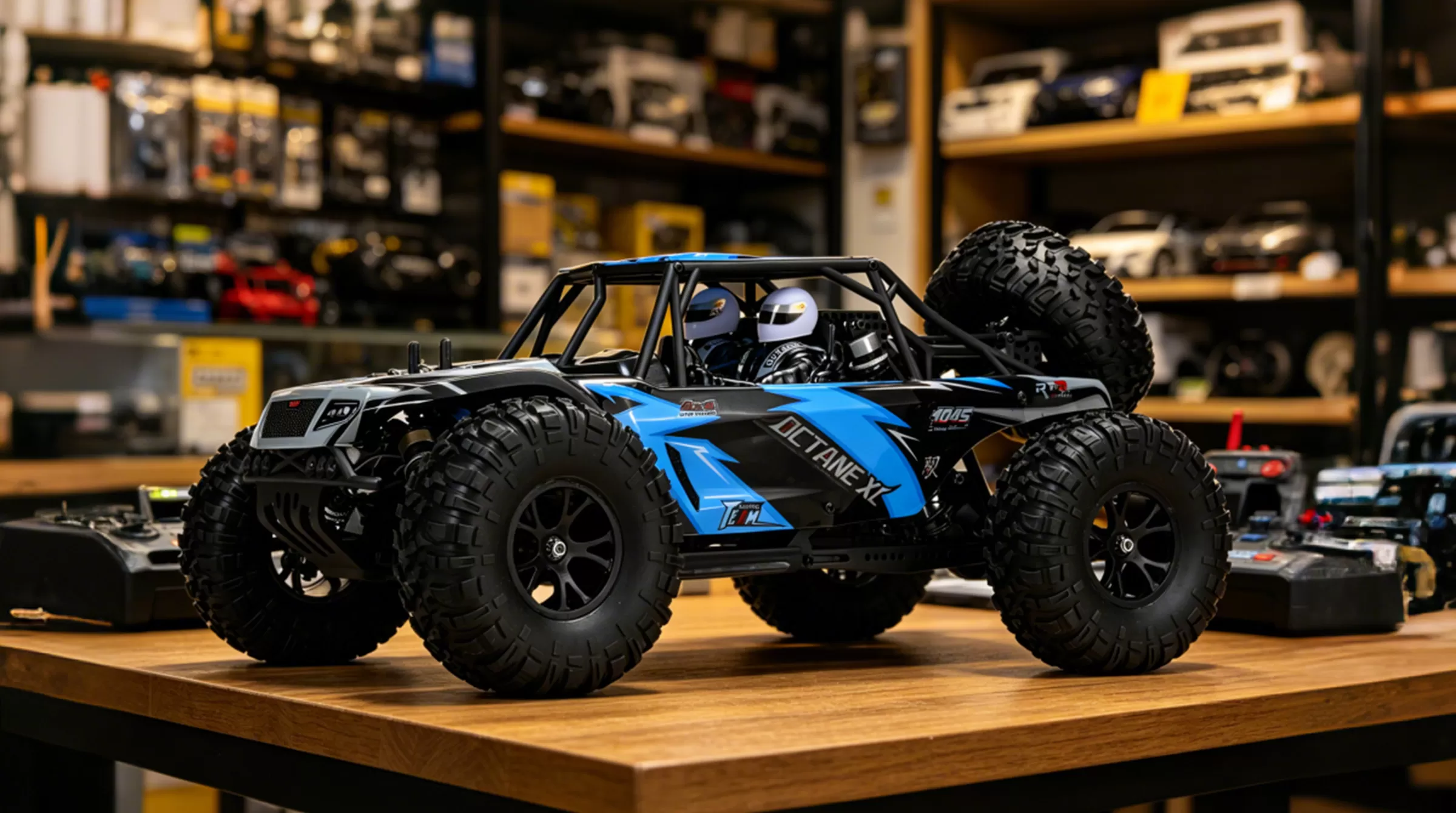
Choosing the right 1/10 scale RC car platform is one of the most important decisions a hobbyist or retailer makes. The differences between rally, touring, and drift cars go far beyond body style. Each platform is engineered for distinct surfaces, driving styles, handling characteristics, and performance goals. Understanding these differences—especially in the popular electric RC 1/10 scale category—helps buyers avoid frustration, maximize enjoyment, and make smarter purchase decisions.
This guide compares rally vs touring RC car performance, drift vs touring RC car characteristics, and overall purchase considerations so you can select the platform that best matches your intended use, skill level, and available running surfaces.
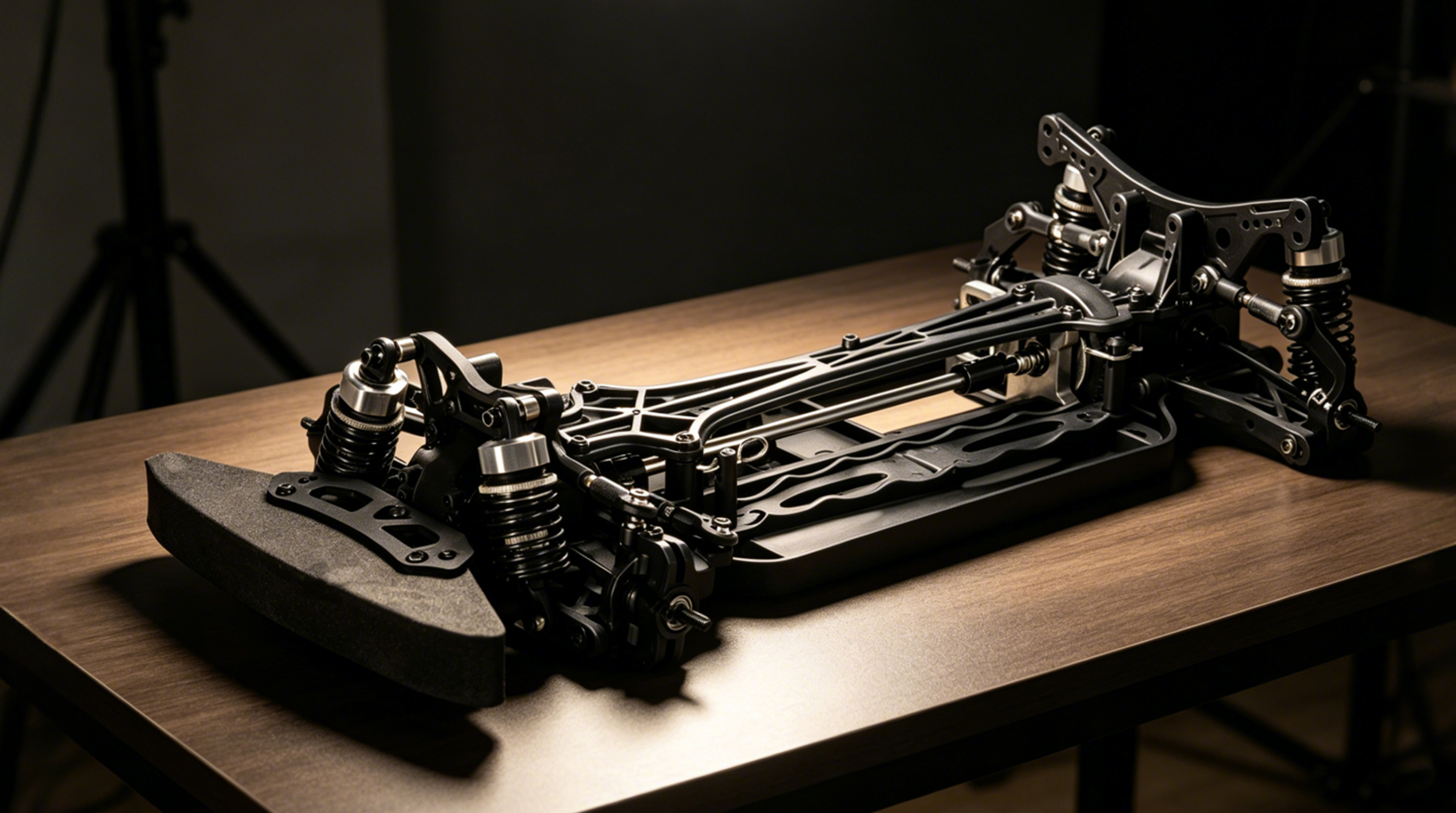
Touring cars (also called on-road cars) are built for high-speed precision racing on smooth, high-grip surfaces such as asphalt, concrete, or carpet. They feature a low center of gravity, low ride height, independent suspension with oil-filled shocks, and soft or medium-compound rubber tires that maximize traction. Most modern 1/10 electric touring cars use 4WD shaft-drive systems for predictable power delivery and stability through corners. The focus is grip, speed, and lap times rather than sliding.
Drift cars share much of the same chassis architecture as touring cars but are optimized for controlled oversteer. They typically run hard-compound plastic or high-durometer rubber tires that deliberately reduce traction, allowing sustained sideways slides. Suspension geometry is often adjusted for greater steering angle and counter-steer capability. Many 1/10 electric RC drift cars remain 4WD for easier initiation and recovery, though advanced drivers may prefer RWD setups. The experience prioritizes style, angle, and throttle control over outright speed.
Rally cars sit between pure on-road and full off-road platforms. They offer higher ground clearance and longer suspension travel than touring cars, along with specialized rally-block tread tires designed for mixed surfaces—asphalt, gravel, packed dirt, and light trails. Sealed or splash-protected drivetrains help manage dust and moisture. The result is versatile, realistic power-slide capability across changing terrain while retaining much of the on-road responsiveness of a touring chassis. Popular options include the 1/10 rally car platforms.
These distinctions matter greatly when comparing rally vs touring RC car suitability or drift vs touring RC car behavior on the same surface.
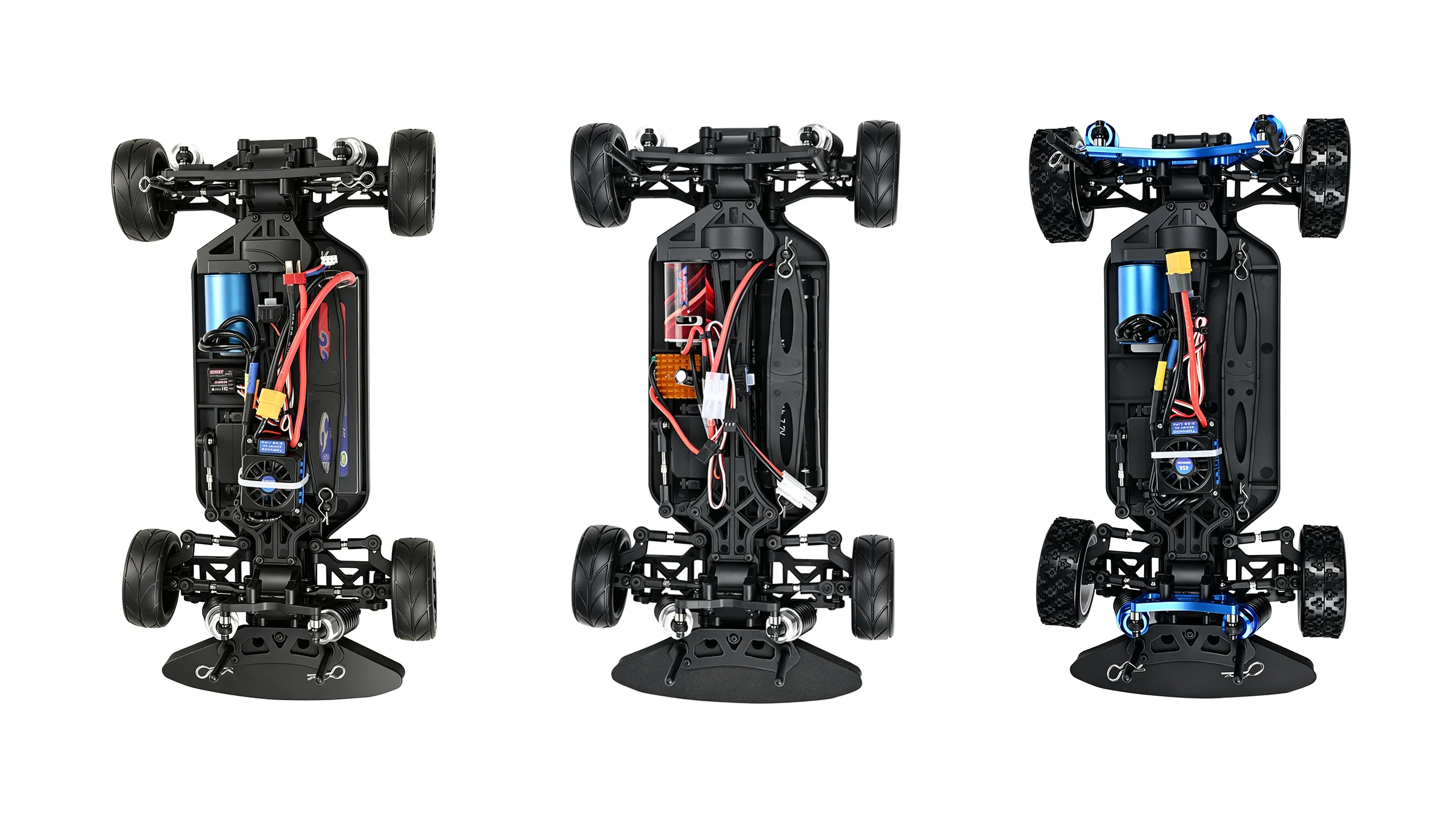
Touring cars excel only on smooth, flat surfaces. Their low ride height and soft tires provide exceptional cornering grip and high top speeds on prepared tracks, but they struggle on anything uneven or loose. Attempting gravel or dirt quickly leads to loss of control and potential damage.
Electric RC drift cars demand the smoothest possible surfaces—polished concrete, dedicated drift carpet, or very smooth asphalt. Hard tires break traction easily and sustain long slides, but the same low-clearance chassis makes them unsuitable for outdoor mixed terrain. The driving technique revolves around throttle modulation and precise counter-steering rather than maximum grip.
Electric RC rally cars shine in versatility. Specialized tires and suspension geometry allow confident transitions between pavement and loose surfaces. Drivers can execute controlled slides through gravel sweepers and then accelerate hard on asphalt straights. While they lack the extreme clearance of a pure buggy or the ultimate on-road grip of a dedicated touring car, they deliver the most authentic mixed-surface experience in the 1/10 electric category. This makes the rally remote control car highly appealing for multi-surface use.
In short, choose touring for pure track speed and precision, drift for technical sideways fun on flat floors, and rally when you want one platform that handles real-world varied surfaces.
Most 1/10 electric platforms in these categories share similar overall dimensions (roughly 360–370 mm length, 190 mm width) and 4WD shaft-drive layouts with metal differentials and oil-filled shocks. The meaningful differences appear in tuning and component selection.
Touring cars prioritize low center of gravity, adjustable camber/toe/caster, and soft tires for maximum mechanical grip. Drift versions of the same chassis swap to hard tires and often increase steering throw or alter suspension settings for easier angle. Rally platforms raise ride height slightly, fit more aggressive treaded tires, and may add reinforced shock towers or better sealing for durability on imperfect surfaces.
Power systems further differentiate the experience. Brushed motors offer smooth, controllable throttle ideal for learning drift technique or budget-friendly touring. Brushless systems deliver higher top speeds and stronger acceleration, popular in competitive touring and higher-performance electric RC rally car models. Battery choice (NiMH for simplicity or LiPo for power) and ESC programming also influence drivability across platforms.
Manufacturers such as VRX Racing design dedicated variants within these categories. Their 1/10 electric lineup includes touring models like the X-Ranger series for on-road grip, dedicated electric RC cars drift versions of similar chassis equipped with hard-compound tires for controlled slides, and rally platforms such as the COEUS that combine brushless power, aluminum shock towers, and rally-specific tires for mixed-surface performance. These VRX Racing RC car options illustrate how a single engineering foundation can be optimized for different driving styles while maintaining parts commonality and serviceability. Models covering RC rally car racing applications further expand the range.
When deciding between rally vs touring RC car or drift vs touring RC car platforms, evaluate four practical factors:
1. Available surfaces and space — Indoor carpet or polished floors favor drift or touring. Outdoor mixed terrain favors rally. Pure track racing points strongly to touring.
2. Skill level and learning curve — Touring cars are relatively forgiving once basic throttle control is mastered. Drift requires deliberate practice of counter-steering and throttle modulation. Rally sits in between, rewarding progressive throttle and anticipation of surface changes.
3. Maintenance and running costs — Hard drift tires wear differently from soft touring rubber. Rally tires and sealed components handle dust better but may need more frequent cleaning after mixed-surface use. Choosing a brand with strong spare-parts support reduces long-term ownership friction.
4. Intended use and upgrade path — Competitive racers often start with touring for organized events. Style-focused drivers lean toward drift. Casual or multi-environment users frequently prefer the versatility of rally. Many 1/10 platforms accept common upgrades (motors, ESCs, aluminum parts, bodies), so an entry-level brushed model can evolve as skills grow.
Ready-to-run (RTR) packages simplify entry by including radio, battery, and charger. Factory-direct manufacturers like VRX Racing emphasize durability, adjustable suspension, and complete parts availability, making them practical for both individual buyers and retailers stocking multiple platforms.
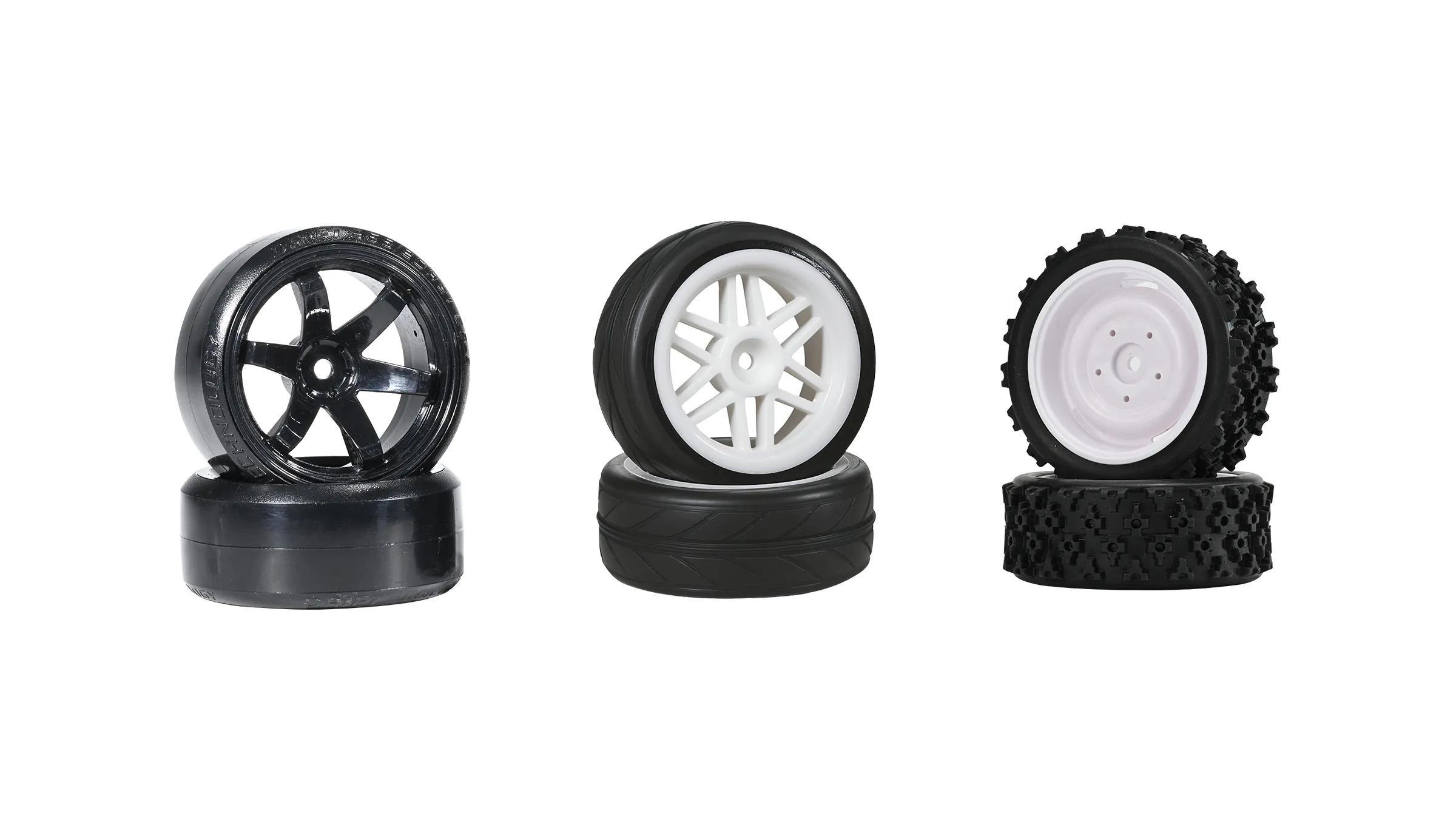
Select a touring car if your priority is high-grip speed, precise cornering, and organized on-road racing on smooth surfaces. It delivers the purest expression of RC track performance.
Choose a drift car if you want the technical challenge and visual spectacle of sustained slides on indoor or polished outdoor surfaces. It rewards practice and offers a uniquely engaging skill progression.
Opt for a rally car when versatility matters most. It bridges on-road responsiveness and light off-road capability, making it ideal for mixed terrain, casual driving, and realistic power-slide fun.
Many enthusiasts eventually own more than one platform because each delivers a distinct experience. Starting with a well-engineered 1/10 electric model from an established manufacturer provides a solid foundation that can be tuned, repaired, and upgraded over time.
The right choice ultimately depends on where and how you plan to drive. Match the platform to your primary surface and preferred style, and the 1/10 scale category will reward you with years of engaging, high-performance RC driving. Whether you prioritize lap times, drift angle, or multi-surface adventure, understanding the core engineering differences between rally, touring, and drift cars ensures your next purchase delivers exactly the experience you want.