When investing in a hobby-grade RC vehicle, one of the first questions enthusiasts and parents ask is: How long do electric RC cars last? Will it break after a few crashes, or will it provide years of high-speed entertainment?
The truth is, an RC car is a real piece of machinery. Just like a real car, its lifespan depends heavily on how it is built, how it is driven, and how it is maintained. In this complete 2026 durability guide, we will break down the expected lifespan of electric RC cars, what causes them to wear out, and the maintenance secrets to keep them running for years.
Direct Answer: On average, the lifespan of an electric RC car depends entirely on its quality tier.
Entry-Level (Toy-grade): 1 to 2 years
Mid-Range (Hobby-grade): 2 to 4 years
High-Quality (Premium Hobby-grade 14+): 5+ years (often lasting a decade with proper care).
Crucial Note: How frequently you drive and how well you maintain the vehicle play a massive role. A heavily abused car might need parts replaced in months, while a well-maintained car will last indefinitely since almost every part is replaceable.
RC Car Tier | Average Lifespan | Typical Use Case |
Toy-Grade | 1 – 2 Years | Indoor use, light outdoor play. Parts are rarely replaceable. |
Mid-Range Hobby | 2 – 4 Years | Park bashing, light jumps. Replaceable parts extend life. |
High-End / VRX Racing | 5+ Years | Heavy bashing, competitive racing. Fully rebuildable. |
To understand how long your car will last, you need to look at the five critical factors that dictate RC durability:
Build Quality: The materials used in the chassis, gears, and suspension.
Battery Health: How well you care for your LiPo batteries.
Motor Wear: Whether you are using brushed or brushless technology.
Driving Conditions: The terrain and weather you expose the car to.
Maintenance: How often you clean and lubricate the moving parts.
Let's explore exactly how these factors impact your vehicle.
Not all RC cars are created equal. The materials used in manufacturing are the baseline for durability.
Plastics vs. Metals: Cheap, brittle plastics will snap on the first impact. High-quality hobby cars use flexible composite plastics that absorb shock, paired with aluminum chassis plates and steel drivetrain gears to handle extreme torque.
Suspension & Bumpers: A well-designed oil-filled shock setup and a wide, flexible front bumper will absorb the energy of a 40 mph crash, saving the delicate electronics inside.
The VRX Advantage: At VRX Racing, our 14+ hobby-grade vehicles are engineered with reinforced structures, heavy-duty metal differentials, and high-impact composite arms. This ensures our cars survive the heavy bashing that enthusiasts love, making them a top choice for distributors seeking low-return, high-satisfaction products.
For electric RC cars, the battery is the fuel tank. Modern hobby-grade cars run on Lithium Polymer (LiPo) batteries.
A standard LiPo battery will last for about 300 to 500 charge cycles. However, improper use will kill a battery in just a few weeks. Leaving a LiPo fully charged for weeks, or draining it completely dead (over-discharging), causes irreversible chemical damage.
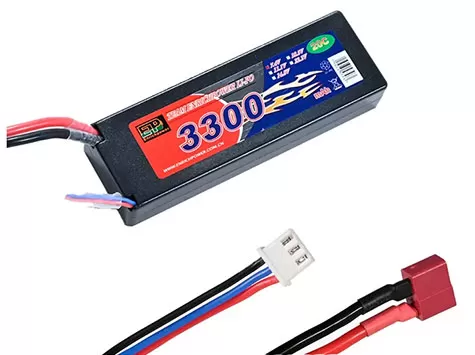
Pro Tip: Always put your RC car battery into "Storage Voltage" (around 3.8V per cell) if you aren't going to drive the car for more than a few days.
Battery Usage Habit | Expected Battery Life |
Stored at correct voltage, never over-drained | 3+ Years (300-500 cycles) |
Stored fully charged regularly | 1 Year (Puffs up and loses capacity) |
Over-discharged (run until the car stops entirely) | Can die on the very first use |
Related Reading: Electric RC Car Performance & System Efficiency
Battery lifespan is closely tied to how the entire RC system is used. Factors like motor load, gearing, driving style, and electronics efficiency all influence battery stress and degradation over time. Understanding the full system helps you not only extend battery life but also improve overall performance: What Affects Electric RC Car Performance? A Complete Guide to Speed, Power & Efficiency
The type of motor you choose heavily influences how long your car will run before needing a rebuild.
Brushed Motors: Contain carbon brushes that physically rub against the motor shaft. This friction means they naturally wear out and typically need replacing every 6 to 12 months under heavy use.
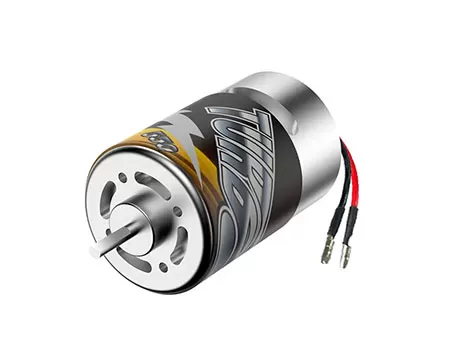
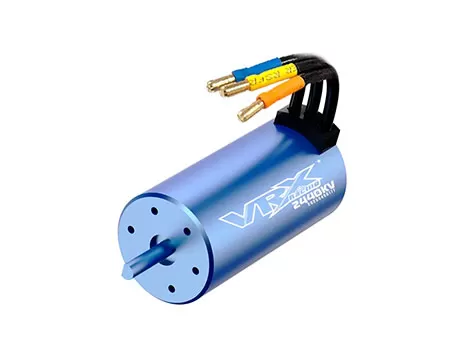
Brushless Motors: Use magnetic fields instead of physical brushes. With zero internal friction, brushless motors for RC cars are vastly more durable and can last for years without ever needing internal maintenance.
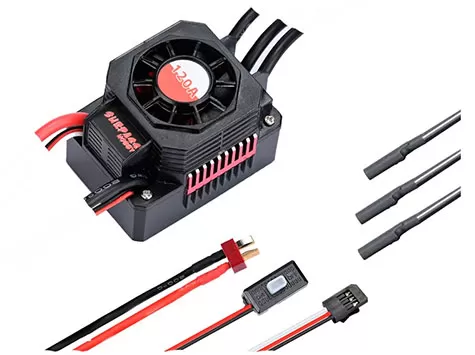
Beware of Heat: The biggest killer of both motors and Electronic Speed Controllers (ESCs) is overheating. Pushing a car too hard in tall grass can fry the electronics in minutes.
The environment is your RC car's biggest enemy.
Sand and Fine Dirt: Gets into uncovered gears and bearings, grinding them down like sandpaper.
Water and Mud: Even if your electronics are "waterproof," water will rust steel screws, hinge pins, and bearings if not dried immediately.
Big Jumps (Skateparks): Landing a 10-foot jump on solid concrete puts immense stress on the chassis and suspension arms, leading to inevitable breakages.
If there is one rule in the RC hobby, it is this: Maintenance can easily double the lifespan of your RC car.
Neglecting maintenance turns a $300 high-performance machine into a broken toy. To keep your car alive, you must:
1. Clean it: Brush off dirt and use an air compressor after every run.
2. Check Screws: Metal vibrating against metal will cause screws to back out. Check your wheel nuts and chassis screws regularly.
3. Lubricate: Apply light oil to bearings and ensure your differentials are properly greased.
4. Care for Batteries: Balance-charge your LiPos and inspect wires for fraying.
Want to maximize your investment? Follow these practical steps:
Let it Cool Down: Give your motor and ESC a 10-minute break between battery packs.
Use the Right Gear Ratio: If you put on larger, heavier tires, install a smaller pinion gear to prevent the motor from overheating.
Do Pre-Run Checks: Wiggle the wheels to check for loose bearings before you hit full throttle.
Related Reading: What Affects Electric RC Car Performance?
The same factors that influence durability—such as build quality, motor type, battery health, and driving conditions—also play a major role in overall performance, including speed, power, and efficiency. Explore how these elements work together in real-world driving scenarios: What Affects Electric RC Car Performance? A Complete Guide to Speed, Power & Efficiency
Looking to balance long-term durability with high performance across your product lineup? Explore our Electric RC Cars collection or connect with the VRX Racing team. We help you optimize configurations that deliver both reliable lifespan and strong on-track performance based on different market needs.
Even with the best care, parts wear out. Watch out for these warning signs:
Battery Runtime Drops Significantly: If your 20-minute drive turns into 5 minutes, your battery is degrading and needs replacing.
Loss of Power or Speed: A motor that sounds like it's screaming but the car is moving slowly usually means a stripped spur gear or a burnt-out slipper clutch.
Erratic Control (Glitching): If the car steers by itself or the throttle stutters, your servo is failing or your receiver has gotten wet.
Historically, hobbyists debated whether nitro (gas) or electric cars lasted longer. Today, the answer is clear:
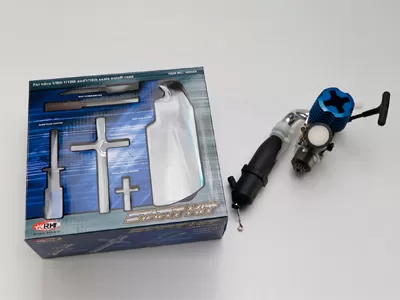
Nitro Cars: Combustion engines have a finite lifespan. The piston and sleeve wear down over time, requiring expensive engine rebuilds. They also involve corrosive fuels and heavy vibrations that loosen chassis parts.
Electric Cars: With fewer moving mechanical parts and frictionless brushless motors, modern electric RC cars have a significantly longer overall lifespan and require far less mechanical rebuilding.
Related Reading: Nitro vs Electric RC Cars – Which One Should You Choose?
Lifespan is a key factor when comparing nitro and electric RC cars, but it's only one part of the bigger picture. Maintenance requirements, performance characteristics, cost of ownership, and usability all play an important role in choosing the right platform. Explore a full breakdown of both systems: Nitro vs Electric RC Cars: Which One Should You Choose in 2026?
As a premier manufacturer of 14+ hobby-grade RC vehicles, VRX Racing understands that durability is the ultimate metric of quality.
We design our electric RC cars with longevity built into their DNA:
Reinforced Chassis Designs: We utilize thick aluminum and high-density composites that flex under impact rather than shattering.
High-Quality Drivetrains: Factory-installed steel gears and sealed bearings keep dust out and power flowing smoothly for years.
B2B Advantage: For distributors, hobby shops, and dropshippers, selling a highly durable product like VRX means drastically lowering after-sales support costs and warranty claims, while guaranteeing high customer satisfaction and repeat parts business.
So, how long do electric RC cars last? The answer is largely up to you.
While cheap toy cars belong in the trash after a few months, a high-quality, hobby-grade electric RC car is a long-term investment. By driving responsibly, upgrading to brushless technology, and dedicating just 10 minutes to maintenance after a bash session, your vehicle can easily provide 5 to 10 years of high-speed thrills.