The motor is the absolute heart of your RC car. Whether you are looking for smooth, low-speed crawling over rocks or screaming down the asphalt at 60+ mph, the type of motor you choose dictates your vehicle's entire performance.
But if you are new to the 14+ hobby-grade RC world, the terminology can be overwhelming. In this complete guide, we will break down exactly what types of motors are used in RC cars, how they work, and how to choose the perfect one for your setup.
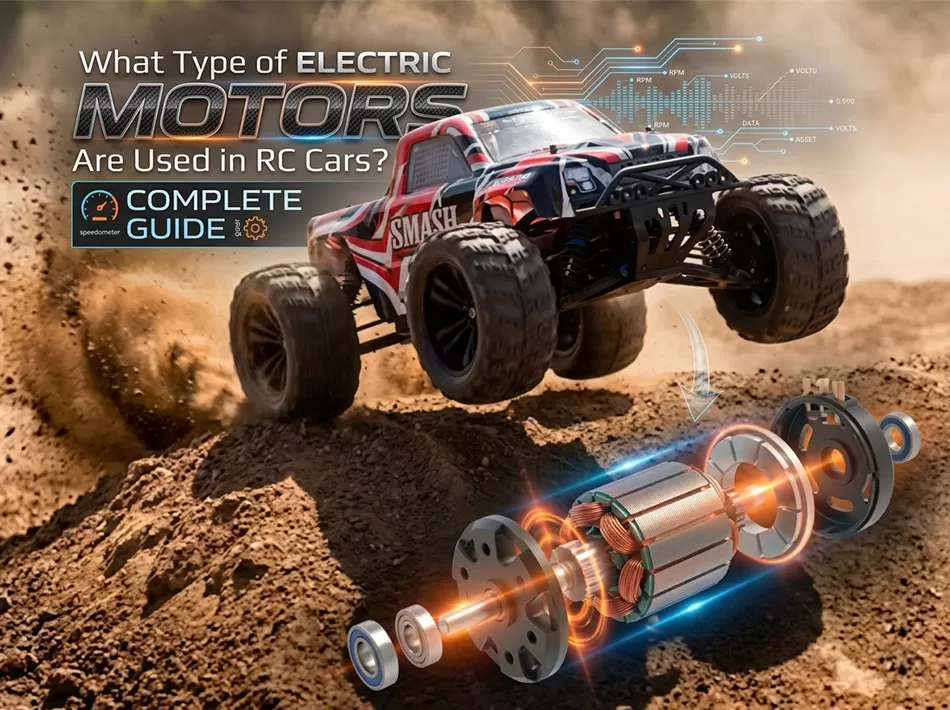
Direct Answer: There are two main types of electric motors used in hobby-grade RC cars today: Brushed motors and Brushless motors.
Most modern, high-performance RC cars use brushless motors for better top speed, increased efficiency, and longer lifespans.
Motor Type | Common Use | Target Audience |
Brushed Motors | Entry-level RC cars, Rock Crawlers | Beginners, Casual hobbyists |
Brushless Motors | High-speed buggies, Racing trucks, Drifters | Enthusiasts (14+), Racers |
At the most basic level, an RC car motor converts electrical energy from your battery into mechanical energy to turn the wheels.
When an electrical current from the battery enters the motor, it creates an electromagnetic field. This magnetic field continuously pushes and pulls against permanent magnets inside the motor casing, forcing the central shaft (the rotor) to spin.
Think of it like a standard desk fan: Electricity powers a magnet inside the base, which forces the fan blades to spin and push air. In an electric RC car, that spinning force is sent through gears to push the tires.
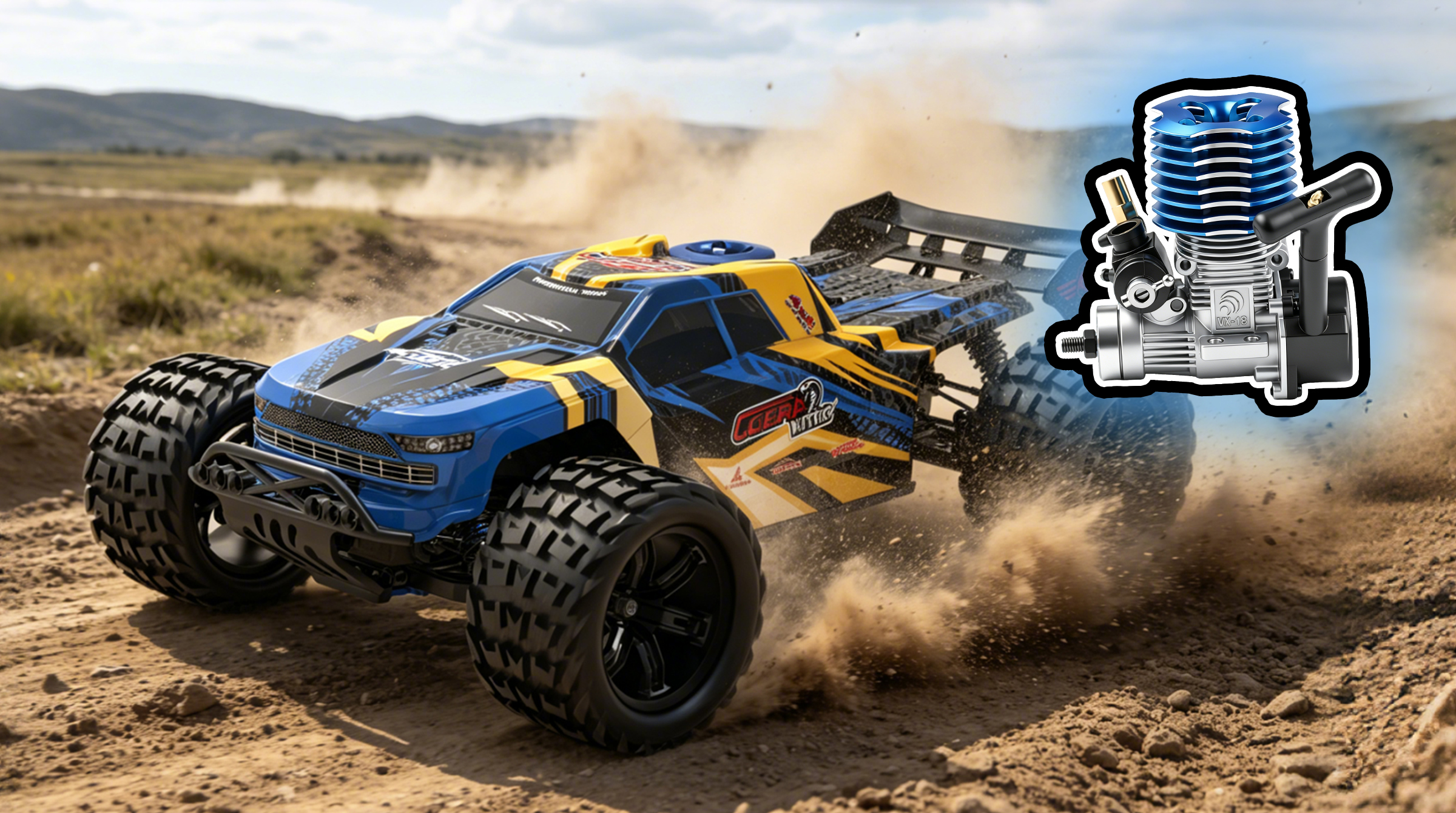
Brushed motors are the older, more traditional technology. Inside the motor casing, there are small physical blocks made of carbon—called "brushes." These brushes physically rub against the spinning part of the motor (the commutator) to deliver electricity.
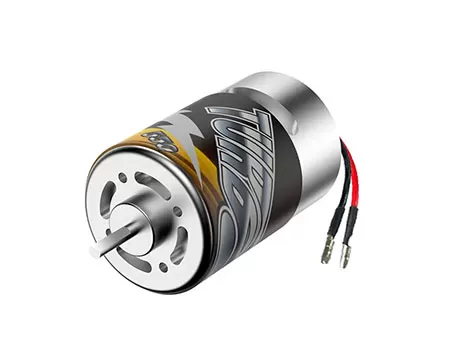
Because of their simple design, they are incredibly cheap to manufacture and very easy to maintain. However, that physical friction creates heat and wear.
Pros of Brushed Motors | Cons of Brushed Motors |
Very affordable | Lower top speeds |
Excellent low-speed throttle control | Lower efficiency (drains battery faster) |
Water-resistant by nature | Brushes wear out over time; shorter lifespan |
Best For: Entry-level beginner RC cars, or rock crawlers where low-speed, precise control is more important than raw speed.
Brushless motors are the modern standard for hobby-grade performance. As the name implies, there are no physical brushes inside.
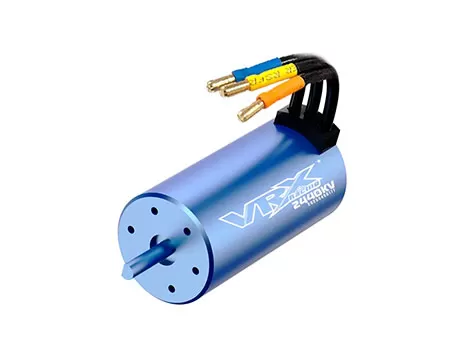
Instead of physical contact, a brushless motor relies on an Electronic Speed Controller (ESC) to rapidly pulse electricity to electromagnets around the outside of the motor, pulling the internal rotor along without any physical friction.
Less friction means less heat, massive jumps in RPMs, and incredibly high efficiency.
Pros of Brushless Motors | Cons of Brushless Motors |
Extreme top speeds and raw power | More expensive than brushed systems |
Highly efficient (longer battery run times) | Requires a compatible Brushless ESC |
Zero internal maintenance required | Can be too powerful for absolute beginners |
VRX Racing Focus: Because we cater to the 14+ hobby-grade market, VRX Racing equips its high-performance models with top-tier brushless motor systems, ensuring our drivers get the adrenaline-pumping speed and durability they expect.
Related Reading: Brushed vs. Brushless Motors – Which One Is Right for You?
Now that you understand how brushed and brushless motors work internally, the next step is comparing their real-world performance differences. From speed and efficiency to maintenance and cost, both systems offer very different driving experiences depending on your needs: Brushed vs. Brushless Motors - The Heart of Your RC Race Car Explained
When shopping for RC brushless motors, you will constantly see numbers like 3300KV or 4000KV.
KV stands for RPM (Revolutions Per Minute) per 1 Volt of electricity.
If you have a 3000KV motor and you plug in a 7.4V (2S) battery, the motor will spin at 22,200 RPM under no load (3000 x 7.4).
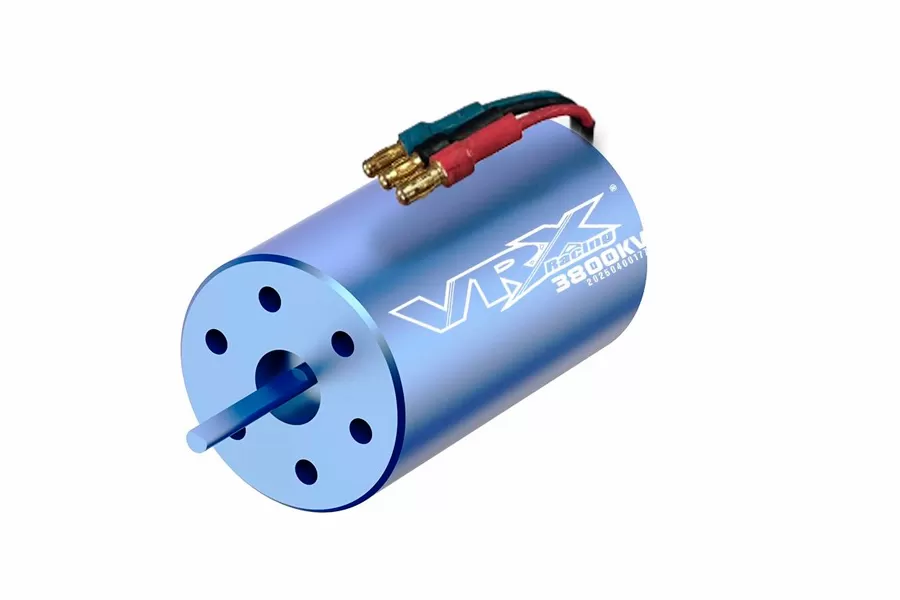
There is a golden rule in RC motors: Higher KV means higher top speed, but lower torque. Lower KV means lower top speed, but massive torque.
KV Range | Characteristics | Best Used For |
1500KV - 2500KV | High Torque, Low Speed | Heavy 1/8 Monster Trucks, Rock Crawlers |
3000KV - 4000KV | Balanced Speed & Punch | 1/10 Buggies, Short Course Trucks, Bashers |
4500KV - 6000KV+ | Extreme Speed, Low Torque | Lightweight On-Road Touring Cars, Drifters |
The motor you choose has a domino effect on the rest of your vehicle:
Acceleration (Punch): Brushless motors are far for RC cars deliver immediate, brutal acceleration compared to brushed motors.
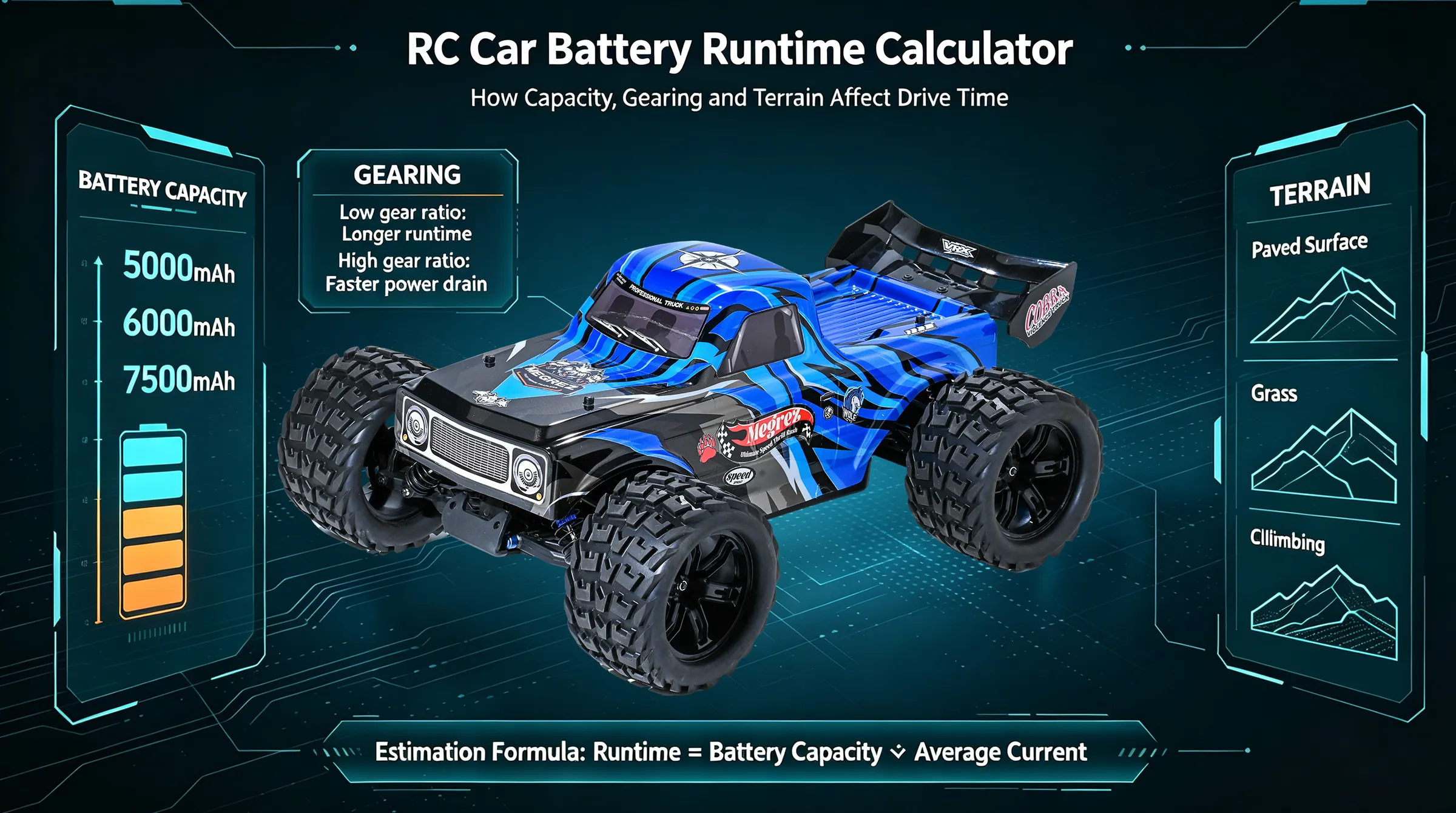
Top Speed: Paired with high-voltage LiPo batteries, brushless motors can easily push cars past 50 mph.
Heat Generation: Because brushed motors have friction, they run much hotter. Brushless motors convert more battery power into movement rather than wasted heat.
Choosing the right motor isn't just about picking the fastest one; it’s about matching the motor to the vehicle’s purpose. Here is a quick checklist to help you decide:
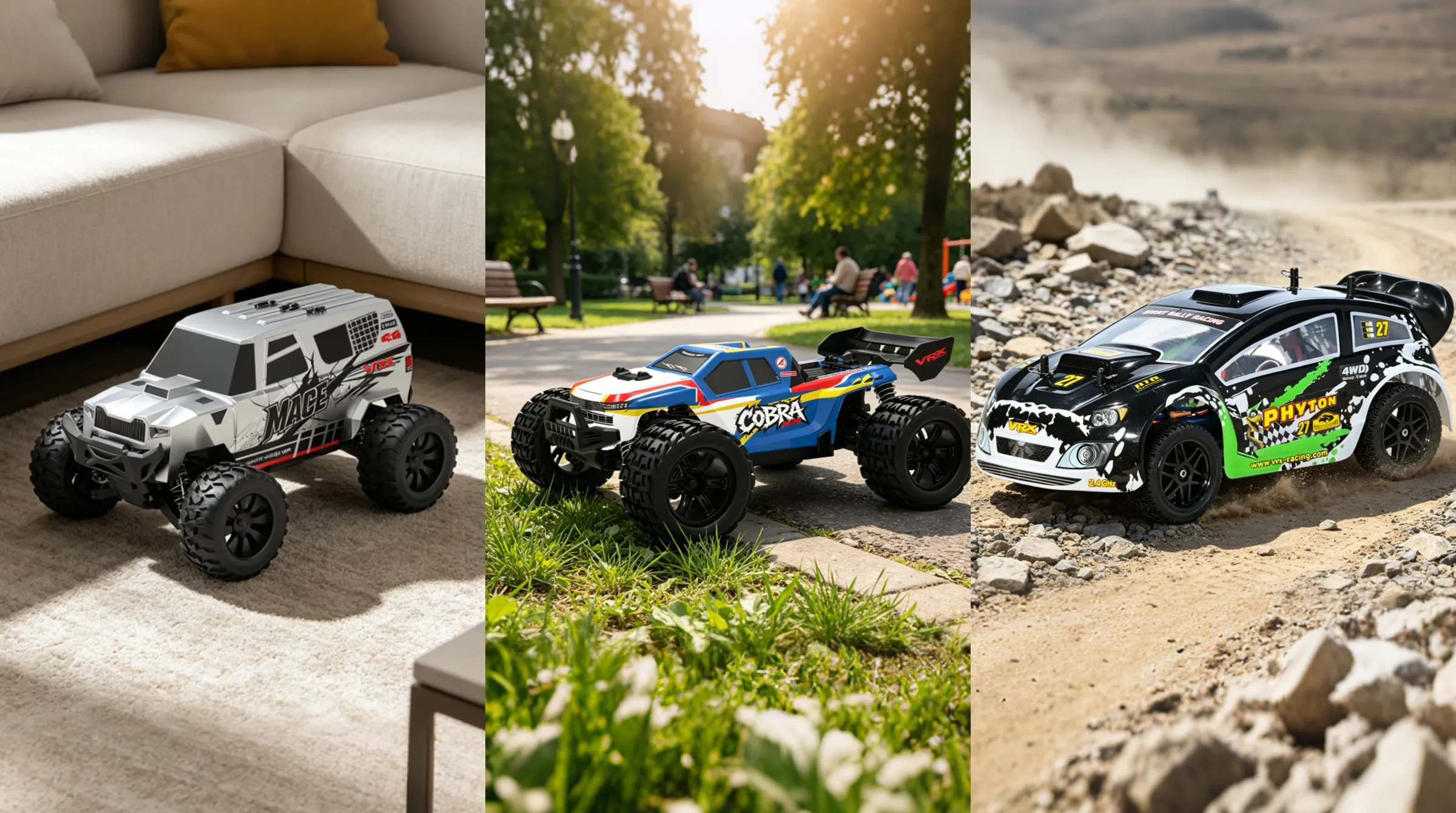
For Beginners / Backyard Bashing: A brushed motor or a low-KV (around 3000KV) brushless motor. It provides plenty of fun without being uncontrollable.
For High-Speed Racing / On-Road: A high-KV brushless motor (4000KV+) paired with a high-gear ratio to maximize top-end speed on flat surfaces.
For Off-Road / Heavy Monster Trucks: A low-KV brushless motor (2000KV - 2500KV) to provide the raw torque needed to push large tires through thick grass and dirt.
Yes! Upgrading your motor is one of the most popular modifications in the RC hobby. However, you cannot simply plug any motor into any car.
If you are upgrading from a brushed motor to a brushless motor, you must also upgrade your Electronic Speed Controller (ESC) to a brushless-compatible version. Furthermore, you need to ensure your battery has a high enough discharge rate (C-rating) to handle the power draw of the new motor.
To keep your RC car running flawlessly, avoid these common beginner traps:
Putting a High-KV Motor in a Heavy Truck: High-KV motors lack the torque to push heavy monster trucks. The motor will struggle, overheat, and eventually burn out.
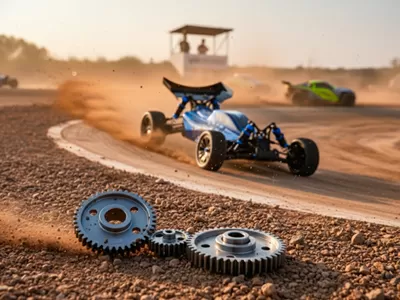
Ignoring Gear Ratios: If you upgrade to a faster motor, you may need to install a smaller pinion gear to keep the motor from overheating.
Forgetting Cooling: Brushless motors are efficient, but running a 3S or 4S LiPo battery will still generate heat. Always install a motor heatsink and cooling fan for high-speed setups.
The motor is the beating heart of your RC car—choosing the right one determines everything from your top speed and acceleration to how long your vehicle will last on the track.
While brushed motors still have a place for absolute beginners and rock crawlers, brushless motors are the undeniable future of the 14+ hobby-grade RC experience.