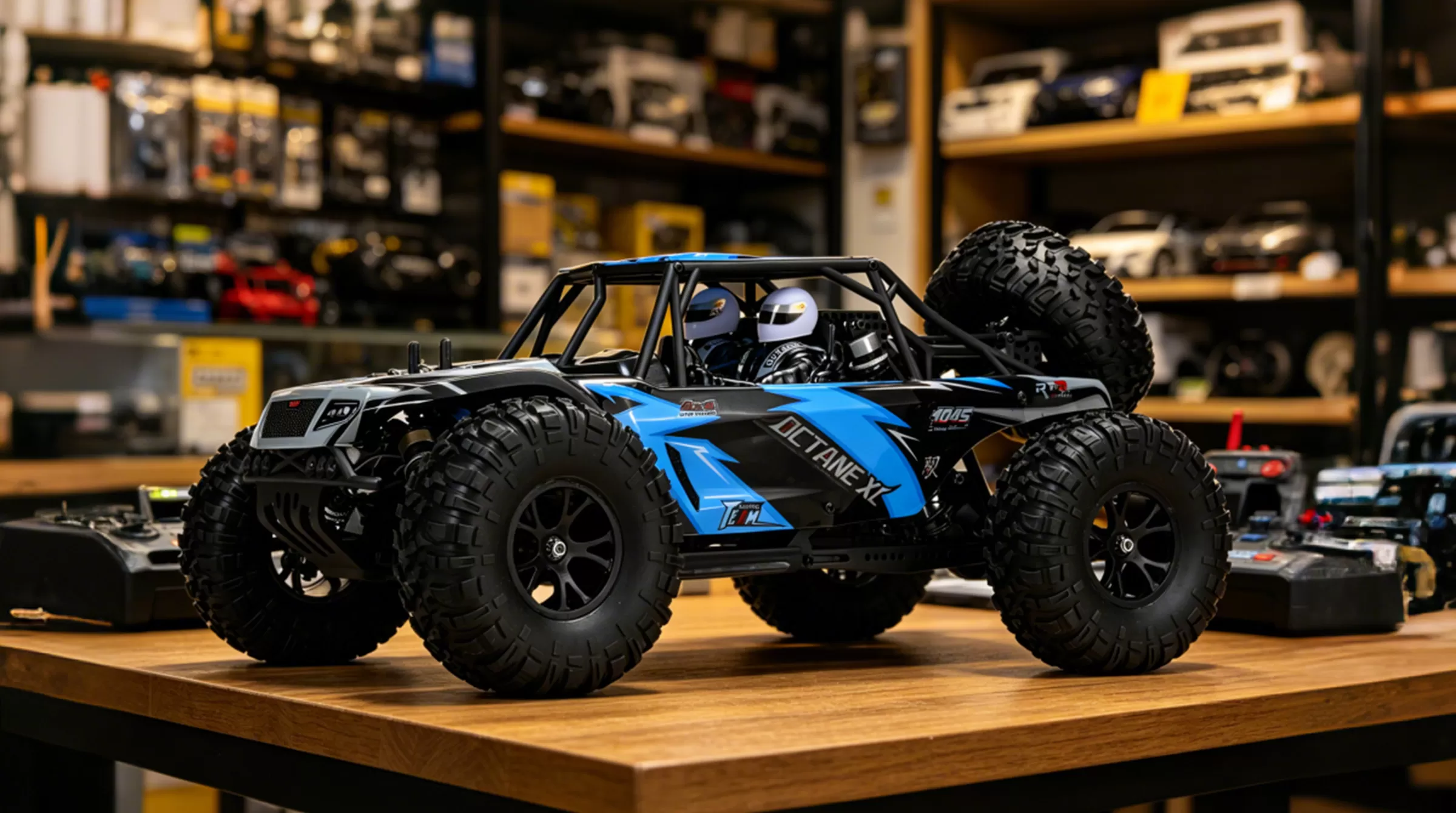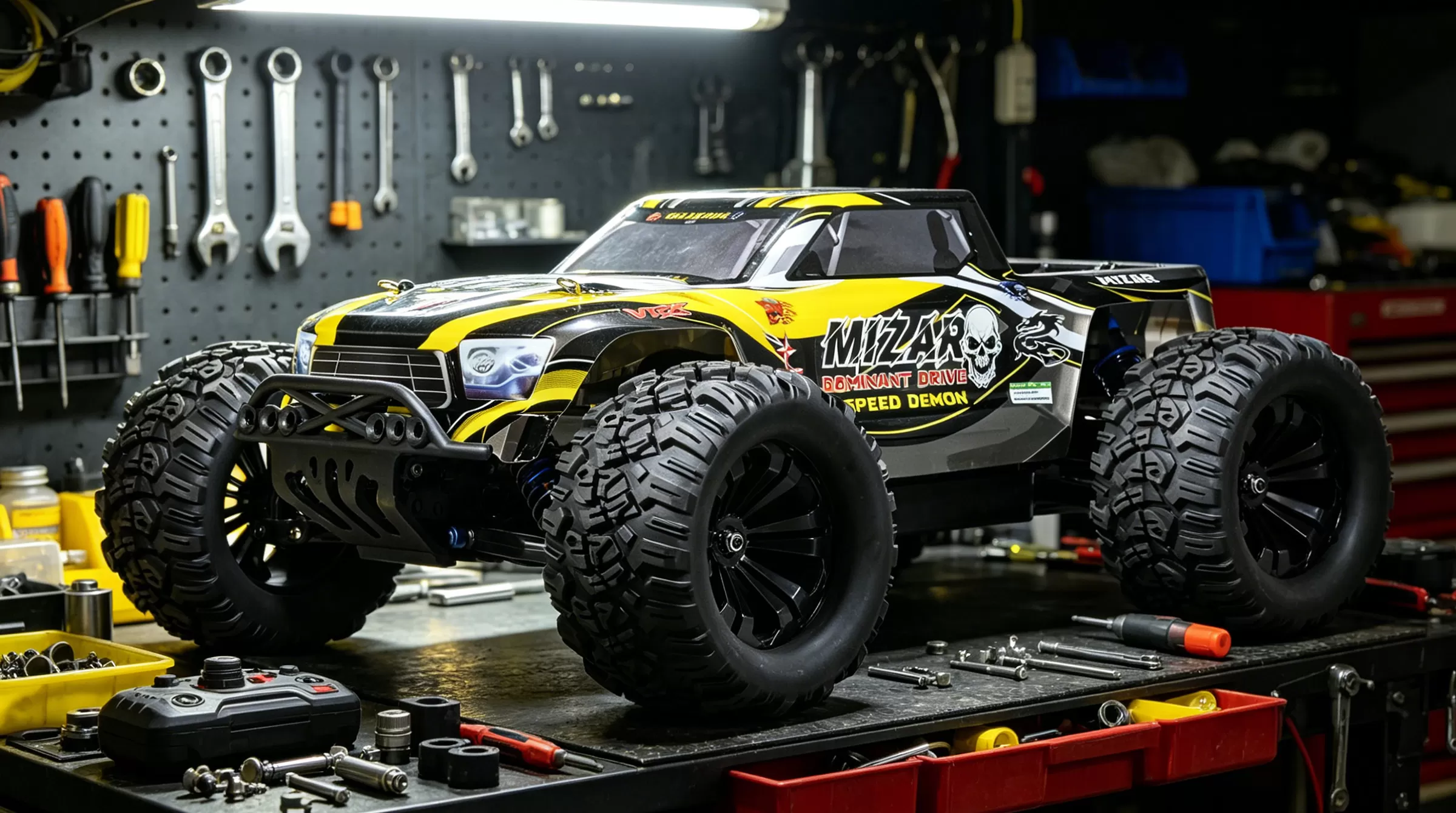
Brushless electric RC cars have become the modern standard for hobby-grade performance. By replacing traditional brushed motors with more advanced brushless technology, these vehicles deliver significantly higher speeds, stronger acceleration, better efficiency, and much lower maintenance. Whether you are upgrading an existing car or buying a new one, brushless systems represent a clear leap forward in RC enjoyment and reliability.
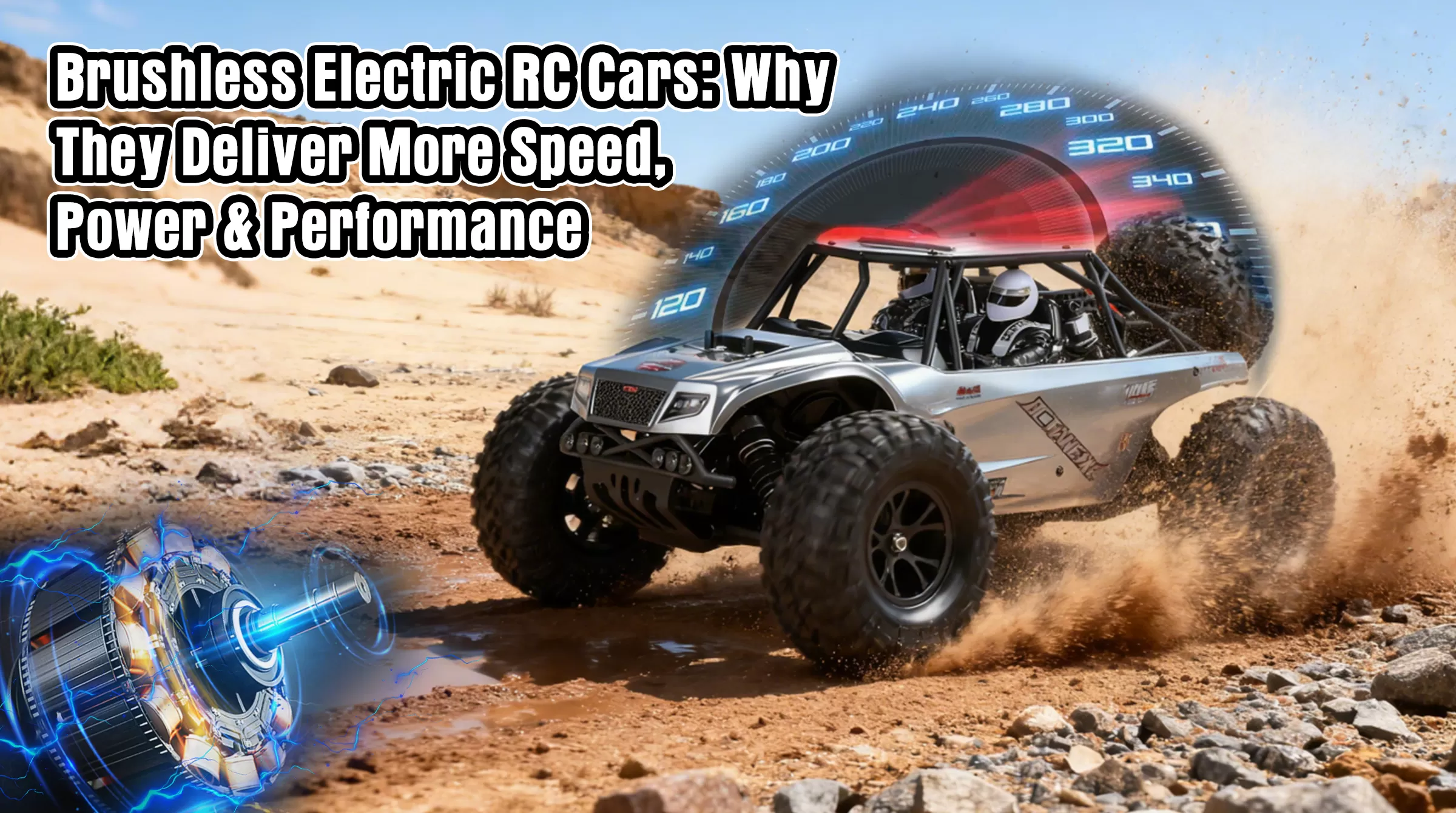
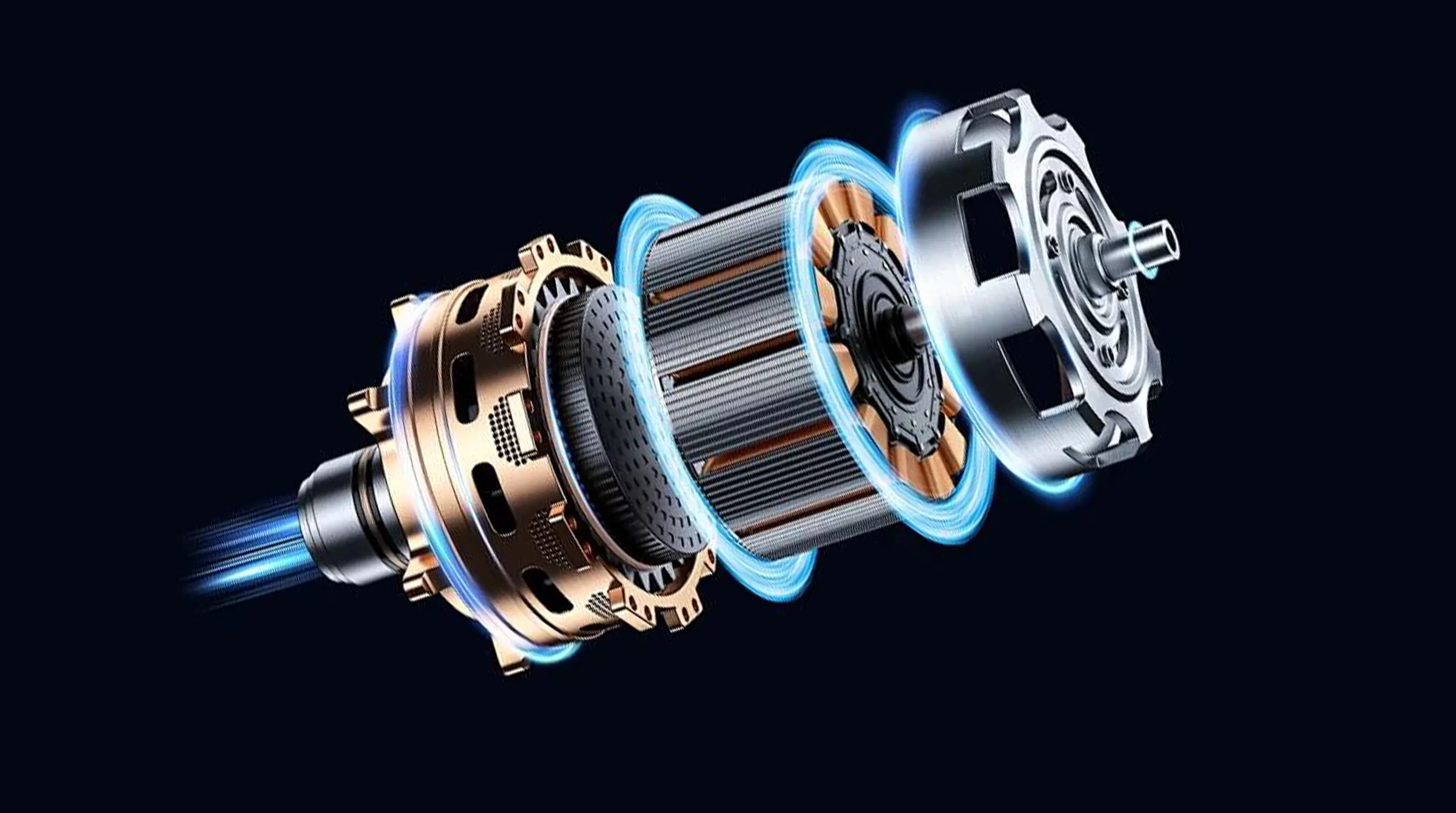
Brushless electric RC cars are vehicles equipped with brushless motors instead of traditional brushed motors. Unlike brushed motors, which use physical carbon brushes and a commutator for mechanical commutation, brushless motors rely on an Electronic Speed Controller (ESC) for electronic commutation. This design eliminates the friction, heat, and wear caused by physical brush contact, resulting in drastically improved efficiency, longer service life, and more consistent power delivery. Brushless motors feature a fixed stator with copper windings and a permanent magnet rotor—the reverse of a brushed motor's core architecture.
This technology is now common across many vehicle types, including RC monster trucks, buggies, truggies, rally cars, electric short course trucks, and electric RC drift cars. Brushless systems provide smoother power delivery, higher RPM capability, and significantly longer motor life compared to brushed motors.
One-sentence summary: Brushless RC cars are the performance standard for modern hobby-grade electric RC vehicles.
Over the past 15 years (2010–2025), the global RC industry has undergone a transformative technological shift, with brushless systems evolving from a premium upgrade to the default standard for nearly all hobby-grade RC vehicles in North America. What was once considered a premium upgrade has now become the default choice for almost all new hobby-grade models. The primary drivers were the continuous drop in the cost of brushless components combined with steady improvements in performance, efficiency, and reliability.
Manufacturers fully shifted to brushless systems because they allow better power-to-weight ratios, longer run times from the same battery, and dramatically reduced after-sales service related to motor wear and brush replacement. Today, even many entry-level hobby-grade cars come with brushless motors as standard, while brushed motors are increasingly limited to very basic toy-grade products. This industry-wide move reflects both technological progress and changing customer expectations for higher performance with lower maintenance.
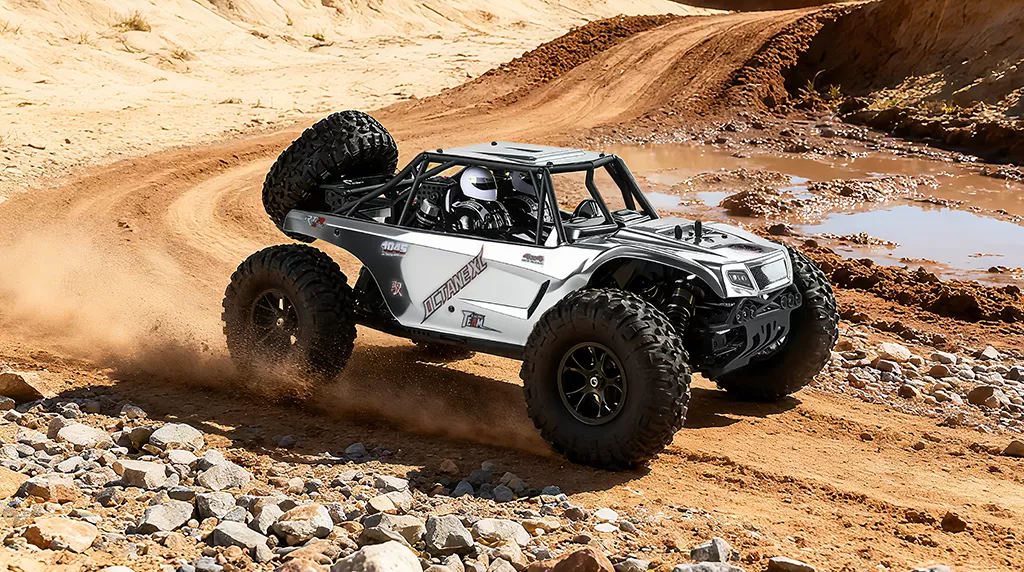
Brushless motors offer far more than just higher top speed. The real advantages come from fundamental differences in how power is generated and delivered:
Torque Delivery: Brushless motors provide strong, linear torque right from zero RPM, giving instant and predictable acceleration without the lag common in brushed motors.
Energy Efficiency: They convert a much higher percentage of battery power into actual motion instead of wasting it as heat and friction.
Heat Management: With no brushes creating friction, brushless motors run significantly cooler, allowing sustained high performance without overheating or power fade.
ESC Electronic Control Logic: Modern ESCs can precisely adjust timing and current flow in real time, resulting in smoother throttle response and better overall drivability across all speed ranges.
These technical improvements make brushless cars feel more refined, predictable, and enjoyable in every driving situation.
One of the biggest differences users notice is how brushless cars actually feel to drive. Throttle response is much more linear and predictable, making it easier to modulate power smoothly. Acceleration feels immediate and controllable, giving drivers better confidence when exiting corners or powering over rough sections.
However, this can sometimes surprise new drivers. Because brushless systems react so quickly and deliver strong torque from low RPM, beginners may initially find them "harder to control" until they adjust their driving style. Once mastered, the precise control and strong low-end torque actually make brushless cars more enjoyable and confidence-inspiring for most hobbyists.
Almost every RC category benefits from brushless technology, but some segments gain more dramatically than others:
Monster Trucks: Benefit hugely from the massive low-end torque needed for big jumps, heavy bashing, and climbing steep obstacles.
Buggies: Gain sharper acceleration, higher top speeds, and better corner exit power — essential for competitive dirt track racing.
Truggies: Achieve the perfect balance of speed and stability that defines the hybrid category, making them more versatile and fun to drive.
Rally Cars: Deliver more precise throttle control and stronger performance across mixed surfaces (asphalt, gravel, light dirt).
In each case, brushless systems elevate the overall driving experience rather than just adding raw speed.
Here's a clear side-by-side comparison:
Feature | Brushless RC Cars | Brushed RC Cars |
Speed | Higher | Lower |
Efficiency | Better | Moderate |
Maintenance | Low | Higher |
Lifespan | Longer | Shorter |
Cost | Higher (initial) | Lower |
Best For | Enthusiasts & upgrades | Beginners & budget |
Further Reading:
Want to know what makes brushless RC cars faster and more efficient? Discover the key differences in motor technology in Brushed vs. Brushless Motors – The Heart of Your RC Race Car Explained.
Brushless electric RC car can achieve impressive speeds depending on the setup. Entry-level brushless RTR models typically reach 30–40 mph. A well-tuned 2S brushless buggy can hit 40–50 mph, while 3S or 4S configurations in trucks and buggies commonly exceed 50–70 mph. High-speed builds with optimized gearing can push beyond 80 mph on suitable surfaces.
Today, brushless motors have become the dominant choice across nearly every performance-oriented segment of the RC hobby. Manufacturers have moved away from brushed motors in most hobby-grade vehicles because brushless systems offer superior power, efficiency, and durability.
Here are the main types of RC cars that commonly use brushless systems:
Brushless RC Buggies — Lightweight and fast, brushless buggies dominate dirt track racing and competitive off-road events. The instant torque and high RPM capability allow them to accelerate quickly out of corners and maintain high speeds on straight sections.
Brushless Monster Trucks — These benefit enormously from brushless power. The strong low-end torque helps them climb steep obstacles, launch big jumps, and recover from heavy landings with authority.
Brushless Truggies — The hybrid nature of truggies makes them perfect candidates for brushless motors. Drivers get the best of both worlds — the speed and cornering of a buggy combined with the stability and jump-handling ability of a truck.
Brushless Rally Cars — Brushless systems give rally cars the precise throttle control and strong acceleration needed for mixed-surface driving (asphalt, gravel, dirt).
Brushless Short Course Trucks — Popular for both racing and backyard bashing, brushless short course trucks deliver smooth, powerful acceleration while remaining durable enough for aggressive driving.
Brushless Drift Cars — Smooth throttle response is critical for drifting. Brushless motors provide the fine control needed for consistent slides and smooth transitions between corners.
In short, if a model is positioned as a hobby-grade or performance vehicle, it almost always comes with — or is designed to accept — a brushless motor system.
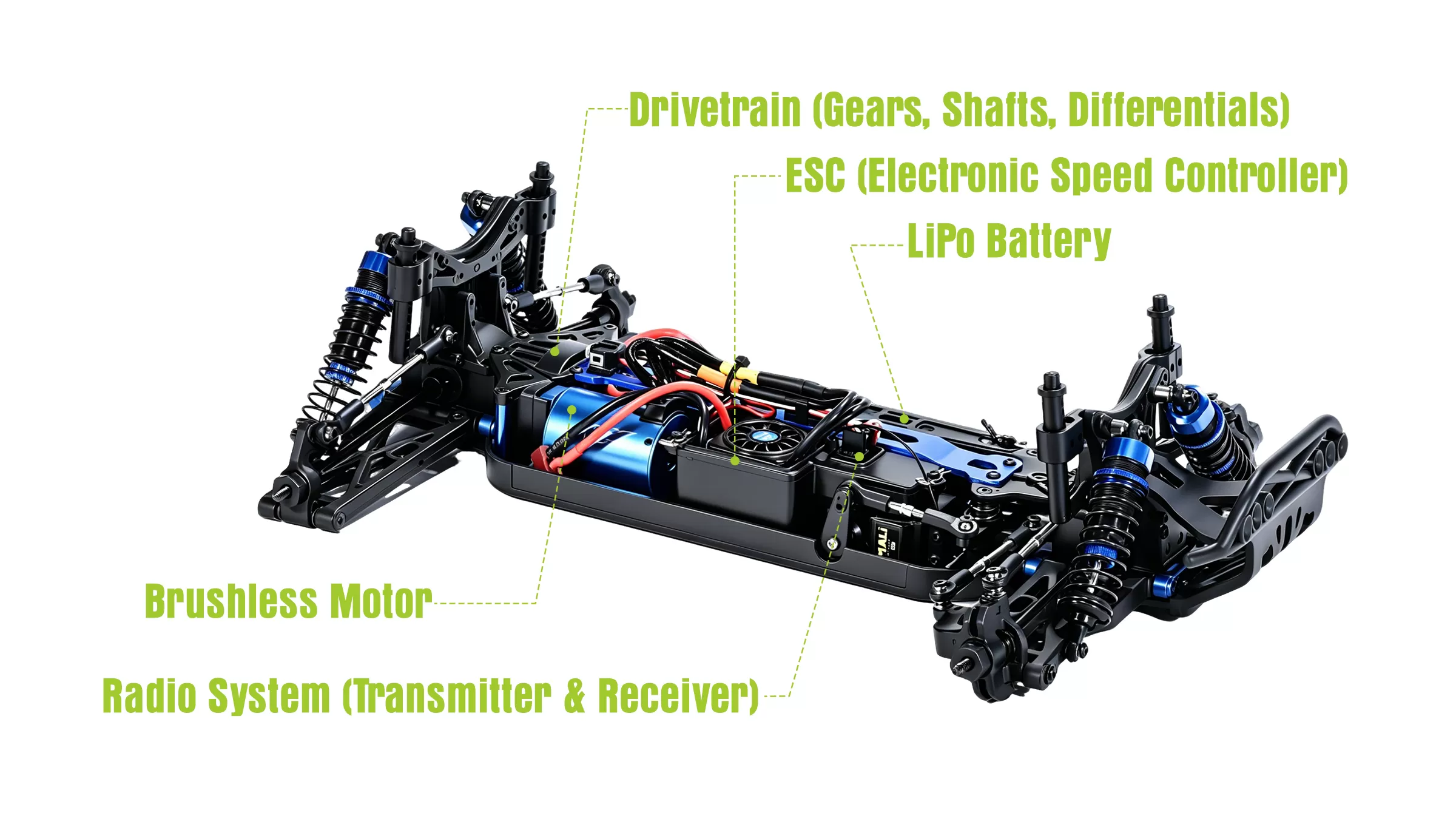
A brushless RC system is not just a single motor — it is an integrated power package where every component works together to deliver smooth, efficient, and powerful performance. Understanding these parts helps you make better choices when buying or upgrading.
The main components include:
Brushless Motor — The heart of the system, available in two primary configurations for North American RC use: sensored and sensorless. Sensorless motors are the standard for most RTR bashing and off-road vehicles, offering reliable high-RPM performance. Sensored motors deliver ultra-precise low-RPM throttle control, making them the preferred choice for competitive racing, drifting, and rock crawling. Both designs eliminate physical brush contact, delivering higher efficiency, less heat, smoother power delivery, and significantly longer lifespan than brushed motors.
ESC (Electronic Speed Controller) — This is the "brain" of the brushless setup. It regulates the power going to the motor, controls throttle and braking, and manages sensor timing for optimal performance. A good ESC can make a huge difference in how responsive and controllable the car feels.
Lithium Polymer (LiPo) Battery — Brushless systems require high-discharge LiPo batteries to unlock optimal performance. The battery’s voltage (measured in S-rating: 2S, 3S, 4S, etc.) directly impacts top speed and torque, while its discharge rating (C-rating) determines how much continuous current it can deliver to the motor. A higher C-rating provides more consistent power delivery during hard acceleration and high-RPM runs.
Radio System (Transmitter & Receiver) — Delivers precise driver input. Modern 2.4GHz systems with multiple channels allow fine control over throttle, steering, and even ESC programming.
Drivetrain (Gears, Shafts, Differentials) — Transfers the motor's power to the wheels efficiently. In brushless setups, the drivetrain must be strong enough to handle the increased torque without stripping or overheating.
When all these components are well-matched, the result is a responsive, powerful, and reliable RC car that feels noticeably more refined than a brushed setup.
Brushless RC cars can be excellent for beginners when chosen correctly. A moderate-power 2S RTR brushless model offers strong performance without being overwhelming. Many models allow you to limit throttle via the transmitter for safer learning, and the extra power reserve means you won’t need to upgrade immediately.
Beginners should avoid extremely high-KV motors or 6S high-power setups until they have more experience. Starting with a waterproof, well-balanced 2S brushless RTR model provides a smooth introduction while leaving plenty of room to grow.
When choosing a brushless RC car, consider your experience level and goals:
For Beginners: 1/10 scale, 2S LiPo compatible, RTR package with waterproof electronics.
For Speed Lovers: 3S or 4S capable models with a strong brushless combo and reinforced drivetrain.
For Retailers / Importers: Look for broad market demand, good spare parts support, upgrade potential, and reliable OEM supply.
Brushless cars respond very well to upgrades, which drives strong accessory sales:
Higher C-rate LiPo batteries for better power delivery
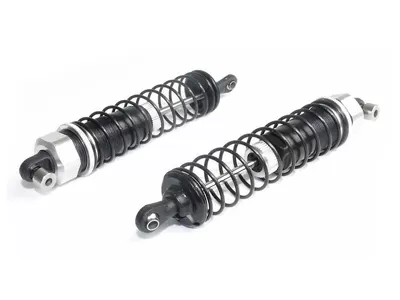
Aluminum shocks and stronger suspension parts
High-torque servos
Cooling fans and heatsinks
Metal gears and reinforced drivetrain components
Performance tires for specific surfaces
VRX Racing designs brushless RC cars with durable chassis platforms, performance-focused engineering, and excellent value. Our models are built for the 14+ hobby market with reliable waterproof electronics and strong drivetrains.
For business partners, we offer OEM/ODM solutions, private label support, consistent production capacity, and comprehensive spare parts programs. We can help you develop brushless product lines tailored to your specific market requirements.
1. Are brushless RC cars faster than brushed?
Yes, brushless systems are typically much faster and more responsive than brushed motors.
2. Are brushless RC cars worth it?
Yes, for anyone wanting more speed, better efficiency, and lower long-term maintenance.
3. Do brushless RC cars need LiPo batteries?
While NiMH batteries are compatible with some entry-level brushless systems, high-discharge Lithium Polymer (LiPo) batteries are required to unlock the full performance, efficiency, and torque of a brushless RC setup.
4. Are brushless motors waterproof?
Many modern brushless systems are water-resistant or waterproof — always check specifications.
5. Can I upgrade brushed RC cars to brushless?
Yes, many hobby-grade chassis support easy brushless conversion.
Brushless electric RC cars represent the modern standard for hobby-grade performance. They deliver more speed, stronger acceleration, better efficiency, and significantly less maintenance than brushed models. For consumers they provide exciting and reliable driving experiences. For dealers and distributors, they offer strong market demand and excellent upgrade-driven sales opportunities.
Looking for OEM-ready brushless RC car solutions? Contact VRX Racing today.