Private label RC cars have become a strategic entry point for brands, distributors, and e-commerce operators looking to build differentiated product lines without investing in full-scale in-house manufacturing. For B2B buyers, the value of private labeling lies not only in branding flexibility but in the ability to rapidly bring performance-driven products to market while leveraging established OEM/ODM expertise.
As a professional RC cars manufacturer, VRX-Racing operates within this ecosystem by supporting partners from early-stage concept development through to mass production and global distribution. This article outlines the complete lifecycle of a private label RC car project, from concept to commercialization.
Every successful private label RC car project begins with structured market research. At this stage, the objective is not product design but market clarity and positioning precision.
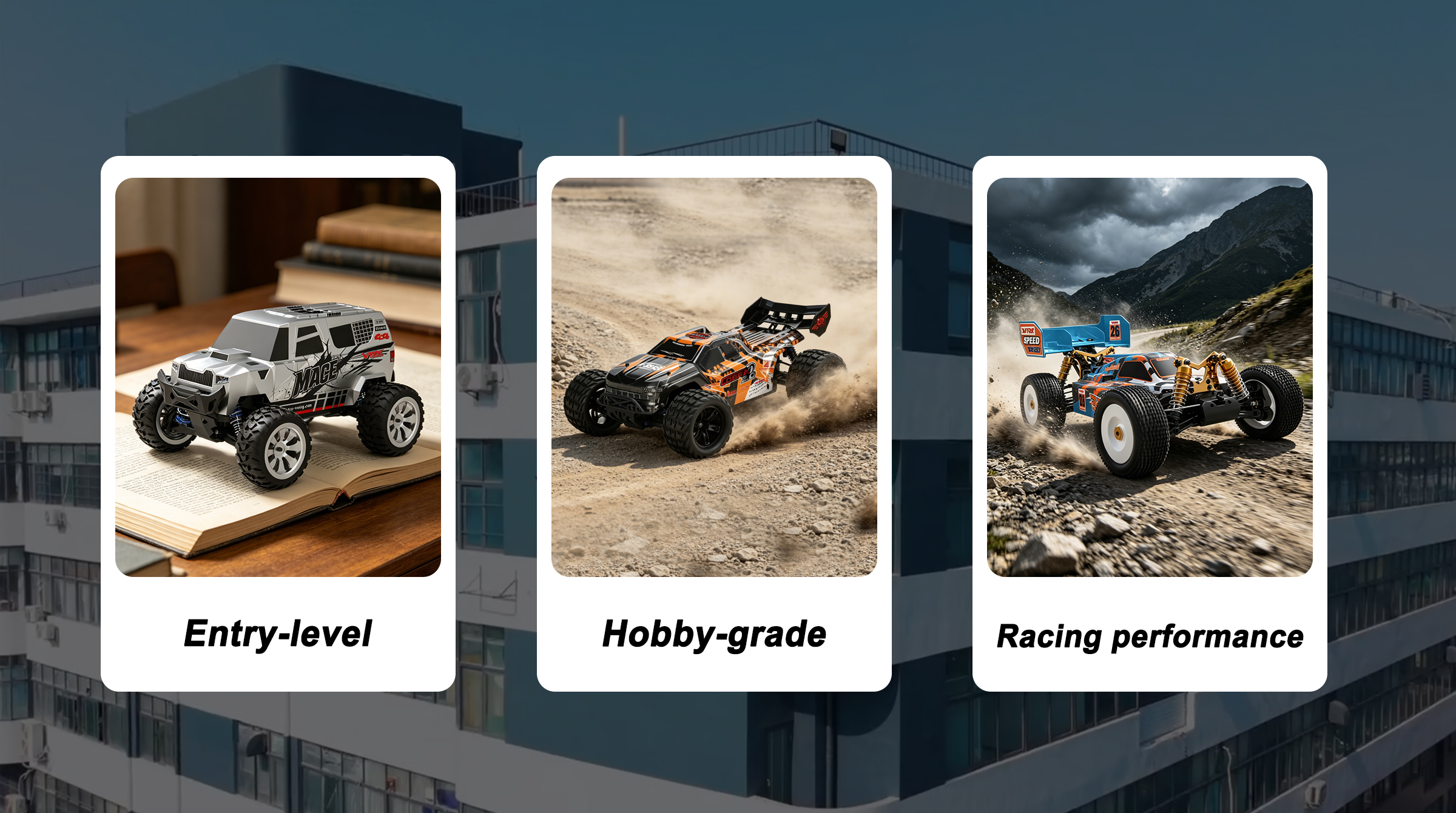
B2B buyers typically operate across distinct RC market segments:
Beginner / Entry-Level Users
Price-sensitive
RTR (Ready-to-Run) preference
Focus on durability and ease of use
Hobby Enthusiasts
Performance-driven buyers
Interest in upgradeability (brushless motors, LiPo compatibility)
Demand for tuning flexibility
Competitive / Racing Users
High-spec chassis and drivetrain systems
Precision control and telemetry potential
Strong brand loyalty
Product positioning is tightly coupled with price segmentation:
Entry-level: USD 80–150
Mid-range: USD 150–300
Premium segment: USD 300–800+
Successful private label strategies often avoid direct competition with commoditized low-end products and instead focus on mid-to-premium differentiation, where brand value and performance perception matter most.
Key differentiation levers include:
Drivetrain architecture (2WD vs 4WD)
Surface specialization (drift, off-road, on-road)
Electronics configuration (brushed vs brushless)
Design identity and scale realism
VRX-Racing typically supports clients in translating these market insights into manufacturable product definitions aligned with cost structure and performance targets.
Once positioning is defined, the project transitions into structured engineering development. OEM/ODM workflows are highly standardized but require technical precision at each stage.
This stage involves:
Vehicle concept sketching (body style, chassis layout)
Platform selection (existing chassis adaptation vs new platform)
Performance target definition (speed, torque, handling profile)
The goal is to ensure that design intent aligns with manufacturable engineering constraints.
Engineering teams then translate concepts into:
3D CAD modeling of chassis and drivetrain
Suspension geometry optimization
Gear ratio and differential configuration
Material selection (ABS, nylon composites, aluminum alloys)
CAM programming ensures manufacturability and tooling precision.
Injection molds are developed for:
Chassis components
Body shells
Gear housings
Suspension arms
This stage is capital-intensive and defines long-term production consistency. High-quality tooling directly impacts product durability and surface finish.
Prototype units are assembled and tested under real-world conditions:
Speed and acceleration validation
Suspension load testing
Battery thermal performance checks
Crash durability assessments
At VRX-Racing, iterative prototyping is used to refine both performance and reliability before mass production approval.
Choosing the right OEM/ODM partner is one of the most critical decisions in a private label RC car project. Manufacturing capability directly determines product quality, scalability, and long-term brand reputation.
A capable manufacturing partner should demonstrate:
Factory scale typically exceeding 800–2,000+ m²
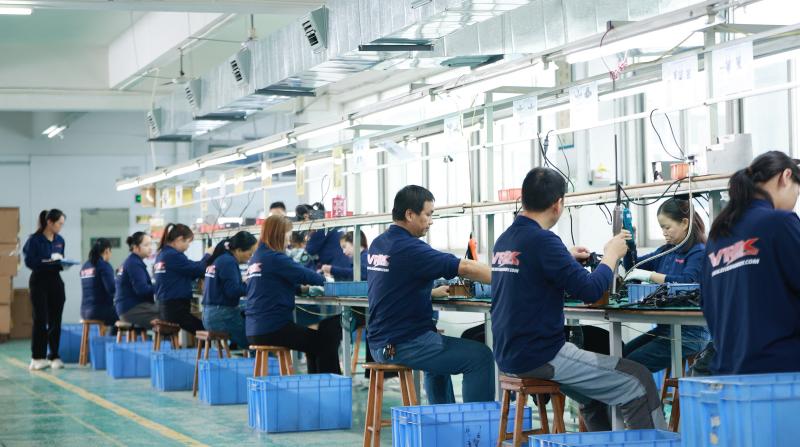
Dedicated assembly lines for RC systems
Automated or semi-automated production workflows
SMT (Surface Mount Technology) capability for electronic components
These indicators ensure the supplier can handle both small pilot runs and large-scale distribution orders.
Robust QC frameworks should include:
Incoming material inspection (IQC)
In-line production quality checks
Final assembly verification
Random batch stress testing
Consistency is more important than peak performance; RC products must maintain uniform behavior across batches to ensure brand reliability.
A strong OEM partner should offer:
In-house R&D capability
Rapid prototyping cycles
Modular platform adaptation
Electronics integration support (ESC, receiver systems)
VRX-Racing, for example, operates with integrated engineering and production teams to shorten iteration cycles and reduce time-to-market.
Private label RC cars are not only mechanical products—they are brand carriers. Customization defines how the product is perceived in global markets.
Common branding options include:
Logo printing on body shells and chassis plates
Custom color schemes aligned with brand identity
Laser engraving on metal components
Branded ESC or receiver housing
These elements help convert OEM products into recognizable brand assets.
Packaging plays a critical role in retail conversion:
Full-color retail boxes
Protective internal foam structures
High-impact visual design for e-commerce listings
QR codes linking to manuals or video tutorials
Well-designed packaging directly improves shelf conversion rates and perceived product value.
Customization can also extend to performance:
Motor type (brushed vs brushless)
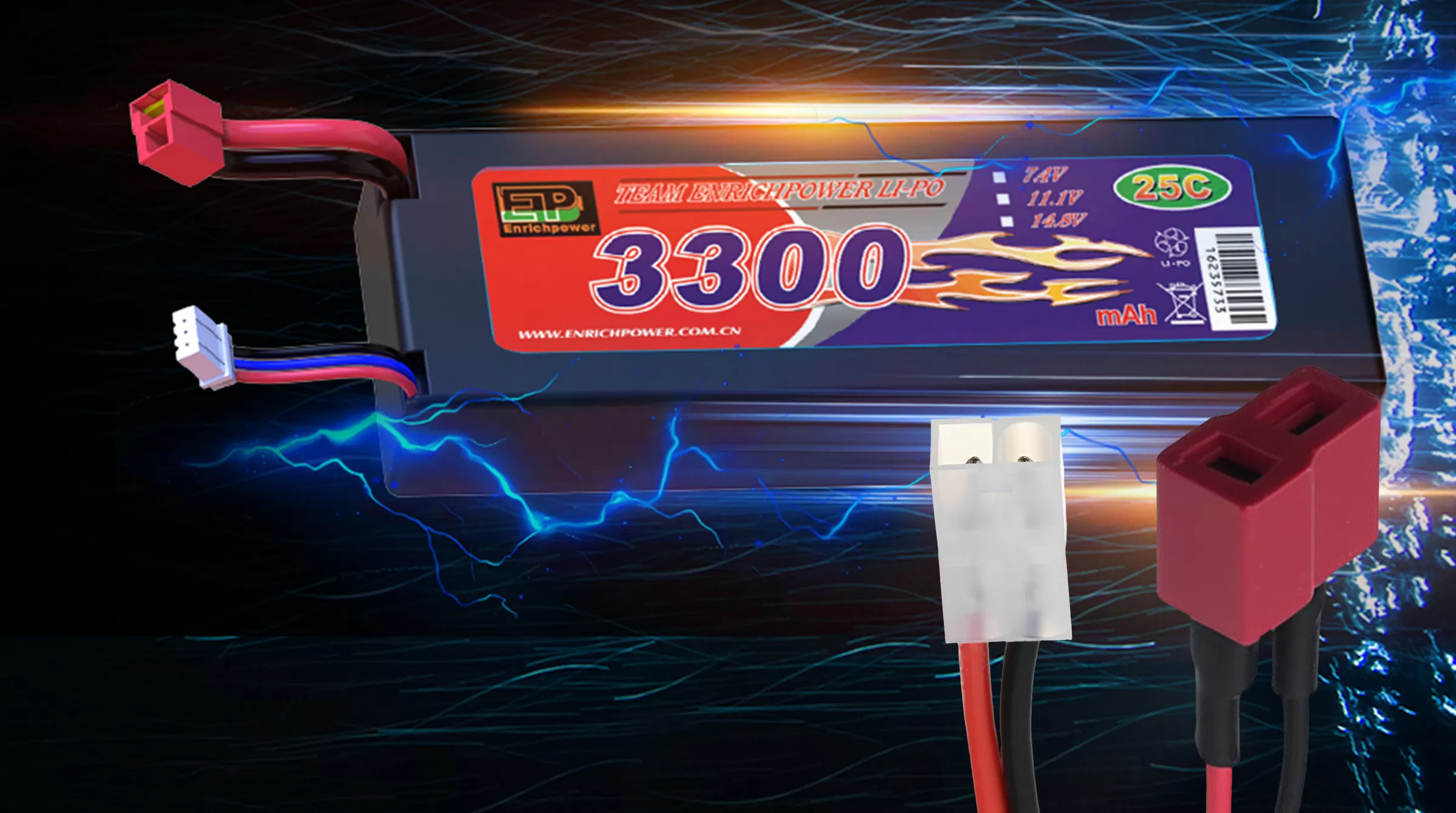
Battery configuration (NiMH, LiPo compatibility)
Speed tuning presets
Suspension stiffness and ride height adjustments
This allows brands to fine-tune products for specific regional markets or user segments.
To support global distribution:
Multilingual user manuals
Safety certification labeling (CE, FCC compliance where applicable)
Region-specific warning and usage guidelines
From a commercial standpoint, private label RC projects require careful planning across cost structure, production volume, and lead time.
Typical RC OEM cost components include:
Raw materials (plastic, metal, electronics)
Tooling and mold amortization
Assembly labor
Quality control and testing
Packaging and branding
The largest upfront investment is usually tooling development, which is amortized across production volume.
MOQ varies based on customization level:
Standard platform adaptation
Fully customized chassis or mold
Packaging-only customization
For most B2B clients, MOQ is a strategic negotiation point balancing risk and unit cost efficiency. Contact for MOQ quote.
A typical private label RC car project follows this timeline:
Market research & positioning: 2–4 weeks
Design & engineering: 4–8 weeks
Mold development: 6–10 weeks
Prototype testing: 2–4 weeks
Mass production: 4–6 weeks
Total time-to-market generally ranges from 3 to 6 months, depending on complexity.
Private label RC cars are no longer simple OEM commodities. They represent a structured pathway for brands to enter the global RC ecosystem with differentiated identity and scalable production capability.
Success depends on aligning four key pillars:
Clear market positioning
Robust engineering execution
Reliable manufacturing partnership
Strategic brand customization
For VRX-Racing, the role of a manufacturing partner goes beyond production—it extends into co-developing competitive RC platforms that enable long-term brand growth in global markets.
As the RC industry continues to evolve toward higher performance, smarter electronics, and stronger brand differentiation, private label development will remain one of the most effective strategies for scaling in this competitive landscape.