If you have ever compared remote control cars, you may have noticed that they come in many different models, sizes and power systems. Some are labeled 1/8 scale RC cars, while others are 1/10 electric RC, 1/18 RC cars or even smaller. There are also brushed and brushless versions, electric and nitro power systems, as well as different vehicle types such as trucks, buggies, rally cars and drift cars.
Why are there so many different RC car models?
The answer is simple: different RC cars are designed for different driving environments, performance requirements and user preferences. Scale, chassis design, motor type, suspension system and body style all change the way an RC car performs.
Scale is one of the most obvious differences between RC cars. Common scales include 1/8, 1/10 and 1/18, with each offering a different balance between size, performance and portability.
A 1/8 scale RC car is relatively large and provides enough chassis space for larger motors, batteries, suspension components and tires. The additional weight and wheelbase can also improve stability at higher speeds. This makes 1/8 models suitable for outdoor driving, off-road racing and demanding terrain.
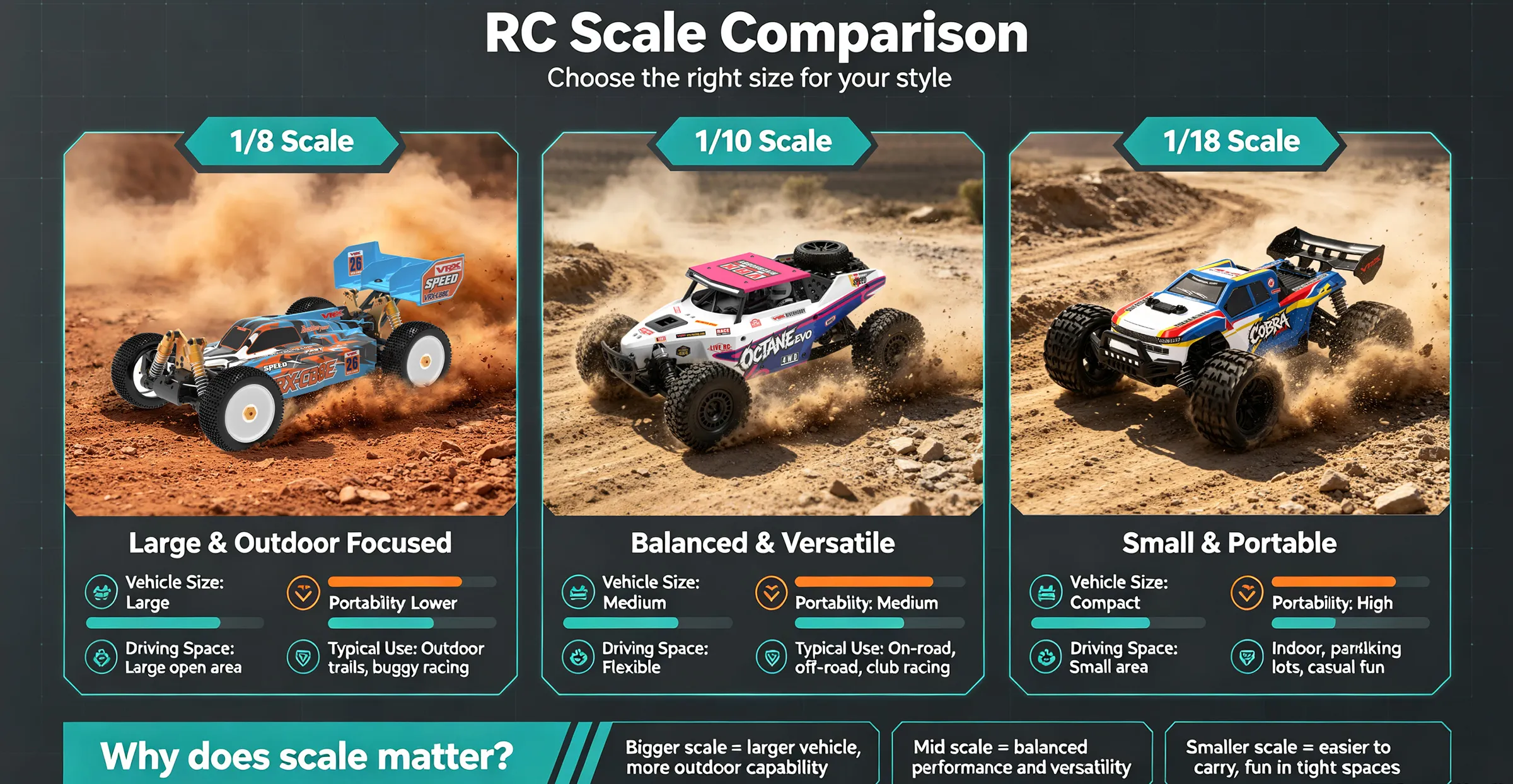
A 1/10 electric RC car is smaller and generally easier to transport. The 1/10 scale is extremely versatile, so manufacturers can develop trucks, buggies, rally cars and drift models around the same general size category.
By comparison, 1/18 RC cars are much more compact. They are easier to store and can be more practical for smaller driving areas.
Therefore, scale is not simply a measurement of size. It affects handling, power requirements, transportation and the type of environment where the vehicle performs best.
Another major reason for having different RC models is the power system.
Electric RC cars use batteries, electric motors and electronic speed controllers. They are generally straightforward to start and operate, making them popular with beginners and experienced hobbyists alike.
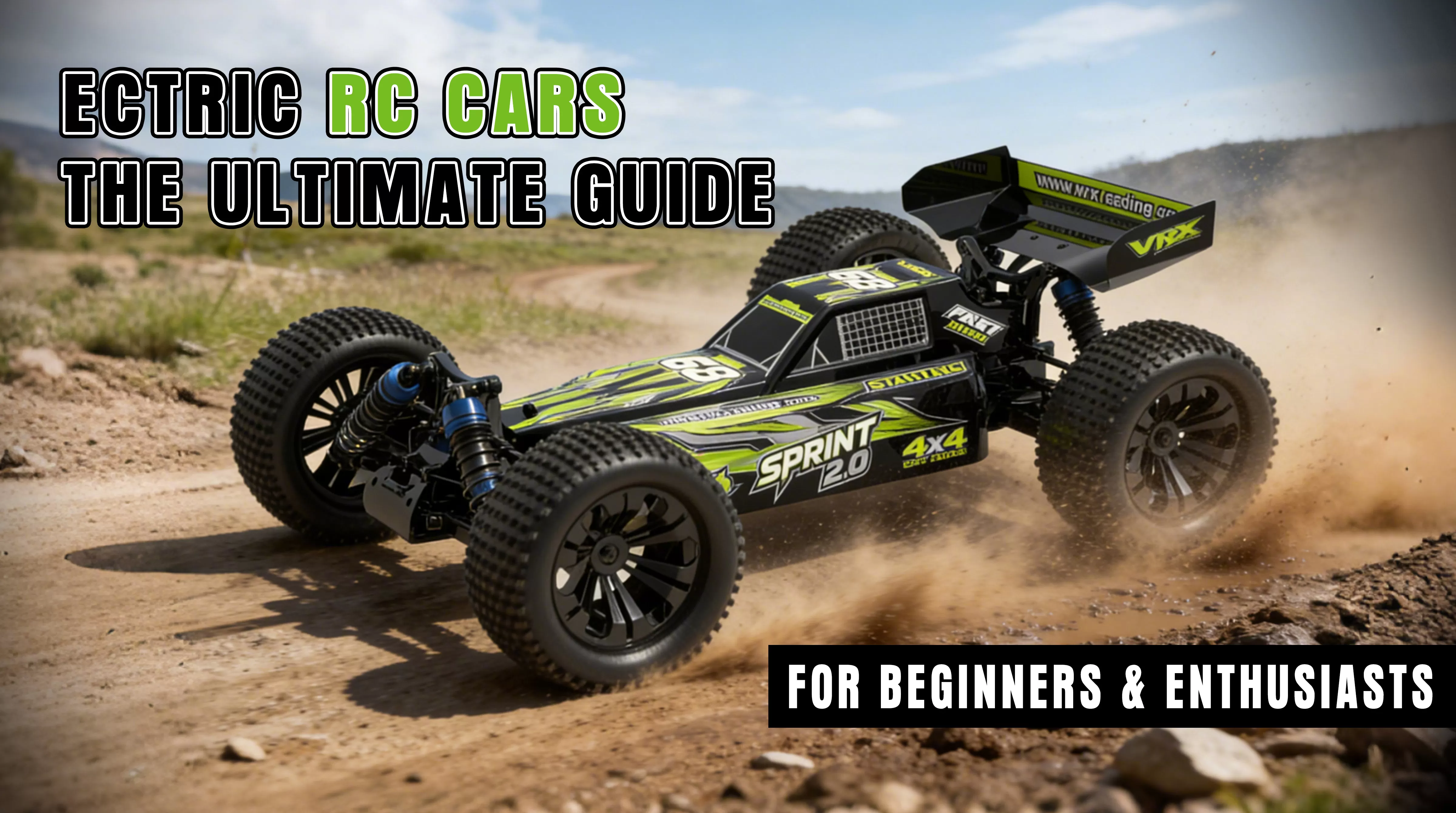
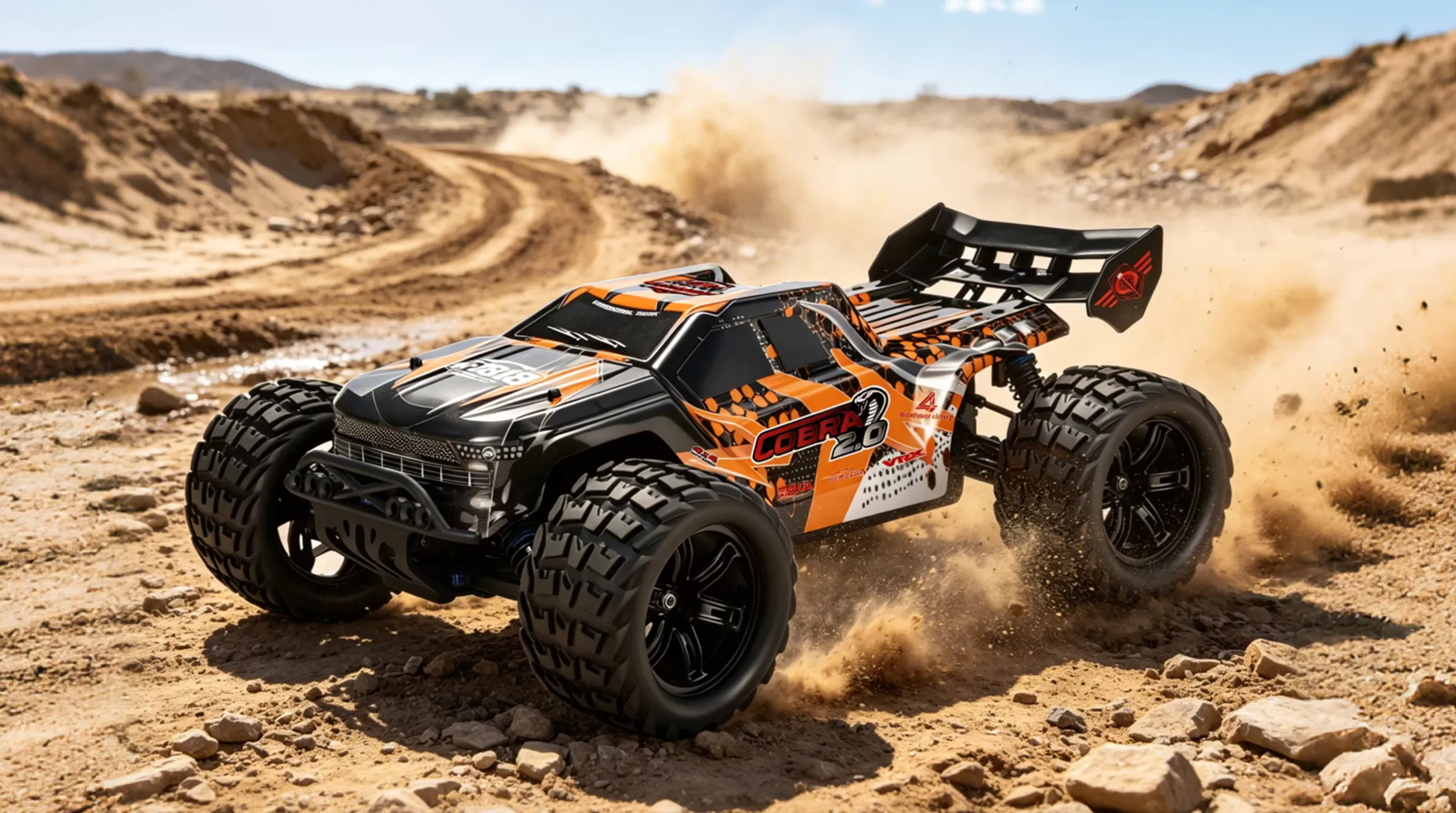
For example, a 1/8 electric RC car can combine a large 4WD chassis with a brushless motor to provide strong acceleration and high-speed off-road performance.
Nitro models work differently. A 1/8 scale nitro RC uses a small internal-combustion engine rather than an electric motor. Many enthusiasts choose nitro models because they enjoy engine sound, mechanical tuning and the experience of operating a miniature combustion-powered vehicle.
This is why searches such as 1/8 scale RC cars nitro continue to represent a distinct part of the RC market.
Neither system exists simply because one is better than the other. They provide different driving experiences.
Even within electric RC cars, there are different motor technologies.
Brushed motors have a relatively simple construction and are widely used in entry-level and recreational RC models. They can provide a practical balance between cost and performance.
Brushless motors eliminate the mechanical brushes used in conventional brushed motors. They are commonly selected for applications requiring higher efficiency, stronger acceleration and higher performance.
This is why you may see products described as RC car brushless RTR.
For example, a brushless 1/10 truck can deliver considerably different performance from a basic brushed version of a similar vehicle. The chassis may look similar, but the motor, ESC, battery requirements and driving characteristics can be different.
VRX Racing offers both brushed and brushless electric RC models, allowing different customers to choose according to their expected performance and budget.
Scale and power system are only part of the story. The vehicle's body and chassis are also designed around different driving purposes.
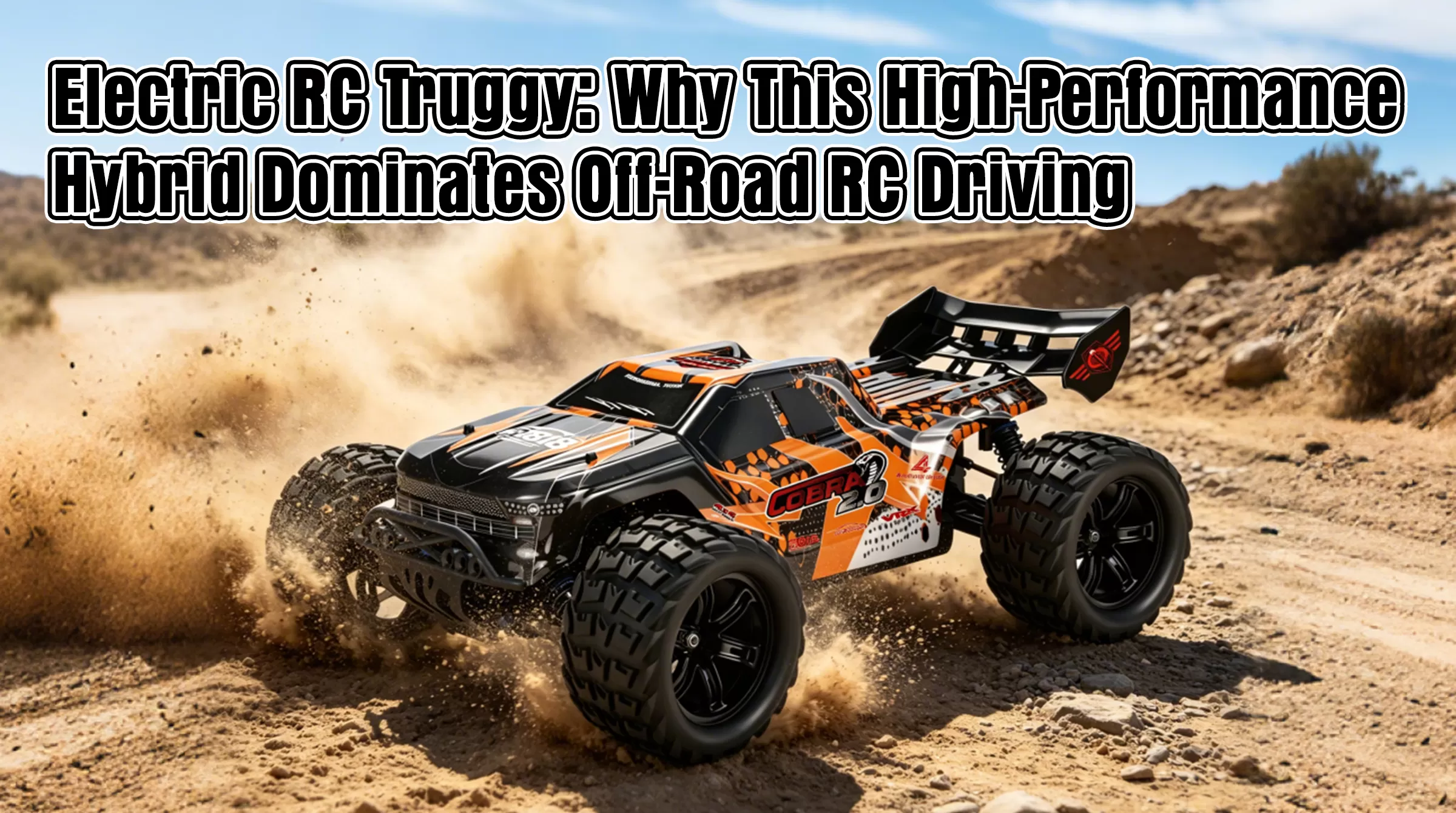
An off-road buggy is built for lightweight performance, suspension travel and fast directional changes. A monster truck typically uses larger tires and greater ground clearance to handle uneven surfaces.
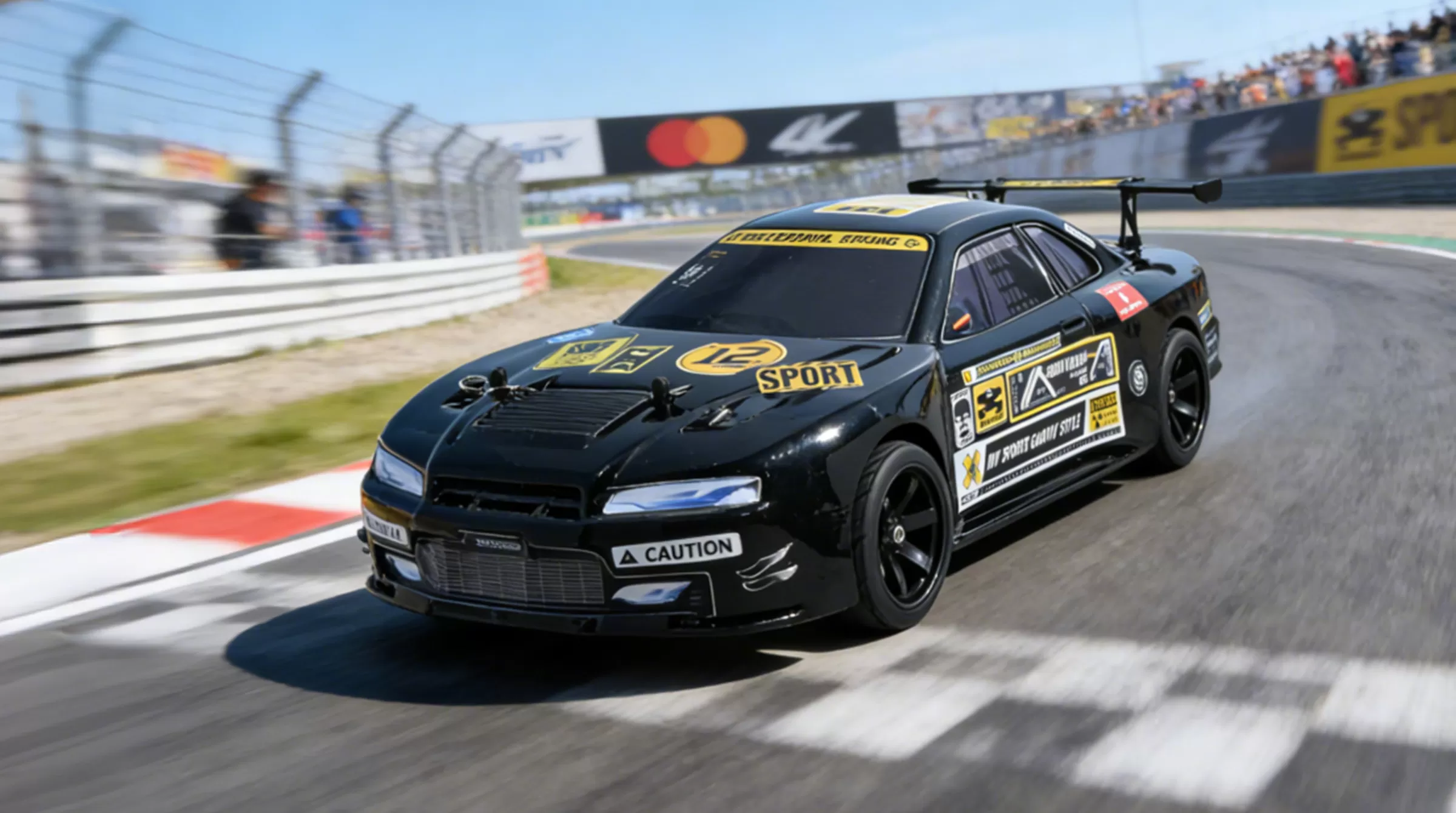
A rally car has a different body and chassis setup because it is intended to reproduce the characteristics of rally-style driving. A drift car, meanwhile, is designed around controlled slides on relatively smooth surfaces.
This is why an electric drift RC is not simply a smaller version of an off-road truck. Its tires, suspension setup, steering characteristics and weight distribution are selected for a different driving style.
VRX Racing's product range reflects these differences, with models covering buggies, trucks, truggies, rally cars and drift cars across several scales.
It is also common to find several different models even when the scale remains the same.
For example, two 1/10 electric RC cars may have completely different purposes. One could be an off-road truck, while another could be a rally car or drift model.
Manufacturers create different models because drivers have different priorities.
One customer may want:
· Higher top speed
· Better acceleration
· Stronger off-road capability
· Large tires
· Long suspension travel
Another customer may prioritize:
· Precise steering
· Controlled drifting
· Realistic rally styling
· Compact dimensions
· Easier maintenance
Using different chassis configurations allows manufacturers to address these different requirements without forcing every driver into the same vehicle.
The surface an RC car drives on has a major influence on its design.
An off-road vehicle needs sufficient ground clearance, suitable tires and suspension travel to deal with dirt, gravel, grass and jumps. A road-oriented vehicle can use a lower chassis and tires designed for smoother surfaces.
A large 1/8 platform may be more suitable for demanding outdoor environments because its larger tires and chassis provide additional capability. A compact 1/18 model may be easier to control in a smaller space.
This is also why there is no universal “best” RC car. The best model depends on where and how it will be used.
From a manufacturing and market perspective, offering several scales allows an RC brand to serve different customer groups.
VRX Racing, for example, provides electric RC cars in multiple scales, including 1/8, 1/10 and 1/18, alongside other compact platforms. Its product selection includes brushed and brushless configurations as well as different vehicle types.
This creates a broader product range without relying on a single type of customer.
A beginner may prefer a smaller and more affordable model. An experienced outdoor driver may want a powerful 1/8 platform. Another hobbyist may specifically be looking for a rally or drift car.
For distributors and retailers, multiple models also make it possible to build a more complete RC product portfolio.
Another difference between RC models is how they are supplied.
RTR means “Ready-to-Run.” These vehicles are designed to reduce the amount of assembly required before driving. This makes them attractive to customers who want to start using an RC car quickly.
A brushless RTR RC car can therefore combine the convenience of a ready-to-run package with the performance advantages of brushless power.
For manufacturers such as VRX Racing, offering RTR versions also makes products easier to position in the retail market because customers can compare complete vehicles rather than selecting every component individually.
The large number of RC models can initially seem confusing, but the selection process becomes easier when you consider five questions:
1. Where will you drive?
Indoor, pavement, grass, dirt and rough off-road surfaces require different vehicle designs.
2. How much performance do you need?
Beginners may not need the power of a large brushless model, while experienced drivers may want higher speed and acceleration.
3. What scale is practical?
Consider the balance between vehicle size, driving space and transportation.
4. Electric or nitro?
Electric models emphasize convenience, while nitro models offer a more mechanical and traditional RC experience.
5. What type of driving do you enjoy?
Choose between trucks, buggies, rally cars, drift cars and other configurations according to your preferred driving style.
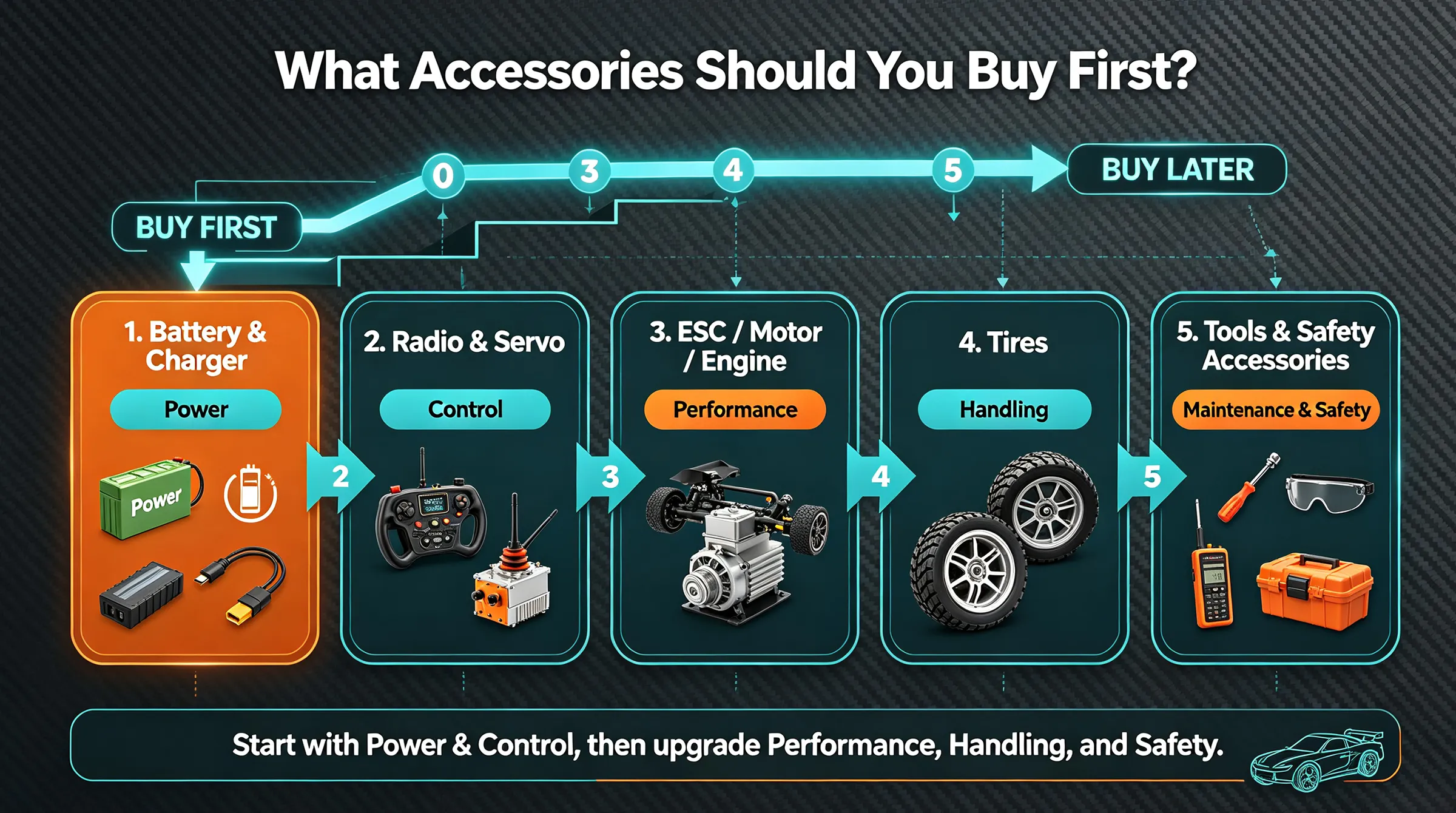
The reason there are so many RC car models is that there is no single design that can perform perfectly in every situation.
A 1/8 electric RC can prioritize power and outdoor performance. A 1/8 scale nitro RC can provide the distinctive experience of a miniature combustion engine. A 1/10 RC truck brushless can balance performance and versatility, while an electric drift RC is designed for controlled sliding. Smaller 1/18 RC cars can provide a more compact and portable option.
VRX Racing develops different scales, power systems and vehicle configurations to meet these varied requirements. Its VRX Pro models can also appeal to drivers looking for a more performance-oriented RC experience.
Ultimately, different RC models are not unnecessary duplication. Each model represents a different combination of size, power, terrain capability and driving style. Understanding these differences makes it much easier to choose an RC car that matches your actual needs.