Many RC cars don't get worn out from driving — they get damaged from improper storage. Leaving batteries at full charge for months, exposing them to extreme temperatures, or storing the car in humid conditions can lead to swollen LiPo packs, reduced capacity, and even safety risks. Proper storage is one of the easiest ways to protect your investment and keep your VRX Racing electric RC cars performing at their best for years.
Most hobbyists focus heavily on driving technique and upgrades, but few realize that incorrect storage is one of the leading causes of battery failure and performance loss. Poor storage habits can cause LiPo batteries to puff up, lose capacity, develop voltage imbalance, or even become unsafe to use. NiMH batteries may develop memory effect or self-discharge excessively. Beyond batteries, prolonged improper storage can lead to corroded connectors, dried-out suspension parts, flat-spotted tires, and moisture damage to electronics.
How you store your electric RC car is just as important as how you drive it. A few simple habits can dramatically extend the life of your batteries and keep your vehicle ready for the next run.
For very short-term storage (1–3 days), it is usually acceptable to leave the battery connected if it is properly secured and the car is stored in a cool, dry place. However, for anything longer than a few days, it is strongly recommended to remove the battery.
Leaving the battery plugged in for extended periods can cause slow parasitic drain, put unnecessary stress on connectors, and increase the risk of swelling or imbalance — especially with LiPo batteries. Removing the battery also allows you to store it at the correct storage voltage and reduces the chance of accidental short circuits.
Best practice: Always unplug the battery immediately after each running session.
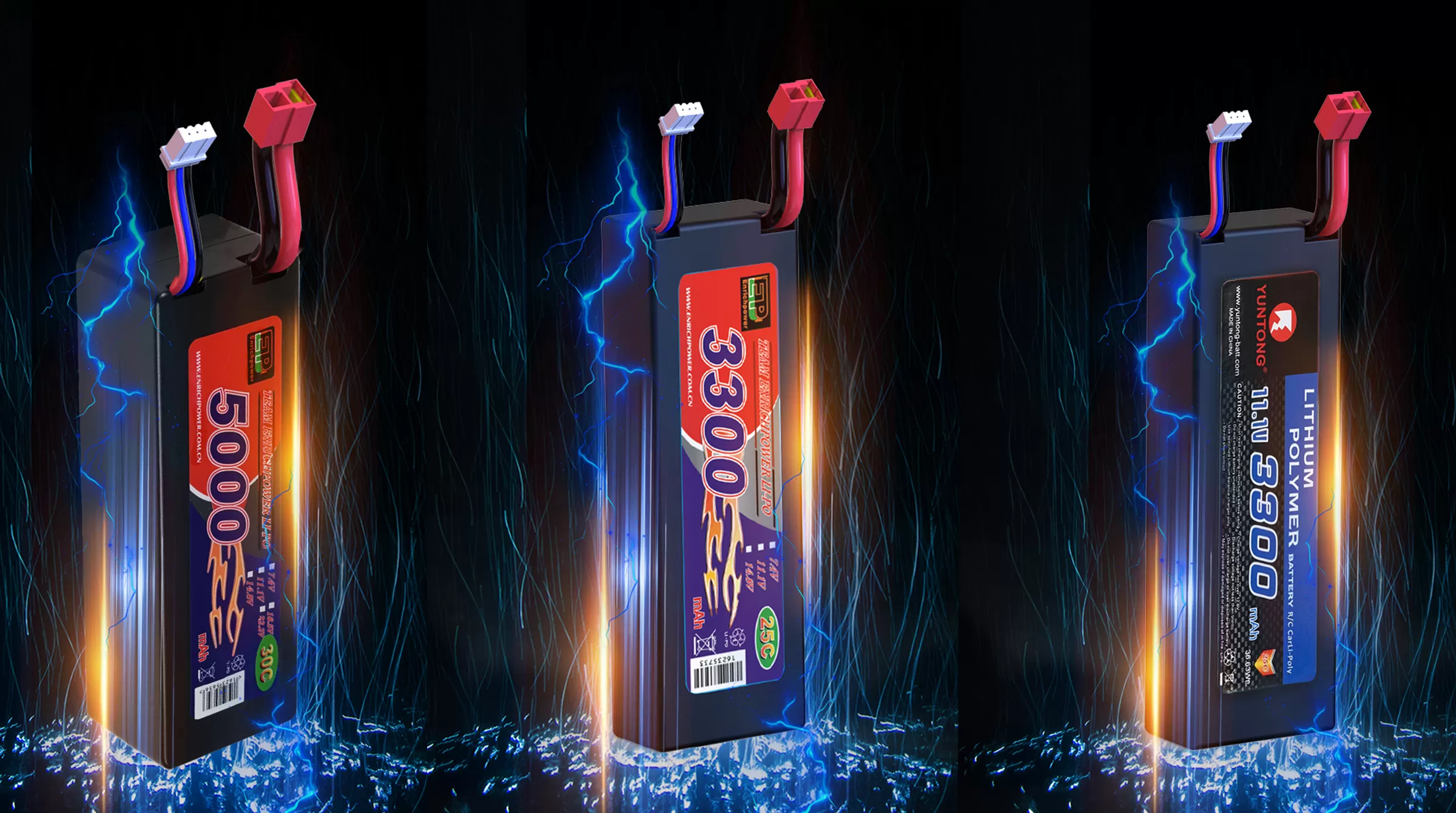
LiPo batteries are the most common power source in modern hobby-grade RC remote control cars, but they are also the most sensitive to storage conditions. The golden rule is to store them at approximately 3.8V per cell (around 50% charge).
Recommended steps:
Use your charger's “Storage Mode” to bring each cell to 3.7–3.85V.
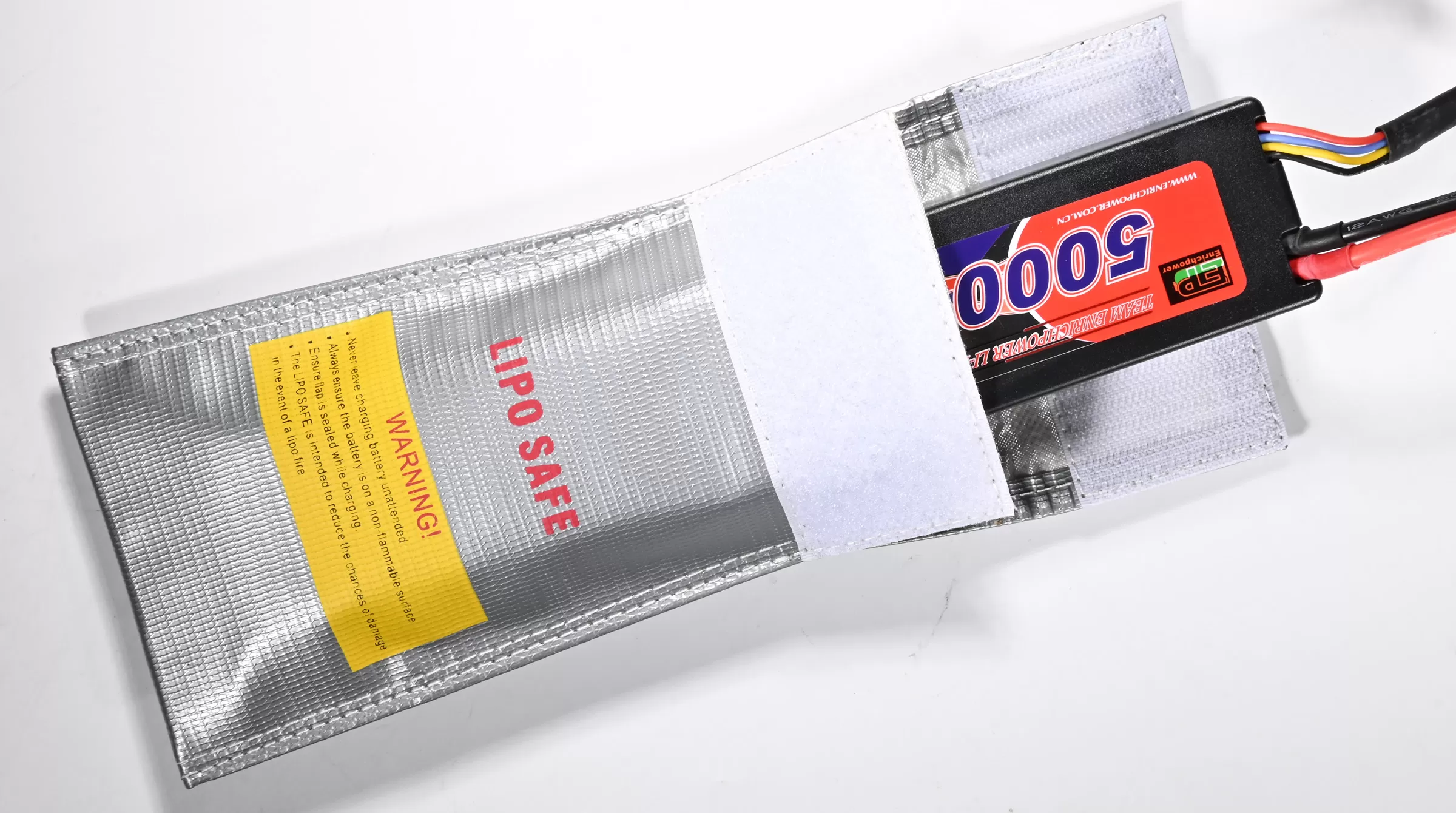
Place the battery in a LiPo-safe fireproof bag or a dedicated metal storage box.
Keep them in a cool, dry location with stable temperature (ideally 10°C–25°C / 50°F–77°F).
Avoid full charge or complete discharge for long periods.
Never store LiPo batteries in a hot car, under direct sunlight, or in humid environments.
Track your Internal Resistance (IR): A good smart charger will show you the IR of your cells. Improper storage causes IR to spike, which is the true killer of a battery's "punch" and acceleration.
LiPo Storage Rule | Best Practice |
Storage Voltage | 3.8V per cell |
Temperature | 10°C–25°C (50°F–77°F) |
Container | LiPo-safe bag or metal box |
Check Interval | Every 1–2 months |
NiMH batteries are more forgiving than LiPo and are still widely used in entry-level and budget-friendly RC cars. They are less prone to dangerous failure but can still lose capacity if stored incorrectly.
Best practices for NiMH RC battery:
Store at about 40–60% charge (roughly half full).
Every 2–3 months, perform a slow charge to refresh the cells.
Keep them in a cool, dry place away from direct sunlight.
NiMH batteries are more stable, cheaper to maintain, and more tolerant of occasional neglect, making them ideal for casual users and beginners.
Temperature is one of the most critical factors affecting battery lifespan. The ideal storage temperature range is 10°C to 25°C (50°F to 77°F). This range minimizes chemical degradation and keeps both LiPo and NiMH batteries in good condition.
Too hot (above 30°C) can cause LiPo swelling, accelerated aging, and permanent capacity loss. Too cold (below 0°C) can temporarily reduce performance and make charging unsafe. Avoid storing batteries in garages that get extremely hot in summer or freezing in winter. A climate-controlled indoor closet or shelf is usually the best option.
Never put a dirty or wet RC car away for long-term storage. Follow these steps:
Clean thoroughly — Remove dirt, grass, sand, and debris from the chassis, wheels, and electronics areas.
Dry completely — Pay special attention to the ESC, receiver, and all connectors. Use compressed air for hard-to-reach spots.
Remove the battery and store it separately at the correct voltage.
Check mechanical parts — Tighten screws, inspect tires for flat spots, and make sure suspension moves freely.
Store elevated — Use a car stand or shelf so the tires are not bearing weight for long periods.
Storage duration determines how much care is needed:
Storage Time | What to Do |
Under 1 month | Normal storage at correct voltage |
1–3 months | Check battery voltage monthly |
6+ months | Full inspection and reconditioning before use |
Common storage mistakes that cause permanent damage include:
Leaving LiPo batteries at full charge for months
Storing batteries in a hot car or under direct sunlight
Keeping batteries in damp basements or garages
Allowing batteries to sit at 0% charge for long periods
Stacking heavy items on top of batteries
Before using a battery that has been stored for a long time:
Check individual cell voltages for balance (especially LiPo).
Use the balance charge function on your charger.
For NiMH, run a slow charge followed by a full discharge/charge cycle.
If a RC car LiPo battery is swollen or damaged, do not use it — replace it immediately.
Battery care is important, but the entire car needs protection too:
Store the car on a stand so the tires are not compressed.
Keep the vehicle in a clean, dry environment.
Protect the body shell from dust and scratches.
Organize spare parts and tools in the same storage area.
At VRX Racing, we design our electric RC platforms with real-world ownership in mind. Many of our models feature easy-access battery trays, durable battery straps, and waterproof electronics (on selected models) to make maintenance and storage simpler. We also maintain strong spare parts support and long-term dealer service programs so both hobby users and distributors can enjoy reliable performance year after year.
1. Should I leave my LiPo battery fully charged?
No. Always store LiPo batteries at storage voltage (around 3.8V per cell).
2. Can I leave the battery in the RC car overnight?
Yes for short-term (1–3 days), but it is safer to unplug for longer periods.
3. Is garage storage OK?
Only if the temperature is stable and the area is dry. Extreme heat or cold should be avoided.
4. How often should I check stored batteries?
Every 1–2 months for long-term storage.
5. Can cold weather damage RC batteries?
Extreme cold can reduce performance and make charging unsafe. Bring batteries to room temperature before charging.
Proper storage is one of the easiest and most effective ways to protect your RC investment and extend life of RC cars' batteries. By following simple best practices — removing batteries, setting correct storage voltage, and keeping everything in a cool, dry environment — you can enjoy longer runtimes, safer charging, and lower replacement costs.
Whether you are a weekend hobby driver or a distributor supporting your customers, good battery care leads to better long-term value and higher satisfaction. VRX Racing remains committed to designing durable, user-friendly electric RC platforms that make ownership and maintenance easier for everyone.