The RC model car industry has evolved into a truly global business. A 1/8 brushless RC buggy designed in China may be sold through distributors in Europe, raced by hobbyists in North America, and shipped to customers in Australia or South America within days. While speed, durability, and handling remain key selling points, international buyers are paying increasing attention to another factor: regulatory compliance.
For manufacturers and distributors, compliance is no longer simply about passing customs inspections. It influences market access, logistics, product reliability, and customer confidence. Whether you're sourcing a remote control car 1/8 scale or expanding your product portfolio with a 1/10 brushless buggy, understanding international regulations can reduce risks and create smoother business operations.
As a manufacturer supplying global markets, VRX Racing integrates international compliance into the design and production of its 1/10 and 1/8 electric RC vehicles, helping distributors serve customers across different regions with greater confidence.
Today's RC vehicles are sophisticated electronic products. A modern 1/8 scale RC electric buggy typically combines:
A 2.4 GHz radio system
Brushless motor
Electronic Speed Controller (ESC)
Lithium battery
Electronic receiver
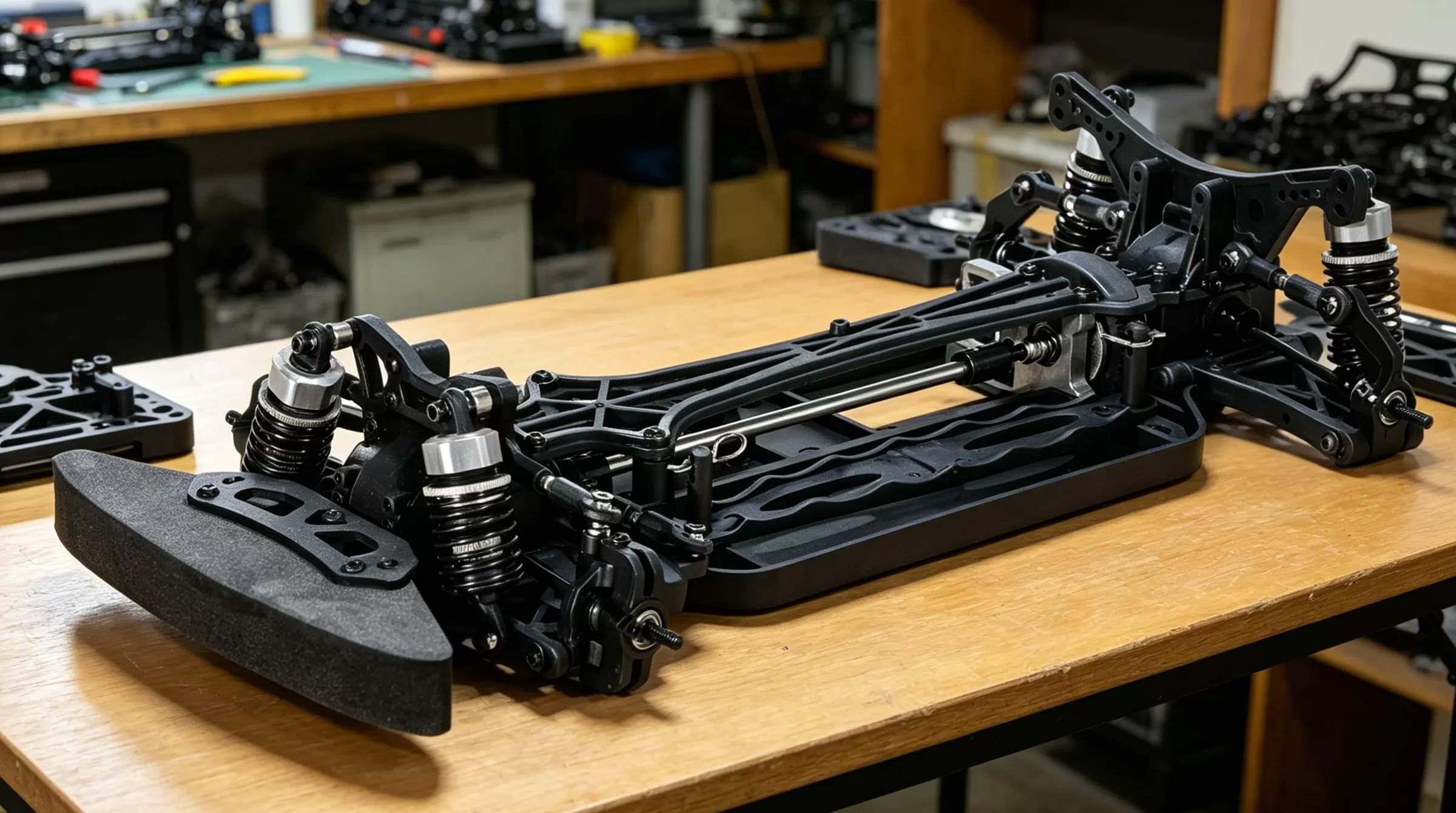
Polymer chassis and body shell
Each component may be subject to different regulations depending on the destination market. Failure to comply can result in customs delays, product recalls, fines, or restrictions on commercial sales.
For international buyers, choosing a manufacturer with established compliance processes often means lower business risk and better long-term product support.
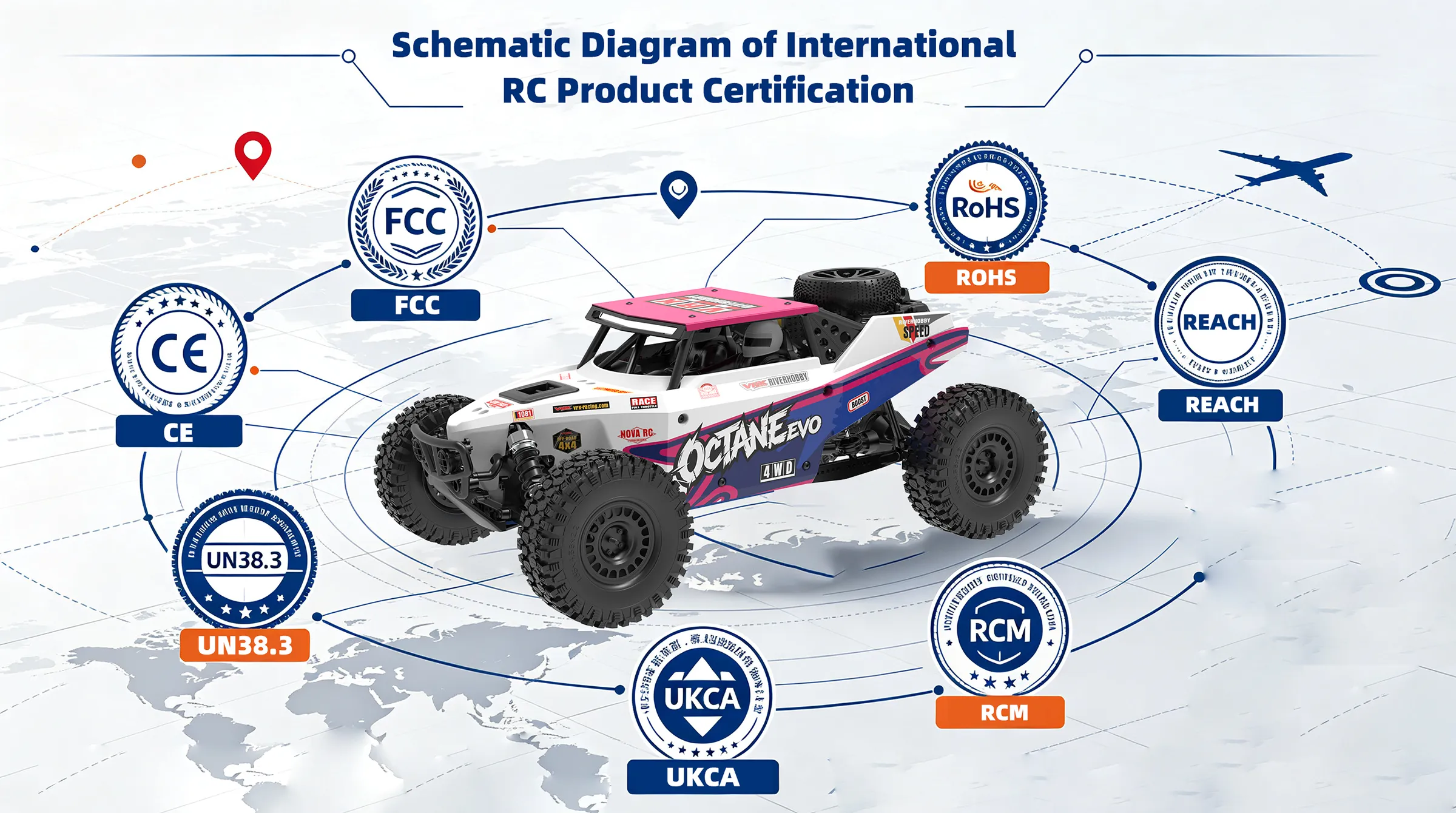
For products entering the European Economic Area (EEA), CE marking demonstrates conformity with applicable EU legislation. Contrary to popular belief, CE is not a single certification but a declaration that a product complies with relevant directives.
For electric RC cars, three regulations are particularly important.
Brushless motors, ESCs, and radio receivers generate electromagnetic emissions. Under the EMC Directive, manufacturers must ensure that their products neither create excessive electromagnetic interference nor lose functionality when exposed to external electromagnetic fields.
Typical laboratory evaluations include:
Radiated emission tests
Conducted emission tests
Electrostatic discharge (ESD) immunity
Electrical fast transient (EFT) testing
Surge immunity where applicable
These tests help ensure that RC vehicles operate reliably without interfering with nearby electronic equipment.
The Restriction of Hazardous Substances (RoHS) Directive limits hazardous materials used in electronic products.
Substance | Maximum Concentration |
Lead (Pb) | 0.1% |
Mercury (Hg) | 0.1% |
Cadmium (Cd) | 0.01% |
Hexavalent Chromium | 0.1% |
PBB/PBDE Flame Retardants | 0.1% |
Manufacturers typically obtain declarations from component suppliers and perform material verification to ensure compliance.
Unlike RoHS, REACH focuses on chemical substances throughout the supply chain.
One important requirement concerns Substances of Very High Concern (SVHCs). If an SVHC is present above 0.1% (weight by weight) in an article, suppliers may have information obligations toward customers.
For RC vehicles, REACH may affect:
Plastic body shells
Rubber tires
PVC wire insulation
Paint coatings
Adhesives
Because the SVHC Candidate List is updated regularly by the European Chemicals Agency (ECHA), manufacturers must continuously monitor their material suppliers.
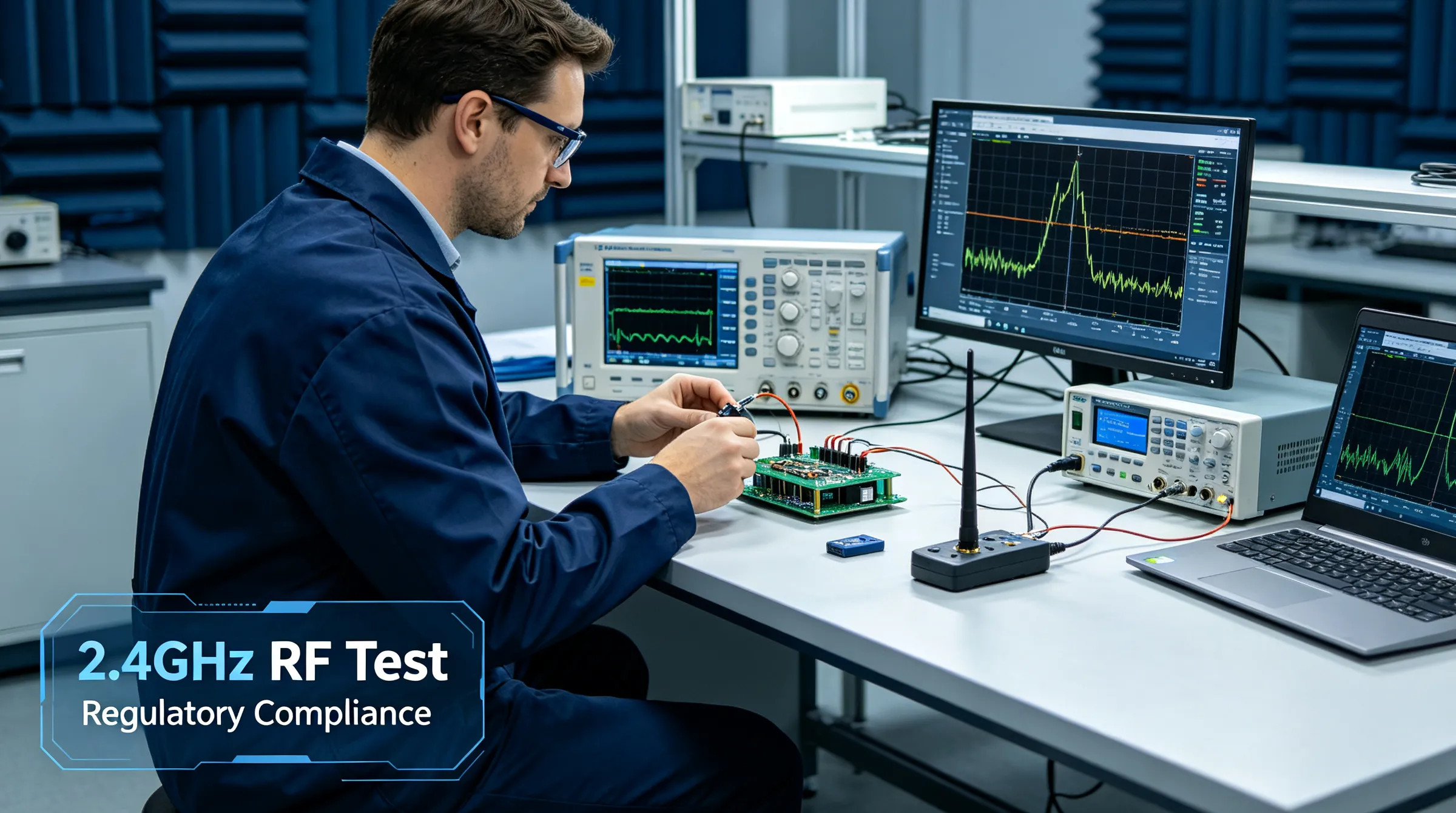
Nearly all modern remote control car 1/8 scale models use 2.4 GHz spread-spectrum radio technology.
In the United States, these wireless systems generally fall under FCC Part 15, which regulates unlicensed radio frequency devices.
Testing typically evaluates:
Maximum transmission power
Frequency stability
Occupied bandwidth
Spurious emissions
Receiver performance
Products that successfully complete testing receive an FCC ID, allowing legal commercial distribution within the U.S.
For distributors, requesting FCC documentation before placing bulk orders is a common procurement practice.
High-performance 1/8 scale RC electric vehicles usually rely on lithium batteries capable of delivering substantial current. While these batteries improve performance, they also require strict transportation controls.
International air and sea shipments generally require compliance with UN38.3, which includes eight safety evaluations:
T1 Altitude Simulation
T2 Thermal Test
T3 Vibration Test
T4 Shock Test
T5 External Short Circuit
T6 Impact or Crush Test
T7 Overcharge Test
T8 Forced Discharge Test
Most freight forwarders also request:
UN38.3 Test Summary
Material Safety Data Sheet (MSDS/SDS)
Battery specification sheet
Without these documents, battery shipments may be delayed or refused.
International regulations also emphasize mechanical safety.
Manufacturers evaluate components such as:
Suspension arms
Steering assemblies
Drive shafts
Shock towers
Wheel hubs
Fasteners
Repeated impact, vibration, and durability testing helps ensure that high-speed vehicles remain safe during extended operation.
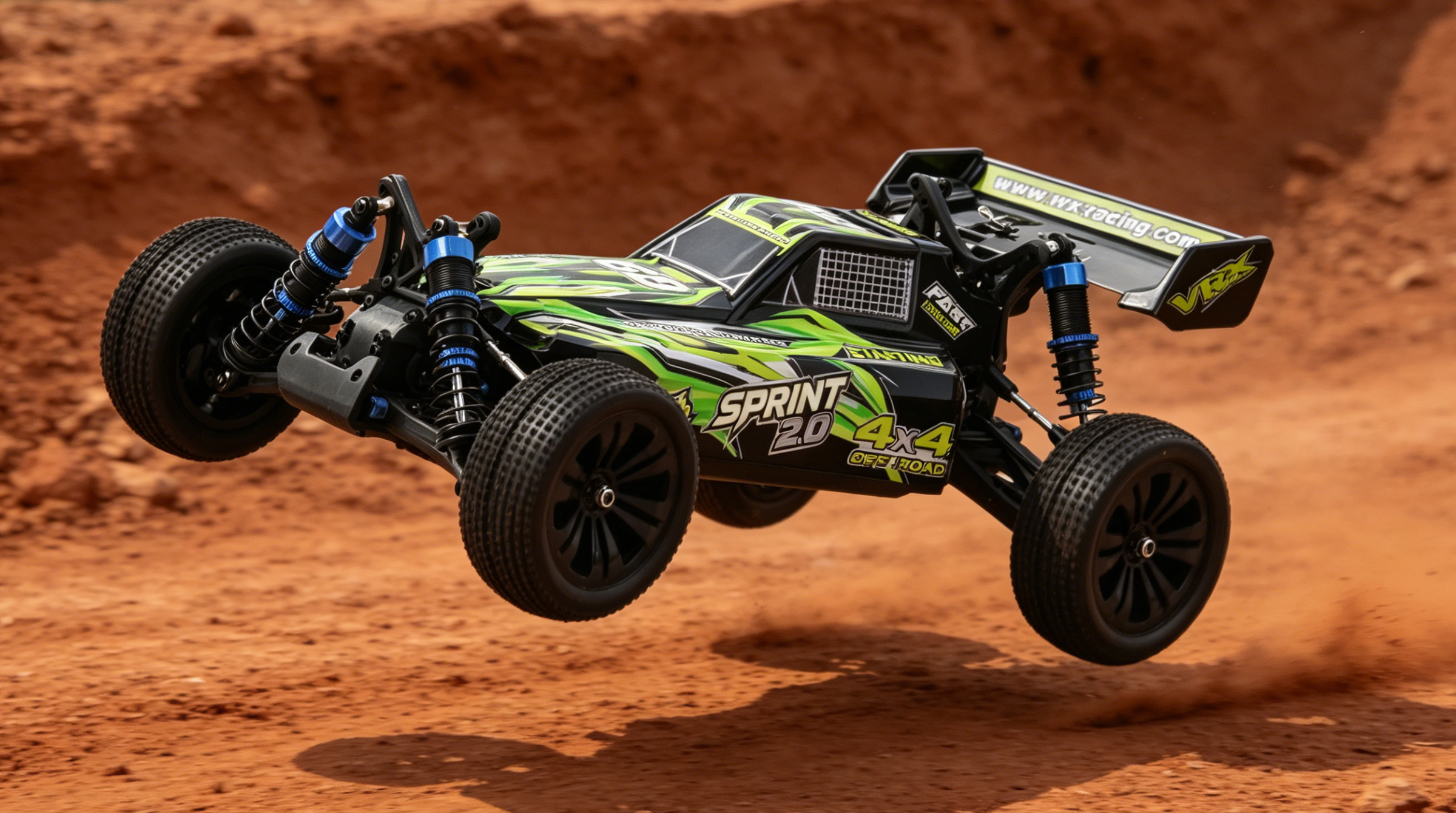
This is particularly important for a 1/8 brushless RC buggy, which experiences greater mechanical stress than entry-level brushed models due to its higher speed and torque.
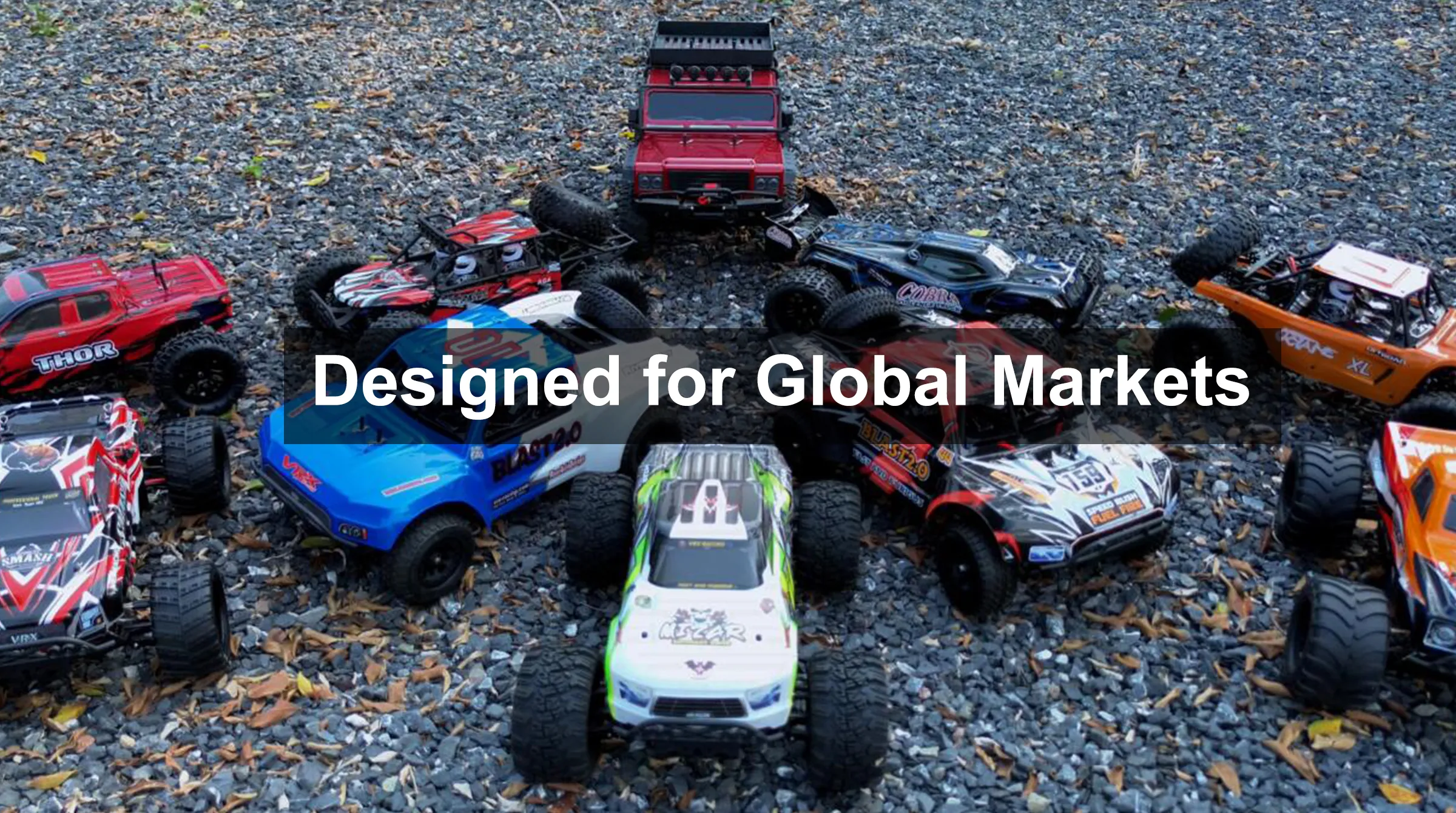
Many hobby-grade RC vehicles are intended for users aged 14 years and above. This classification has regulatory implications.
If a product is marketed for younger children in the United States, it may also fall under the Consumer Product Safety Improvement Act (CPSIA).
Potential requirements include:
Lead content restrictions
Phthalate limitations
Children's Product Certificate (CPC)
Third-party laboratory testing
Permanent tracking labels
To avoid unnecessary regulatory complexity, many manufacturers clearly label high-performance brushless models as hobby-grade products intended for experienced users.
Global manufacturers must also consider additional regional requirements.
Electrical and electronic products may require compliance with the Regulatory Compliance Mark (RCM), demonstrating conformity with electrical safety and electromagnetic compatibility requirements.
Following Brexit, many products entering Great Britain now require the UKCA marking instead of CE for applicable regulations.
Wireless systems are generally evaluated under Innovation, Science and Economic Development Canada (ISED) regulations for radio equipment.
Although technical requirements often resemble FCC standards, separate approvals may still be necessary.
Before purchasing a brushless 1 10 rc, rc truggy brushless 1 10, or 1 10 brushless buggy, distributors often request the following documentation.
Certification | Region | Purpose |
CE | European Union | Product safety and market access |
FCC | United States | Wireless communication compliance |
UKCA | United Kingdom | UK regulatory conformity |
RCM | Australia | EMC and electrical compliance |
RoHS | EU | Hazardous substance restrictions |
REACH | EU | Chemical substance compliance |
UN38.3 | Global | Lithium battery transportation |
MSDS/SDS | Global | Battery shipping documentation |
Providing these documents demonstrates that a manufacturer has established quality management and compliance procedures.
Rather than treating certification as the final production step, experienced manufacturers integrate compliance throughout the development process.
A typical workflow includes:
1. Product concept and engineering design
2. Material selection and supplier qualification
3. Prototype testing
4. Mechanical durability validation
5. Electrical and RF testing
6. Regulatory certification
7. Mass production quality control
8. Final inspection and documentation
This approach reduces redesign costs while helping products enter international markets more efficiently.
For companies such as VRX Racing, which produces both RC 1 10 brushless platforms and 1/8 scale RC electric vehicles, early compliance planning supports consistent product quality across multiple regions.
The modern RC industry extends far beyond performance specifications and racing excitement. As products move across international borders, compliance with regulations such as CE, FCC, RoHS, REACH, UKCA, RCM, and UN38.3 has become essential for manufacturers, distributors, and importers alike. Understanding these requirements helps reduce shipping delays, simplify customs clearance, improve product reliability, and strengthen customer trust.
For buyers seeking a reliable 1/8 brushless RC buggy or a high-performance brushless 1/10 RC, partnering with an experienced manufacturer like VRX Racing offers more than advanced engineering. It provides confidence that products have been developed with global market requirements in mind, making international distribution smoother and supporting long-term business success.