The electric RC car market has become more competitive than ever. From entry-level recreational vehicles to professional racing platforms, buyers can choose from hundreds of brands offering everything from electric RC truggy models to electric RC crawlers, drift cars, and high-speed buggies. While product specifications such as motor power and top speed remain important, international buyers are increasingly evaluating manufacturers based on broader criteria.
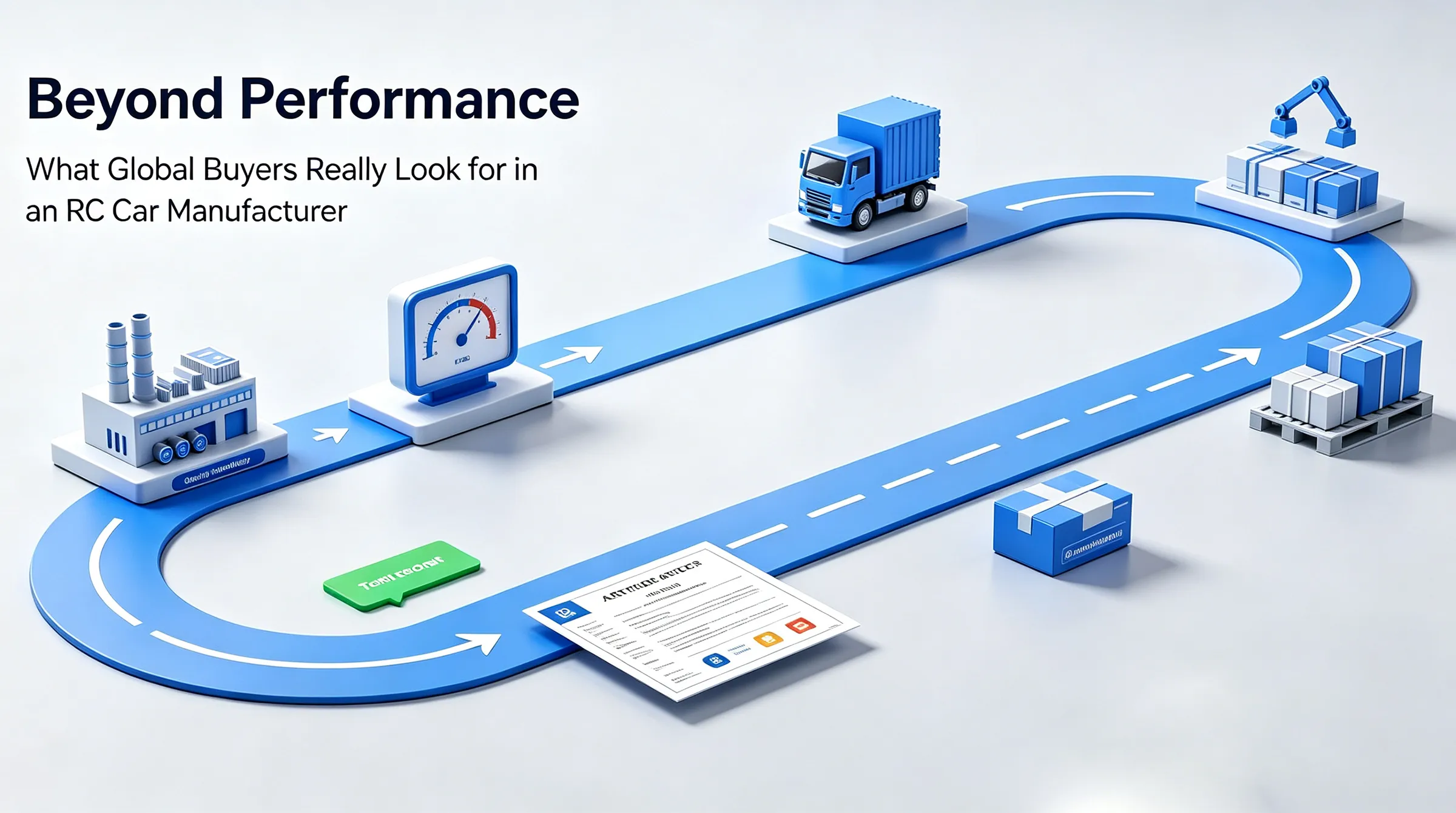
For distributors, wholesalers, and OEM partners, choosing an RC brand is not simply about selecting the fastest vehicle. It involves assessing product quality, compliance with regional market requirements, after-sales support, spare parts availability, and the manufacturer's ability to serve different customer segments.
Companies such as VRX Racing have expanded their product portfolios to meet these evolving expectations, offering everything from electric RC short course truck platforms and compact 1/18 brushless RC vehicles for customers around the world.
One of the first indicators of an established RC manufacturer is the diversity of its product lineup.
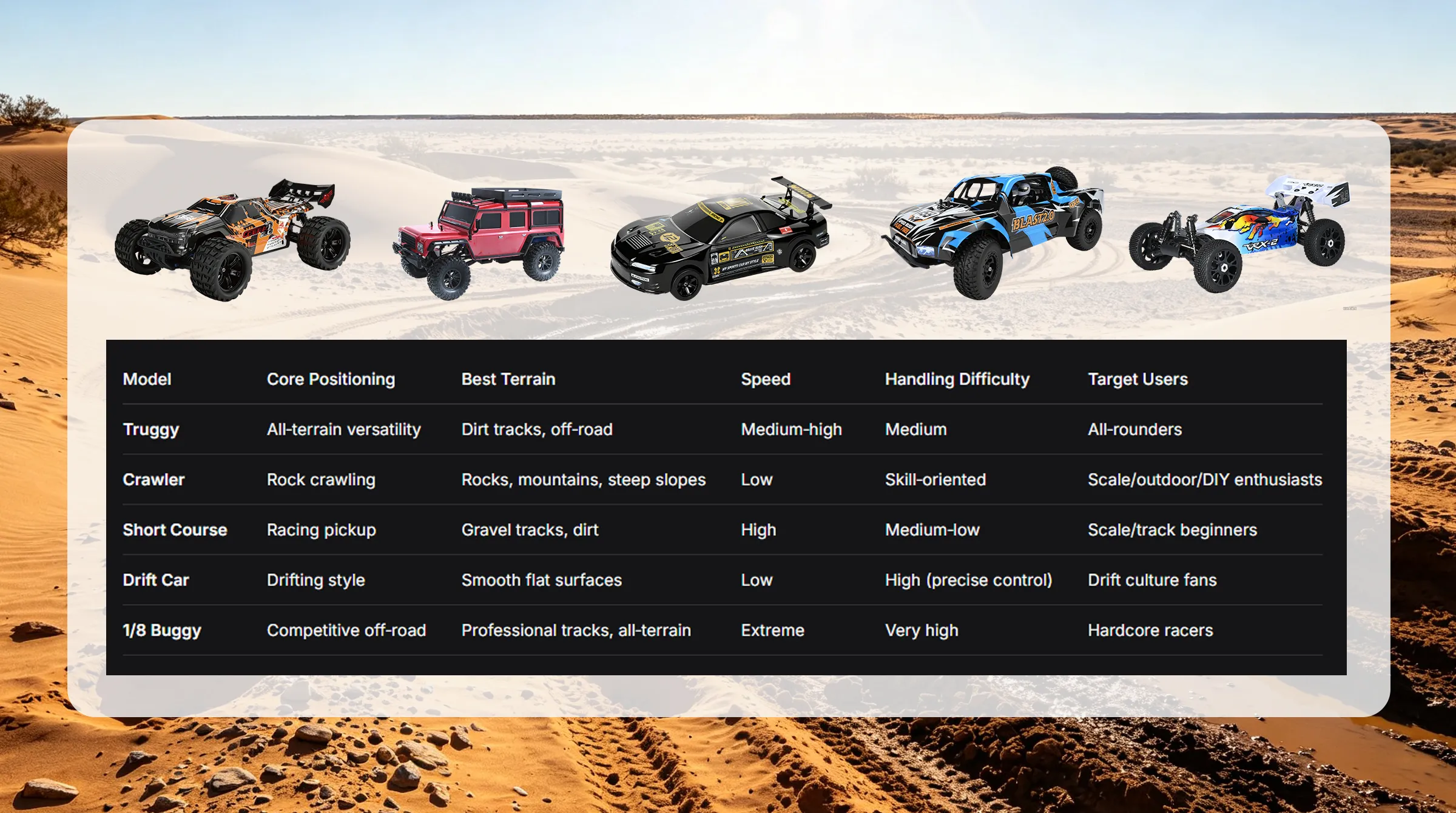
Different RC categories serve different driving styles and customer needs.
For example:
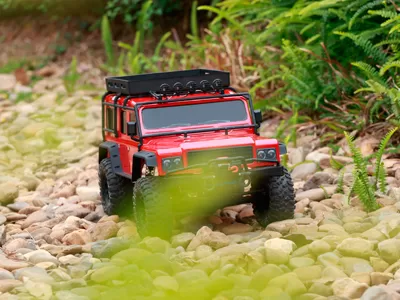
Electric RC crawlers prioritize torque, articulation, and realistic off-road performance.
Electric RC drift cars focus on precise steering and smooth cornering.
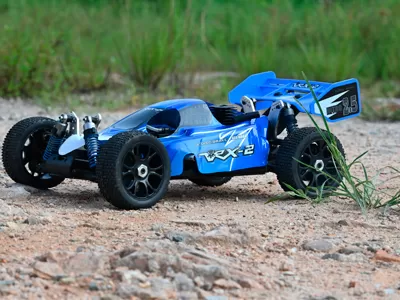
Electric RC truggy models combine the stability of a truck with the speed of a buggy.
Electric short course truck platforms are valued for their durability and ease of maintenance.
A manufacturer capable of developing multiple product categories often demonstrates stronger engineering capabilities and a better understanding of diverse international markets.
A high top speed may attract attention, but professional buyers evaluate many additional factors before making purchasing decisions.
Questions commonly asked include:
Is the chassis durable enough for repeated use?
Can replacement parts be supplied for several years?
Are upgrade components readily available?
Is technical documentation complete?
Does the manufacturer support OEM or private-label projects?
Can production remain stable during peak seasons?
These considerations directly affect customer satisfaction and long-term business success.
For example, a brushless RTR vehicle that is easy to maintain often delivers greater value than a faster model with limited parts availability.
For international distributors, compliance is no longer viewed simply as a legal requirement. It has become a sign that a manufacturer follows recognized production standards and understands global trade practices.
When evaluating an RC brand, buyers frequently ask whether products are supported by documentation relevant to their destination market, such as CE declarations for Europe, FCC compliance for wireless systems in the United States, RoHS material declarations, or UN38.3 documentation for lithium battery transportation.
Although these requirements differ by region, they all contribute to smoother customs clearance, reduced commercial risk, and increased confidence among retailers and consumers.
For manufacturers, meeting these expectations demonstrates a commitment to quality management rather than simply meeting minimum legal obligations.
While many RC products are sold globally, different regions often emphasize different purchasing requirements.
European distributors increasingly evaluate products based on both performance and environmental responsibility.
Besides expecting products to comply with applicable CE requirements, many retailers request supporting documentation related to RoHS and REACH to confirm that electronic components and materials meet environmental standards.
Another growing consideration is product longevity.
European hobbyists generally prefer RC vehicles with:
Long-term spare parts support
Upgrade compatibility
Repair-friendly designs
Clear maintenance documentation
Manufacturers able to supply replacement parts for many years are often viewed more favorably than brands focused only on launching new models.
The North American RC market remains one of the largest and most mature in the world.
Customers appreciate powerful products such as high-performance VRX Bullet models.
However, retailers also expect manufacturers to provide:
Stable spare parts inventory
Responsive warranty support
Reliable technical documentation
Consistent product quality
Because many products use 2.4 GHz radio systems, distributors also expect manufacturers to provide appropriate wireless compliance documentation where required.
Across Asia-Pacific, customer preferences vary significantly.
Japan and South Korea often emphasize engineering quality, precision, and brand reputation.
In Southeast Asia, affordability and upgrade flexibility are major purchasing factors.
The popularity of Electric RC Drift Car Wholesale programs has also increased as more retailers expand their product offerings for urban hobbyists.
Manufacturers capable of providing both entry-level and advanced brushless models are generally better positioned to serve this diverse market.
Outdoor driving is especially popular in Australia and New Zealand.
Customers frequently drive RC vehicles on dirt tracks, gravel roads, parks, and open fields.
As a result, buyers often look for features such as:
Waterproof electronics
Dust-resistant drivetrains
High ground clearance
Durable suspension systems
These expectations are shaped by local driving conditions rather than formal regulations, making product durability a significant competitive advantage.
Distributors serving emerging RC markets frequently prioritize transportation durability and long-term reliability.
Products may experience extended shipping periods and operate under demanding environmental conditions.
For this reason, buyers often evaluate:
Packaging quality
Component consistency
Battery transportation documentation
Spare parts availability
Technical support responsiveness
Reliable logistics and dependable after-sales service are often viewed as equally important as product performance.
Many first-time buyers compare RC vehicles by looking at specifications such as maximum speed or motor size.
Experienced hobbyists often think differently.
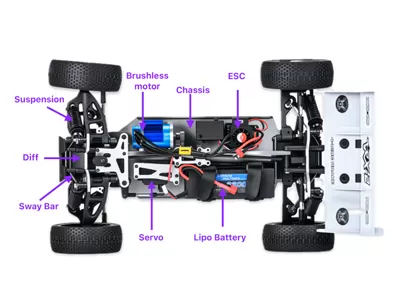
An impressive brushless motor for RC car provides excellent performance, but every RC vehicle eventually requires maintenance.
Common replacement items include:
Suspension arms
Shock absorbers
Differential gears
Tires
Drive shafts
Body shells
Electronic Speed Controllers (ESCs)
Manufacturers with comprehensive spare parts systems help customers keep vehicles running for years instead of replacing them after minor damage.
This is one reason why internationally recognized brands continue building strong customer loyalty.
Successful RC manufacturers continuously improve existing platforms rather than simply introducing new products.
Examples of meaningful innovation include:
Modular chassis designs
Improved battery accessibility
Stronger transmission systems
Waterproof electronic layouts
More efficient brushless power systems
Better compatibility between upgrade parts
Performance-oriented platforms such as VRX Pro, together with versatile models like the VRX Bullet, illustrate how continuous engineering refinement can enhance durability while reducing maintenance complexity.
For distributors, this approach also simplifies inventory management because many components remain compatible across multiple product families.
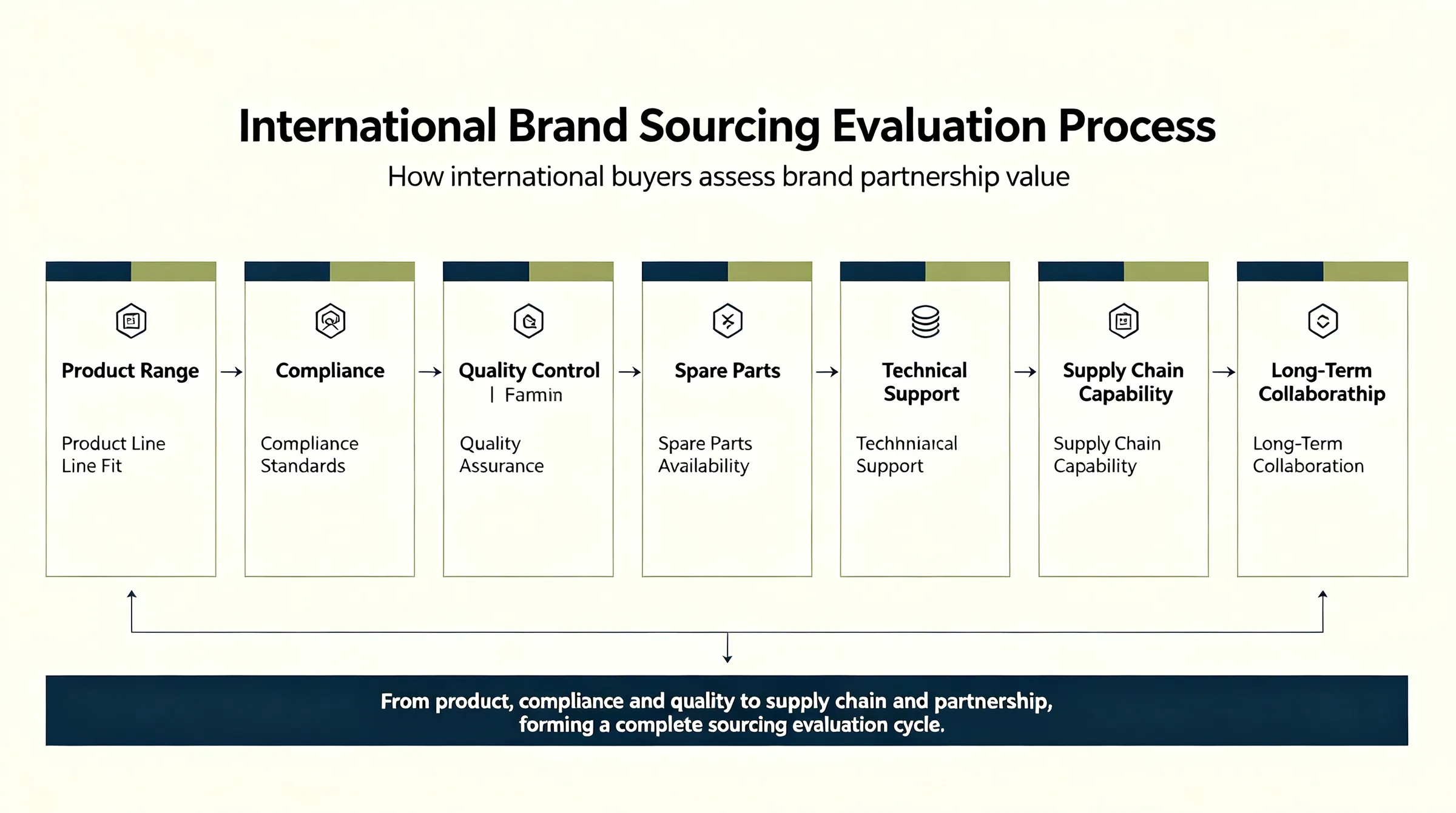
Selecting an RC manufacturer should be viewed as a long-term investment rather than a single purchase.
Whether sourcing electric RC drift cars or adding a 1/8 scale RC electric buggy to a product portfolio, buyers should evaluate the complete value offered by the brand.
Key considerations include:
Comprehensive product range
International market experience
Compliance documentation
Stable manufacturing capacity
Spare parts support
Product upgrade ecosystem
Responsive technical service
Manufacturers that perform well across these areas are generally better equipped to support distributors and hobbyists as markets continue to evolve.
The global RC industry has entered an era in which brand credibility is built on much more than speed and specifications. International buyers increasingly expect manufacturers to deliver reliable products, meet regional market requirements, provide comprehensive technical documentation, maintain long-term spare parts availability, and support customers throughout the product lifecycle.
With a diverse portfolio that includes electric RC truggy and brushless RTR vehicles, VRX Racing demonstrates how a modern RC manufacturer can combine engineering innovation with global business readiness. For distributors and hobbyists alike, choosing a trusted brand is not only an investment in performance but also in reliability, service, and long-term value.