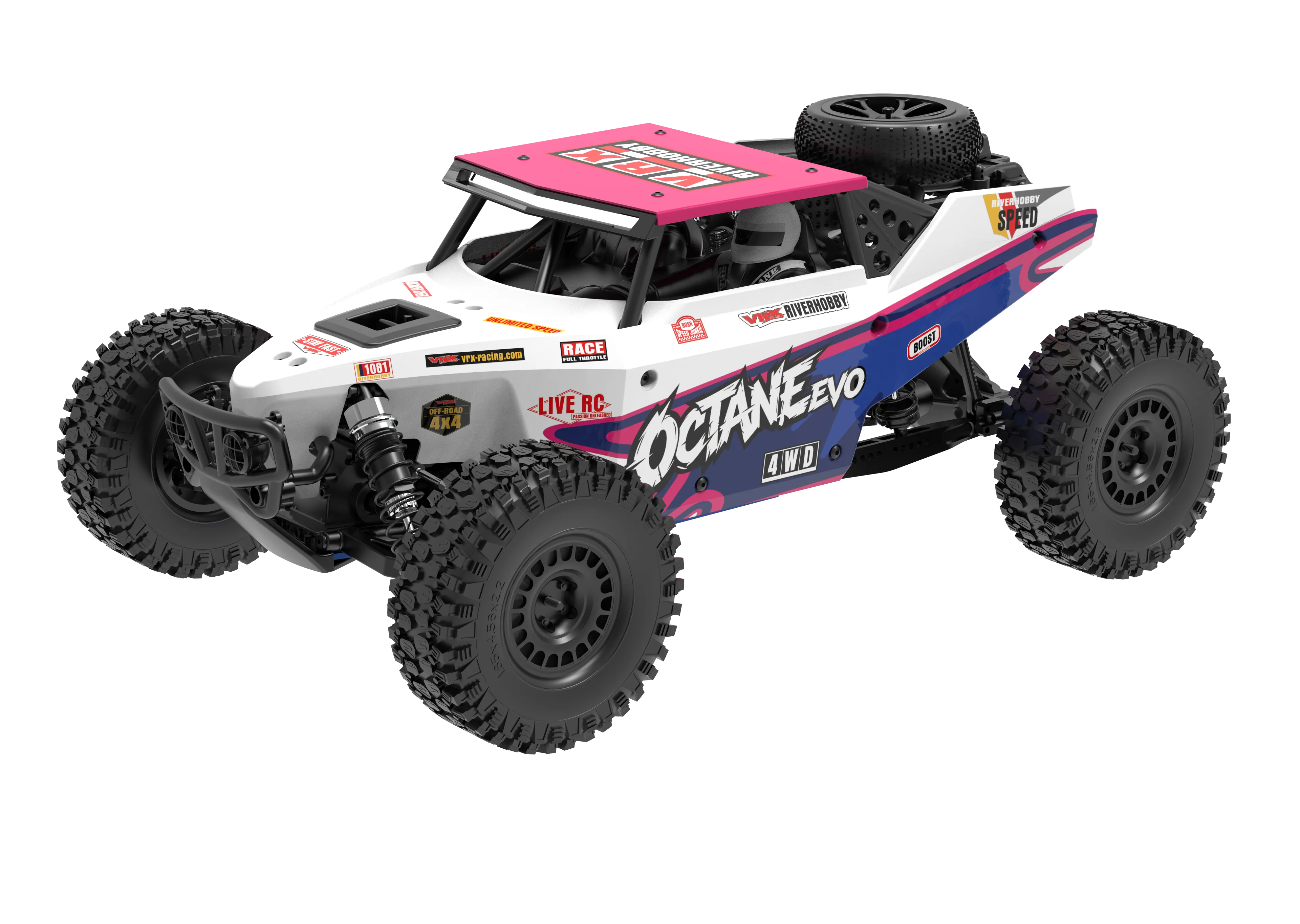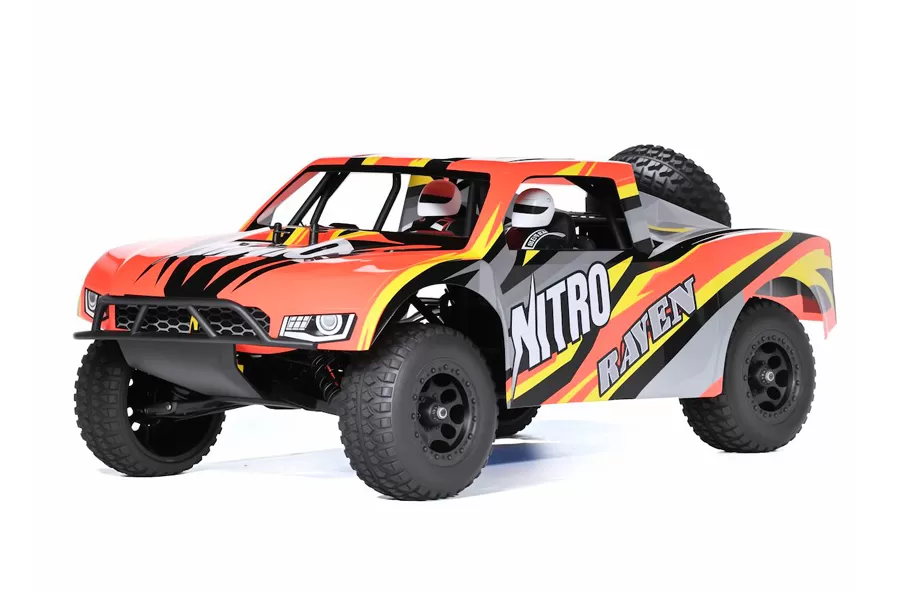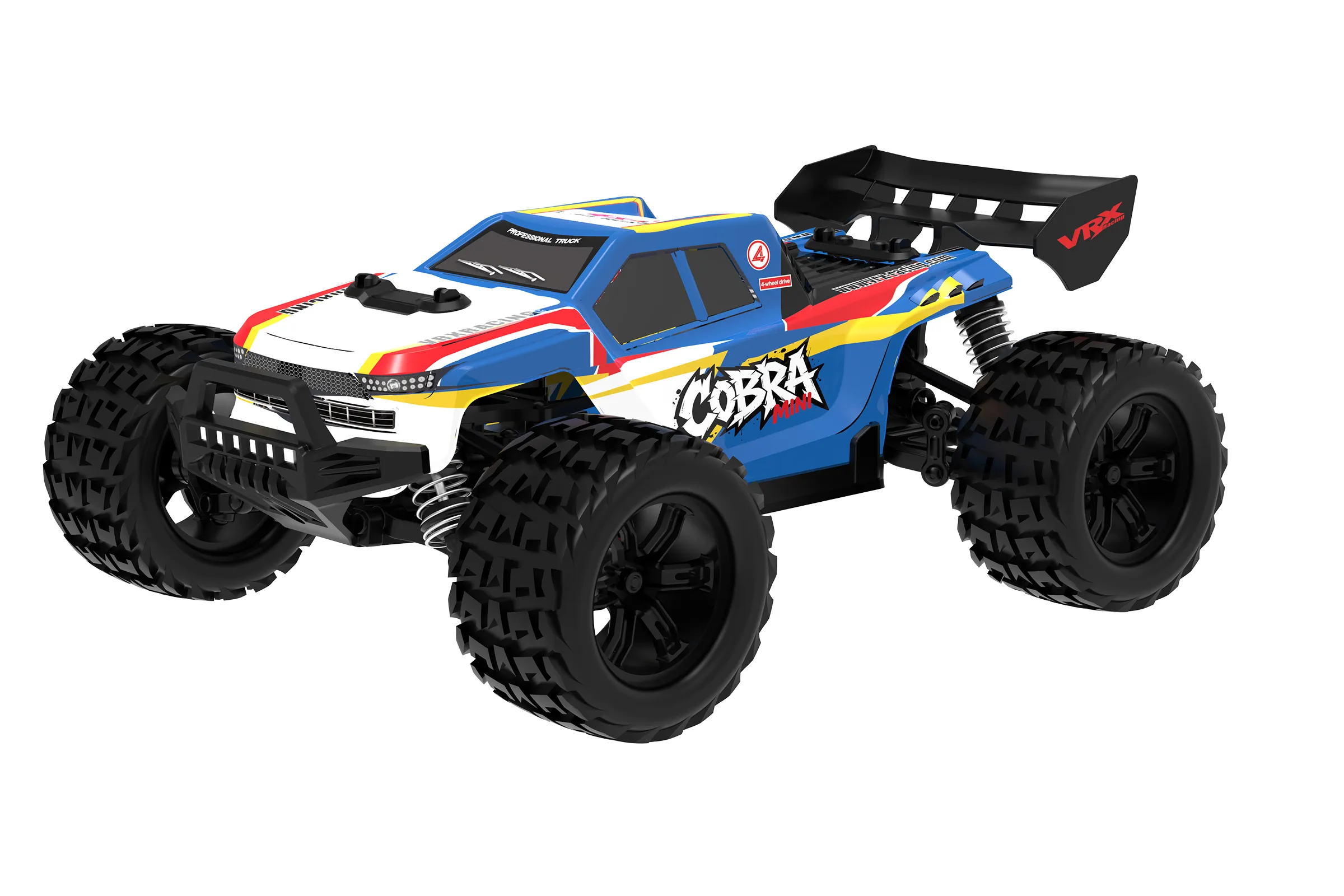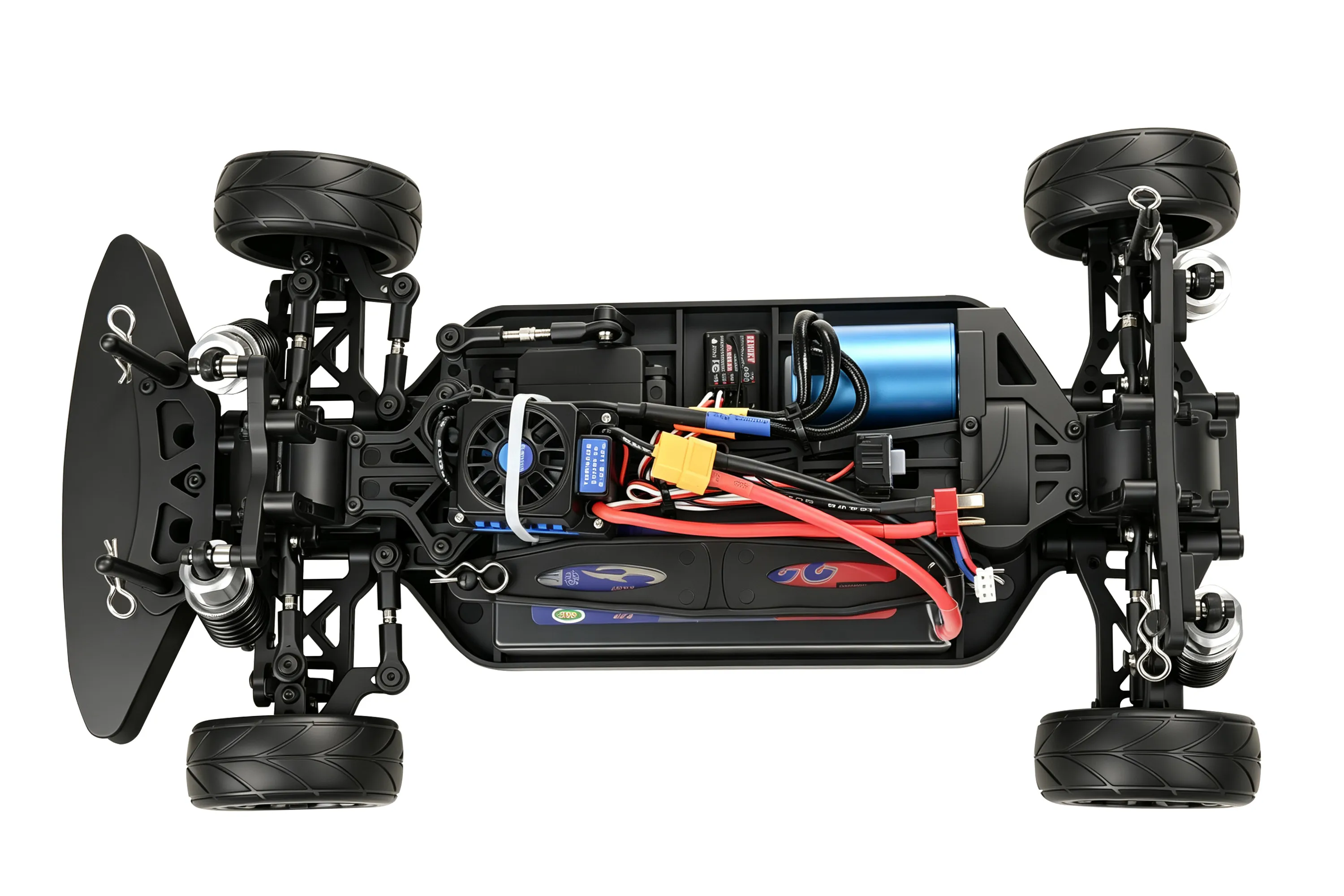
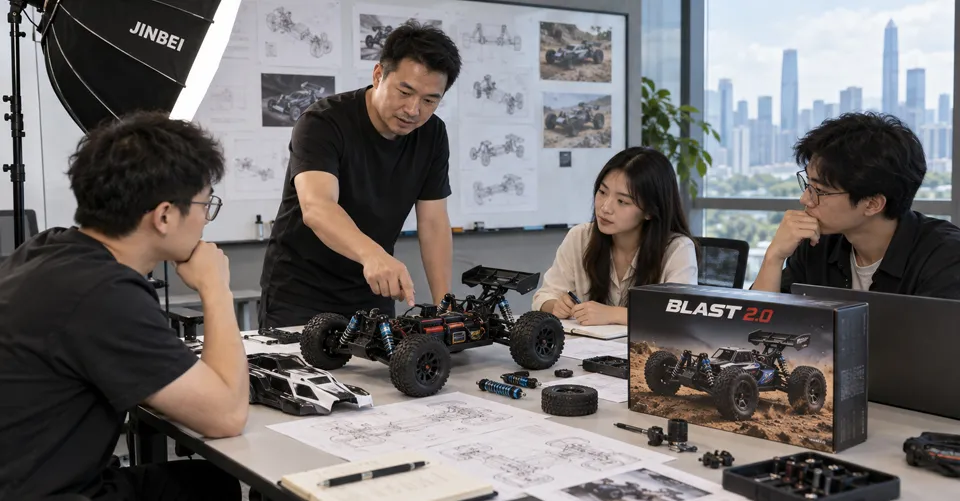
Intro. A global cosmetics conglomerate — a name it keeps under NDA — decided to enter the lifestyle market by reviving a 1/10 scale racing buggy that defined the Japanese RC scene in the 1980s. VRX RACING joined as lead engineering partner and delivered ten production-grade prototype vehicles in an eight-week window, on time and on spec.
Challenge. The project looked simple on paper and was anything but. Three problems had to be solved before a single part could be molded:
A 30-year-old design meeting modern tooling. The original blueprints predated modern injection molding standards; most structural elements needed a complete internal redesign, not a re-release.
Cosmetic-grade finish. The client asked for body finishing that matched its luxury makeup packaging: zero mold lines, deep gloss, flawless batch-to-batch consistency. By RC hobby standards, that requirement was extreme.
No engineering data. The client was expert at static design but had no data proving the car could survive real driving — the impacts, jumps and G-forces of 60 km/h (37 mph).
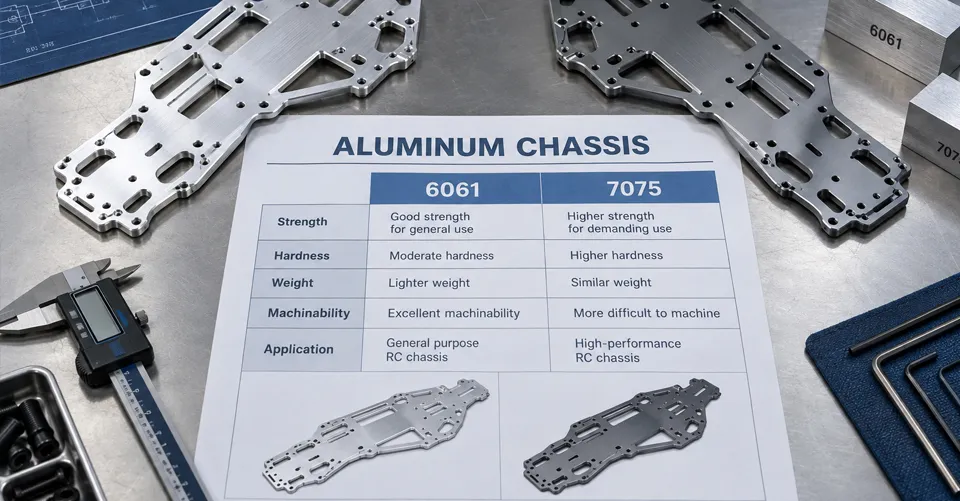
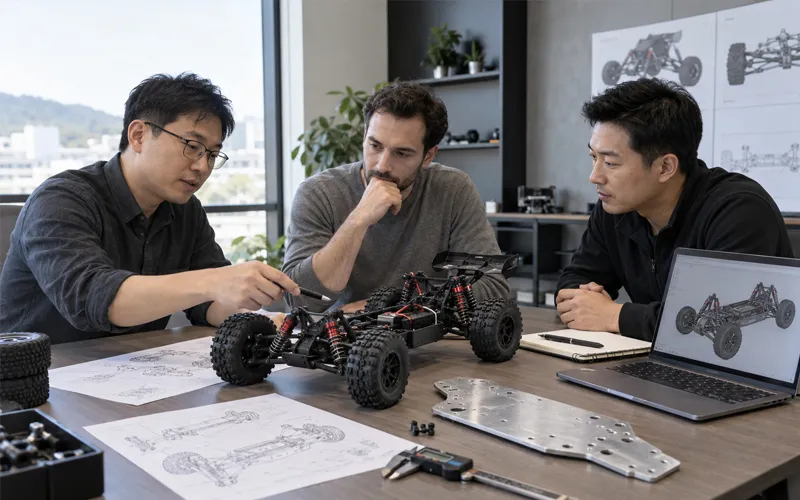
Solution. We treated the project like a restomod: keep the classic silhouette on the outside, install modern race technology underneath. Our engineers reverse-engineered the chassis and reinforced the skeleton, then ran multiple rounds of material testing on carbon fiber, glass-reinforced nylon composites and several grades of aluminum. 7075 alloy at 2 mm won — it combines impact resistance, fatigue endurance and weight control better than the alternatives for off-road use.
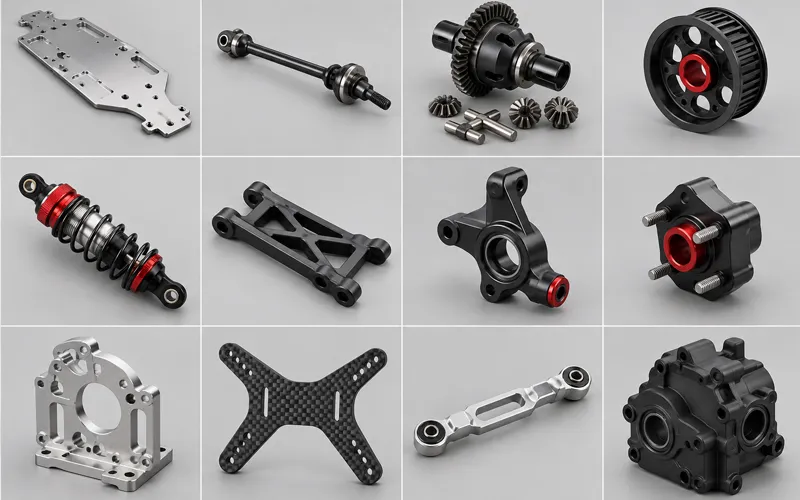
To cut cost and guarantee performance, we applied a platform-sharing strategy: proven drivetrain and suspension components from VRX’s competition line replaced the vintage hardware, reaching a 45% parts commonality rate. The old rattling dogbones gave way to front CVDs and a low-friction belt drive; primitive friction dampers were swapped for big-bore oil-filled shocks with spring rates dialed to the chassis weight. The body left the booth with an automotive-grade tri-coat pearl finish.
Process. An eight-week launch window left no room for a linear schedule, so we ran a four-sprint technical co-development workflow:
Weeks 1–2: a joint project team was set up under NDA; engineers broke down the legacy 3D data and mapped manufacturing bottlenecks.
Weeks 3–4: 63 shared components were locked in, cutting tooling cost immediately; five functional prototypes were built and 12 design-for-manufacturing conflicts found and resolved.
Weeks 5–6: tuning — tire compound and foam inserts were matched to the client’s target terrain; shock damping was adjusted to kill chassis slap on heavy landings.
Weeks 7–8: the client’s engineering team flew to Shenzhen for on-site sign-off and torture testing on our track. On October 20, ten production-grade units were delivered.
Key Results.
First article in 22 days — roughly half the industry norm for a project of this complexity.
Total development cost cut by 35% through the platform-sharing strategy.
100% first-pass yield, with critical tolerances held to ±0.08 mm.
Top speed validated at 60 km/h+ on 2S LiPo power.
“Entering the RC hobby market was a daunting leap for a cosmetics company. We were worried about the technical execution. VRX Racing didn’t just manufacture a product; they engineered a solution. They gave our classic design the soul of a modern racer, and the finish quality perfectly aligns with our brand’s premium standards.” — Project Director, Leading Japanese Beauty Group