Radio-controlled cars have changed dramatically since they first appeared as experimental hobby machines. Early models were relatively simple, often adapted from aircraft technology and powered by small combustion engines. Today, RC enthusiasts can choose from highly engineered electric buggies, nitro trucks, rally cars, brushless racers, and large-scale off-road platforms.
The evolution is more than a story of increasing speed. It reflects improvements in radio control, electric motors, batteries, suspension, materials, drivetrains, and manufacturing. Understanding this history helps explain why modern 1/8 scale electric RC cars, 1/10 scale brushless RC models, and nitro platforms have developed into such distinct categories.
The roots of radio-controlled vehicles can be traced to the development of remote-control technology for aircraft and other models. During the 1960s, this technology began moving into cars. Early RC cars were often built around small model-aircraft engines, while radio systems were still relatively expensive and technically limited.
Commercial RC cars began appearing during the middle and late 1960s. Manufacturers in Europe and the United States started developing commercially viable RC car kits, introducing enthusiasts to a new type of mechanical hobby.
Early models were very different from today's ready-to-run vehicles. Steering and throttle control were less sophisticated, and many cars required significant assembly and tuning. Nevertheless, the basic concept was already established: a miniature vehicle could reproduce many of the mechanical characteristics of a real car while being controlled from a distance.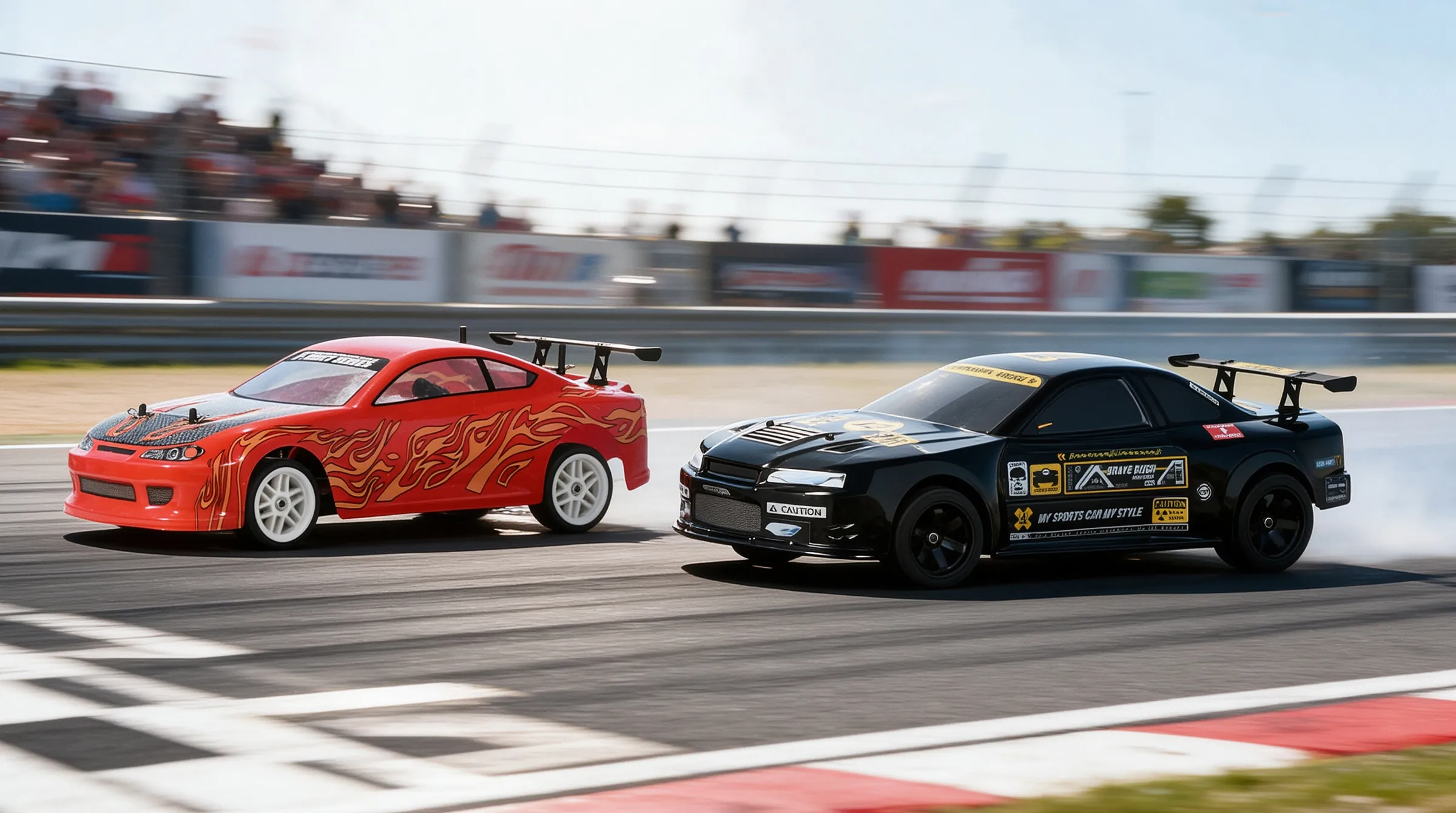
One of the interesting features of early RC development was the prominence of 1/8-scale vehicles. During the 1970s, manufacturers developed 1/8 models using aluminum chassis and small internal-combustion engines. These cars became closely associated with organized racing and high-performance RC design.
The relatively large size offered practical engineering advantages. A larger chassis could accommodate a more substantial engine, stronger drivetrain components, larger tires, and more sophisticated suspension geometry.
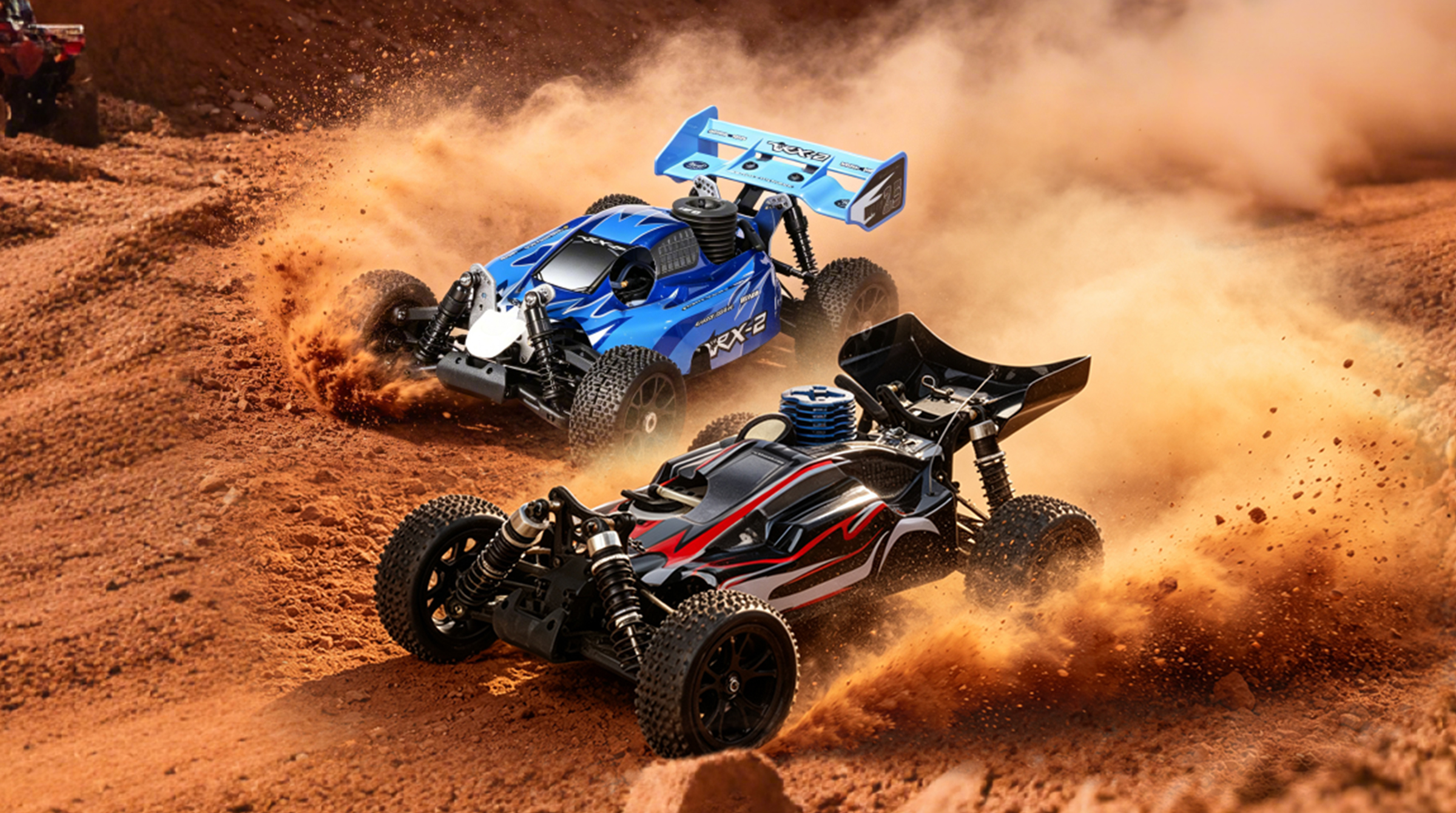
This legacy can still be seen in today's 1/8 nitro buggy categories. Modern versions are far more advanced, but the basic engineering principle remains: additional chassis space allows manufacturers to build a robust platform around a high-output power system.
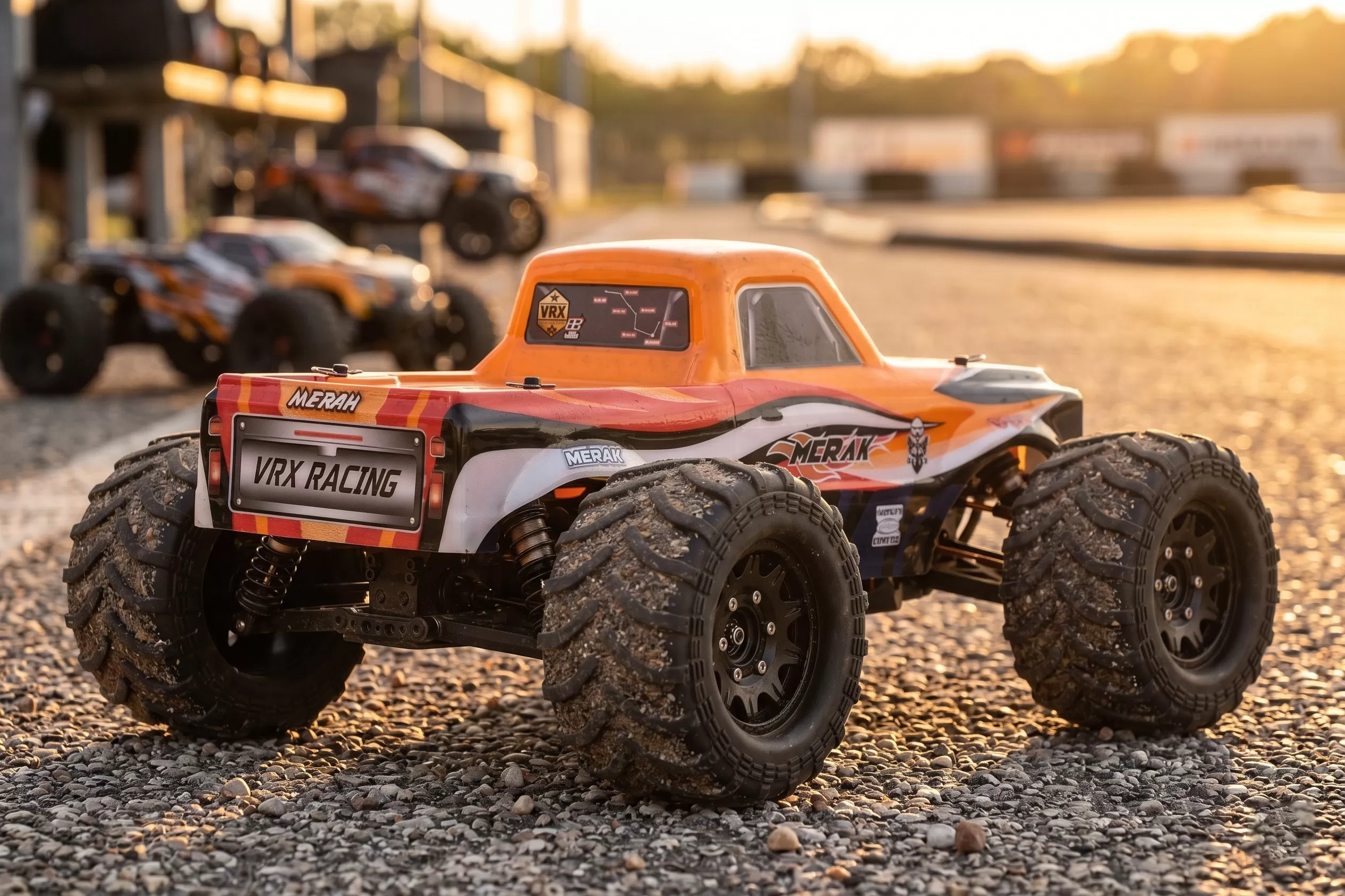
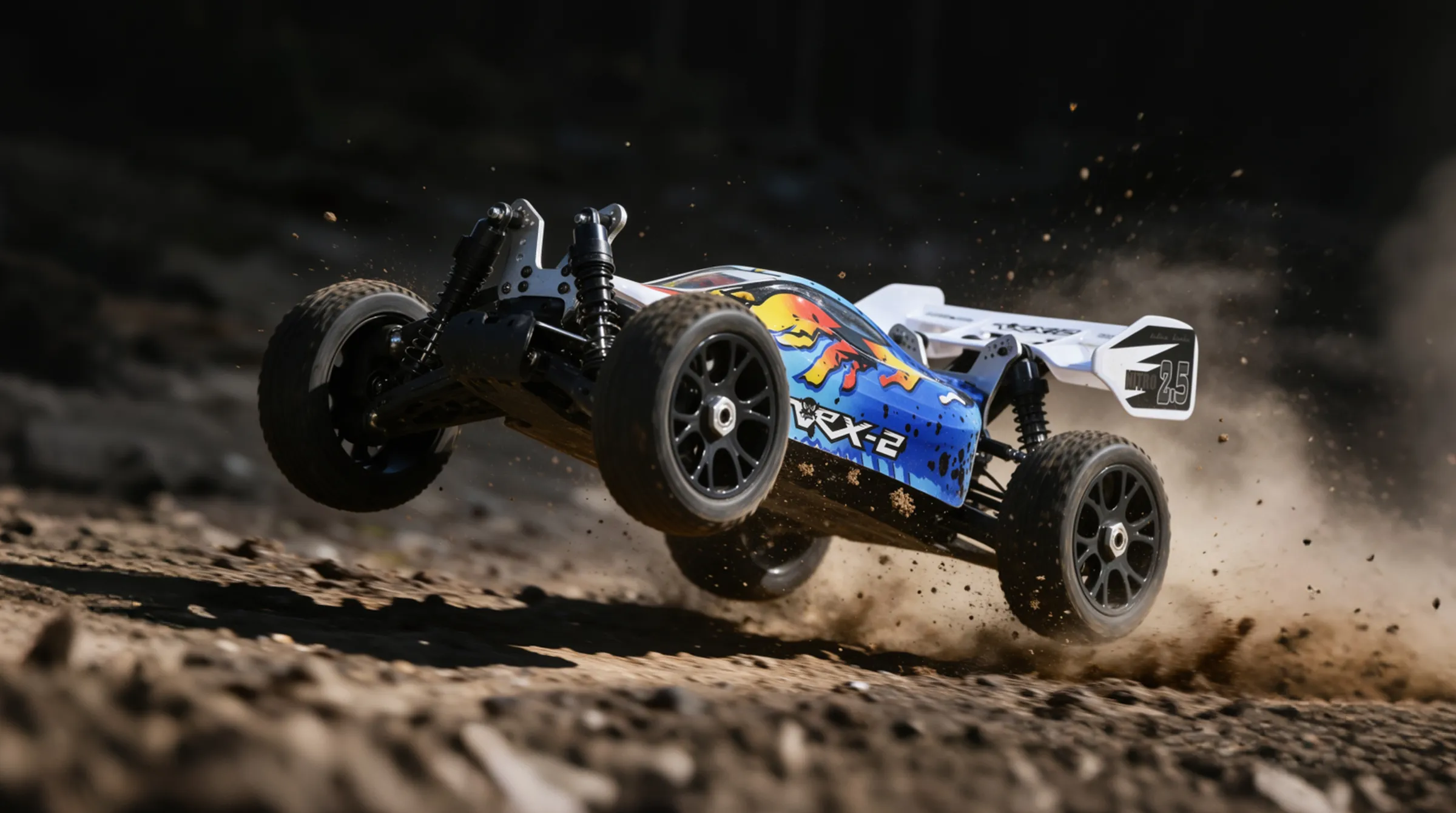
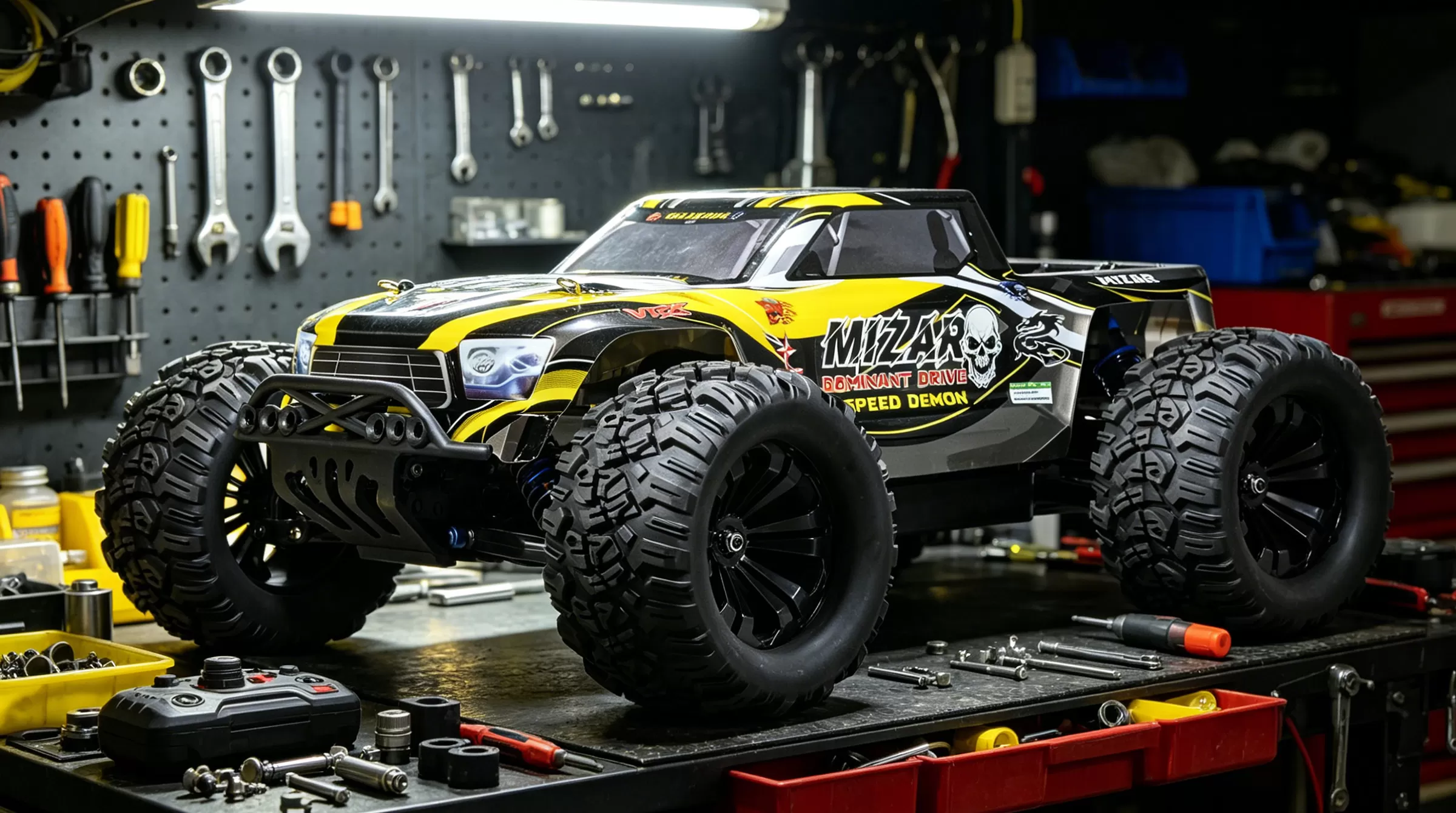
VRX Racing's current 1/8 nitro range illustrates this development. Models such as the VRX-2 buggy and VRX-1 truck combine four-wheel drive with aluminum chassis construction, SH-series engines, adjustable suspension, and substantial ground clearance for off-road driving.
The next major transformation came from improvements in rechargeable batteries and electric motors. Electric power eventually made RC vehicles easier to operate and opened the door to new types of driving.
The development of purpose-built electric RC vehicles was particularly important for off-road driving. Instead of being restricted mainly to smooth surfaces, models with working suspension and suitable tires could tackle dirt, gravel, jumps, and uneven ground.
That progression eventually led to the modern electric RC car buggy. Today's electric RC buggy is not simply a miniature road car with an electric motor. It is designed around suspension travel, weight distribution, tire performance, ground clearance, and drivetrain durability.
This development also created more specialized vehicle categories. A buggy could prioritize lightweight handling, while a truck could use a more robust chassis and larger tires. Rally and on-road models could instead focus on stability and predictable handling on smoother surfaces.
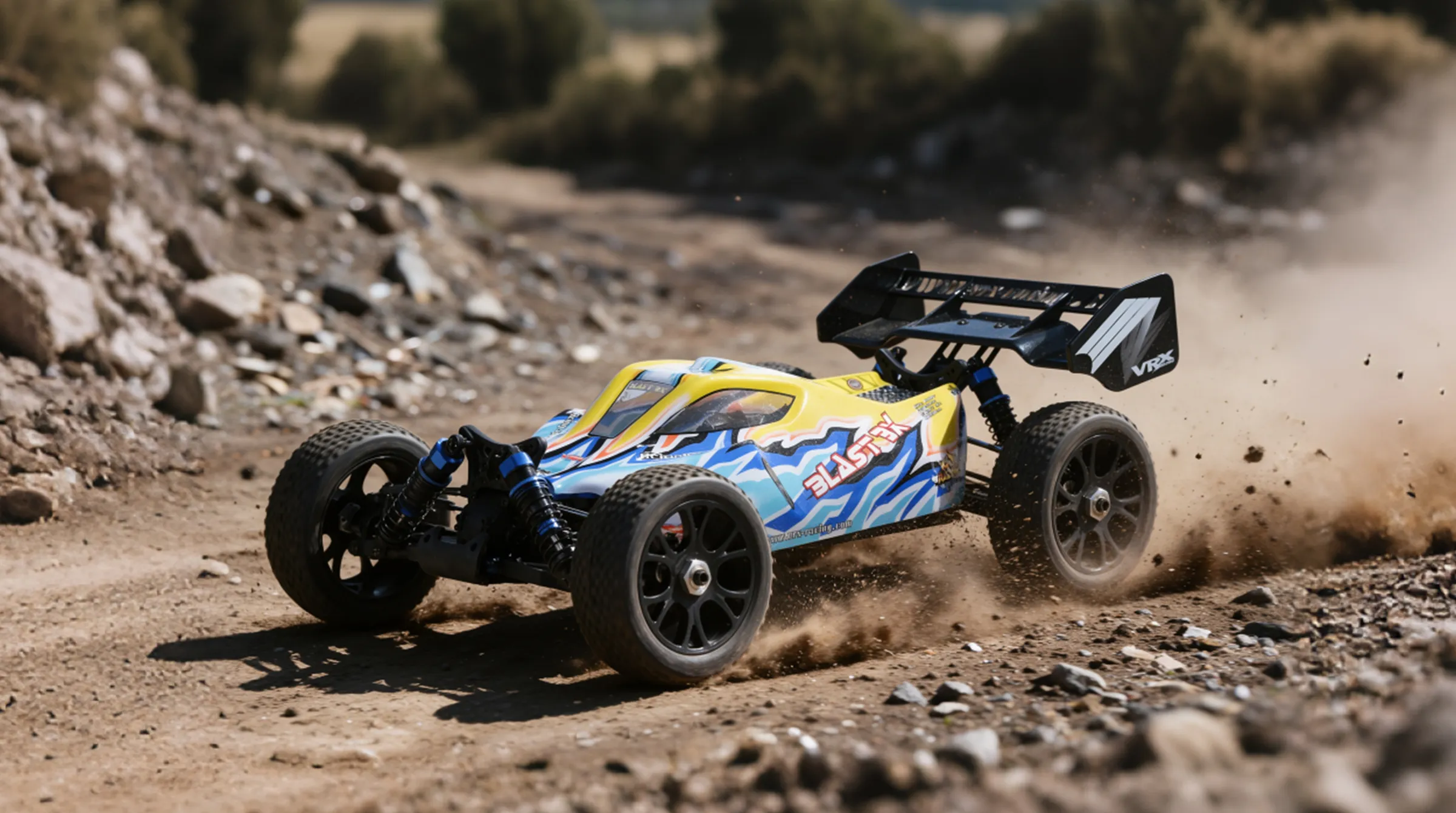
For many years, brushed motors were the standard electric solution. They remain useful because their construction is relatively straightforward and their power delivery can be predictable for beginners and casual drivers.
The development of brushless technology, however, changed expectations for electric RC performance. Brushless motors eliminate physical brushes and commutators, reducing mechanical wear while improving efficiency and allowing higher performance.
Modern brushless 1/10 RC models demonstrate how far electric RC technology has progressed. VRX Racing's 1/10 brushless vehicles use 3650 motors with different KV ratings and dedicated brushless ESCs, allowing these relatively compact platforms to deliver strong acceleration and high-speed performance.
Brushless technology also gives manufacturers more flexibility when developing different vehicle types. A 1/10 brushless buggy can prioritize agility, while a truggy or truck can use a similar power concept with different chassis geometry, tires, and suspension settings.
As RC technology matured, 1/10 became an extremely flexible scale for both on-road and off-road models. The size offers a useful balance between portability, performance, component availability, and manufacturing cost.
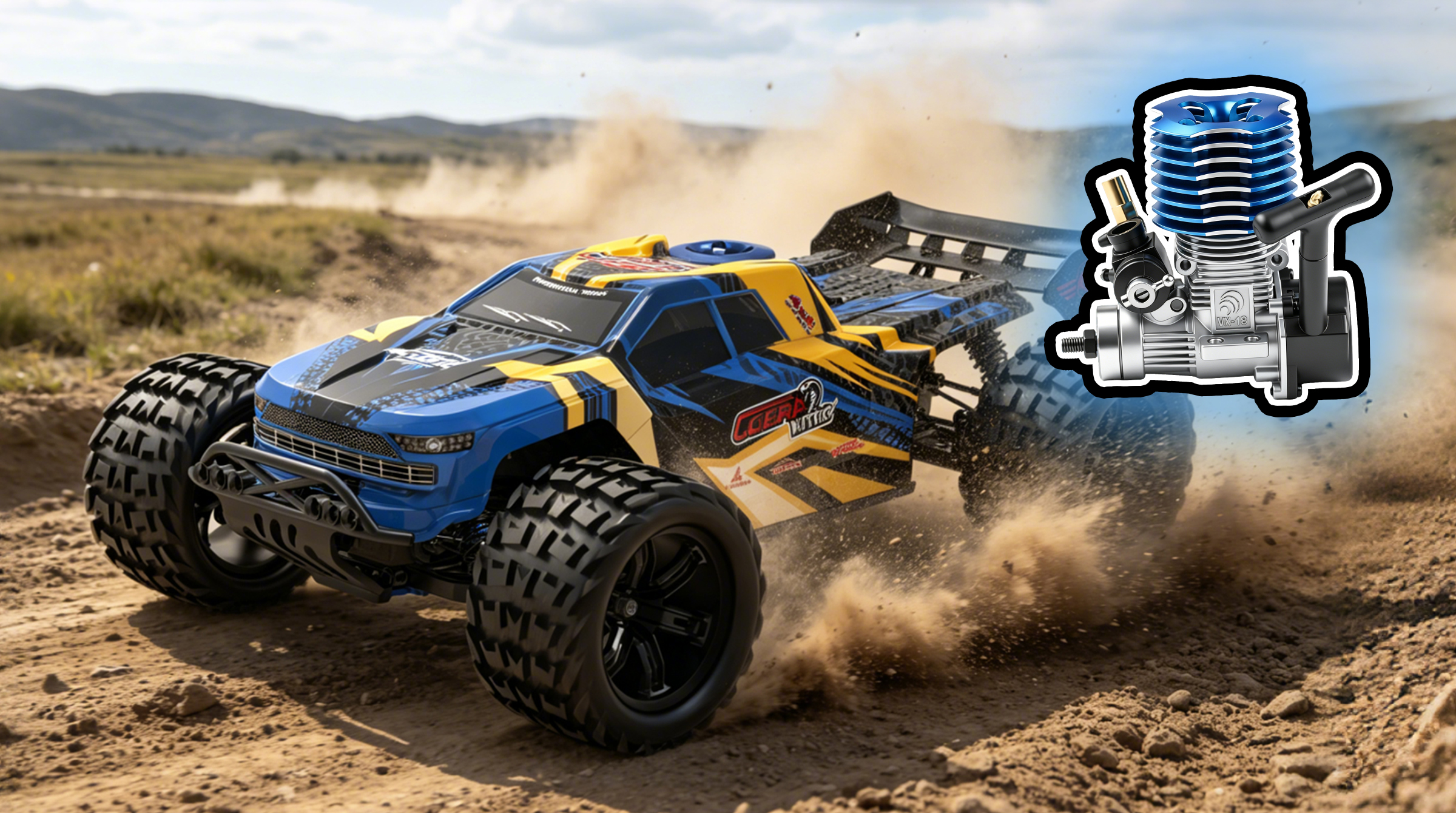
Modern 1/10 nitro RC car models show that internal-combustion technology also evolved beyond the earliest generations. A single 1/10 platform can be adapted into a buggy, truggy, short course truck, or touring car depending on its chassis and body configuration.
The same versatility can be seen in electric models. A 1/10 scale brushless RC vehicle can be designed for dirt tracks, gravel, grass, or paved surfaces, while different tires, suspension settings, and gearing can further change its driving characteristics.
Meanwhile, larger platforms remain relevant when stability, durability, and high-speed control are priorities.
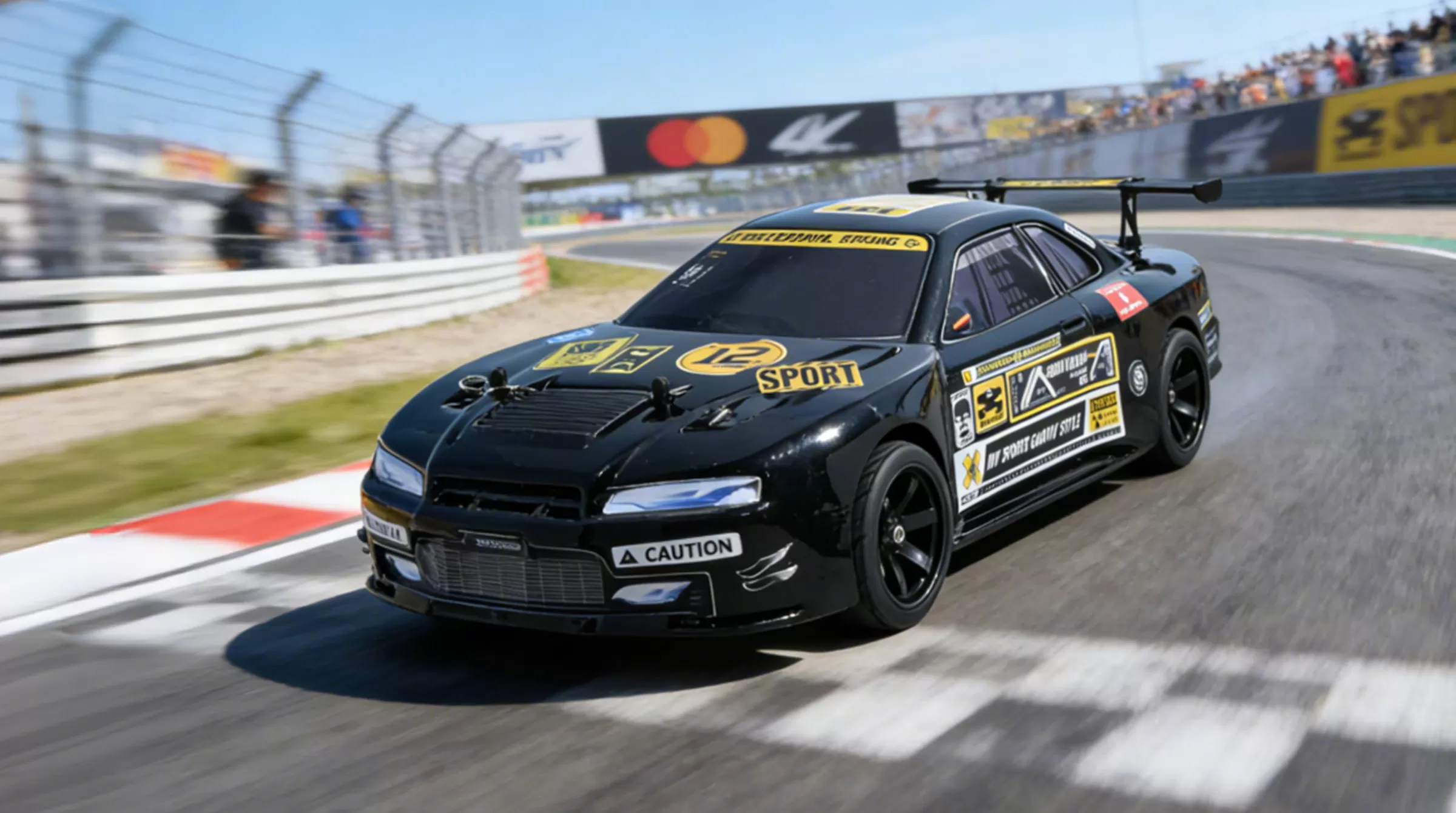
RC development was never limited to off-road vehicles. As electric and nitro technologies improved, manufacturers also created platforms inspired by touring cars and rally vehicles.
A 1/8 nitro rally car, for example, combines the larger chassis dimensions of the 1/8 platform with a body style inspired by rally vehicles. The concept demonstrates how RC manufacturers can combine characteristics from different categories rather than being restricted to a single traditional design.
Similarly, 1/8 scale electric on road RC cars can take advantage of a larger chassis while using electric power for smooth acceleration and controllable high-speed driving.
These developments show that scale is only one part of RC vehicle design. Power source, chassis layout, suspension, tires, drivetrain, and intended terrain all contribute to the final driving experience.
The biggest difference between early RC cars and modern models may not simply be speed. It is the degree of integration.
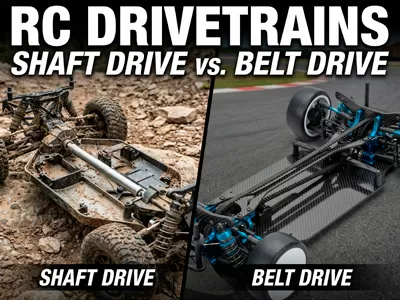
A current RC car combines radio electronics, steering servos, ESCs, motors or engines, differentials, suspension, tires, chassis materials, and body design into one coordinated system. Manufacturers can also create multiple vehicle types around related platforms.
VRX Racing is a good example of this evolution. Its product range now covers electric and nitro platforms across several scales and vehicle categories, from 1/8 scale electric RC truck and buggy models to 1/10 brushless trucks, buggies, truggies, and rally-inspired vehicles.
Modern 1/8 electric models can use brushless motors, LiPo batteries, electronic speed controllers, four-wheel-drive systems, steel gears, and oil-filled shocks. Smaller 1/10 platforms can achieve a different balance between portability and performance while still incorporating sophisticated electronics and suspension systems.
This modular approach has also made the RC hobby more accessible. Drivers can start with a complete vehicle and later replace tires, motors, ESCs, suspension components, gears, or other parts according to their needs.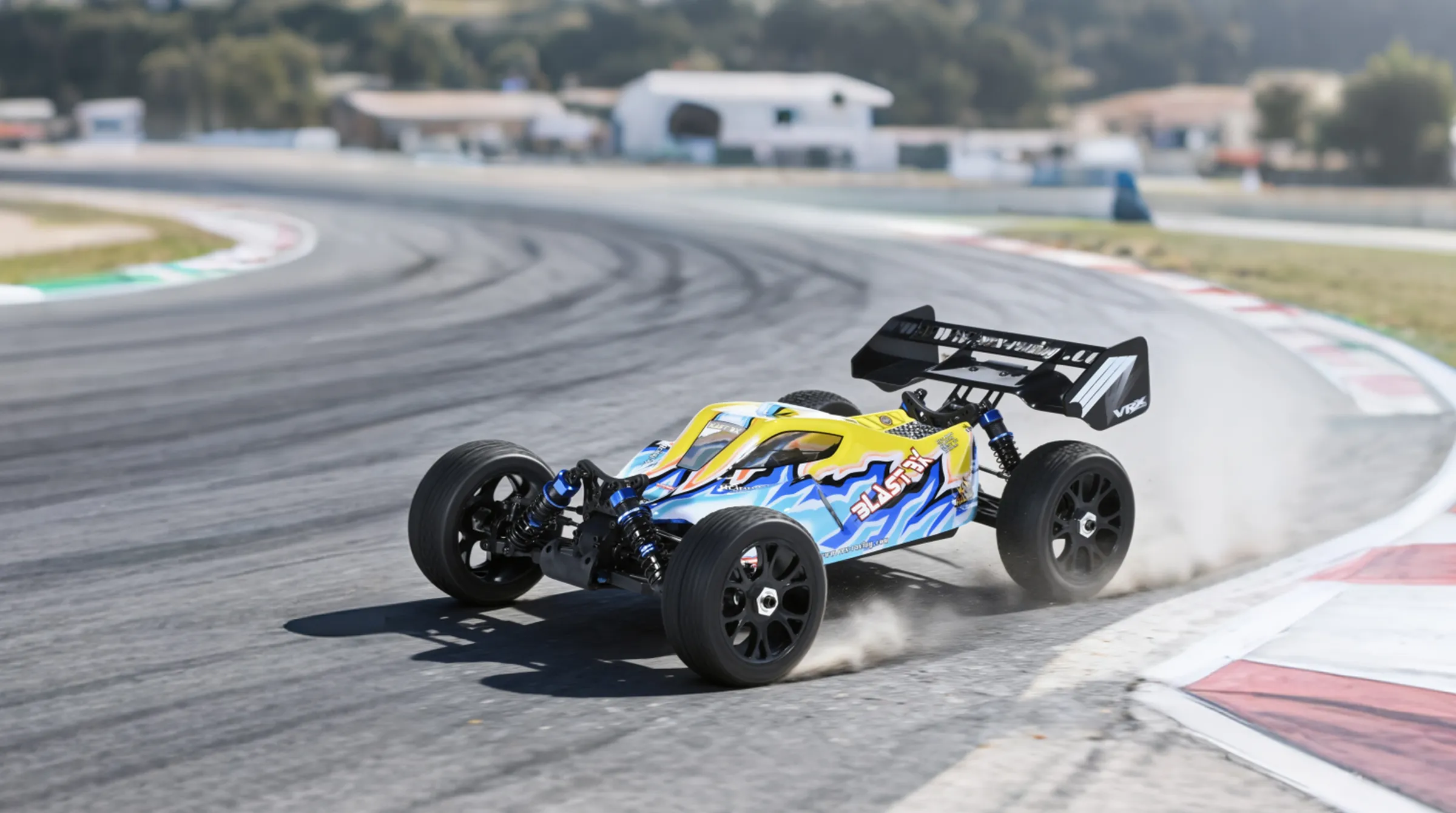
The history of RC cars shows how a relatively simple remote-controlled model evolved into a highly engineered miniature vehicle.
Early RC cars introduced the basic concept of remote driving. The rise of 1/8 nitro platforms brought greater performance and mechanical sophistication. Electric power made RC vehicles easier to operate, while brushless motors and modern battery technology pushed electric performance much further.
At the same time, 1/8 and 1/10 platforms developed into broad families rather than fixed vehicle types. A 1/8 nitro buggy can serve a very different purpose from a 1/8 electric truck, while a 1/10 brushless buggy and a 1/10 nitro touring car can share a scale but provide completely different driving experiences.
For today's manufacturers such as VRX Racing, this history provides a foundation for continued development. Modern RC cars are no longer simply smaller versions of full-size vehicles. They are purpose-built engineering platforms in which scale, power, suspension, electronics, materials, and vehicle design work together.
From early radio-controlled models to today's electric and nitro machines, the RC car continues to evolve by combining proven mechanical ideas with new technologies.