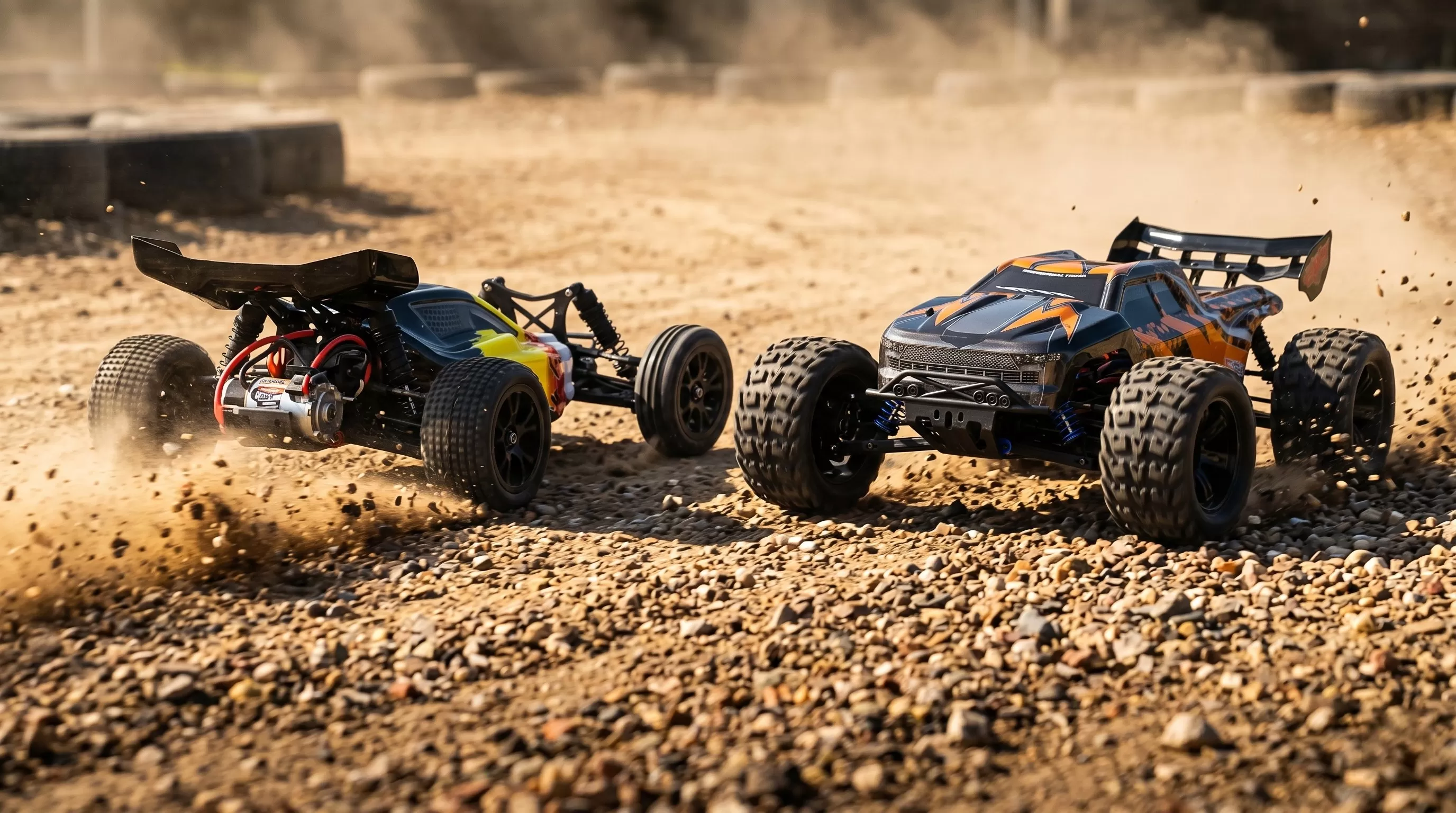
Monster trucks are instantly recognizable. Their oversized tires, elevated bodies and ability to climb over obstacles give them a completely different appearance from conventional pickup trucks. Today, the same design philosophy can be found in the electric RC monster truck, where large tires, high ground clearance and reinforced chassis structures are adapted to a much smaller platform.
But where did the monster truck idea come from? Why were these vehicles created in the first place, and how did the concept eventually influence the development of the modern RC monster truck electric market?
The history of monster trucks is closely connected to the development of customized off-road vehicles and the growing popularity of motorsports entertainment.
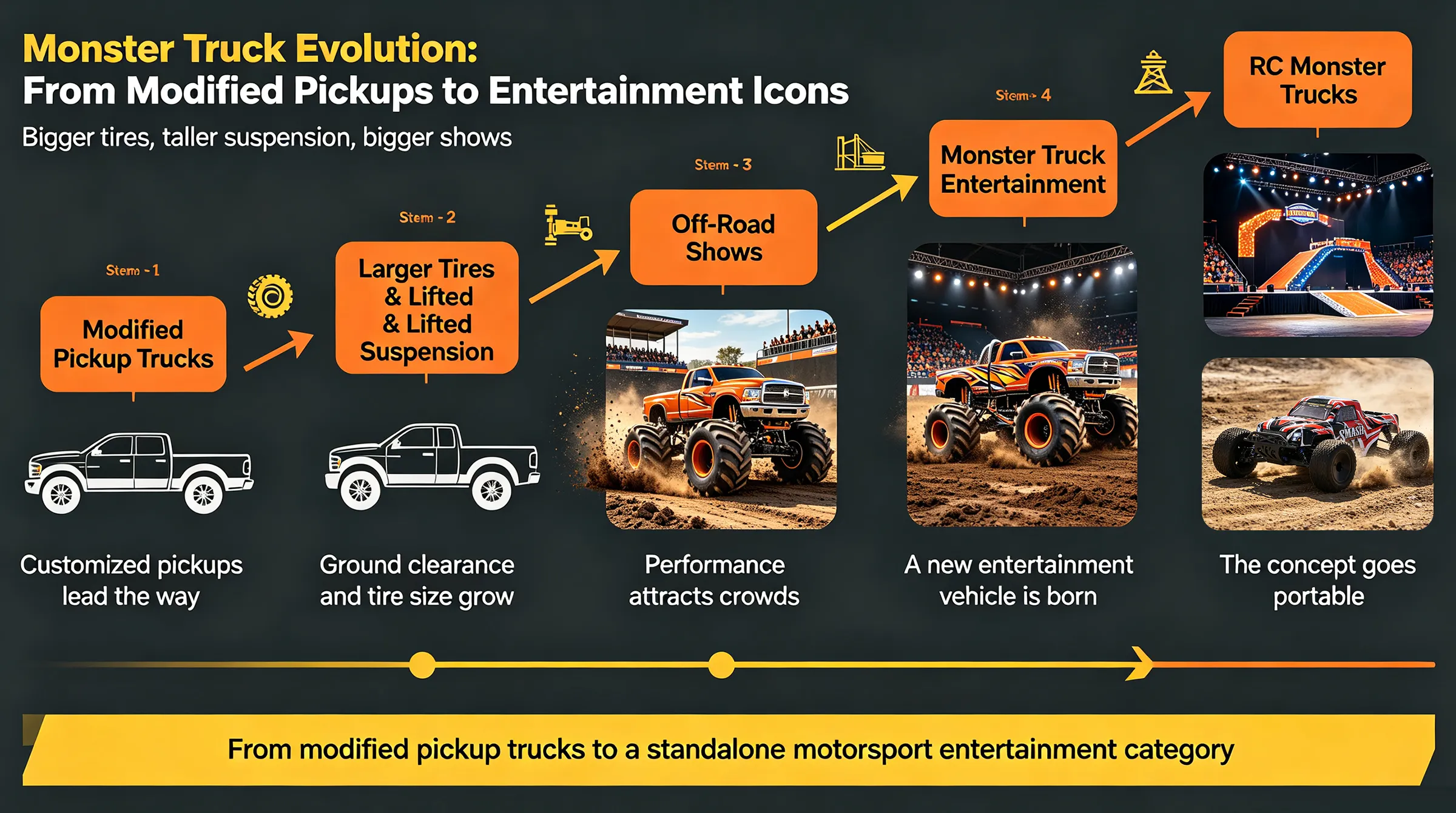
The original monster truck was not designed as a completely new type of vehicle. Instead, it evolved from heavily modified pickup trucks.
During the late 1970s and early 1980s, American truck enthusiasts began modifying pickup trucks with larger tires, raised suspension systems and stronger drivetrains. The goal was to create vehicles capable of traveling over difficult terrain while also creating a visually impressive appearance.
These modifications eventually moved beyond practical off-road use. Larger tires and increased suspension travel allowed the trucks to drive over obstacles that conventional vehicles could not easily cross.
The result was a vehicle that combined the appearance of a pickup truck with the capabilities of a specialized off-road machine.
As modified trucks became more extreme, they attracted attention beyond traditional off-road communities.
Monster trucks began appearing at automotive events and exhibitions, where their ability to climb, jump and crush obstacles became part of the entertainment. This changed the purpose of the vehicle.
A traditional off-road truck might be designed primarily to transport people or equipment through difficult terrain. A monster truck, by contrast, increasingly became a vehicle designed to perform.
Large tires provided more ground clearance. Strong suspension systems helped absorb impacts. Powerful drivetrains provided the acceleration needed for jumps and obstacle crossings.
These characteristics became the foundation of the monster truck identity.
RC manufacturers naturally looked to full-size vehicles for inspiration.
The basic characteristics of a full-size monster truck translate well into a radio-controlled platform:
· Large tires improve traction and help roll over obstacles.
· High ground clearance reduces the chance of the chassis hitting the ground.
· Long suspension travel helps absorb jumps and rough surfaces.
· Reinforced chassis structures improve resistance to impacts.
· Four-wheel drive can provide traction across loose terrain.
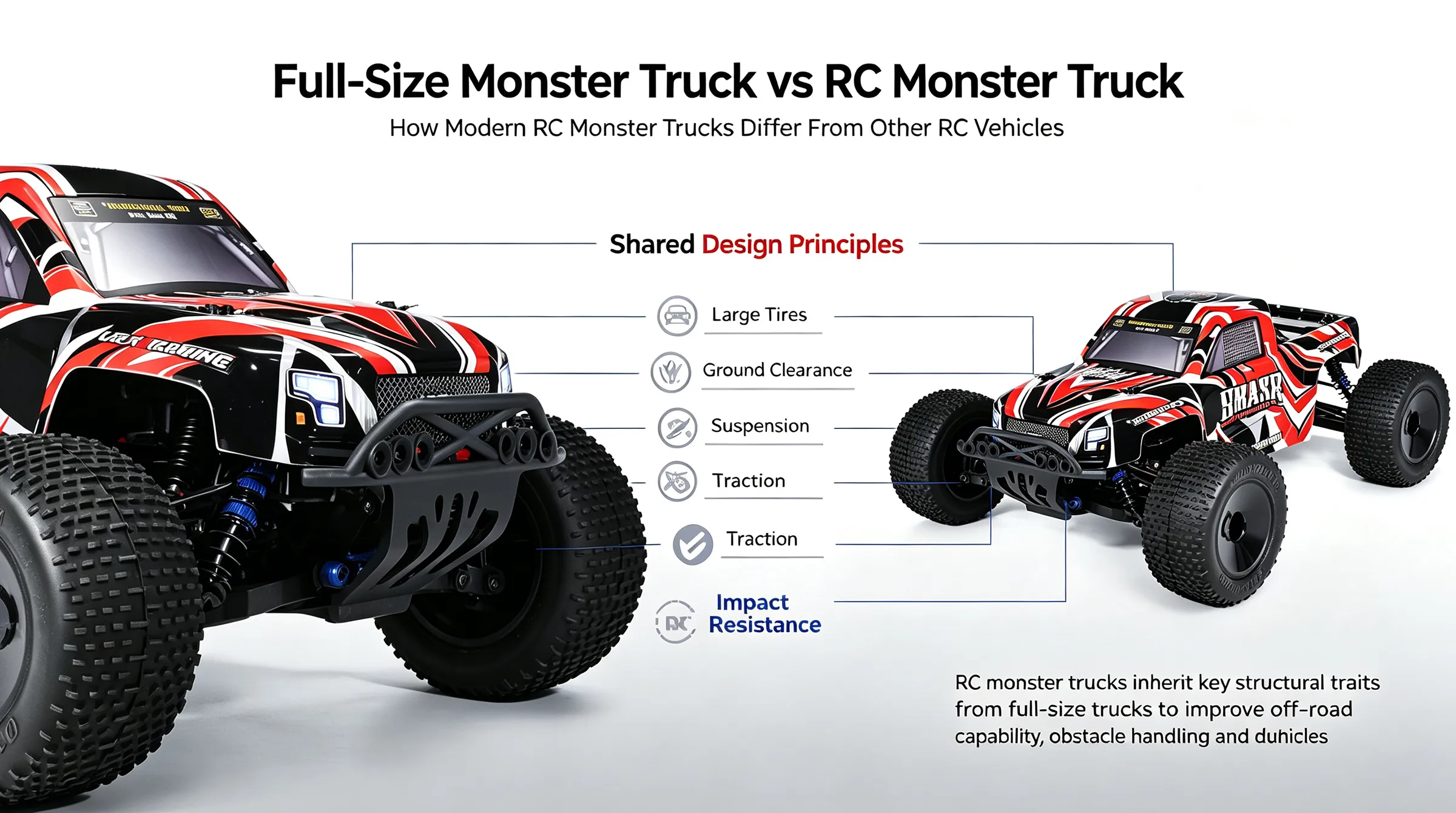
This explains why the modern monster truck electric car is not simply a pickup truck made smaller. Its chassis is designed around the same fundamental priorities as the full-size category: clearance, traction, suspension travel and impact resistance.
As electric RC technology developed, monster trucks became particularly well suited to electric power.
Electric motors can provide immediate torque, which is useful when a vehicle needs to accelerate across grass, dirt, gravel or an obstacle. Battery-powered electronics also eliminate the need for a fuel system, making an electric monster truck convenient for recreational driving.
Modern electric models can use either brushed or brushless power systems. Brushed configurations can provide an accessible entry point, while brushless systems are commonly used when higher performance is required.
VRX Racing's electric monster truck range reflects this development, offering both brushed and brushless configurations. Its platforms combine 4WD drivetrains, independent suspension, oversized high-grip tires and reinforced chassis structures for off-road use.
The large tires of a monster truck are more than a visual characteristic.
For a full-size vehicle, larger tires can increase ground clearance and help the truck pass over obstacles. The same principle applies to an electric RC monster truck.
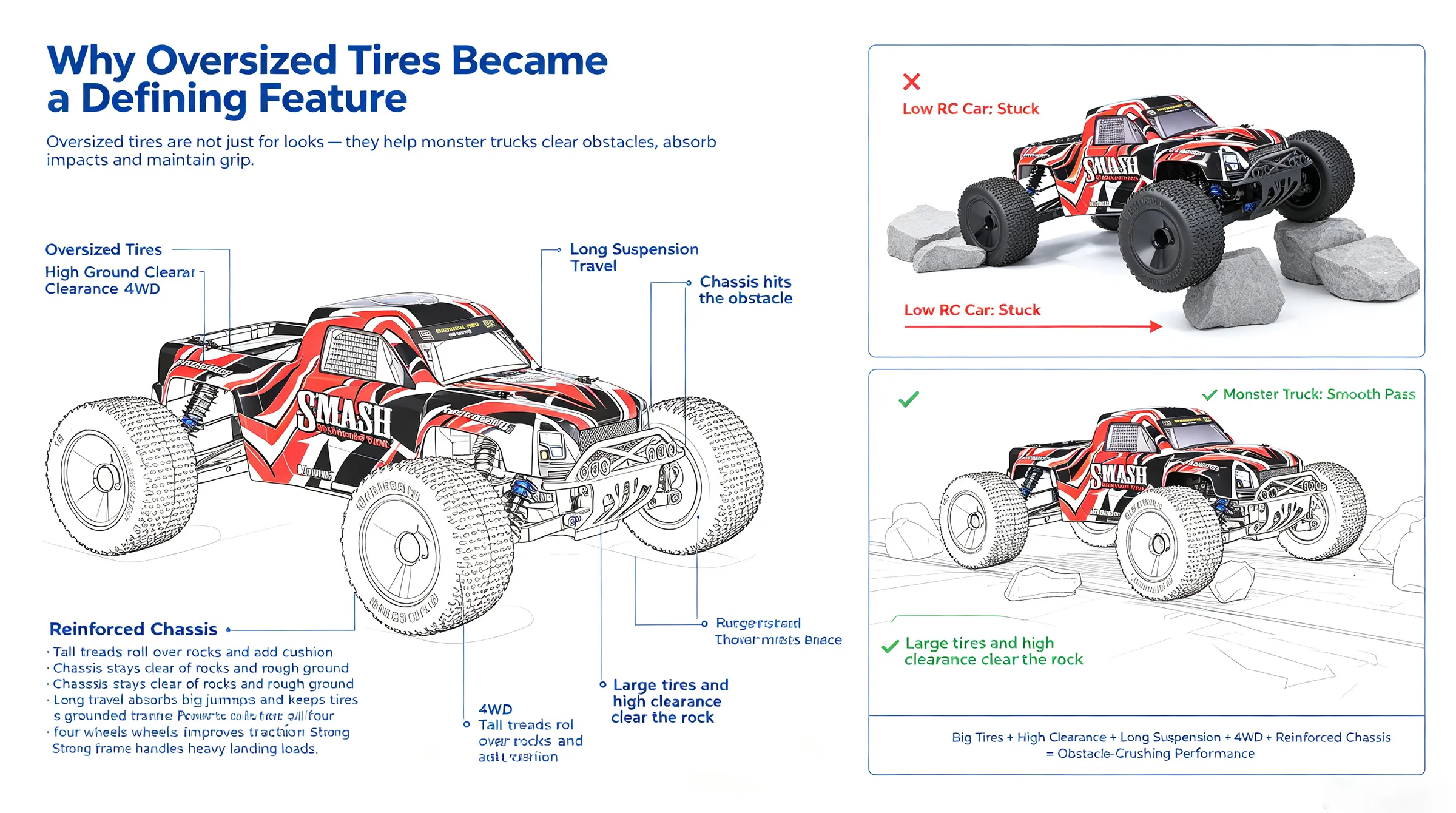
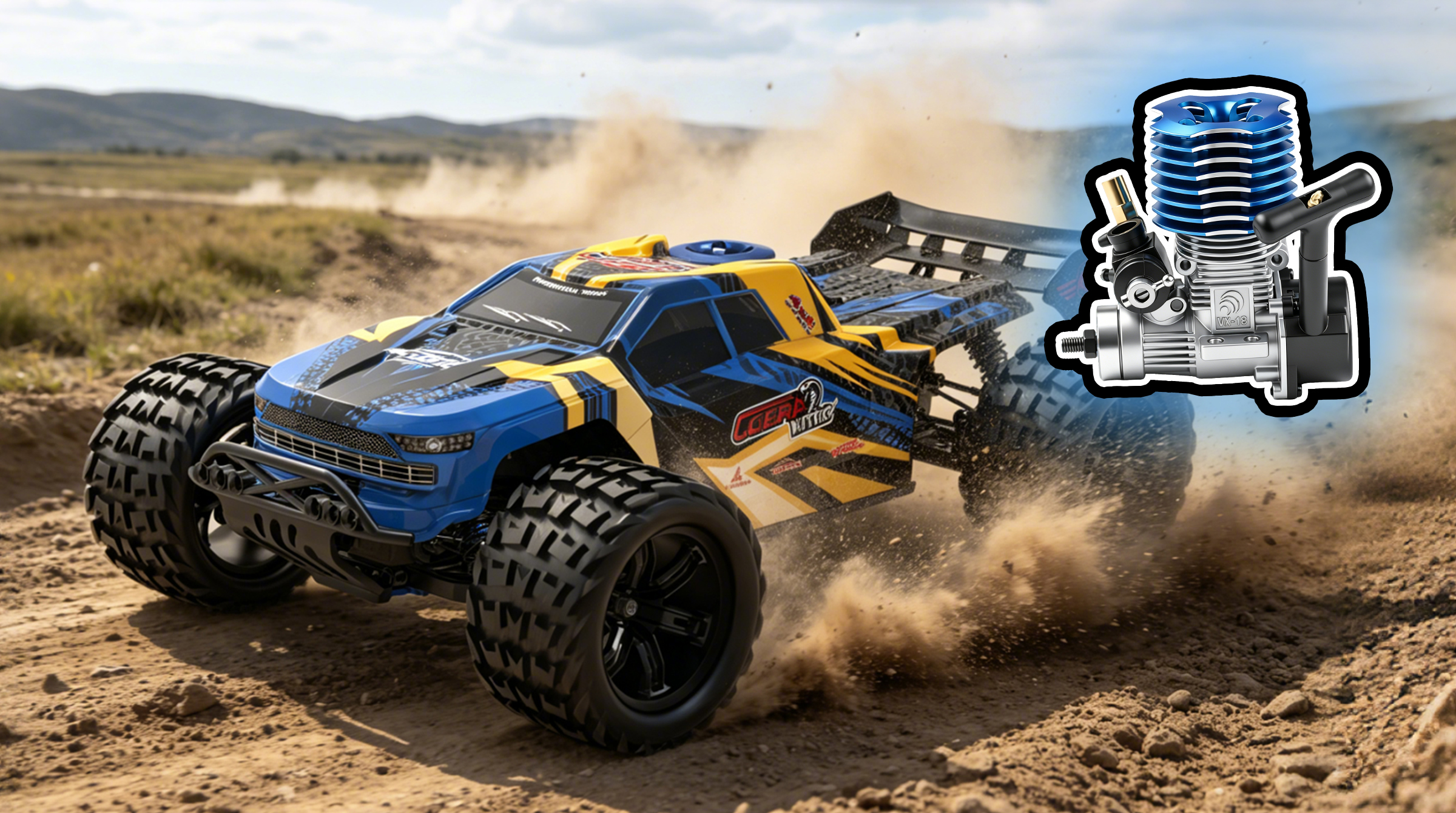
Oversized tires allow a smaller RC vehicle to deal with grass, dirt, gravel and uneven ground more effectively than a low-clearance road car.
Tire design also influences traction. Aggressive tread patterns can help the vehicle maintain grip on loose surfaces, while the larger tire diameter helps keep the chassis away from obstacles.
This is one reason the visual design of a modern monster truck electric model remains closely connected to its full-size inspiration.
Another major development in monster truck design was suspension.
A vehicle intended to jump or travel over uneven terrain cannot rely only on engine or motor power. It needs suspension capable of controlling the vehicle when landing.
The same principle is important for RC models. Modern electric monster trucks commonly use independent suspension and oil-filled shocks to manage impacts and maintain tire contact with the ground.
VRX Racing's electric monster trucks are designed with fully independent suspension and reinforced structures for aggressive off-road driving.
This combination allows the vehicle to do more than simply drive over rough ground. It can also handle jumps, landings and repeated impacts.
As RC technology became more accessible, manufacturers began offering more complete vehicles rather than requiring users to assemble every component themselves.
This helped establish the popularity of the RTR monster truck, or Ready-to-Run monster truck.
An RTR model typically arrives with the major electronics and radio equipment already installed, reducing the amount of assembly required before driving. This makes the category more approachable for new hobbyists while still providing a platform that experienced users can modify or upgrade.
VRX Racing offers RTR electric RC models across different scales and vehicle categories, including monster trucks. Its broader electric range covers 1/8, 1/10, 1/16, 1/18 and 1/24 platforms.
The evolution of monster trucks also explains why they occupy a distinct position in the RC market.
An RC buggy generally prioritizes lightweight construction, agility and precise handling. A crawler focuses on low-speed control and technical obstacle climbing. A short-course truck is designed around high-speed stability and racing characteristics.
A monster truck has a different priority: aggressive off-road driving and impact resistance.
VRX Racing describes its electric monster trucks as platforms designed for rough environments, using oversized tires, elevated ground clearance, reinforced chassis structures and 4WD drivetrains.
That makes a VRX RC truck suitable for drivers who want to jump, bash and explore terrain rather than focus exclusively on lap times.
Modern technology has allowed RC manufacturers to reproduce the visual character of classic monster trucks while improving control and reliability.
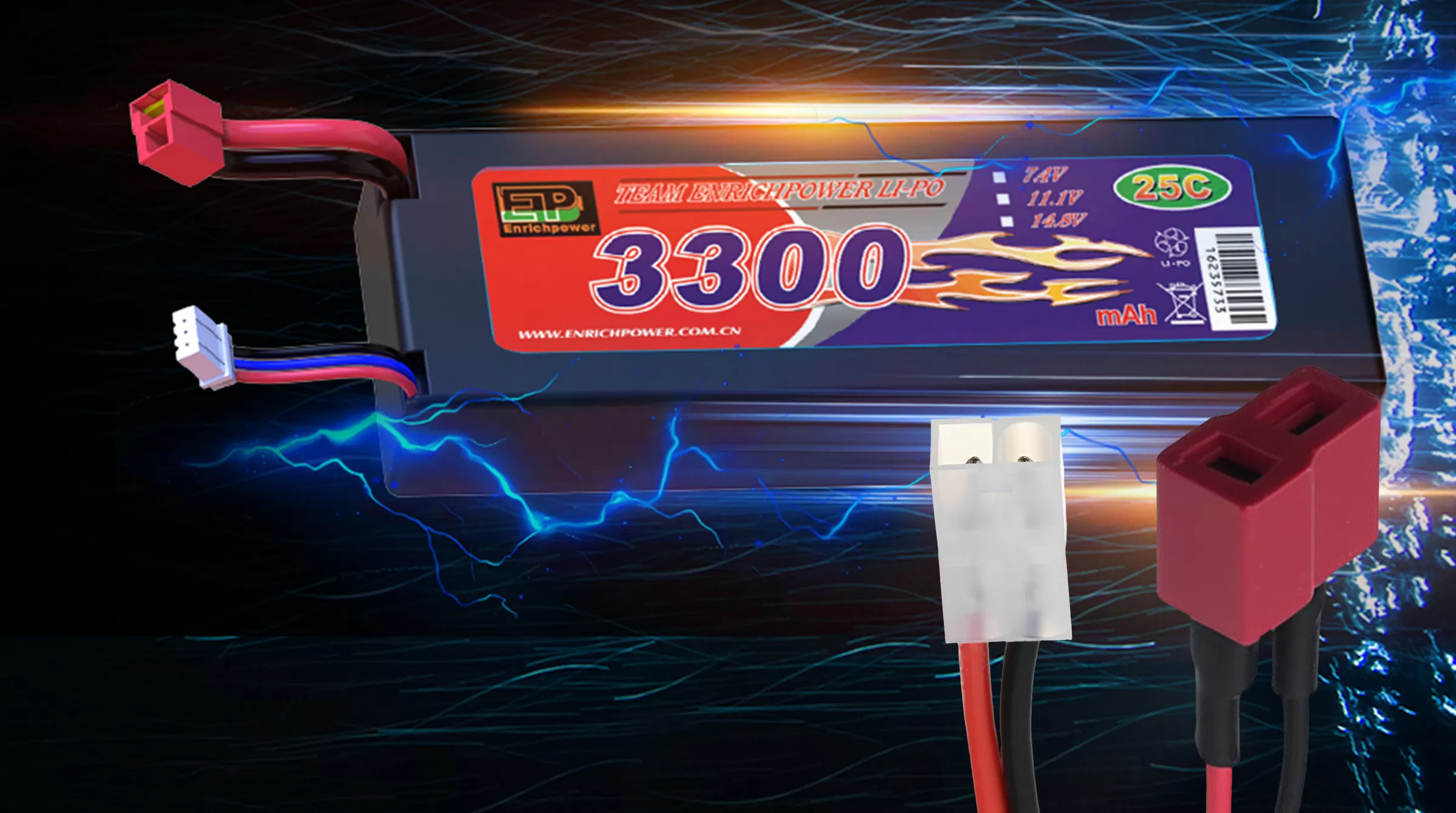
Brushless motors can deliver higher performance than traditional brushed systems, while modern ESCs provide more precise electronic control. LiPo batteries provide a compact source of electrical energy, and 2.4GHz radio systems make operation more convenient.
The result is a much more refined RC monster truck electric platform than early RC off-road vehicles.
The development is not only about making the vehicles faster. It is also about making them more durable, controllable and accessible.
The monster truck concept has lasted because its basic design philosophy remains relevant: more clearance, more traction, more suspension and greater impact resistance.
Those principles work equally well for full-size off-road vehicles and small electric RC platforms.
Manufacturers such as VRX Racing continue to develop this category for hobbyists, distributors and commercial applications. With nearly two decades of manufacturing experience, VRX Racing produces electric RC vehicles across multiple scales and supports OEM and ODM customization.
Its performance-oriented VRX Pro positioning also reflects how the RC industry continues to divide products according to different levels of performance and user expectations.
The history of the monster truck is ultimately a story of adaptation. What began with modified pickup trucks evolved into a form of motorsport entertainment and eventually inspired a dedicated RC vehicle category.
Today's electric RC monster truck retains the most important ideas from its full-size predecessors: oversized tires, high ground clearance, strong suspension and the ability to tackle terrain that ordinary vehicles cannot.
The difference is that modern electric technology has made these characteristics accessible in a compact, ready-to-run format.
Whether used for backyard bashing, recreational off-road driving or commercial RC activities, the monster truck electric concept continues to offer something that many other RC categories cannot: the freedom to treat obstacles as part of the driving experience.