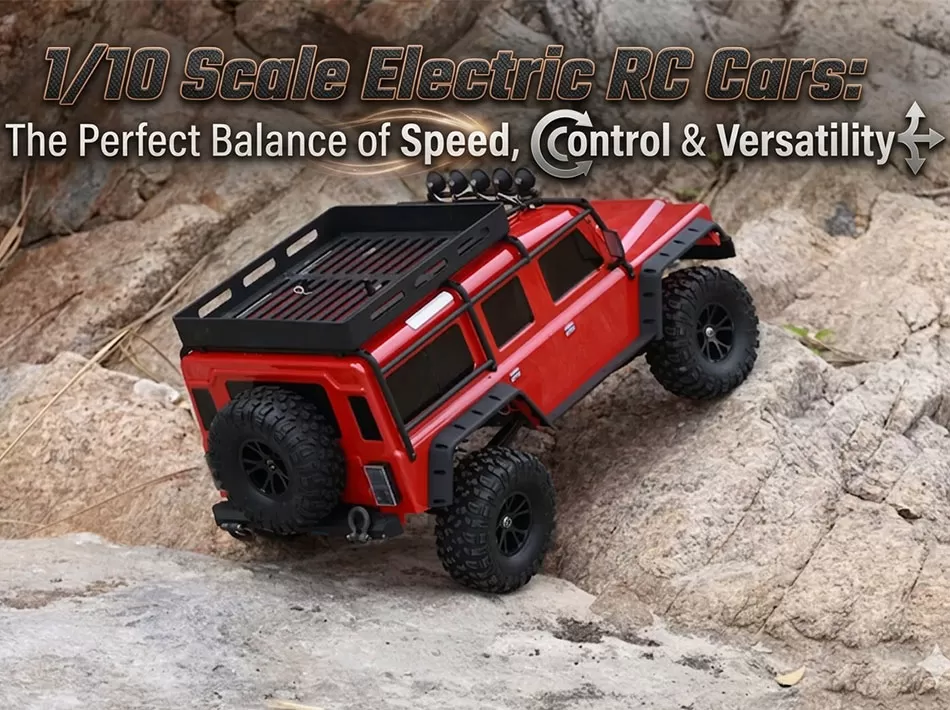
An electric RC crawler looks different from most other radio control vehicles. It usually has large tires, high ground clearance, a flexible suspension system and a drivetrain designed for controlled movement rather than maximum speed. Unlike a racing buggy or a short-course truck, a crawler is built to negotiate obstacles one at a time.
But why was this type of RC vehicle created? What is it based on, and how did the modern electric RC crawlers category develop?
The answer can be found in the history of real off-road vehicles and the evolution of rock crawling as a driving activity.
The basic idea behind a crawler comes from vehicles designed to travel through terrain that ordinary cars cannot handle.
Off-road vehicles have traditionally been developed with features such as high ground clearance, four-wheel drive, large tires and suspension systems capable of keeping the wheels in contact with uneven ground.
Rock crawling takes these requirements even further. Instead of simply traveling quickly across dirt roads, drivers deliberately navigate rocks, steep slopes, holes and other obstacles at controlled speeds.
This created a very different concept of off-road driving.
Speed became less important than traction, wheel placement, suspension articulation and precise control. These same principles eventually became central to the RC crawler.
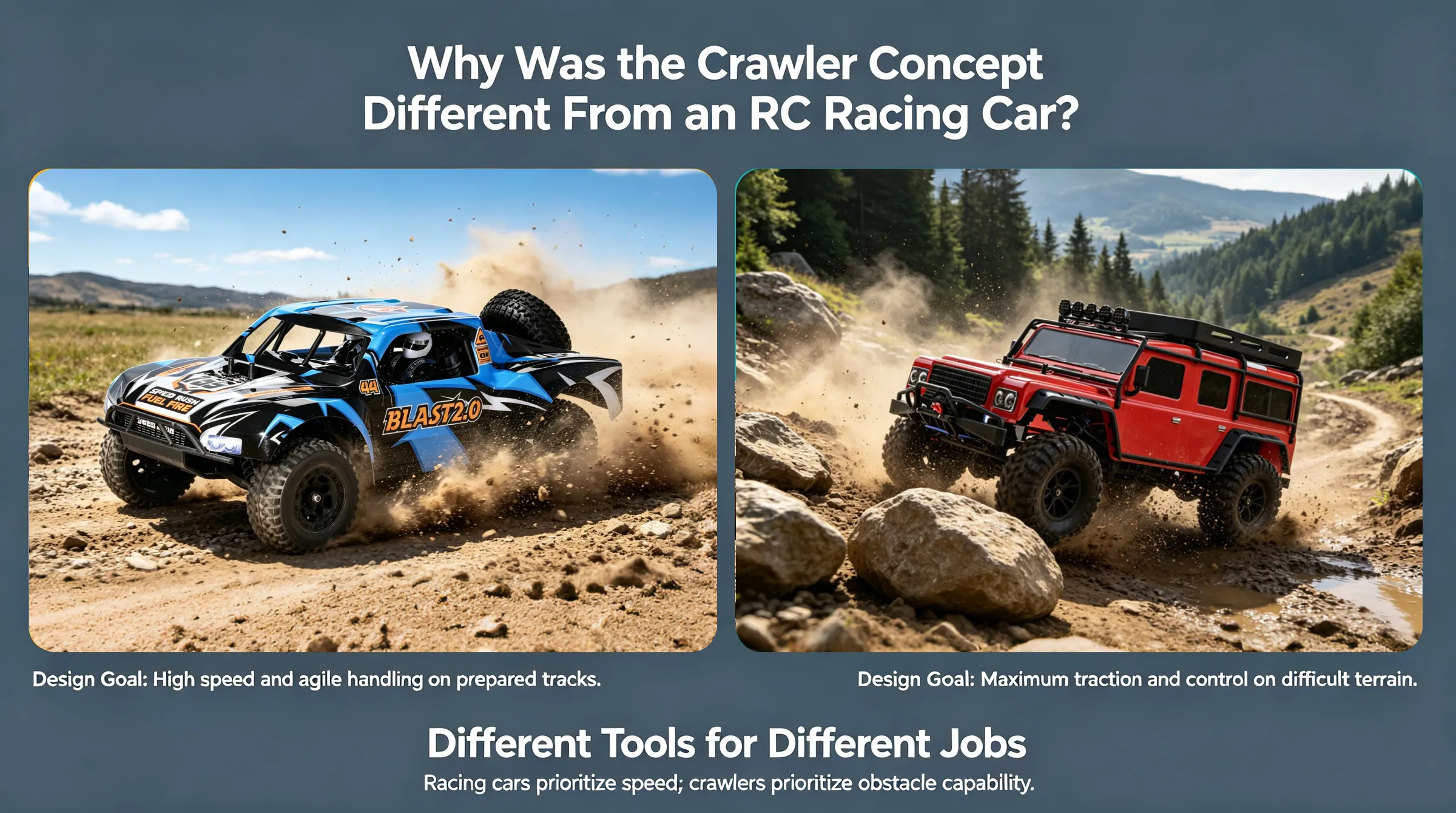
Traditional RC racing focuses heavily on speed and lap times. A buggy needs to accelerate quickly, corner efficiently and remain stable during jumps. A VRX short course truck, for example, belongs to a category where speed and high-speed handling are important parts of the driving experience.
A crawler has a different objective.
Instead of asking, “How quickly can the vehicle finish the track?”, crawler drivers are more likely to ask, “Can the vehicle climb over this obstacle without losing traction?”
That change in purpose influences almost every component.
The chassis, tires, suspension, drivetrain and motor control are all developed around low-speed obstacle negotiation.
One of the most recognizable characteristics of a crawler is its tires.
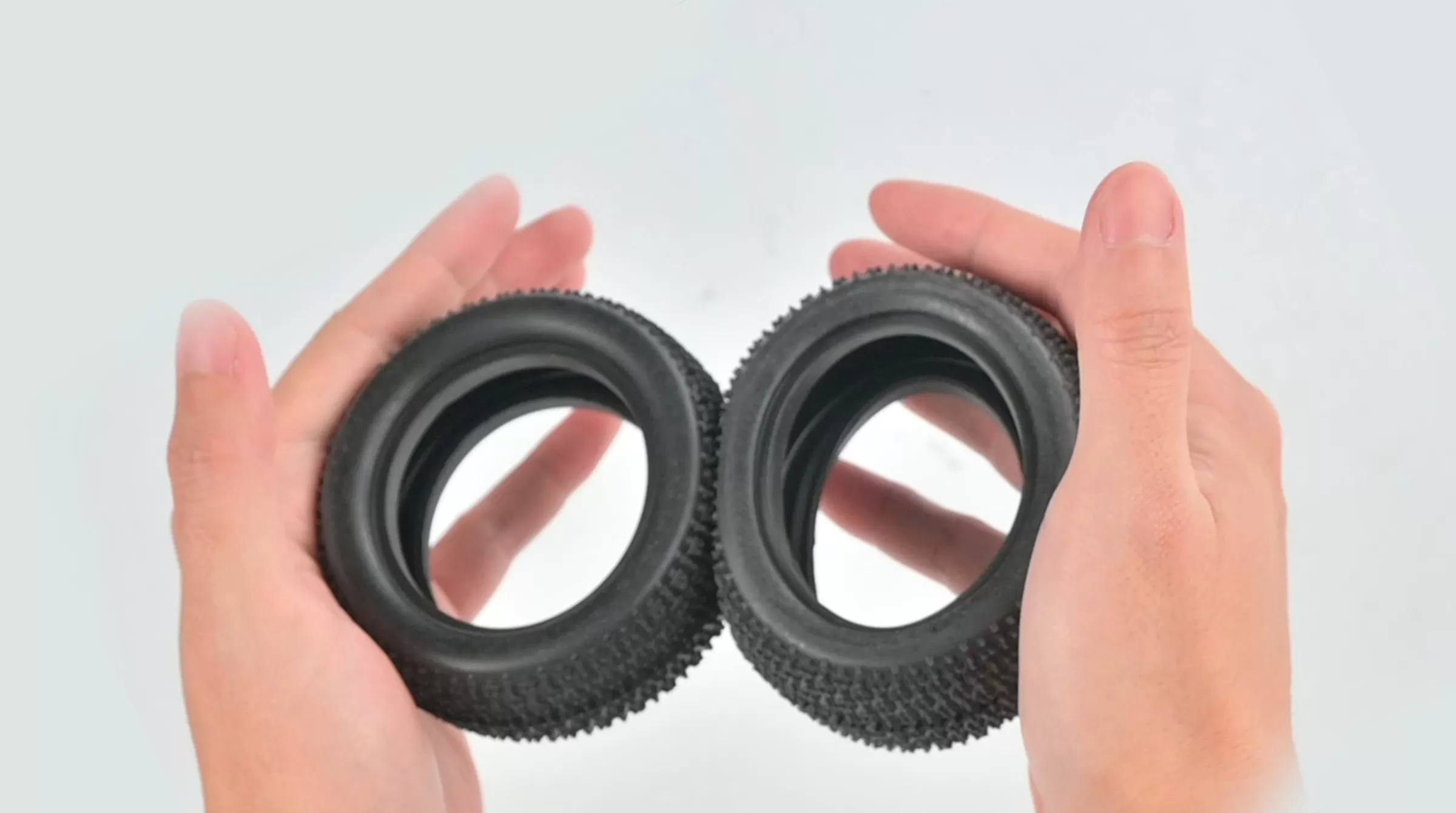
Large tires increase ground clearance and give the vehicle a larger contact area with the terrain. Soft or high-grip tread designs can also help the vehicle maintain traction on rocks, dirt and uneven surfaces.
For a small RC vehicle, tire design is particularly important because the obstacles can be large relative to the vehicle itself.
A rock that looks relatively small beside a full-size off-road vehicle can become a significant obstacle for an RC model.
This is why the electric rock crawler has evolved with tires and suspension specifically intended to deal with uneven surfaces rather than simply maximizing top speed.
Another major characteristic inherited from real off-road vehicles is suspension articulation.
When a vehicle travels over rocks, the ground beneath each wheel can be at a different height. A rigid or poorly designed suspension system can cause one or more tires to lose contact with the surface.
A crawler needs to maintain traction as the chassis moves across uneven terrain.
Modern RC crawlers therefore use suspension systems that allow the wheels to move independently relative to the chassis. Combined with suitable shocks and flexible drivetrain components, this helps the vehicle follow the shape of the terrain.
VRX Racing's crawler range uses four-wheel drive and independent suspension systems designed for off-road driving. Its crawler models also feature large tires and high ground clearance, reflecting the fundamental requirements of the category.
Traction is one of the biggest challenges when climbing obstacles.
With two-wheel drive, one axle is responsible for providing most of the driving force. If those wheels lose traction, forward movement can quickly stop.
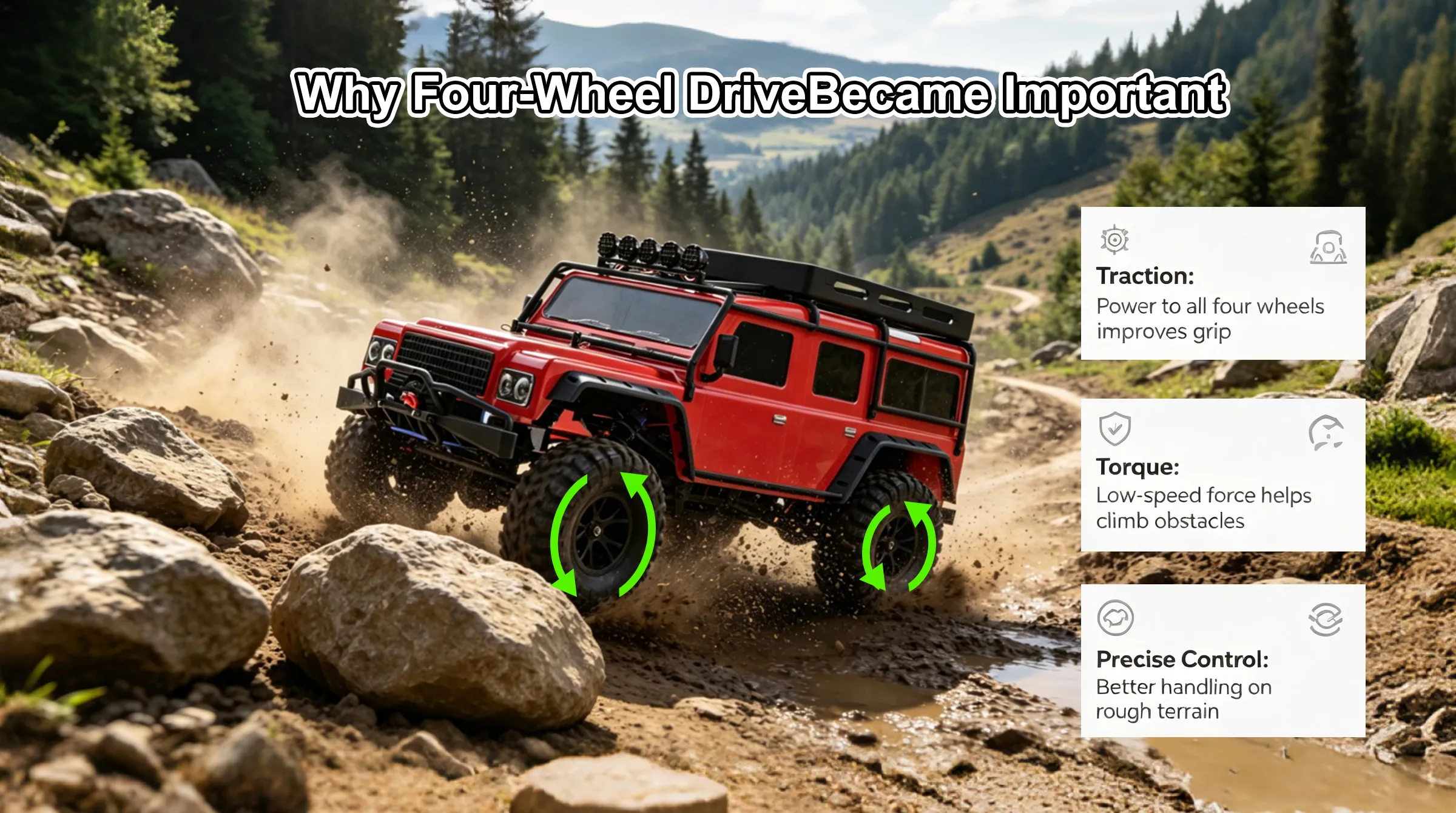
Four-wheel drive distributes driving force across all four wheels, increasing the opportunity to maintain traction on uneven terrain.
This is why 4WD became a natural choice for both real rock-crawling vehicles and the modern VRX RC crawler.
The drivetrain is not simply designed to produce maximum speed. It needs to deliver usable torque when the vehicle is moving slowly over difficult surfaces.
The development of electric power has also influenced the RC crawler category.
An electric motor can provide immediate torque and precise electronic control. This is useful when a driver needs to move the vehicle slowly over an obstacle rather than accelerate rapidly.
For this reason, the electric RC crawler has become a popular format for recreational and hobby driving.
Electric power also removes the need for fuel, glow plugs and many of the mechanical starting procedures associated with nitro vehicles.
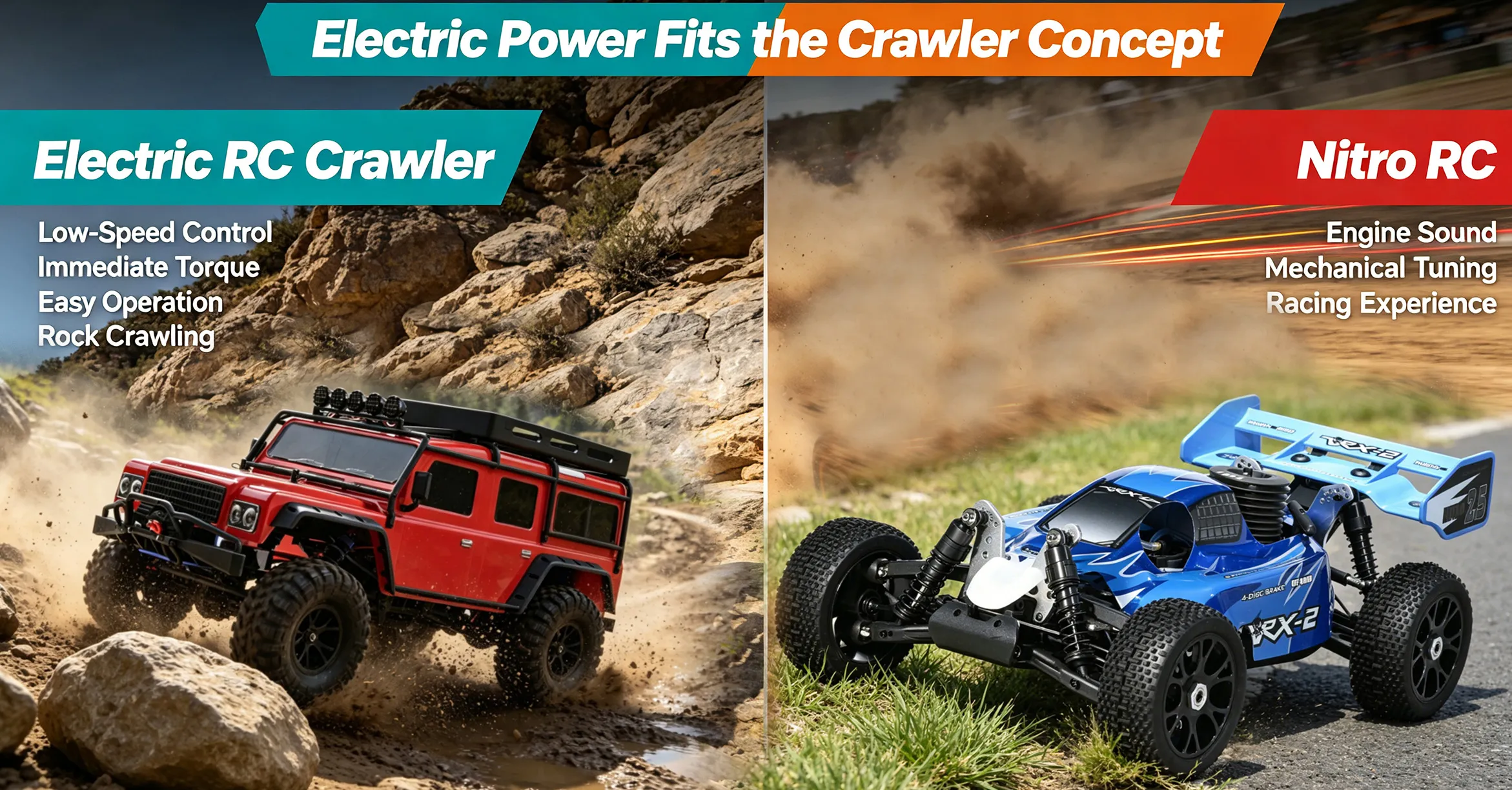
This creates a clear difference between a crawler and products such as 1/8 nitro RC, 1/10 scale nitro RC buggy or other engine-powered platforms.
Nitro vehicles can provide an engaging engine-driven experience, while an electric crawler is more focused on controlled, low-speed terrain navigation.
A crawler does not need to be the fastest RC vehicle in a product lineup.
In fact, excessive speed can make technical obstacle driving more difficult. When approaching a steep rock or narrow passage, the driver needs to make small adjustments to throttle and steering.
This makes precise control particularly important.
The development of modern electronic speed controllers, radio systems and electric motors has made this type of driving increasingly accessible.
An RC car brushless RTR platform can provide high performance, but crawler applications demonstrate that performance is not always measured by top speed. For technical driving, controllable torque and predictable response can be more valuable.
As RC technology improved, manufacturers began producing vehicles specifically for different types of driving.
Rather than treating an off-road RC car as a general-purpose vehicle, manufacturers could optimize the chassis around a particular activity.
This resulted in distinct categories such as:
· Racing buggies
· Short-course trucks
· Monster trucks
· Drift cars
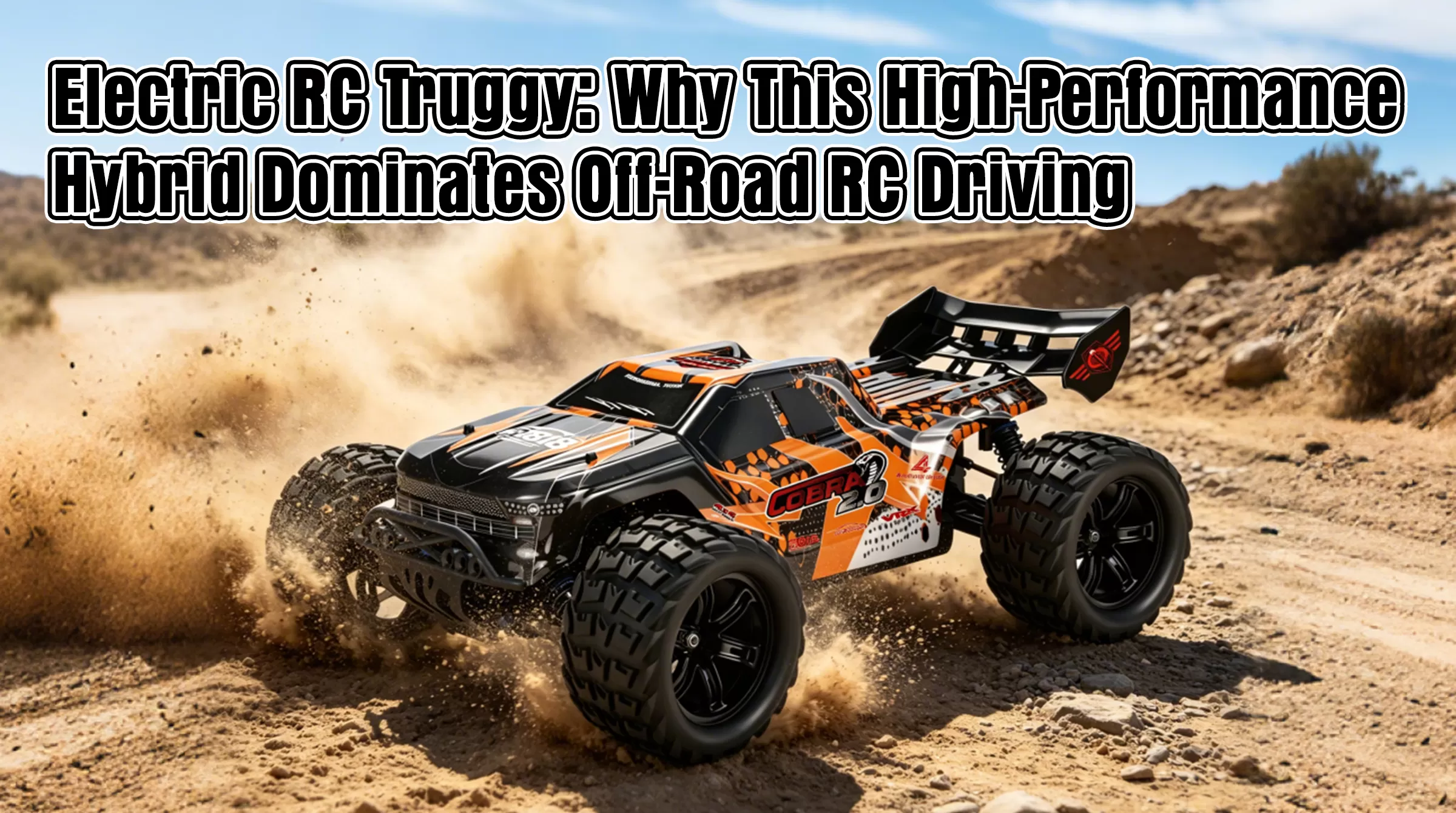
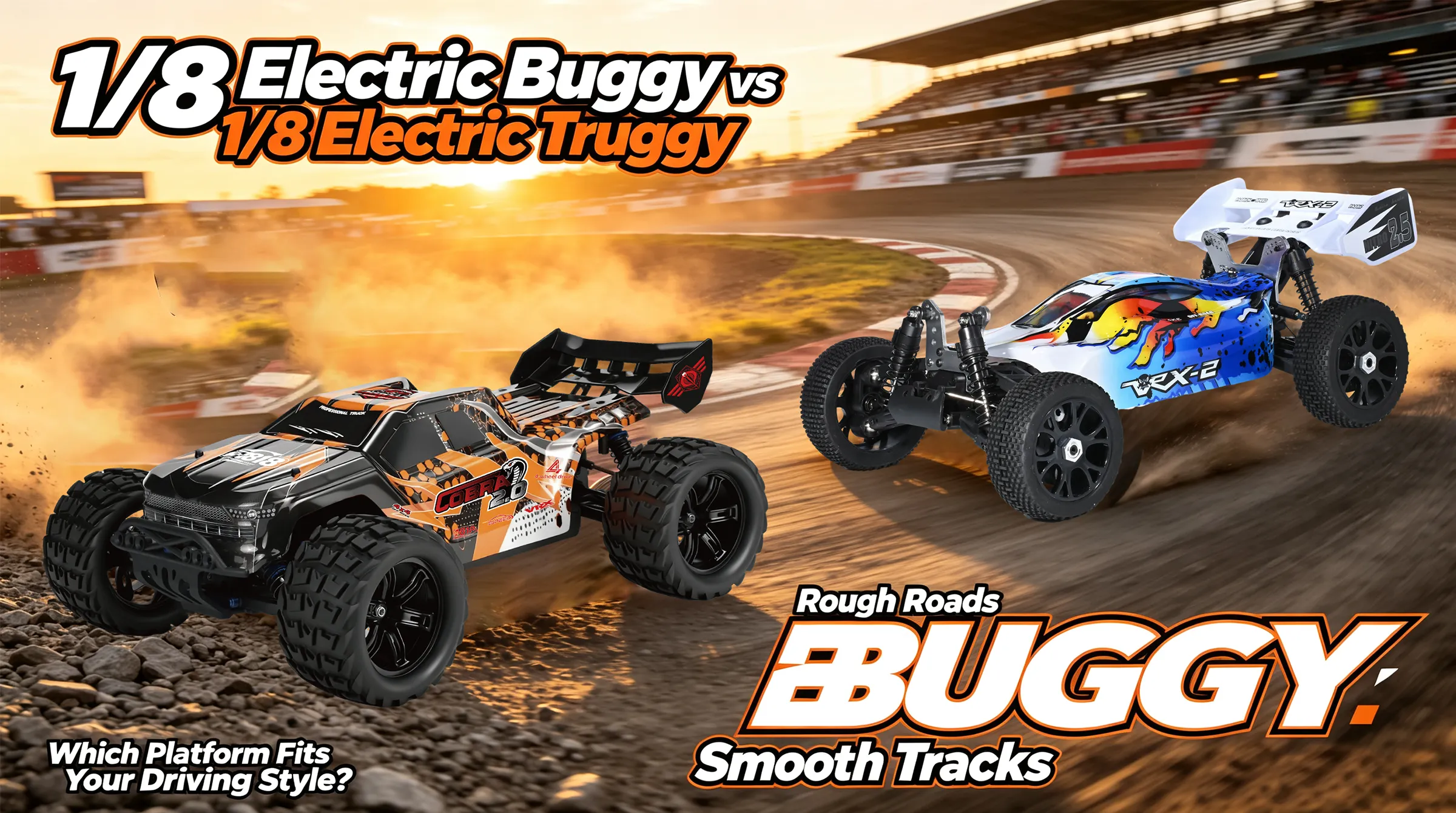
· Truggies
· Rock crawlers
Each category uses a different combination of chassis geometry, tires, suspension and power system.
VRX Racing follows this broader product-development approach, offering different RC platforms for different driving styles, including crawlers, trucks, buggies, truggies and drift models.
A VRX crawler is designed around obstacle driving rather than conventional circuit racing.
The vehicle's large tires, 4WD drivetrain, high ground clearance and suspension design help it move across surfaces that would be challenging for a low racing car.
This is fundamentally different from a VRX RC truck designed for faster off-road driving.
The distinction is important because both vehicles may be marketed as off-road RC cars, but their driving objectives are different.
A racing-oriented truck needs stability and acceleration. A crawler needs traction, articulation and precise low-speed control.
Crawler platforms are available in different sizes, and scale affects how the vehicle interacts with its environment.
A larger crawler can provide more space for batteries, electronics, suspension components and larger tires. A smaller model can be easier to transport and operate in tighter spaces.
The same general principle applies across the RC industry. A 1/8 electric RC vehicle has different physical requirements from a compact platform, while smaller models can be more convenient for casual use.
For crawler buyers, however, scale should be considered together with wheel size, ground clearance, suspension design and the type of obstacles the vehicle will encounter.
The development of the crawler is ultimately an example of how RC vehicles evolved by adapting real-world driving concepts to a smaller scale.
Real off-road vehicles demonstrated the importance of four-wheel drive, ground clearance, tire traction and suspension articulation. Rock crawling then placed even greater emphasis on precise control and obstacle negotiation.
RC manufacturers translated these principles into compact electric platforms.
Today, the electric RC crawler is not simply an off-road car with large tires. It is a specialized vehicle designed around a different definition of performance.
VRX Racing's electric crawler lineup reflects this philosophy, combining 4WD systems, large off-road tires, high ground clearance and suspension designed for challenging terrain.
For hobbyists, the appeal is straightforward: instead of simply driving as fast as possible, a crawler turns the terrain itself into the challenge.
That is what makes electric RC crawlers a distinct and enduring category within the RC world.