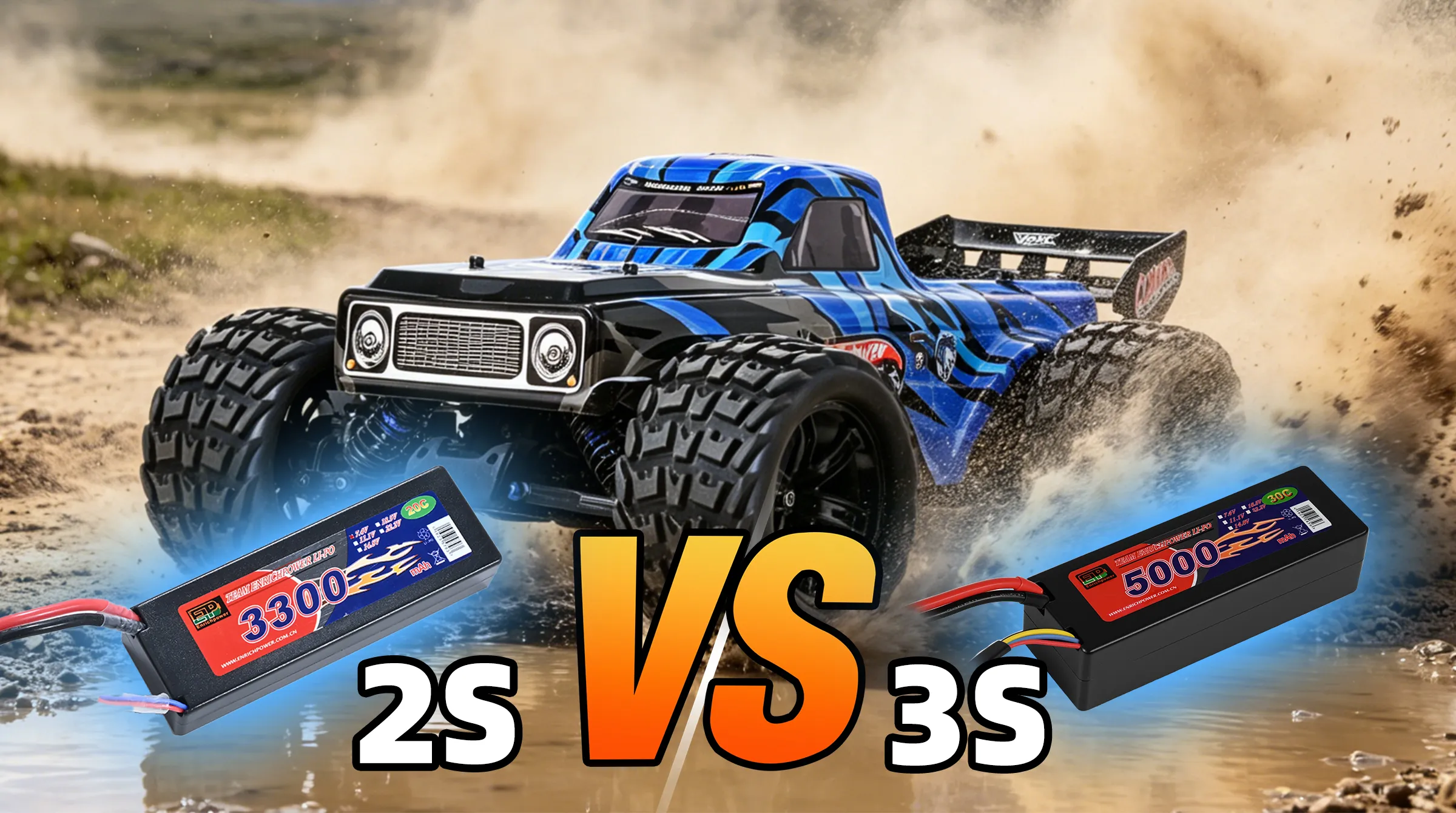
Overheating is one of the most common performance issues faced by electric RC enthusiasts. When an RC vehicle suddenly loses power, slows down, or shuts off during driving, many users immediately suspect a battery problem. However, excessive heat from the motor or electronic speed controller (ESC) is often the real cause.
Both RC motor overheating and RC ESC overheating can reduce performance, damage electronic components, and shorten the lifespan of an RC vehicle if the problem is ignored. The good news is that most overheating issues can be diagnosed by checking several key areas, including gearing, cooling airflow, drivetrain resistance, and electrical compatibility.
Modern electric RC platforms from brands like VRX Racing use advanced motors, ESC systems, and replacement components designed for reliable performance. Understanding how these parts work together helps drivers maintain their vehicles and avoid unnecessary failures.
An RC motor converts electrical energy from the battery into mechanical power, while the ESC controls how electricity is delivered to the motor.
During normal operation, both components generate heat. However, temperatures become a problem when the system is working beyond its intended limits.
Common causes of overheating include:
Incorrect gear ratio
Excessive vehicle load
Poor airflow and cooling
High electrical demand
Drivetrain resistance
Battery and ESC mismatch
A powerful brushless motor for RC car applications can deliver impressive speed and acceleration, but it still requires proper setup. More power does not automatically mean better performance if the rest of the drivetrain cannot handle the additional load.
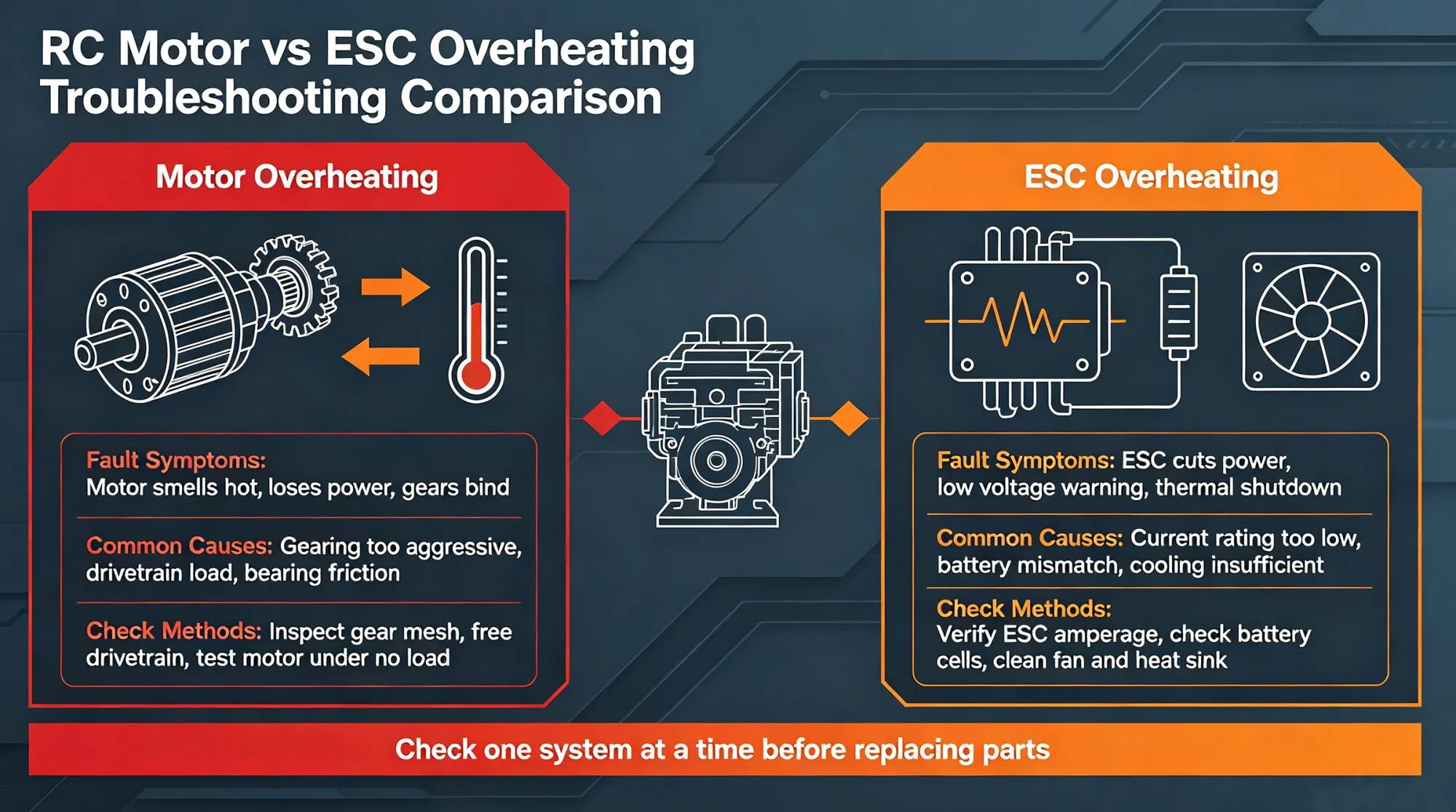
One of the most common reasons for RC motor overheating is incorrect gearing.
Many drivers increase the pinion gear size to achieve higher speed. While this can improve top-end performance, it also forces the motor to work harder.
A gear ratio that is too aggressive can cause:
Higher motor RPM
Increased current consumption
Excessive heat generation
Reduced battery runtime
A smaller pinion gear usually reduces motor workload and improves efficiency, especially for off-road driving where traction resistance is higher.
When selecting gearing, consider:
Vehicle weight
Tire size
Driving surface
Motor specifications
A balanced gearing setup allows the motor to provide strong performance without operating under constant stress.
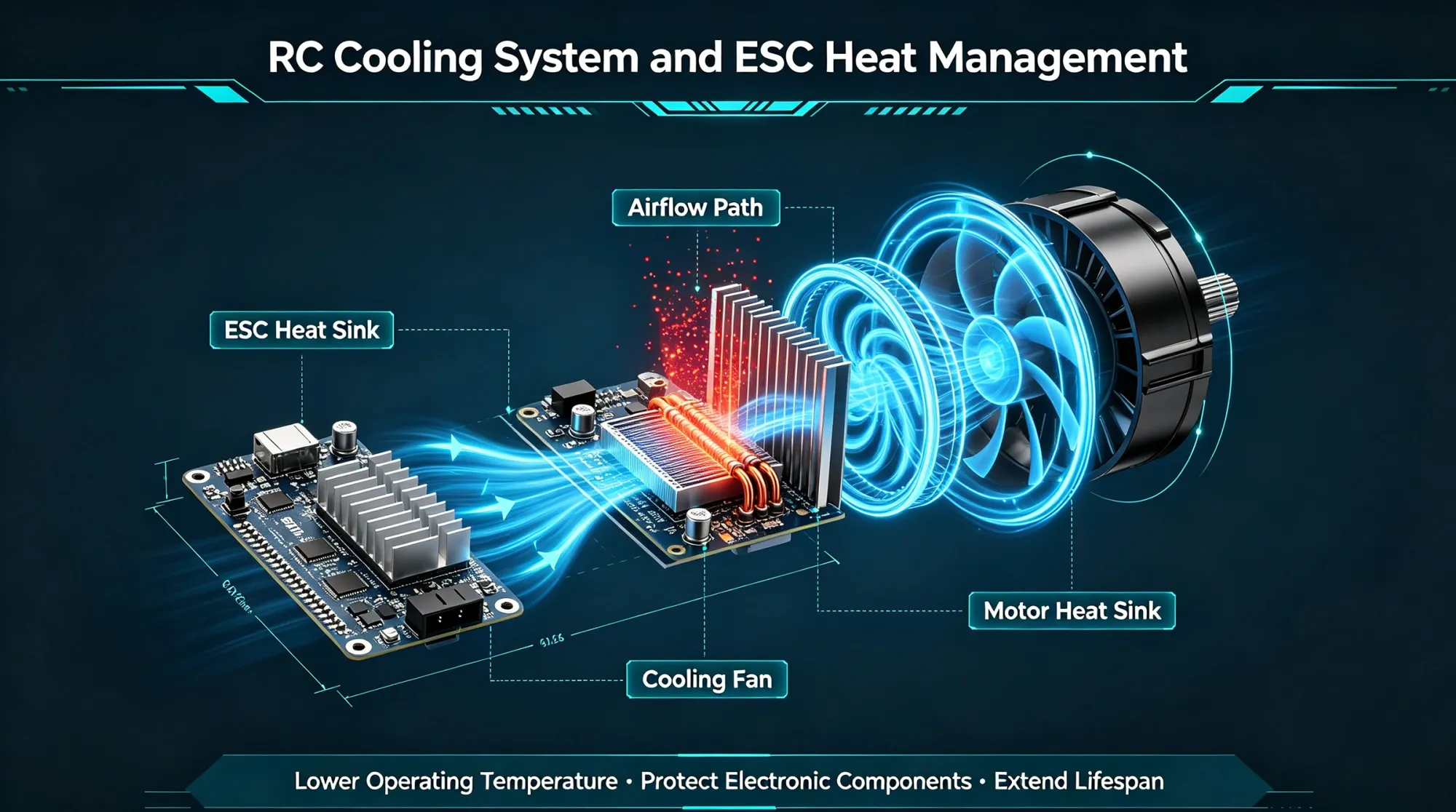
The motor is not always the source of the problem. Sometimes the drivetrain creates additional resistance, forcing the motor and ESC to compensate.
Possible causes include:
Tight bearings
Damaged gears
Incorrect gear mesh
Binding suspension components
Over-tightened screws
Before replacing electronic parts, manually check whether the vehicle rolls freely.
A healthy drivetrain should move smoothly without unusual resistance or noise.
Regular inspection of components such as gears and shafts can prevent unnecessary heat buildup and improve overall efficiency.
The ESC is responsible for managing power between the battery and motor. When it becomes overloaded, the result is often RC ESC overheating.
Typical symptoms include:
Sudden power reduction
Vehicle stopping during acceleration
ESC thermal shutdown
Blinking warning lights
Reduced throttle response
Several factors can contribute to ESC overheating.
The ESC must be capable of handling the motor's power requirements.
For example, a high-performance brushless system may require a stronger ESC with sufficient current capacity.
A 60 amp brushless ESC is commonly used in many medium-scale electric RC applications because it provides a balance between performance and reliability.
When selecting an ESC, consider:
Continuous current rating
Battery voltage compatibility
Motor specifications
Vehicle weight
Using an ESC that is too small can cause excessive heat because it operates close to its maximum capacity.
A properly matched 60a brushless ESC allows the system to deliver power more efficiently and reduces thermal stress.
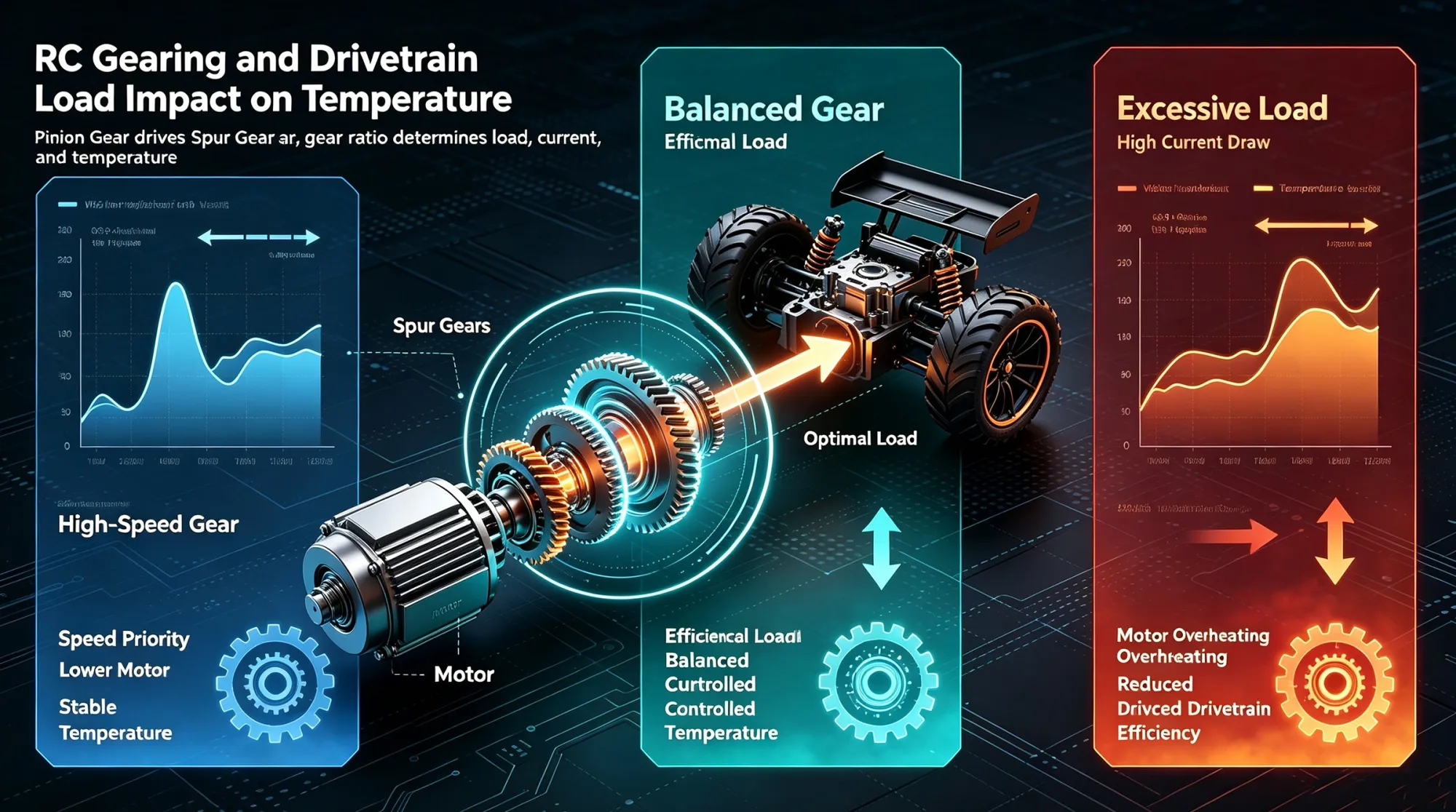
Even a correctly matched motor and ESC can overheat if cooling is insufficient.
Electric RC vehicles rely on airflow to remove heat during operation.
Common cooling improvements include:
Installing cooling fans
Keeping ventilation openings clear
Removing dirt around electronic components
Checking fan operation regularly
Off-road vehicles are especially vulnerable because dust and debris can block airflow.
Drivers using motorized RC cars in outdoor environments should regularly clean cooling areas after driving sessions.
A small amount of maintenance can significantly improve temperature control.
The battery provides the energy required by the motor and ESC. Choosing the wrong battery specification can increase system stress.
Common problems include:
Battery voltage too high
Insufficient discharge capability
Damaged battery cells
For example, upgrading to a higher-voltage battery may increase speed, but the motor and ESC must support the additional electrical demand.
A properly matched power system provides:
Stable acceleration
Lower heat generation
Longer component life
This is especially important for high-performance motorized RC vehicles where power output is significantly higher than entry-level models.
When overheating occurs, avoid changing multiple components at the same time. A systematic approach makes it easier to identify the real cause.
Use an infrared thermometer after driving.
Check:
Motor temperature
ESC temperature
Battery temperature
Knowing which component overheats first provides important clues.
Try:
Smaller pinion gear
Lower throttle setting
Different driving surface
If temperatures improve, the issue is likely related to load or gearing.
Check:
Gear movement
Bearings
Wheels
Driveshafts
Mechanical resistance often creates additional electrical demand.
Confirm that:
ESC supports the motor
Battery voltage matches specifications
Connectors are secure
A properly matched system should deliver consistent performance without excessive heat.
Prevention is always easier than repair.
Good maintenance habits include:
Cleaning the vehicle after off-road driving
Checking gears regularly
Maintaining proper gear mesh
Monitoring temperatures
Using suitable batteries and chargers
Avoiding continuous maximum throttle operation
For drivers upgrading their vehicles with a new brushless motor for RC car, it is important to consider the entire system rather than only the motor itself.
A motor upgrade may require adjustments to:
ESC capacity
Gear ratio
Cooling system
Battery specification
High-quality electronics provide better consistency and durability.
Modern RC systems often combine:
Brushless motors
Programmable ESCs
Efficient cooling solutions
Reliable drivetrain components
VRX Racing offers a range of RC components, including motors, ESCs, lights, and accessories designed for different electric RC applications.
Whether upgrading a motorized RC car or replacing worn electronic components, choosing compatible parts helps maintain performance and reduce overheating risks.
Both RC motor overheating and RC ESC overheating are usually caused by system imbalance rather than a single faulty component.
Incorrect gearing, poor cooling, drivetrain resistance, and mismatched electronics can all increase operating temperatures.
By checking these areas step by step, drivers can identify problems quickly and protect their RC vehicles from unnecessary damage.
A well-balanced setup with the correct motor, ESC, gearing, and cooling system delivers better performance, longer component life, and a more enjoyable driving experience. With reliable parts and upgrade options from VRX Racing, enthusiasts can confidently maintain and improve their electric RC vehicles.