Smart technology is changing what drivers expect from remote control (RC) vehicles. Traditional RC cars focus on radio control, motor power, steering, and mechanical setup. But newer designs increasingly add telemetry, app-based tuning, battery data, and sensors that help drivers understand how a vehicle behaves.
In the next stage, useful smart RC vehicles will combine responsive control, reliable electronics, understandable data, and parts that can be maintained or upgraded. Some features are already available in hobby-grade products, while AI-assisted driving and greater autonomy remain emerging directions rather than standard capabilities.
Telemetry sends information from the vehicle back to the driver, which can include battery voltage, motor or electronic speed controller (ESC) temperature, RPM, current, speed, and signal status. This helps drivers make setup decisions based on evidence rather than guesswork.
Integrated systems are reducing the need for separate sensors and wiring. For example, Spektrum Smart Technology combines compatible batteries, ESCs, and radio systems to share data with supported transmitters. The next opportunity is to make useful readings easier to access across more price levels and experience levels.
For racers, telemetry can reveal overheating, voltage sag, or gearing that places too much load on a power system. And for beginners, simple alerts are more practical than various numbers. Good design should present the right information at the right time, not overwhelm the driver.
Smartphone apps are best understood as a setup and service layer, not as a replacement for the transmitter. They give drivers a clearer way to manage vehicle profiles, adjust supported settings such as throttle limits, steering response, and braking strength, and run diagnostics or firmware updates.
Apps can also keep ownership details in one place: manuals, approved spare parts, troubleshooting steps, and maintenance reminders. A driver could scan a model label to pull up the correct instructions or confirm which battery configuration is approved—especially useful when several models share similar bodies or names.
Mobile control will not replace a dedicated radio link in every application. RC racing depends on predictable response and low latency, while phone connections can vary with device, operating system, and wireless conditions. The likely direction is a complementary model: the transmitter handles responsive driving, while the app supports setup, monitoring, and service.
Sensor-assisted handling is already available on many RC platforms. Wheel-speed data, gyroscopes, accelerometers, and steering or throttle inputs can feed into stability assistance, traction control, and selectable driving profiles. These systems are meant to make the vehicle more predictable when grip changes, not to take over driving.
They only work well when they are tuned for the surface and the driver. A setting that feels smooth on pavement can feel intrusive on loose gravel, dirt, or snow. Experienced drivers often want direct control, while beginners may do better with a softer throttle curve and a lower power limit. The same model may therefore need different settings depending on who is driving and where.
Future systems may offer selectable profiles such as beginner, sport, and track modes. Rather than making every vehicle autonomous, these features can help users learn control progressively. Manufacturers should make the function adjustable and explain what it changes, so drivers can develop skill instead of relying on a hidden correction.
Recorded data can help drivers compare runs and understand why performance changes. GPS, accelerometers, gyroscopes, temperature sensors, and battery monitoring can capture speed, acceleration, lap timing, vehicle movement, and power-system behavior where supported.
In July 2026, CNX Software covered Open RC Spotter, an open-source telemetry and data-logging project for RC cars and toys that combines GPS and motion data with battery and temperature measurements. It illustrates how accessible electronics can make data logging available beyond professional race systems. See the Open RC Spotter project coverage.
Many drivers can benefit from such technology: a racer can compare lap consistency after a gearing change; a hobbyist can check whether temperatures rise during repeated acceleration; and a developer can use logged behavior to refine control settings.
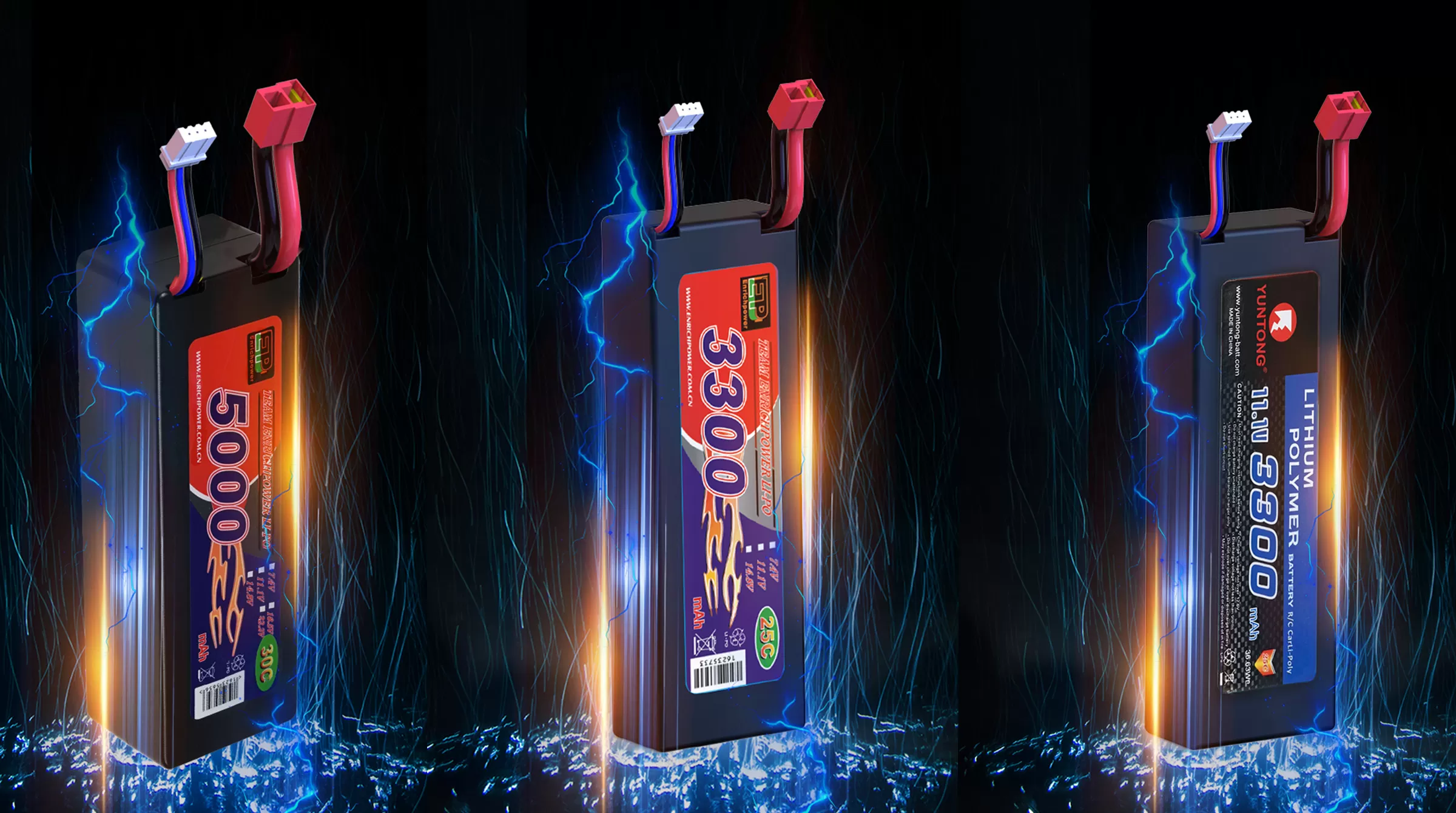
Battery data is important because voltage, temperature, charging behavior, and battery condition affect runtime and safety. Existing smart chargers and compatible battery systems can already store pack information or communicate charging and balance data.
Future designs may connect battery history with vehicle use, showing charge cycles, unusual voltage drops, or recommended checks. Such features should be treated as maintenance aids rather than perfect predictions: battery aging depends on storage, temperature, discharge rate, charging practice, and individual pack condition.
A smart system should also keep safe charging instructions clear. For manufacturers, clear battery compatibility and accessible safety guidance are as important as adding more data screens.
AI and computer vision could give RC vehicles new roles. Small cameras and embedded processors can support object detection, lane following, obstacle avoidance, or autonomous navigation on a controlled course. These applications can teach coding, sensor integration, and control systems.
However, full autonomy is not yet a realistic default expectation for ordinary RC cars. Reliable driving requires more than a camera: lighting, surface conditions, processing time, steering response, and fail-safe behavior all affect performance. A demonstration that follows a line in a classroom may not work on a changing outdoor track.
Near-term progress is likely to appear first in educational kits, hobby projects, and programmable platforms. Conventional consumer RC vehicles may adopt selected assistance features before they adopt independent driving. Clear modes, immediate manual override, and safe behavior after a lost signal should remain basic requirements.
As vehicles gain apps, sensors, and logging features, compatibility becomes a purchasing concern. Customers may want to connect new sensors or replace an ESC without rebuilding the whole vehicle. Modular electronics can reduce long-term upgrade costs and make troubleshooting easier.
Yet wireless protocols and software ecosystems may differ. Buyers should check which transmitters, receivers, batteries, apps, and sensors work together before paying for smart features. Manufacturers can build trust by publishing compatibility lists, supporting stable firmware updates, and avoiding unnecessary lock-in.
Connectivity also introduces software maintenance. Updates should have clear release notes, simple recovery procedures, and safeguards against interrupted installation.
Smart features should solve different problems for different audiences.
User group | Most useful smart features | Main benefit |
Beginners | Simple power modes, battery alerts, guided setup | Easier learning and fewer avoidable mistakes |
Hobbyists | Temperature monitoring, setup profiles, maintenance records | Better reliability and more informed upgrades |
Competitive racers | RPM, voltage, temperature, speed, and lap data | Repeatable tuning and performance analysis |
Education and robotics | Programmable control, sensor inputs, data export | Hands-on learning in coding and engineering |
Retailers and service teams | Model identification, fault guidance, spare-parts records | Faster support and clearer product information |
A feature should earn its place by improving control, reliability, learning, or ownership. Extra electronics that add cost but provide little practical value can make a product harder to use and repair.
Smart functions must be useful in real conditions. Dust, vibration, shocks, water exposure, and heat can challenge sensors and connectors. Added circuit boards and wiring also need secure mounting and sensible protection, especially in an electric RC buggy used on rough terrain.
Connected vehicles should collect only the data needed for the feature. If an app stores location, account information, or run history, users need clear privacy settings and a way to understand what is shared. Essential driving functions should not depend on sharing unnecessary personal data.
Repairability matters as well. Replaceable sensors, documented connectors, available spare parts, and clear diagnostic codes can extend vehicle life.
Before buying or developing a smart RC platform, test the features under normal use rather than judging a product by its app screenshots. Check the following:
Control response: Confirm that the radio link remains predictable and that the vehicle has a clear failsafe.
Data usefulness: Verify that readings are accurate enough to guide setup and maintenance.
Compatibility: Check support for batteries, transmitters, sensors, apps, and replacement electronics.
Durability: Test connectors, sensor mounts, and electronics protection against the intended terrain.
Software support: Look for documented updates, understandable instructions, and recovery options.
Ownership cost: Include accessories, subscriptions if any, replacement parts, and support availability.
For example, a connected electric RC truggy may benefit more from robust temperature monitoring and accessible diagnostics than from an elaborate autonomous-driving feature. Choose technology according to the vehicle’s purpose.
The next generation of smart RC vehicles will likely combine better telemetry, simpler setup tools, more capable sensors, and selective automation. The strongest products will not be those with the longest feature list, but those that turn useful technology into dependable control, clearer feedback, and a better ownership experience. Explore current vehicle platforms at VRX Racing to compare the foundations on which future smart features can be built.