In the RC car market, custom branding can turn a standard RC vehicle into a product customers recognize, remember, and feel confident buying.
Branding does not automatically make a vehicle better or justify a higher price. Its value comes from combining a consistent identity with dependable quality, clear product information, and service customers can rely on. When these elements work together, branding can support differentiation, improve shelf appeal, and strengthen repeat sales.
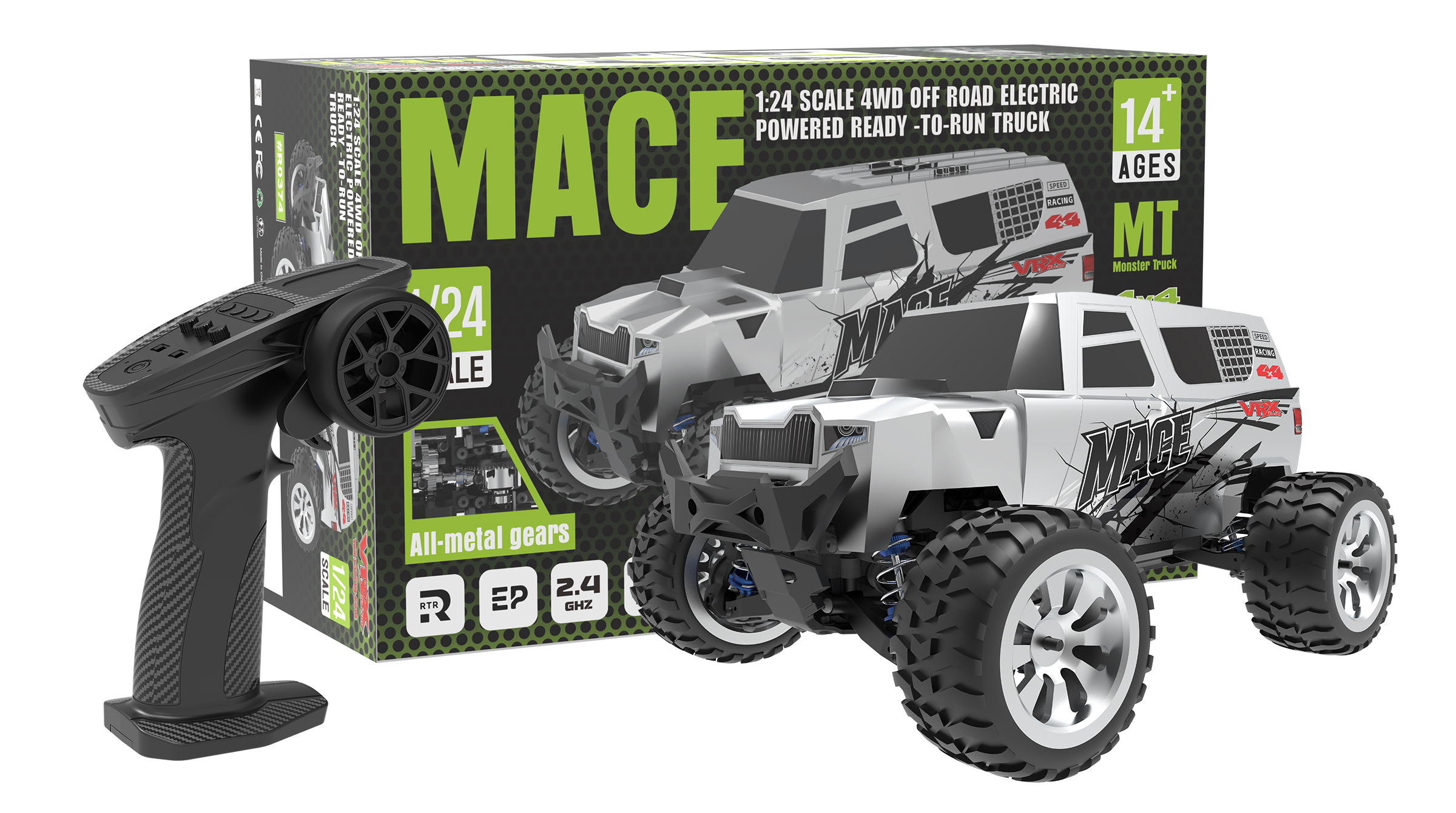
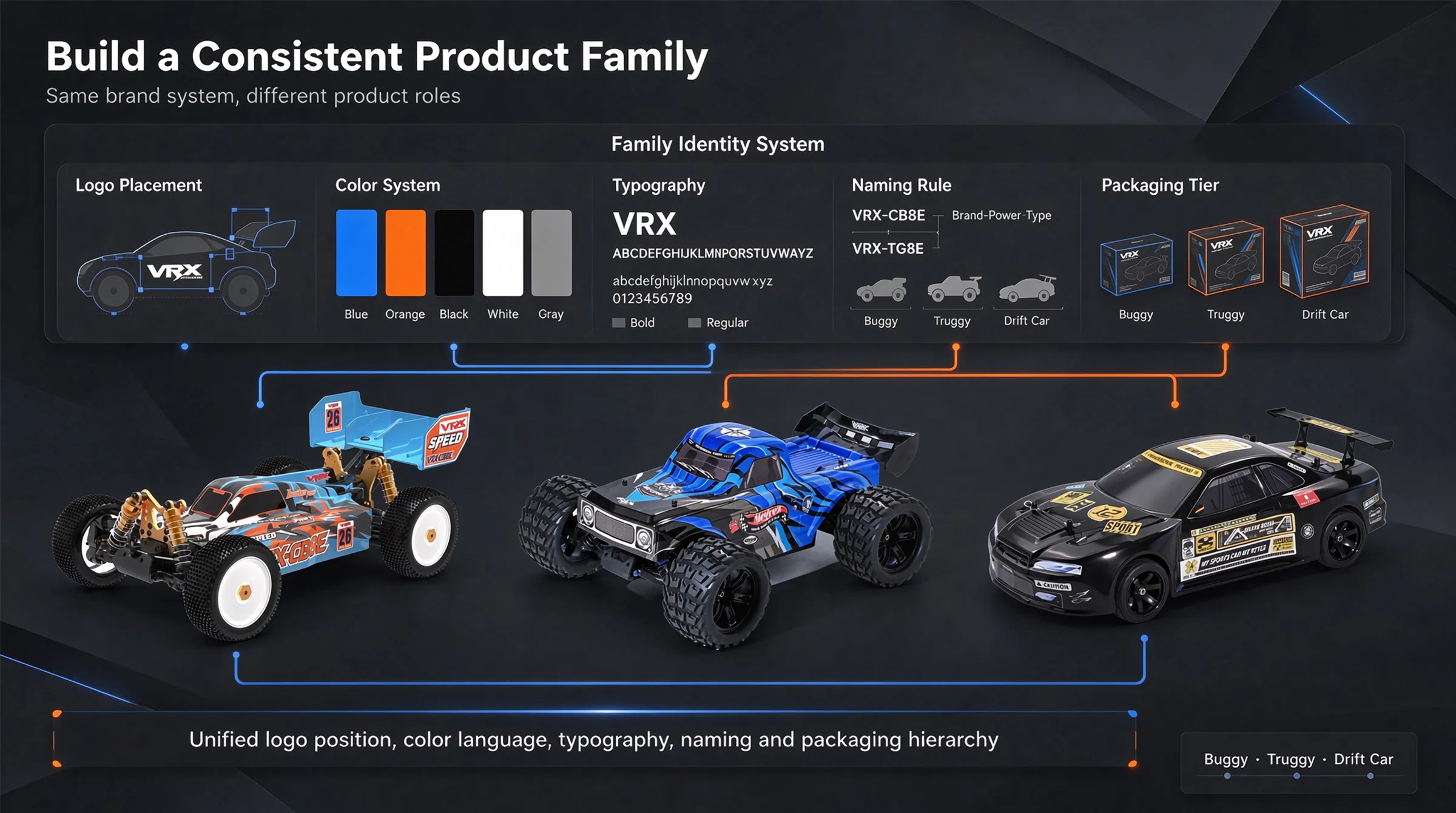
A distinctive visual identity helps buyers recognize your range without comparing every component. Custom colors, body graphics, logos, and a consistent naming system can make separate models feel like one product family. You do not need to change every feature; it is often enough to apply a coherent identity across selected models and accessories.
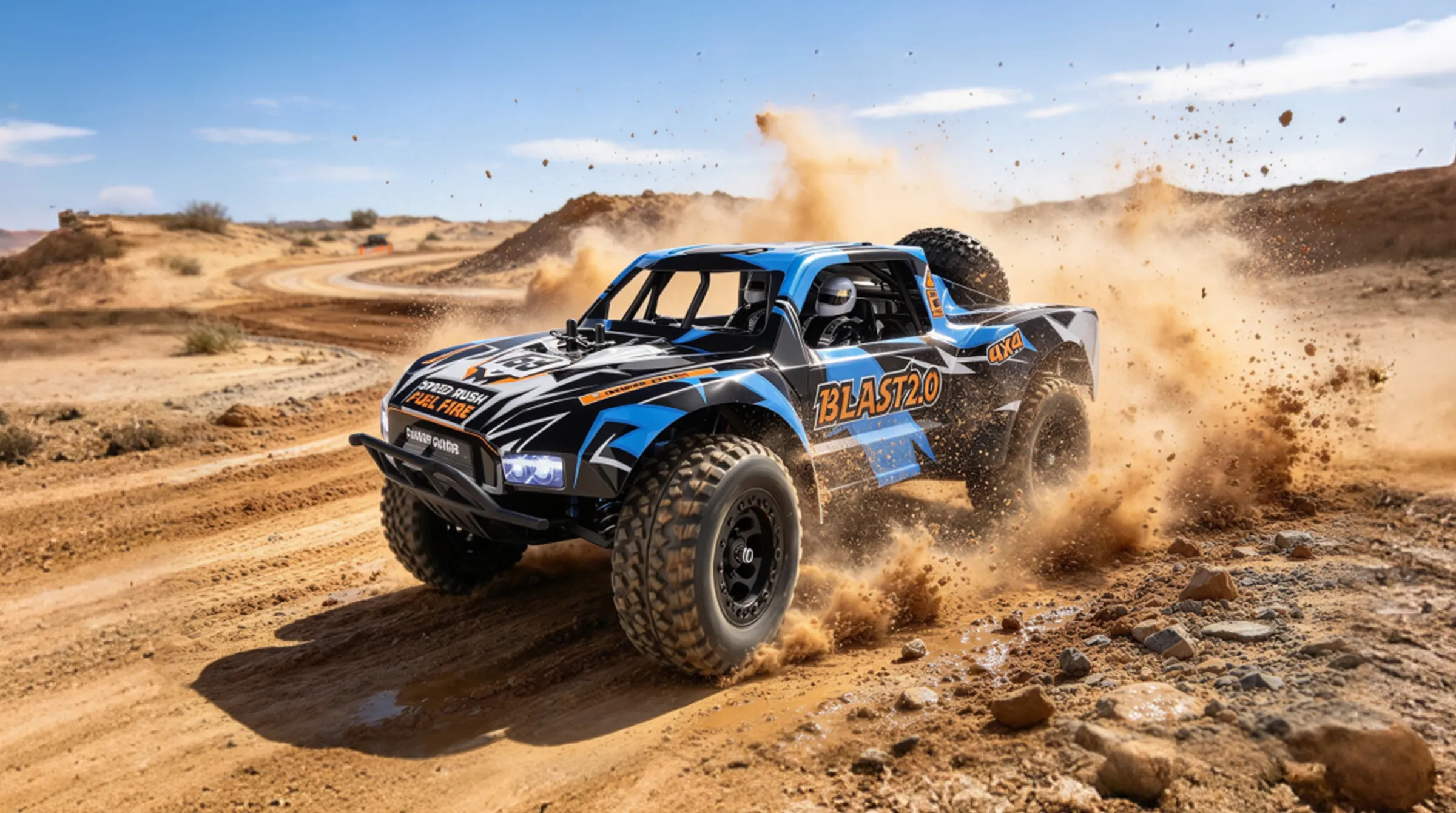
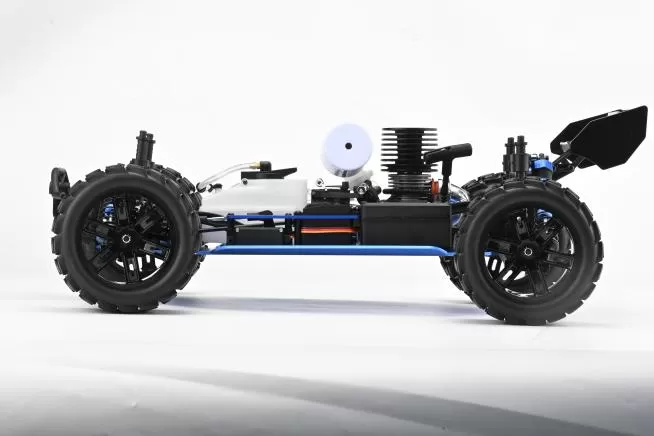
For example, an off-road range based on an electric RC buggy can use a consistent palette, logo placement, model names, and packaging layout. These details help customers connect different products to the same brand while each model keeps its own purpose.
Note that the goal is not to simply decorate. Branding should help customers identify the product and understand what the brand stands for.
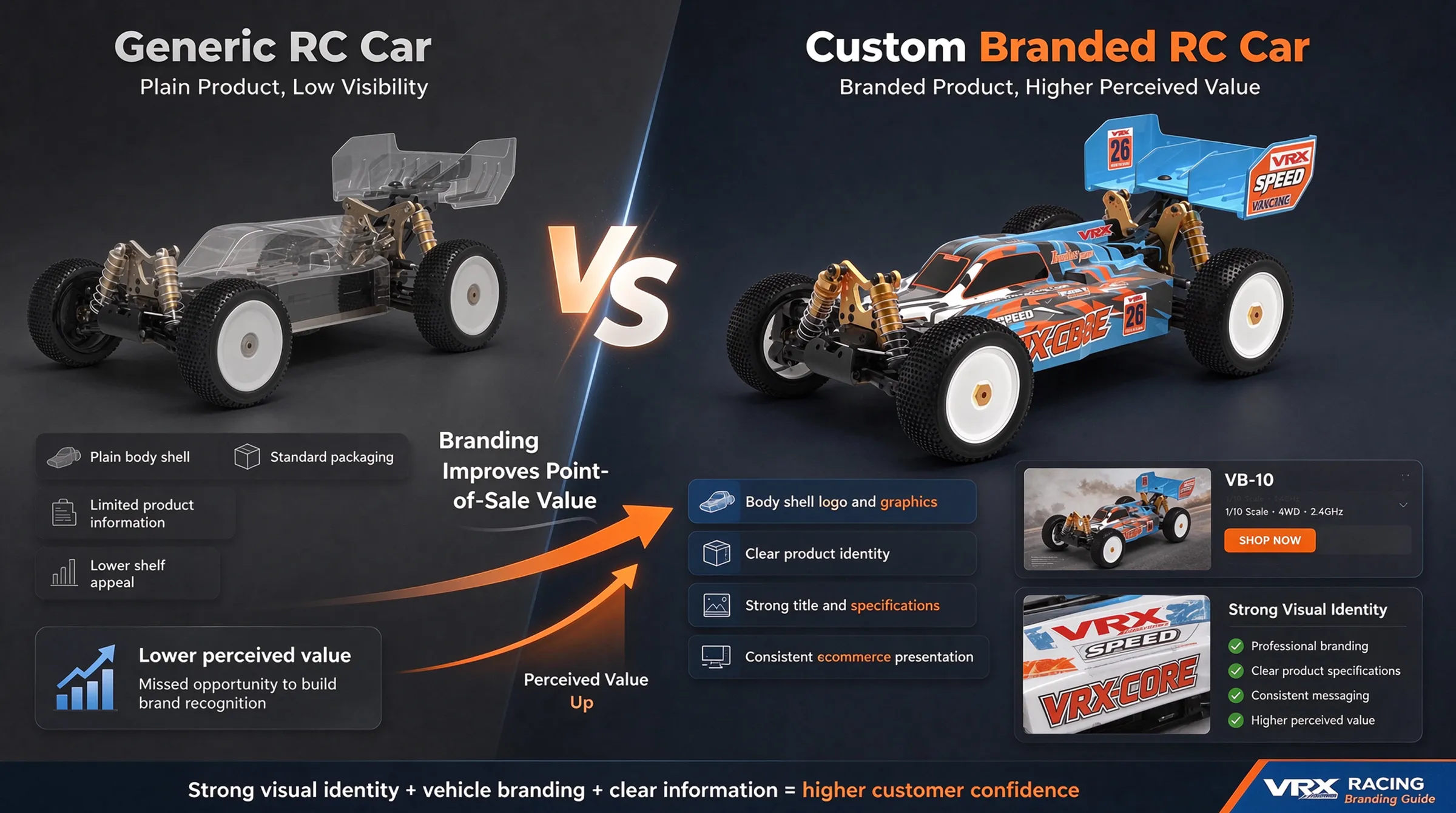
Buyers form an opinion before they run the vehicle. In a physical store, the body shell and retail box are what they see first. Online, the main image, title, thumbnail, and packaging photos do the same job. If these elements look inconsistent or poorly prepared, the product can appear more generic—or less trustworthy—than it actually is.
A consistent visual system makes a range look intentional. Readable typography, a controlled color palette, clear model names, and well-organized product information help customers compare models without guessing. This matters most when several vehicles are displayed together or listed on the same page.
Useful branding elements include:
Body shell: Apply a recognizable logo and graphic style without hiding important product features.
Retail packaging: Use clear images, accurate specifications, and a consistent layout across model variants.
Product naming: Choose names that distinguish scale, power system, and model position.
Digital assets: Keep photography, product descriptions, logos, and colors consistent across marketplaces and sales channels.
A logo alone cannot establish trust. Customers need evidence that the product will perform as described and that support is available if something goes wrong.
Decide what the brand is actually promising. A beginner-focused range should emphasize easy setup, clear manuals, and readily available replacement parts. A performance range should be specific about motor and ESC configuration, handling, and supported upgrades. Every performance claim should be backed by a specification or test result.
A brushless electric RC car, for example, can be positioned around a higher-performance electric setup, but the branding should not promise speed or runtime the vehicle cannot consistently deliver. State the recommended battery, typical running conditions, and maintenance needs instead.
When product pages, packaging, manuals, and after-sales communication reinforce the same message, the customers know what to expect.
Brands can support a higher price when customers can see a meaningful difference. That difference may come from better product presentation, a carefully selected specification, reliable parts availability, clear documentation, or a more complete ownership experience.
Before positioning a model as premium, define what justifies the price:
Value driver | What the buyer should experience |
Product quality | Consistent assembly and performance that match the stated specification |
Design identity | Recognizable graphics, model names, and packaging |
Product information | Clear features, accurate specifications, and useful instructions |
Parts support | Identifiable spare parts and a practical replacement process |
Customer service | A responsive process for warranty questions and product issues |
Use these value drivers as a promise checklist: claims about durability, for example, should be backed by quality control and testing.
Consistency does not mean every vehicle should look identical. It means the product line shares a visual language while each model communicates its specific purpose. Create simple guidelines for logo size, logo placement, color codes, fonts, model naming, packaging structure, and product photography. Then define which elements can change by product category. Different types of cars may need different graphics, but the logo treatment and packaging hierarchy can still be consistent.
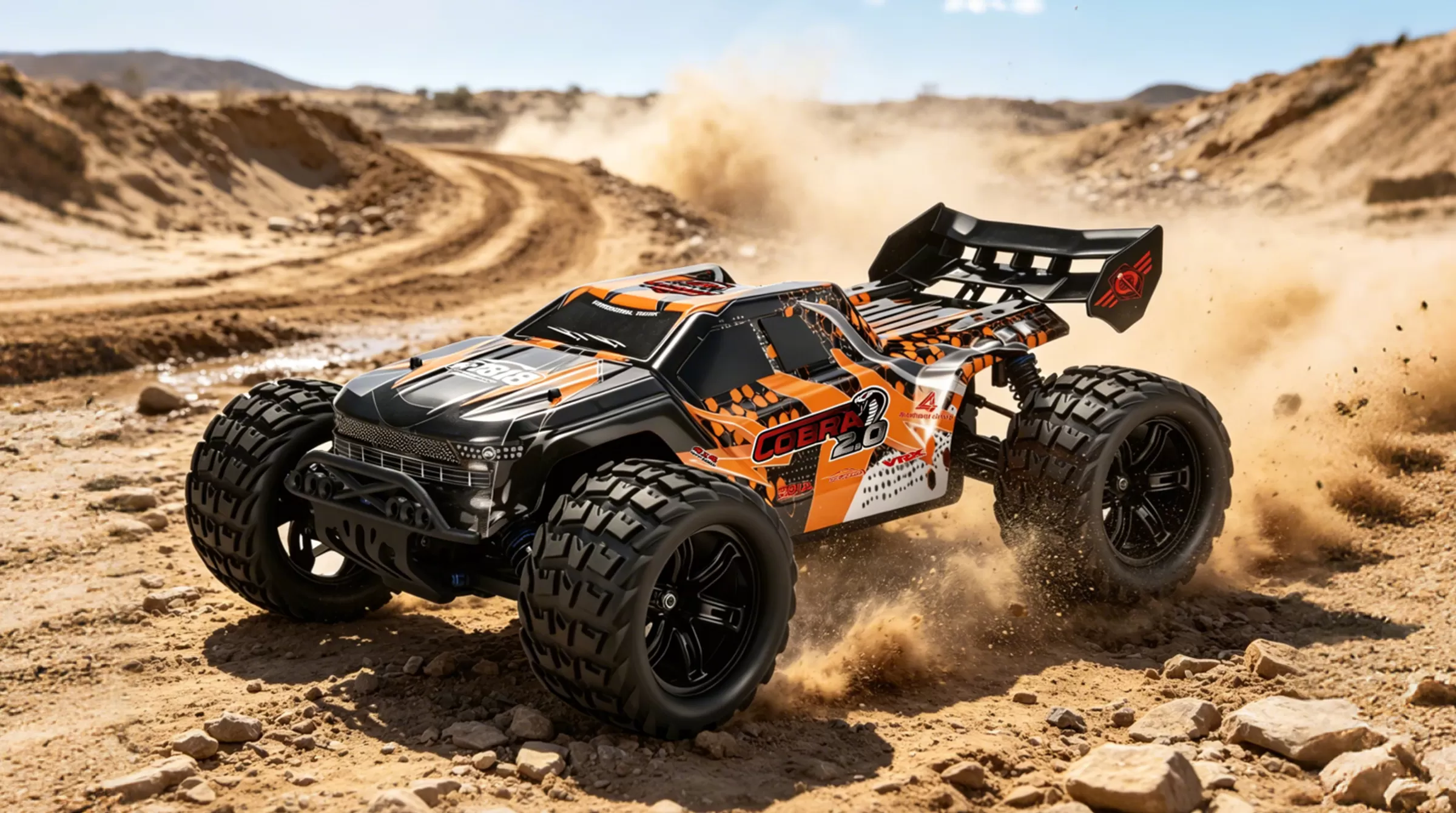
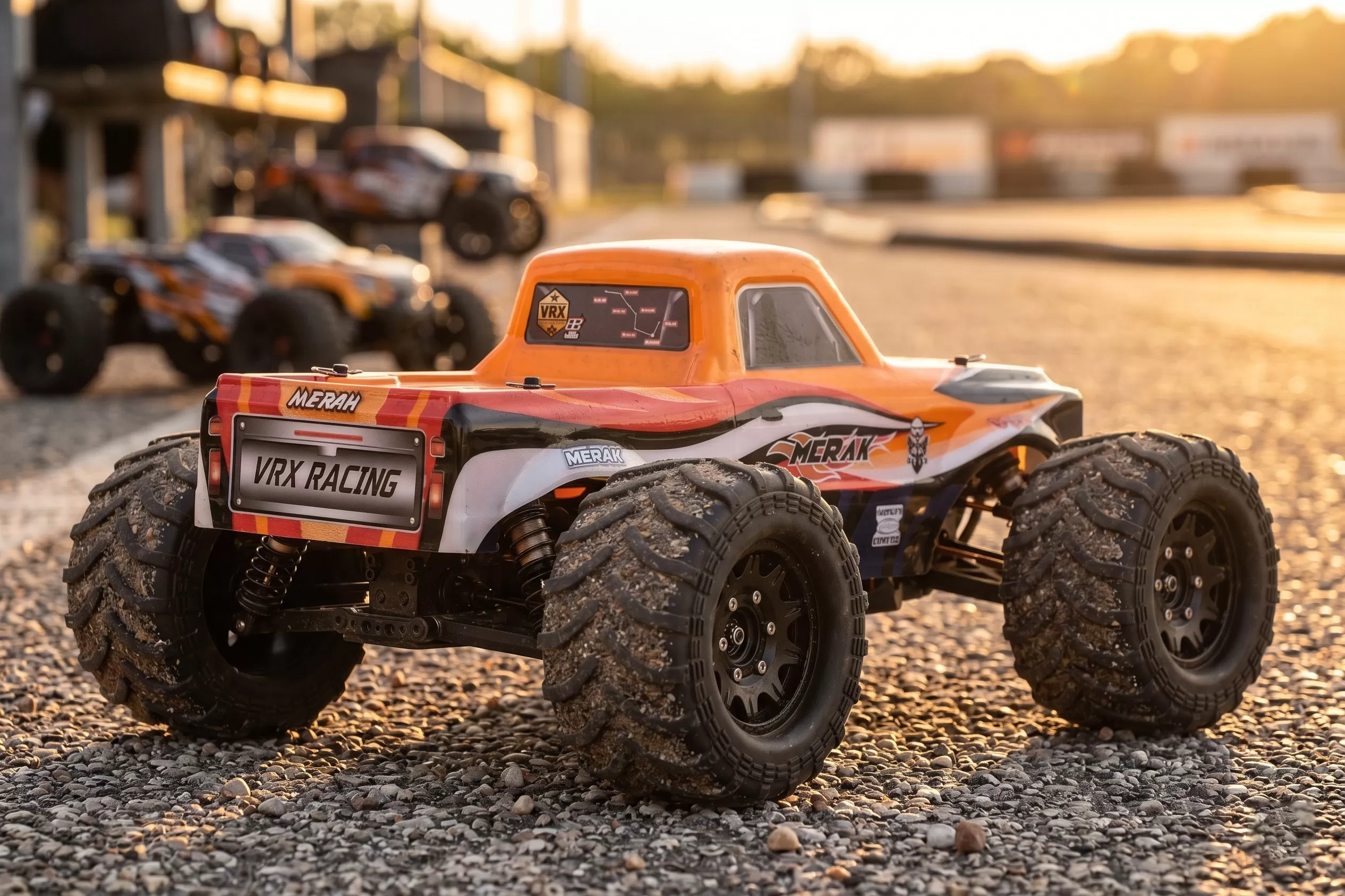
For a range that includes an electric RC truggy, the body graphics can reflect its rugged positioning while keeping the same core brand colors and recognizable model label. The same design rules can extend to spare-parts bags, instruction sheets, promotional materials, and online listings.
Besides, consistency also saves work. Established templates reduce design errors and help suppliers and marketing teams prepare new models faster.
Packaging is part of the product. It protects the vehicle, communicates essential information, and provides the first detailed explanation of what the buyer has purchased.
Good RC car packaging should balance brand presentation with practical clarity. Make the model and scale easy to identify. State the included equipment accurately, including whether a battery, charger, or transmitter is supplied. Provide required warnings and instructions for the target market, and ensure that labels do not contradict the actual configuration.
For online sales, test the package under realistic handling conditions. Check that the vehicle is secured, accessories cannot strike the body shell, and the outer carton is suitable for shipping. For retail shelves, consider how the box will be displayed and whether key information remains readable from the front and sides.
The brand experience should remain consistent wherever customers encounter the product. An online listing may introduce a model through images and specifications, while a retailer’s shelf highlights the packaging and physical appearance. If those materials use different model names, colors, or claims, customers may question whether they are looking at the same product.
Create a shared asset folder with approved logos, product images, specifications, packaging files, and description templates. Set a review process so distributors and retailers use current material. For marketplaces, optimize the main image for clear product visibility and use secondary images to explain features, included accessories, scale, and dimensions.
Custom branding adds design time, artwork, printing, packaging, and sometimes minimum-order commitments. Those costs need to be checked against sales results; a more customized product does not automatically sell better.
Set a baseline before launch. Use comparable products and record the figures you already track: conversion rate, sell-through, average selling price, return rate, customer questions, and repeat purchases. Once the branded version has been live long enough to give a reliable read, compare the two periods. Adjust for price changes, promotions, seasonality, and channel mix, because these can move results independently of branding.
Track indicators such as:
Conversion rate: Are more visitors choosing the branded product page?
Average selling price: Can the product maintain its target price without constant discounts?
Sell-through: Does stock move at a healthy rate?
Return and complaint rate: Do product descriptions and packaging set accurate expectations?
Repeat purchase and parts sales: Do customers come back for accessories, spare parts, or other models in the range?
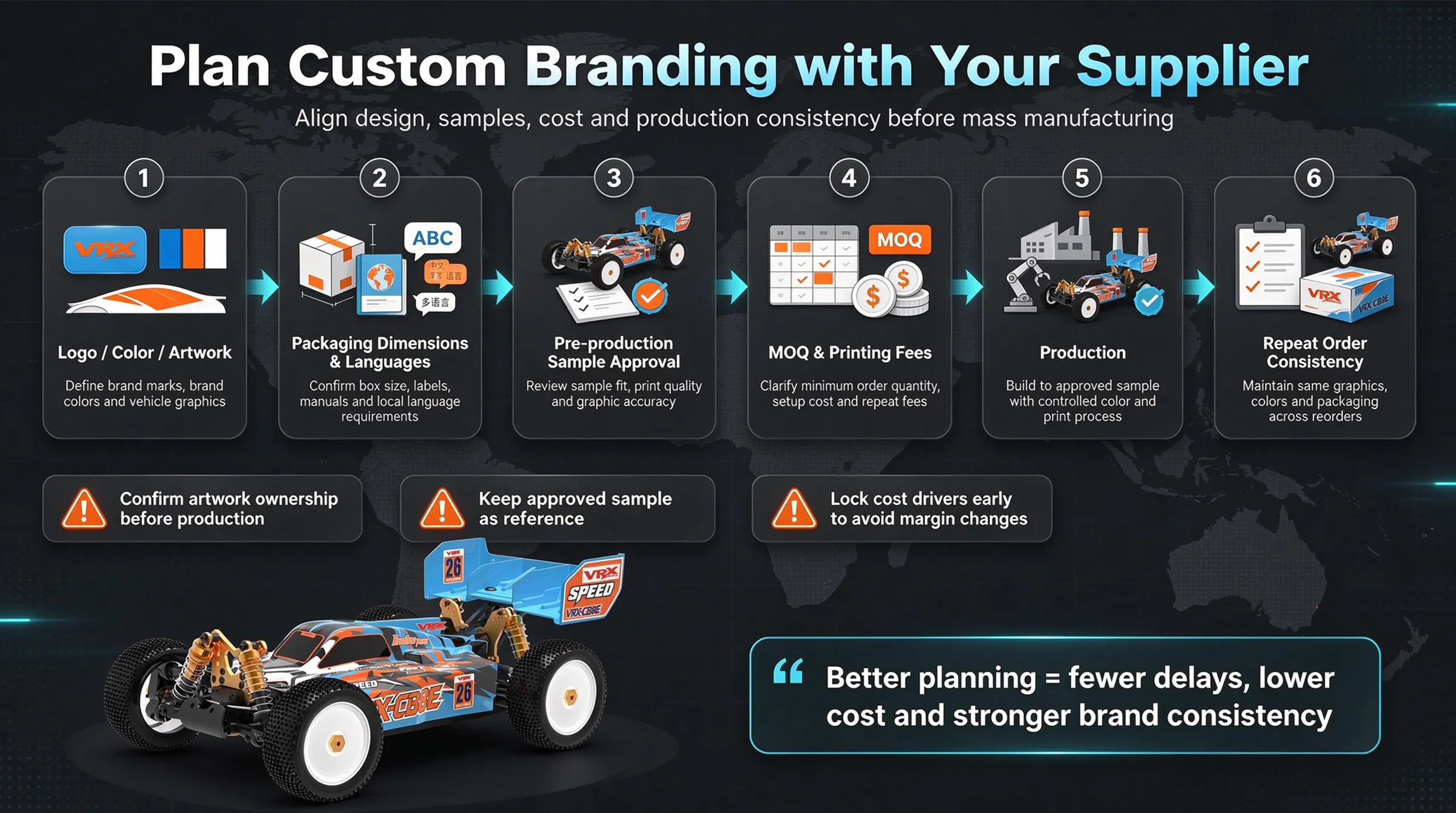
Before production, settle two things in writing: what will be customized and what will remain standard. Give the supplier vector logos, color references, artwork files, packaging dimensions, required languages, and final specifications. Approve a pre-production sample that shows the actual logo placement, colors, finish, and package contents; do not rely on a digital proof alone.
Then agree on the minimum order quantity, setup or printing fees, the artwork approval process, production lead time, and how changes will be handled. Clarify who owns the artwork and whether the supplier may reuse it for other customers. If exclusivity matters, define its scope and duration in the agreement.
For repeat orders, check the same details again. Color drift or small shifts in logo placement can make a product family look inconsistent. Keep approved samples and inspection criteria on file so each batch can be checked against the same standard.
For businesses exploring vehicle platforms and customization options, VRX Racing offers a range worth reviewing. Custom branding is most effective when the product, packaging, documentation, and support all reinforce the same identity—not merely when the box looks better.