Importing RC cars from China can help retailers, distributors, hobby shops, and online sellers expand their product ranges and manage sourcing costs. But a successful order involves more than finding a low unit price. Buyers must verify suppliers, confirm product specifications, understand destination-market rules, calculate the landed cost, and plan shipping before paying a deposit.
Treat importing as a repeatable purchasing process: define your range, order samples, confirm responsibilities in writing, and increase order volume only after the first shipment meets expectations.
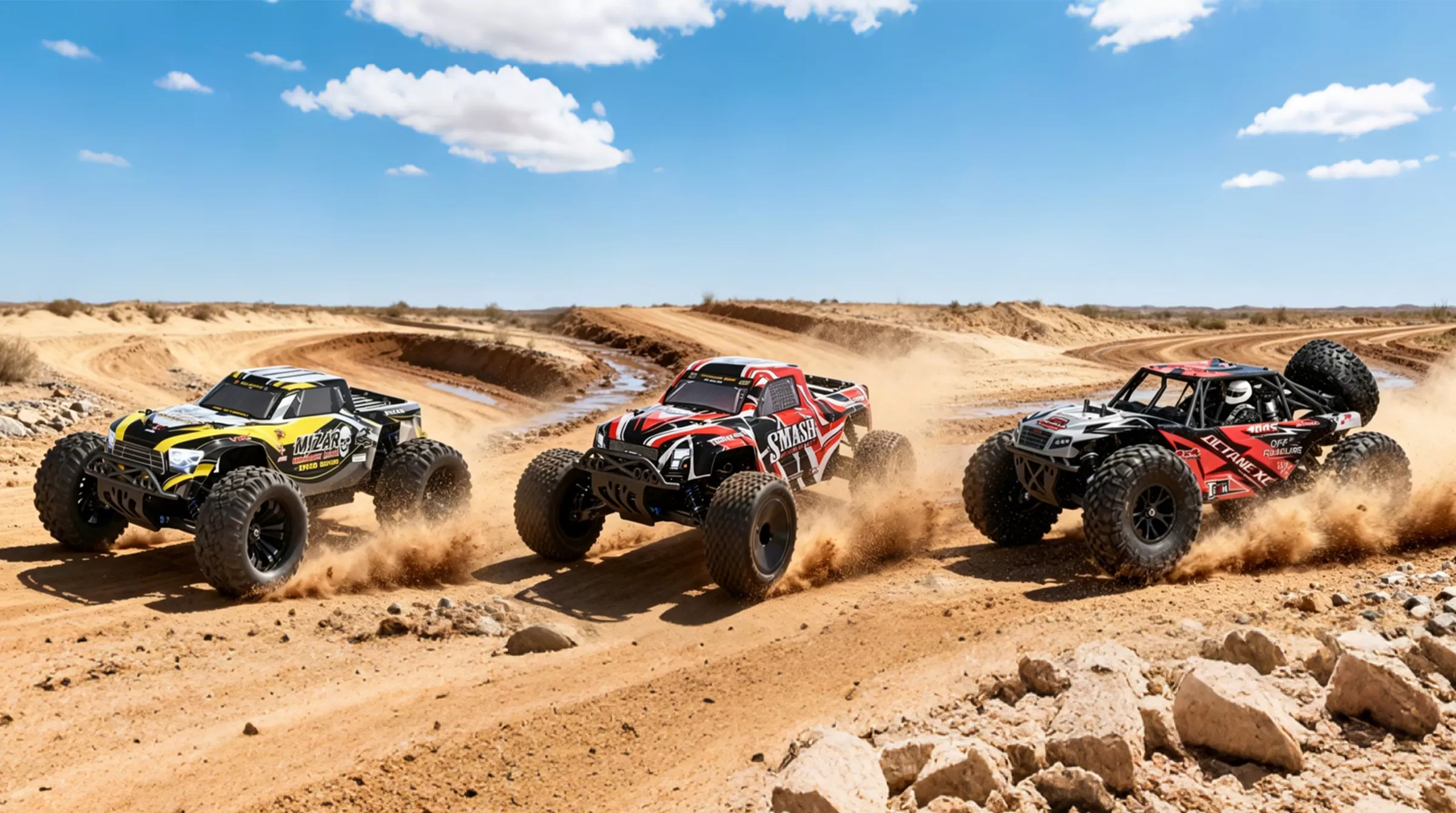
Start by deciding who will buy the vehicles and where you will sell them. Hobby shops may need durable ready-to-run (RTR) models and spare parts; distributors may want a balanced range of price points, scales, and vehicle types; and online sellers need strong packaging and product information suited to e-commerce.
Create a brief covering:
Vehicle type and scale, such as buggy, truggy, monster truck, or drift car.
Power system: brushed electric, brushless electric, or nitro.
RTR versus kit configuration and the accessories included.
Target retail price, first-order quantity, and reorder forecast.
lSpare parts, warranty handling, packaging, manuals, and branding needs.
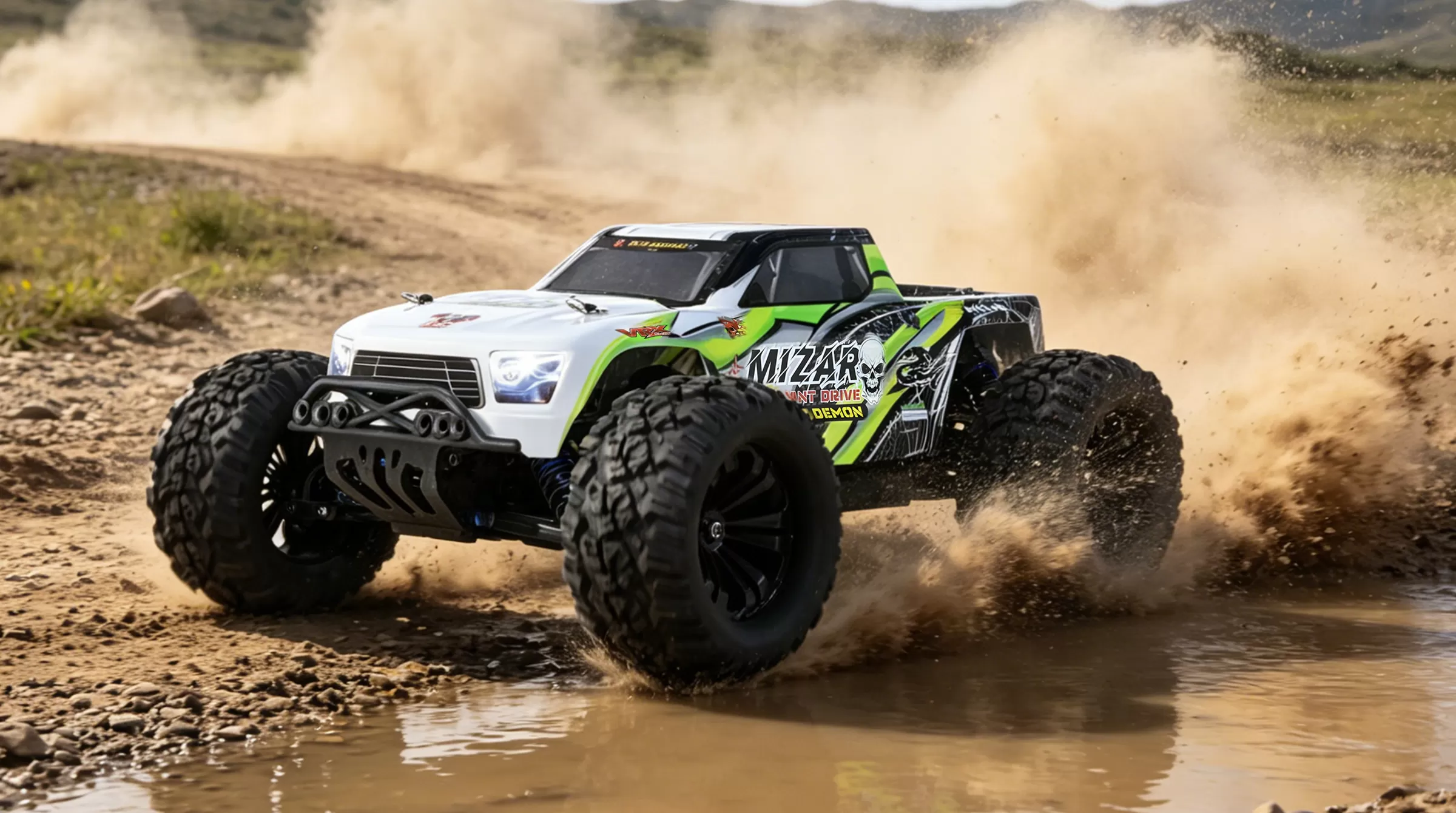
Choose products for your market, not just for their factory price. For example, buyers considering 1/8 Scale RC Buggy Wholesale should confirm that the models suit local customer budgets, driving conditions, and repair capabilities. A clear brief makes quotes easier to compare.
It is tempting to gather a long list of suppliers from trade shows, B2B platforms, referrals, and company websites. The more useful first step is to establish what each company actually is: a manufacturer, a trading company, or both. This matters because it determines who controls production, quality checks, lead times, and after-sales support.
For each shortlisted supplier, look beyond the catalogue. Review the company profile, product range, export experience, factory information, and—often most telling—how clearly and quickly they answer technical and commercial questions. If distance or timing allows, arrange a video call or a live factory tour rather than relying on staged photos.
Check that the registered company name on the quotation and contract matches the bank account, and that certificates and product photos refer to the exact model being quoted. A generic certificate for a similar model is not enough.
Ask every candidate the same questions: What is the minimum order quantity (MOQ)? Can models be mixed? Which spare parts are available? What is the production lead time? How are defects handled? Can the supplier provide test reports, compliance documents, spare-parts lists, and packaging specifications?
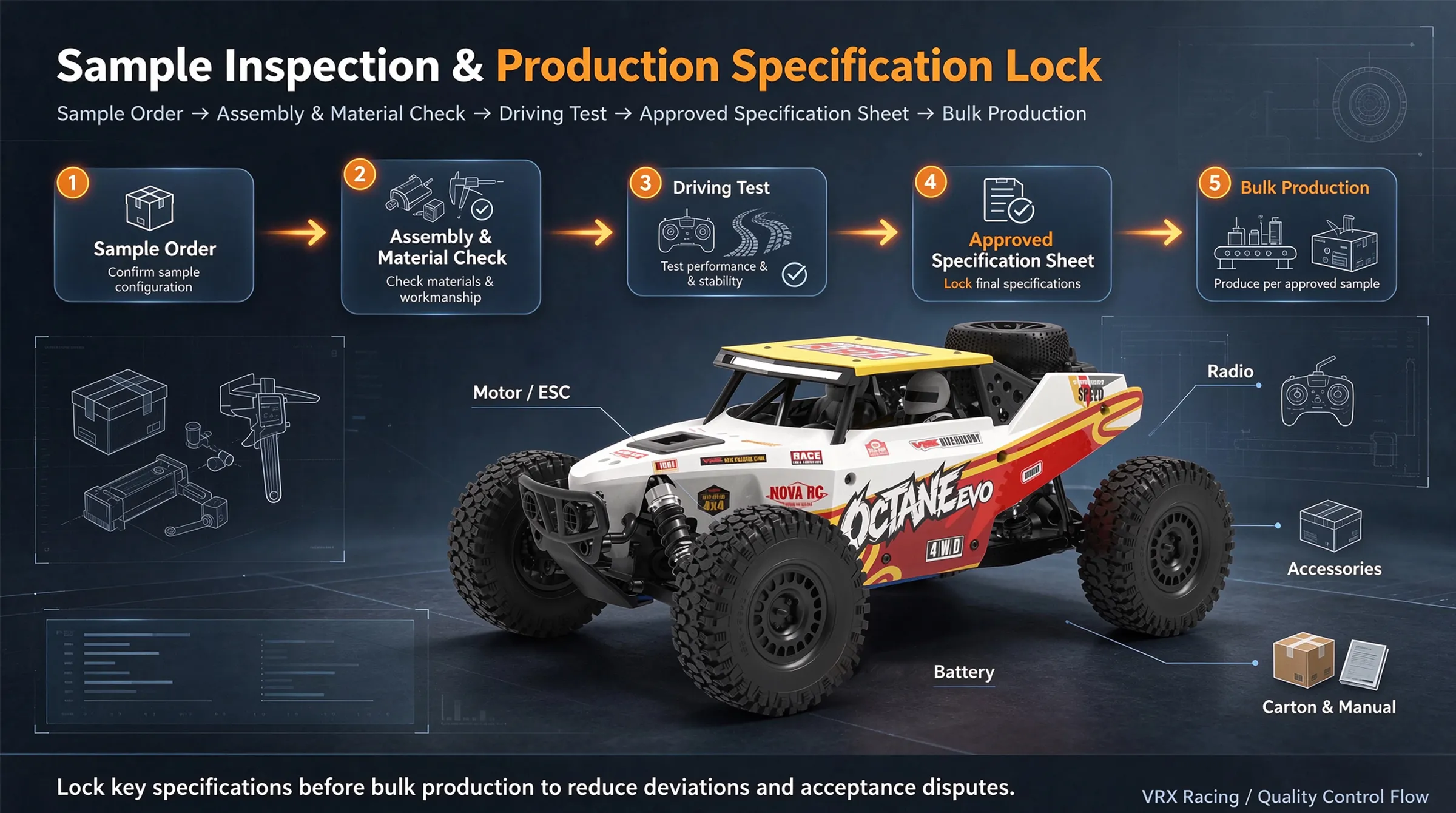
Do not approve a large order based on catalogue images alone. Buy samples of the exact configurations you intend to import, including batteries, chargers, transmitters, and other bundled accessories where relevant.
Check assembly, materials, steering response, drivetrain noise, suspension movement, radio range, charging instructions, and packaging. Test the vehicle under normal operating conditions and see whether common repairs can be completed with available tools.
Confirm in writing which specifications must remain unchanged during bulk production. These may include motor and ESC models, battery voltage and capacity, radio system, included accessories, decals, carton dimensions, and manuals. Keep sample photos and an approved specification sheet for pre-shipment inspection.
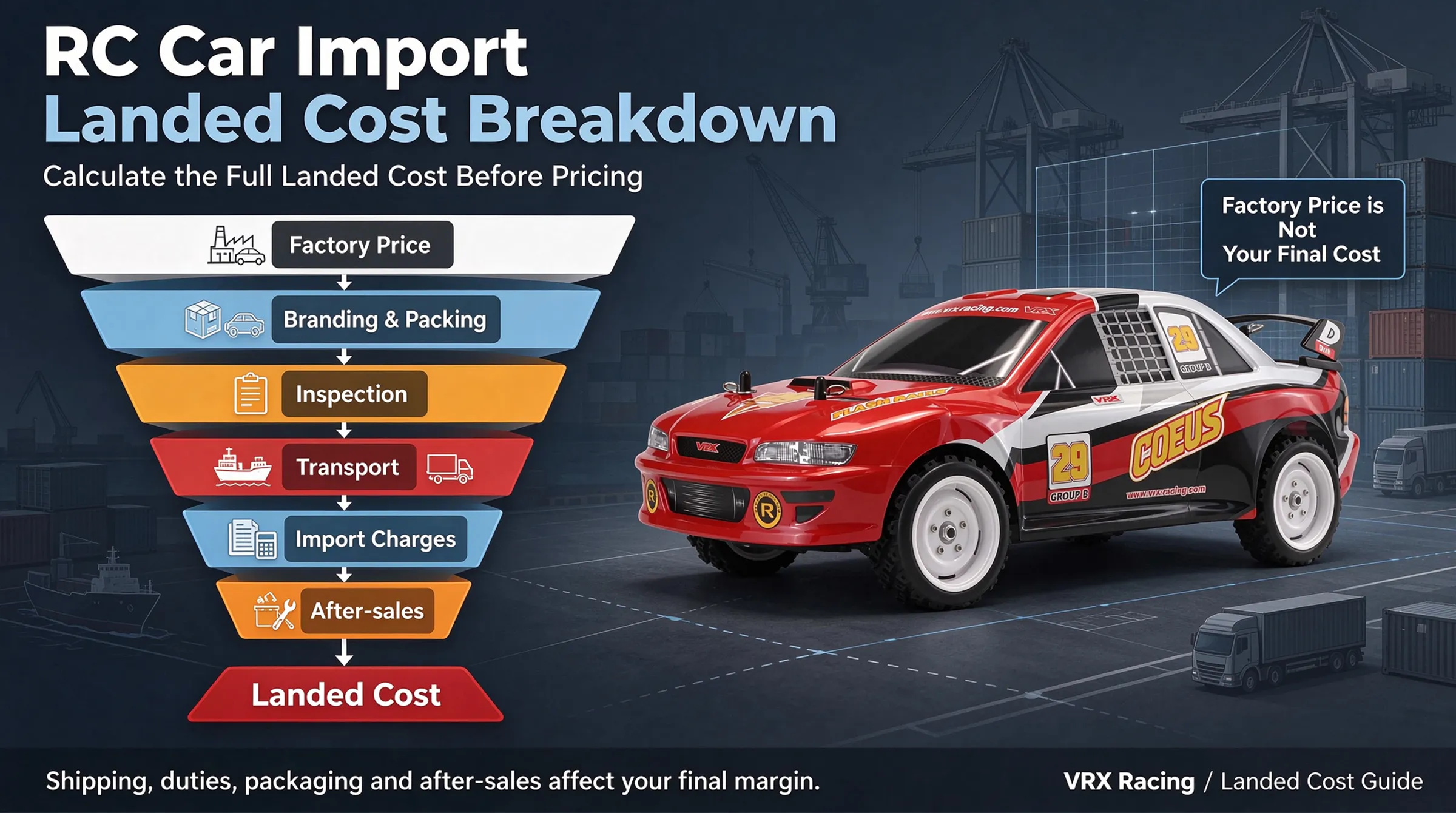
The factory price is only one part of the import cost. Packaging, battery handling, freight, customs duties, and defect rates can change the real cost significantly. Estimate the landed cost before negotiating the final order.
Cost item | What to confirm |
Product price | Model, configuration, quantity, accessories, and currency |
Branding and packing | Decals, manuals, cartons, protective packaging, and tooling |
Inspection | Pre-shipment checks and any third-party testing fees |
Transport | Pickup, freight, insurance, handling, and final delivery |
Import charges | Tariff classification, customs duty, import tax, and brokerage |
After-sales | Spare parts, warranty replacements, returns, and damage allowance |
Ask a freight forwarder or customs broker to estimate charges for your destination and shipment. Do not assume every RC car has the same tariff: classification can depend on product features and local rules. For EU-bound goods, the European Commission’s Access2Markets portal helps research tariffs, taxes, and product requirements by origin, destination, and product code.
Check compliance before production. Requirements depend on the destination, intended user, radio equipment, batteries, charger, and whether the product is classified as a toy. Ask for documents that apply to the exact model and components; a generic certificate may not cover the final configuration.
For the European Union, determine which rules apply to the vehicle, transmitter, charger, battery, and packaging. Depending on the product, obligations may involve CE marking, an EU Declaration of Conformity, technical documentation, radio-equipment and electromagnetic-compatibility requirements, RoHS, battery rules, and general product safety.
For the United States or other destinations, check local customs and product-safety rules; EU documents alone may not be sufficient. Selling under your own brand or modifying a product can change your responsibilities. Resolve labelling, warnings, manuals, importer details, and language requirements before bulk production, getting professional compliance advice where needed.
When samples and documents are acceptable, request a pro forma invoice listing all the necessary information: model numbers, quantities, unit prices, currency, production time, packaging, inspection terms, and payment milestones. For custom products, specify artwork approval, sample sign-off, tolerances, and ownership of tooling or design files.
Agree in writing on how shortages, quality failures, and delays will be handled—whether by replacement, credit, repair, or a stated damage allowance. Verbal assurances about colour, accessories, spare parts, or delivery dates are difficult to enforce; confirm them in the order documents. For a first order, an independent inspection before final payment is usually worth the cost.
Clarify the Incoterms® rule and the named place in the contract. The chosen rule allocates delivery tasks, costs, and risks; it does not replace the sales contract. Review the International Chamber of Commerce’s Incoterms® 2020 overview and confirm the chosen term with your forwarder.
Term | Point to clarify |
EXW | Who arranges pickup, export clearance, and loading? |
FOB | Which port is named, and which costs fall to each party? |
CIF | Which destination charges are excluded from the quote? |
DAP | Who handles import clearance and pays duties? |
DDP | Can the seller legally arrange clearance and duties in your market? |
Compare the full scope of service, not just the shipping quote. Confirm responsibilities in the contract and with your forwarder.
Sea freight is often economical for larger, less urgent orders; air freight may suit samples or urgent replenishment. Express couriers are convenient for small shipments but can be costly for bulky cartons. Compare transit time, destination charges, insurance, and brokerage as well as the headline freight rate.
RC cars may contain lithium batteries, pack batteries with equipment, or ship batteries separately. These arrangements can have different transport requirements. Confirm chemistry, watt-hour rating, test documentation, packaging, marks, labels, and carrier acceptance before booking.
Before pickup, ask the supplier for carton dimensions, gross weight, packing list, and shipping marks. Make sure vehicles, batteries, chargers, and spare parts are accurately described in the documents.
Depending on the destination and transport mode, imports commonly require a commercial invoice, packing list, transport document, customs declaration, and any product certificates or conformity documents. The invoice should accurately identify the goods, quantities, values, currency, seller, and buyer. Product descriptions and tariff codes must reflect the actual goods; do not accept an artificially low declared value to reduce tax.
Agree who will submit export and import declarations, pay duties and taxes, and supply missing paperwork if customs requests it. Track cargo progress and arrange delivery and warehouse space before the shipment arrives.
On arrival, compare carton condition and quantities against the purchase order, packing list, and approved sample. Photograph visible damage, record shortages, and test a representative selection of units. Keep batch or serial identifiers where available, and report discrepancies quickly with supporting evidence.
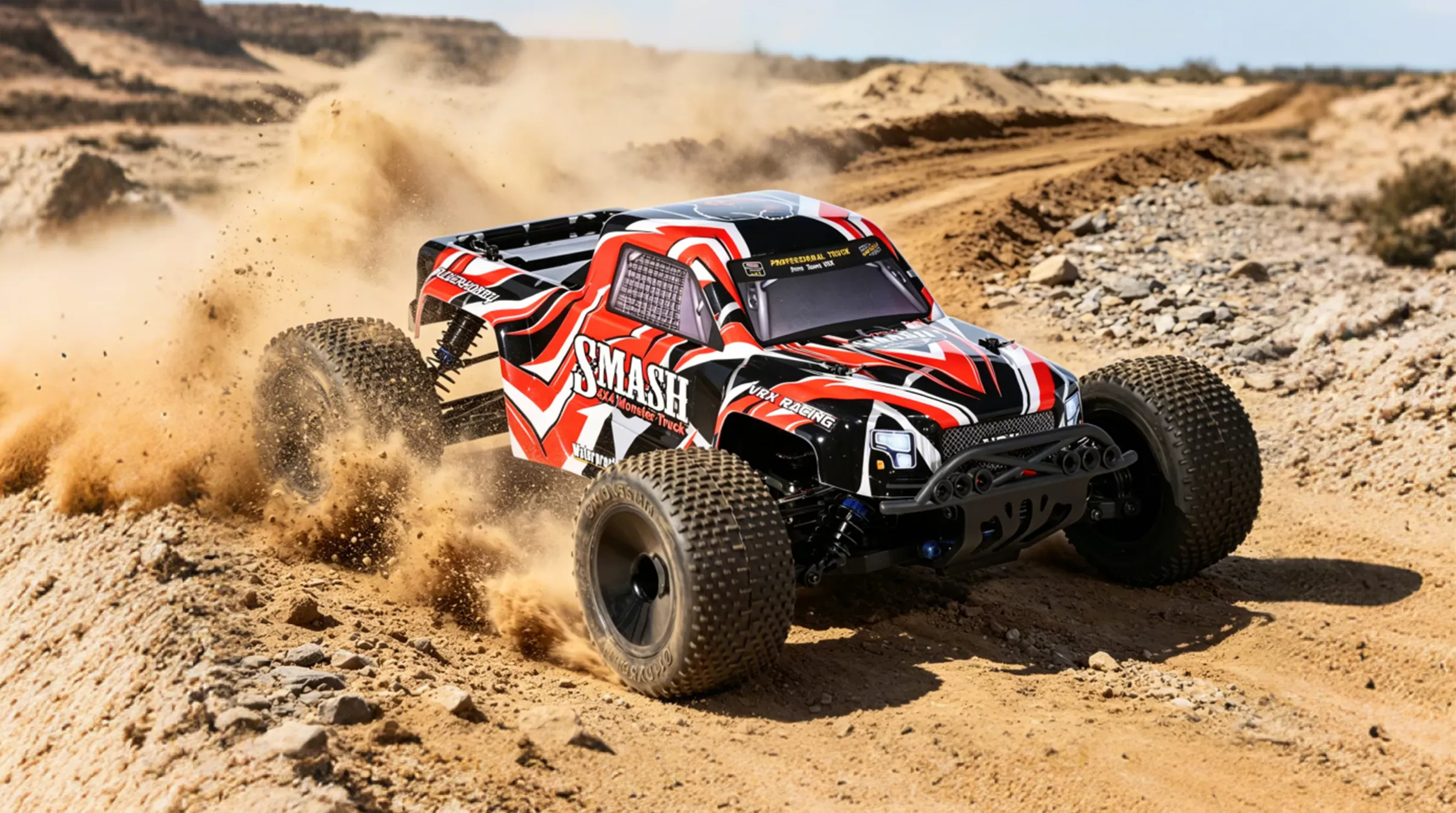
Track sell-through, defect rates, spare-part demand, customer feedback, and replenishment time. This data helps set reorder quantities and identify recurring production or packaging issues. A model such as an electric RC truggy may need a different spare-parts mix and shelf-space plan from a smaller entry-level vehicle.
Before reordering, update your forecast, confirm the approved specification, reserve production capacity, and recheck regulations and freight costs. Retailers evaluating a long-term supplier can explore the range and company information at VRX racing. Consistent records and clear communication make repeat imports more predictable than negotiating each shipment from scratch.