For many RC enthusiasts, an RTR model looks like the easiest way to enter the hobby: charge the battery, turn on the transmitter, and start driving. But “Ready-to-Run” does not mean every model offers the same level of convenience, performance, durability, or upgrade potential.
A good RTR RC car should be more than a complete package. Its motor, electronic speed controller, drivetrain, suspension, radio system, chassis, and replacement parts should work together as a reliable platform. For buyers comparing a brushless electric RC car, a nitro model, or different scales, looking beyond the body style and advertised speed can lead to a much better purchase.
RTR generally means that the vehicle comes assembled with the major components required for operation. Depending on the model, the package can include the motor or engine, ESC, steering servo, radio system, and other installed electronics.
The advantage is obvious: users do not need to build the vehicle from individual components before their first run.
However, RTR specifications still vary considerably. Some models are designed as affordable entry-level platforms, while others are built around high-performance components intended for experienced hobbyists.
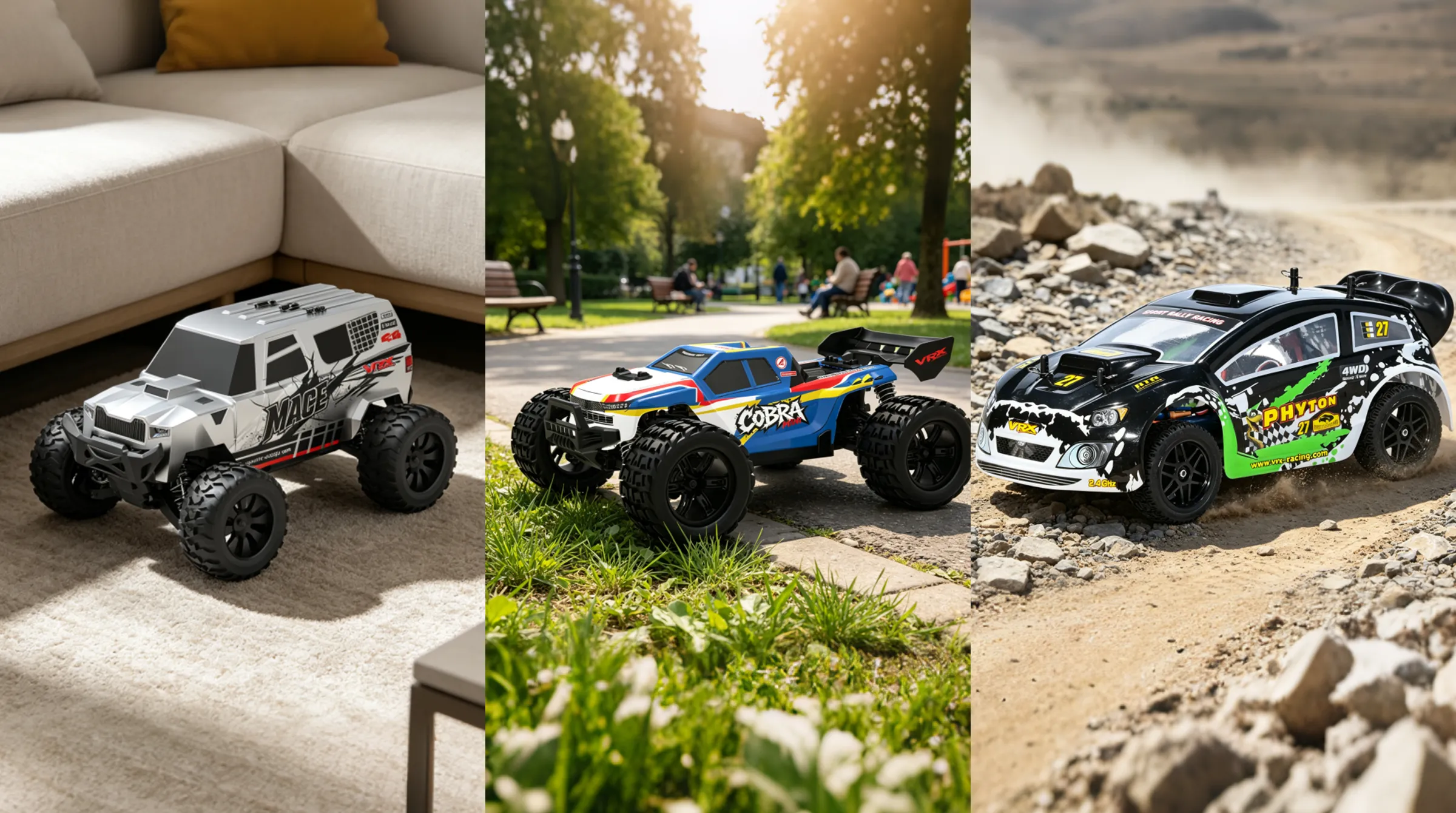
VRX Racing, for example, offers RTR electric buggies, trucks, truggies, short course trucks, and nitro vehicles across several scales. Its 1/8 electric range includes brushless buggies, truggies, and short course trucks with 4WD drivetrains and high-capacity ESCs.
This means buyers should evaluate the quality of the RTR package, rather than treating “RTR” as a performance specification.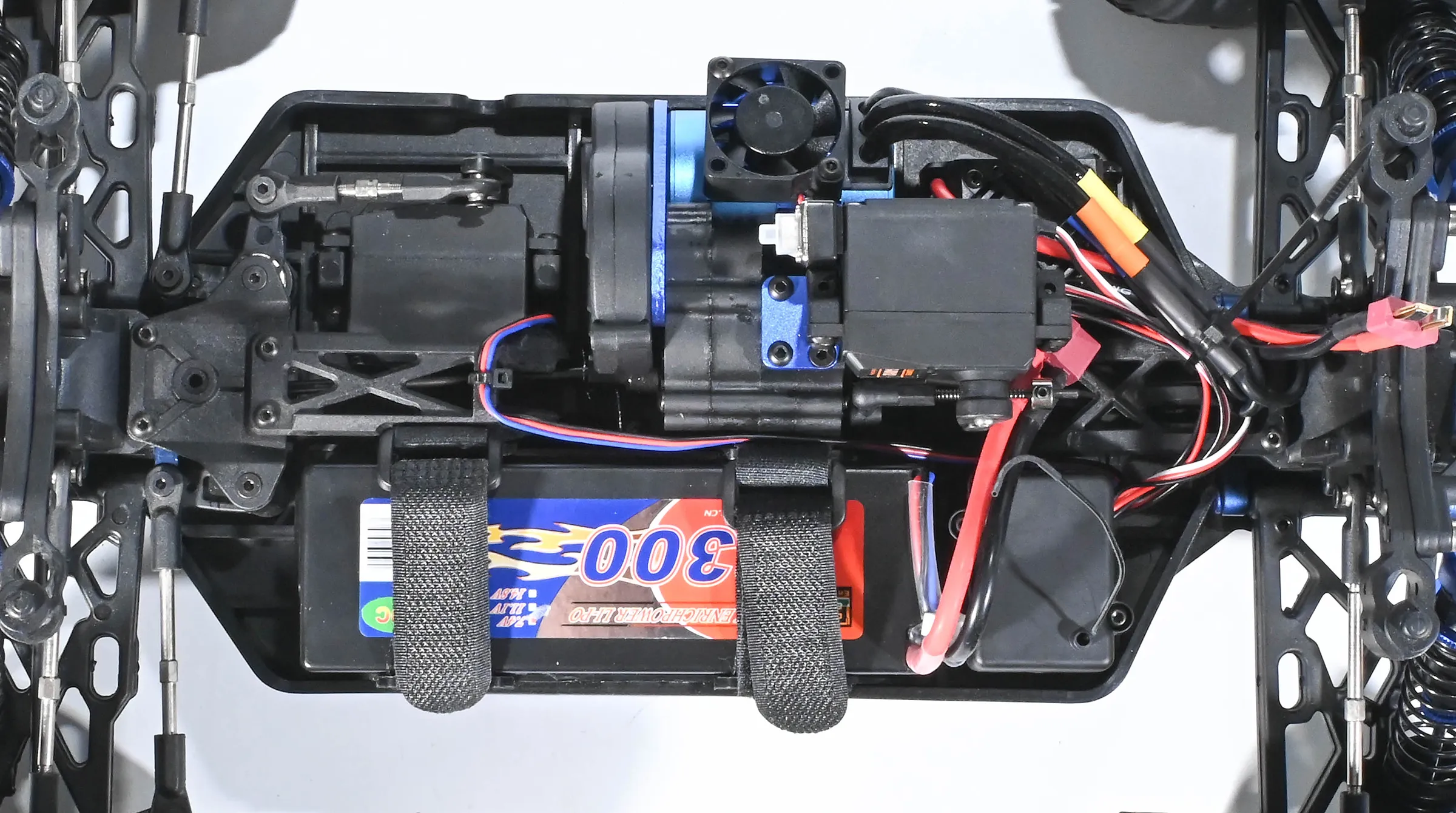
The electronic system is one of the first areas worth checking.
A typical electric RTR platform combines a battery, motor, ESC, receiver, and steering servo. The ESC is particularly important because it controls how electrical power reaches the motor and manages functions such as acceleration and braking.
For example, VRX Racing offers a 60A speed controller designed for 1/10 electric RC cars. Its 60A brushless ESC supports 2S–3S LiPo batteries, includes a waterproof design, and is intended for applications including buggies and monster trucks.
The important point is not simply the number “60A.” Current rating needs to make sense for the motor, battery voltage, gearing, vehicle weight, and intended application.
For an RTR buyer, a properly matched electronics package can make the vehicle easier to operate while also leaving room for future upgrades.
A brushless electric RC car is often attractive to enthusiasts who expect to keep the vehicle for longer and gradually improve its performance.
Brushless motors eliminate physical brushes, reducing mechanical wear and improving efficiency. VRX Racing's brushless models use motors across the 3650 and 3660 families, with KV ratings generally ranging from approximately 2000KV to 4000KV depending on the application.
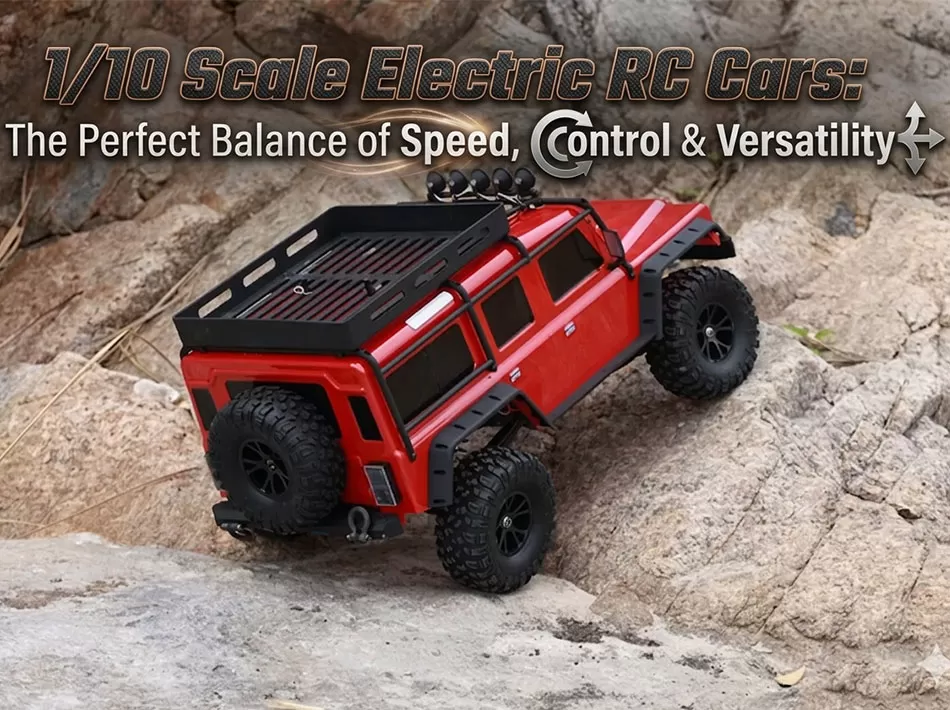
For example, its 1/10 brushless lineup uses 3650 3300KV or 3650 4200KV motors with 45A ESCs, with some models capable of speeds up to around 60 km/h.
This makes 1/10 scale brushless RC trucks particularly interesting for users who want an RTR vehicle that can serve as both a recreational model and an upgrade platform.
The same principle applies to larger vehicles. A 1/8 RC brushless model typically provides a stronger drivetrain and larger electronic components to cope with greater vehicle mass and higher loads.
A 1/8 RC electric buggy occupies a different position from a compact beginner model.
Larger dimensions allow manufacturers to install more substantial suspension components, larger tires, stronger drivetrain parts, and higher-output power systems. VRX Racing's 1/8 electric platforms use 3660 2000KV or 3674 2440KV brushless motors with 60A–120A ESC configurations and support 2S–4S LiPo batteries.
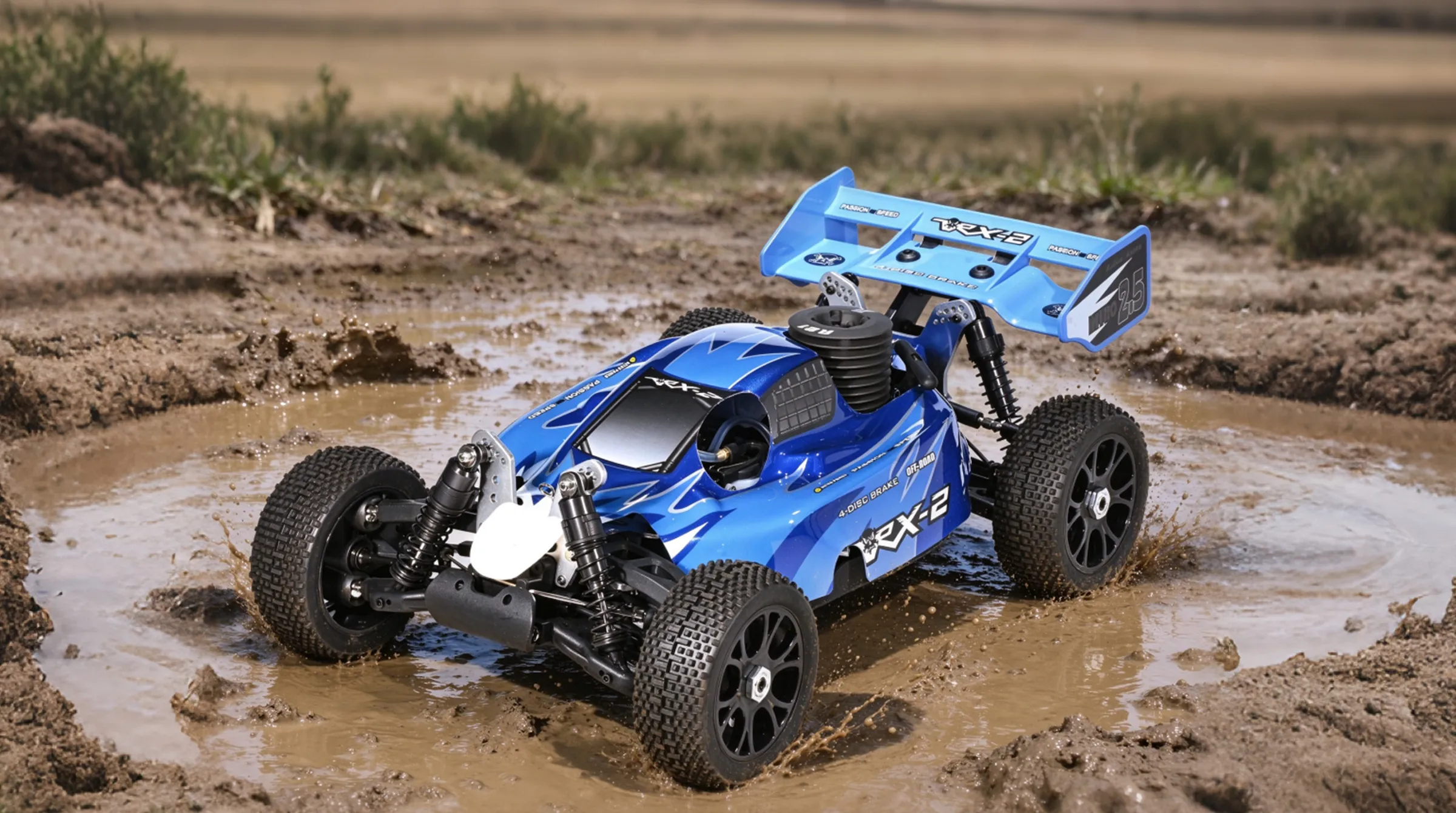
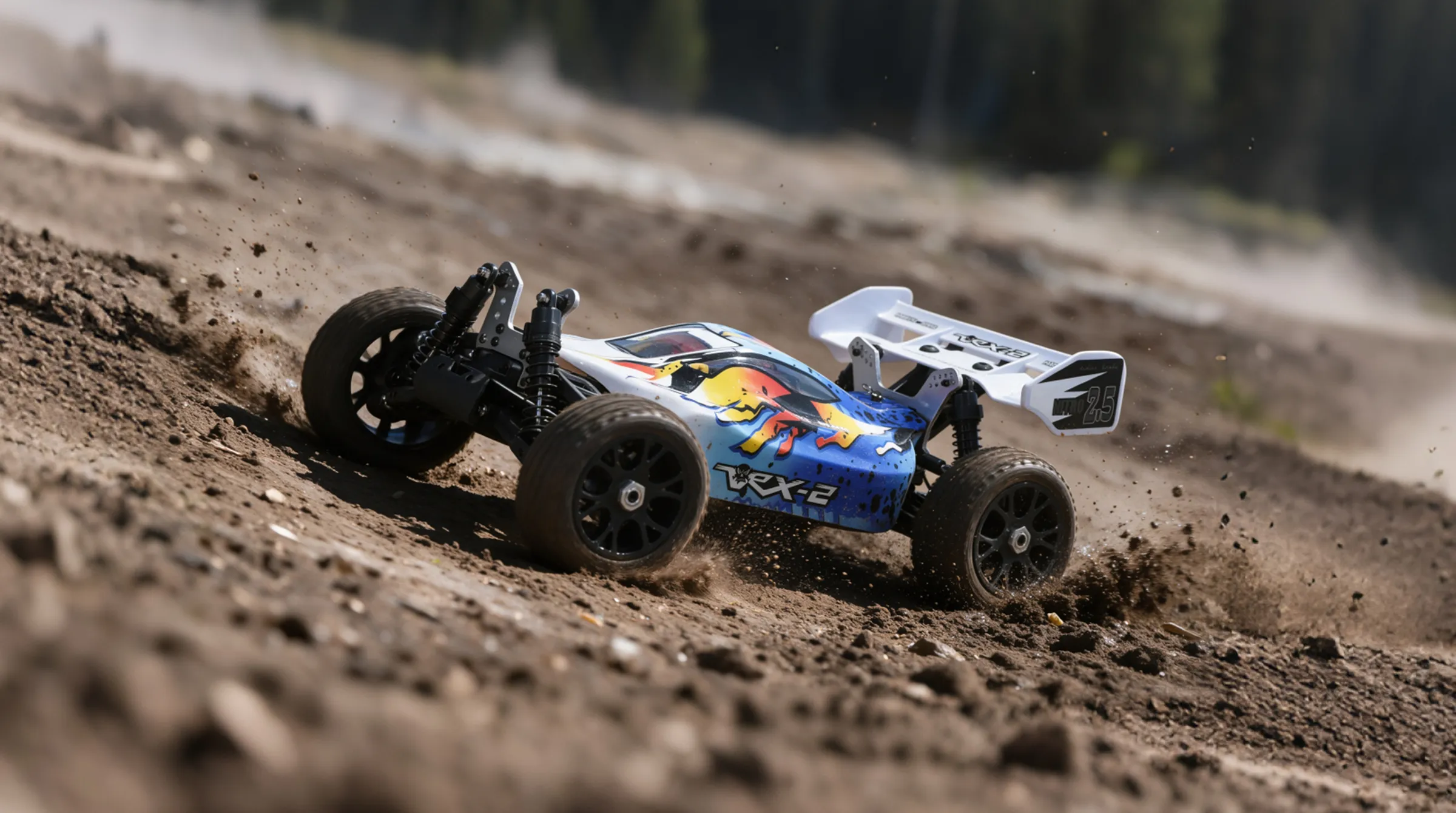
The BLAST BX and VRX-2E are examples of 1/8th scale electric buggy platforms designed for off-road driving. Their independent suspension, oil-filled shocks, 4WD drivetrains, and high ground clearance provide a foundation for demanding use.
For experienced users, the value of this kind of RTR model is not simply its initial speed. It is the combination of a ready-to-use configuration and a chassis capable of handling future tuning.
Another category worth considering is the RTR RC truggy.
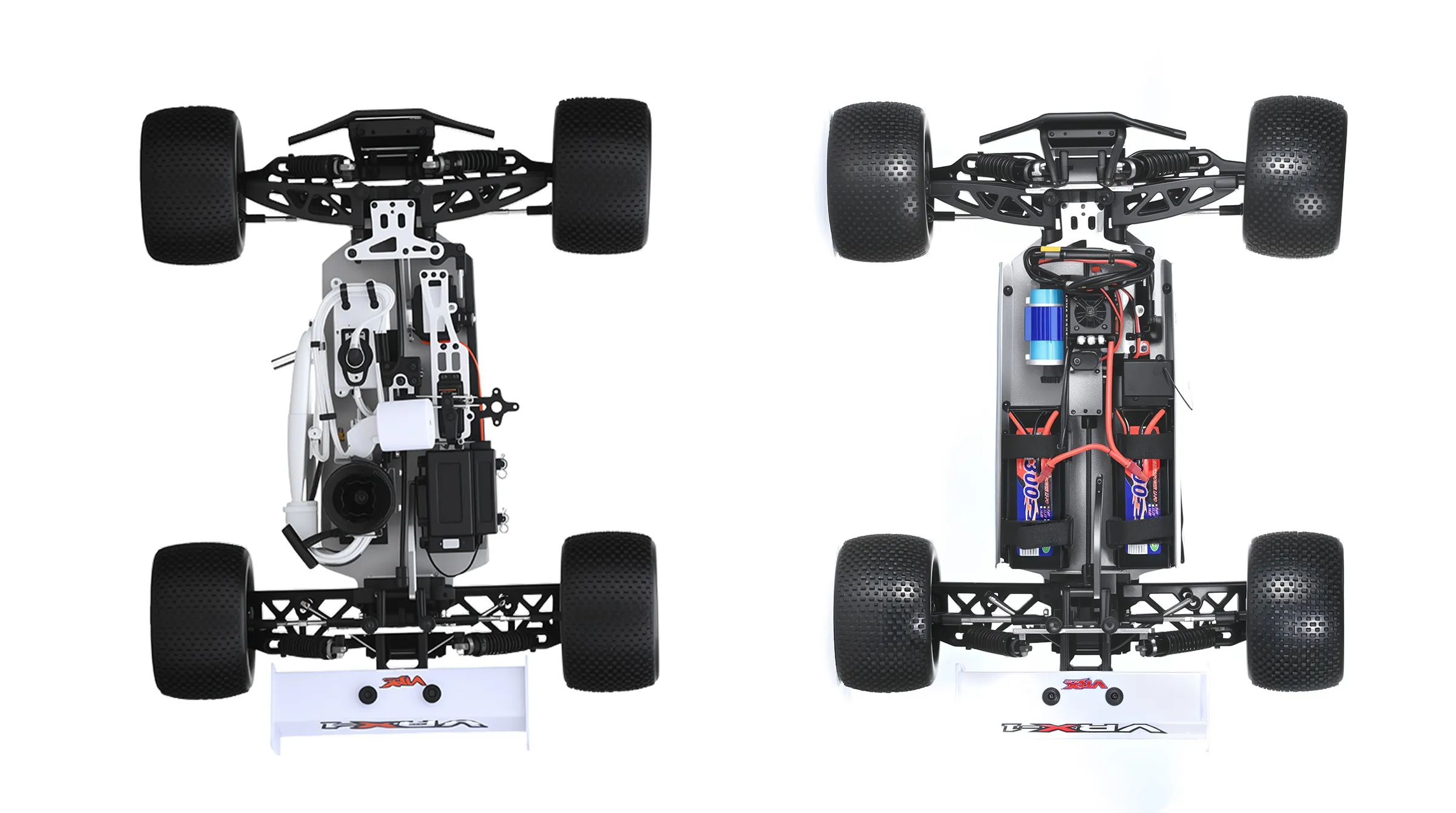
Truggies combine a buggy-style chassis concept with larger wheels and a wider stance. In an RTR configuration, this gives buyers a complete vehicle without requiring them to assemble the drivetrain or suspension themselves.
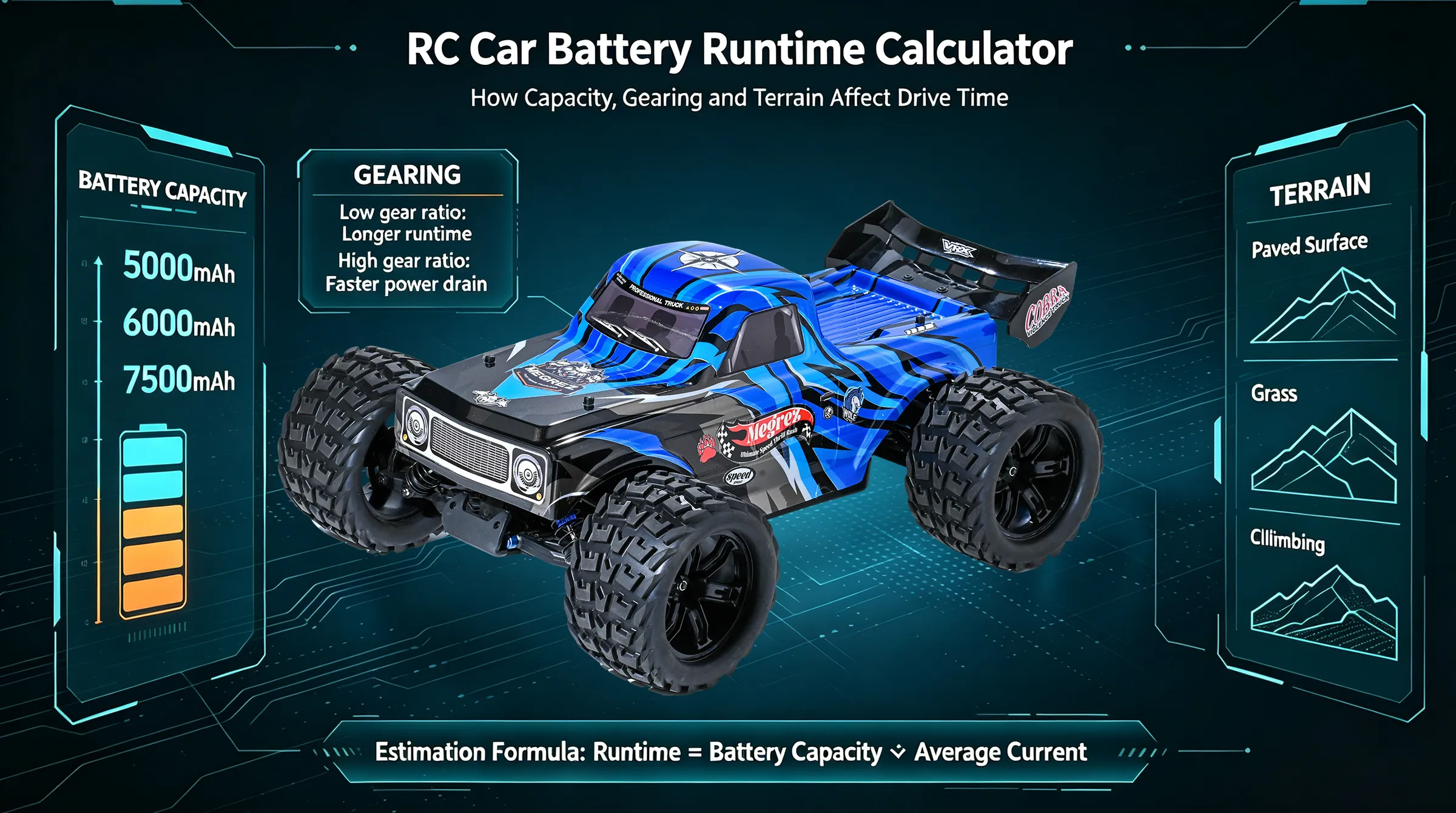
VRX Racing's electric range includes the 1/8 COBRA and VRX-1E, as well as the 1/10 MEGREZ. Both brushed and brushless configurations are available in selected platforms.
For users specifically searching for RC truggies, the RTR format can be especially practical because the vehicle arrives with its major systems already integrated.
A rc truggy brushless configuration can also provide a clear upgrade path for drivers who eventually want stronger acceleration or higher performance.
The decision becomes more interesting when comparing electric and nitro RTR models.
Electric vehicles are generally simpler to operate. There is no fuel mixture to prepare, glow plug to manage, or engine tuning process before driving. Brushless systems also provide strong acceleration with relatively low routine mechanical maintenance.
Nitro vehicles, on the other hand, appeal to drivers who enjoy engine sound, mechanical involvement, and a more traditional racing experience. VRX Racing offers both 1/8 and 1/10 nitro models, including buggies, truggies, trucks, short course trucks, and touring cars.
For adults looking for nitro RC cars for adults, the attraction is often less about convenience and more about the experience of operating and tuning a miniature internal-combustion powertrain.
A starter RC nitro model therefore requires a different mindset from an electric RTR. Users should be prepared to learn fuel handling, engine tuning, glow plug maintenance, air-filter care, and clutch adjustment.
One of the biggest differences between a disposable toy-like RC car and a hobby-grade RTR platform is what happens after the first few months.
Before purchasing, check whether replacement gears, suspension components, driveshafts, body parts, tires, and electronic components are available.
This is particularly important for RC RTR brushless models because higher power can place greater loads on gears and driveshafts. VRX Racing equips its brushless platforms with heavy-duty steel gears, hardened driveshafts, and robust differentials to support the additional torque produced by brushless power systems.
A strong spare-parts ecosystem can therefore be just as valuable as a high-performance motor.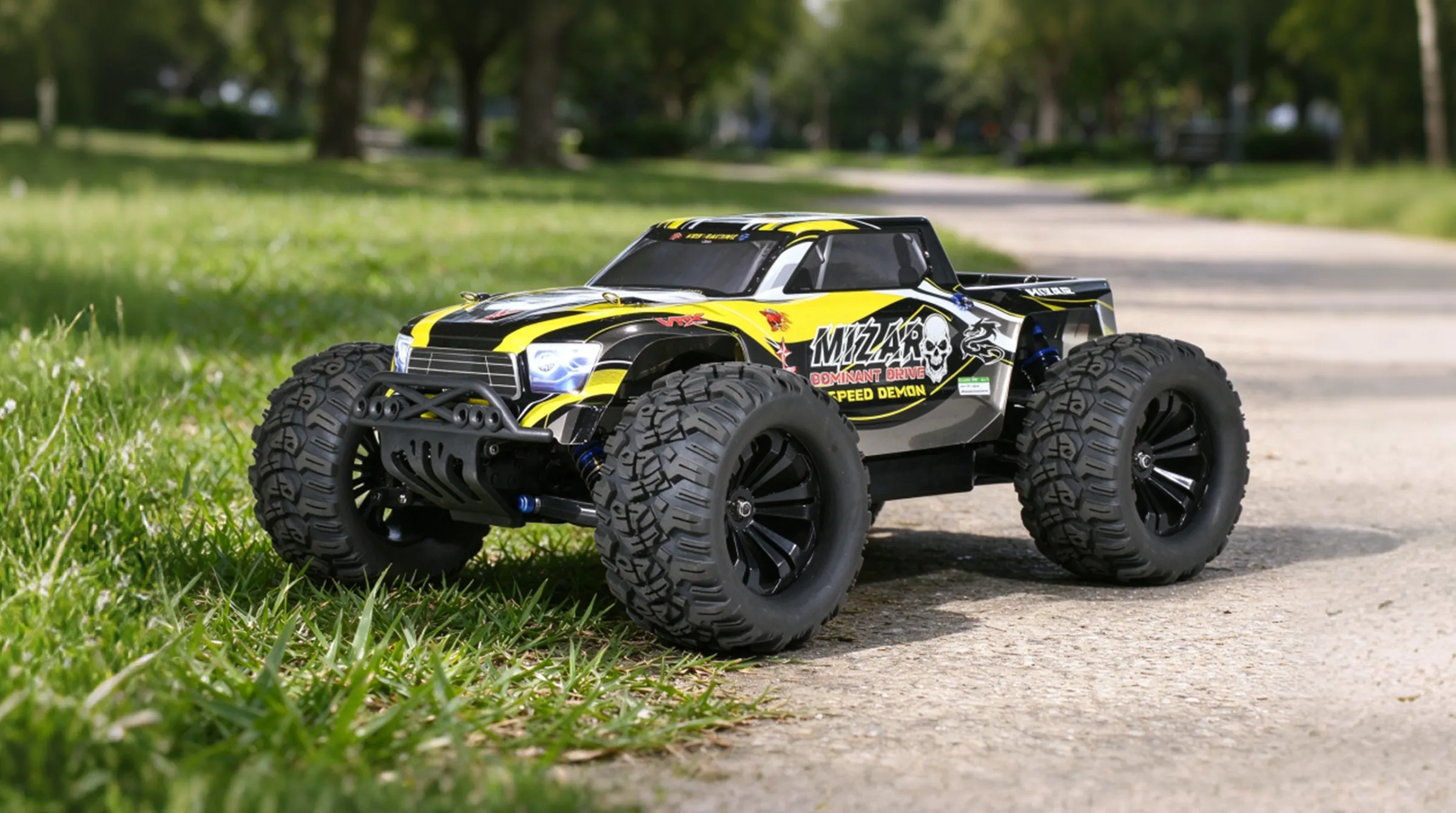
RTR Type | What to Check First | Best Buying Consideration |
1/10 brushless truck | Motor, ESC, drivetrain | Balanced performance and upgrade potential |
1/10 brushless buggy | Motor, suspension, tires | Lightweight handling and responsiveness |
1/8 electric buggy | ESC capacity, drivetrain, shocks | High-speed durability |
RTR truggy | 4WD system, tires, suspension | Stability and versatility |
Short course truck | Body protection, suspension, drivetrain | Recreational off-road driving |
Nitro RTR | Engine, clutch, fuel system | Mechanical involvement and tuning |
Beginner RTR | Electronics and controls | Ease of operation |
When comparing different types of RC cars, it is easy to focus on speed numbers. A more useful approach is to ask what you expect from the vehicle after the first few runs.
A beginner may value simple controls and predictable performance. A hobbyist may prioritize a brushless system and replacement parts. A competitive driver may need a stronger 1/8 platform with a robust drivetrain and adjustable suspension. A nitro enthusiast may care more about engine characteristics and tuning potential.
The RTR format can satisfy all of these users, provided the underlying platform is designed properly.
The best RTR RC car is not necessarily the one with the highest advertised speed. It is the one that provides the right combination of complete setup, reliable electronics, durable mechanical components, serviceability, and upgrade potential.
A 1/10 brushless model can be an excellent entry into hobby-grade performance, while a 1/8 electric buggy or RTR truggy can provide a more substantial platform for experienced drivers. Nitro models offer another route for adults who enjoy hands-on engine operation and tuning.
With its range of electric and nitro RTR platforms, including brushless buggies, trucks, truggies, and short course models, VRX Racing gives buyers multiple ways to choose a vehicle based not only on how it performs today, but also on how much room it offers for tomorrow's driving experience.