RC racing is more than driving a small vehicle around a track. Over several decades, it has developed into a miniature form of motorsport, with its own racing classes, track layouts, vehicle categories, tuning methods, and driving techniques.
The interesting part is that many modern RC cars were shaped by the demands of competition. The need to corner faster, land jumps more consistently, survive contact, or maintain traction on changing surfaces encouraged manufacturers to develop increasingly specialized platforms.
This evolution explains why today's market includes everything from a 1/8 scale nitro buggy to a 1/8 scale RC electric buggy, an electric truggy, and dedicated short course racing platforms. Each represents a different answer to the question of what an RC race car needs to do.
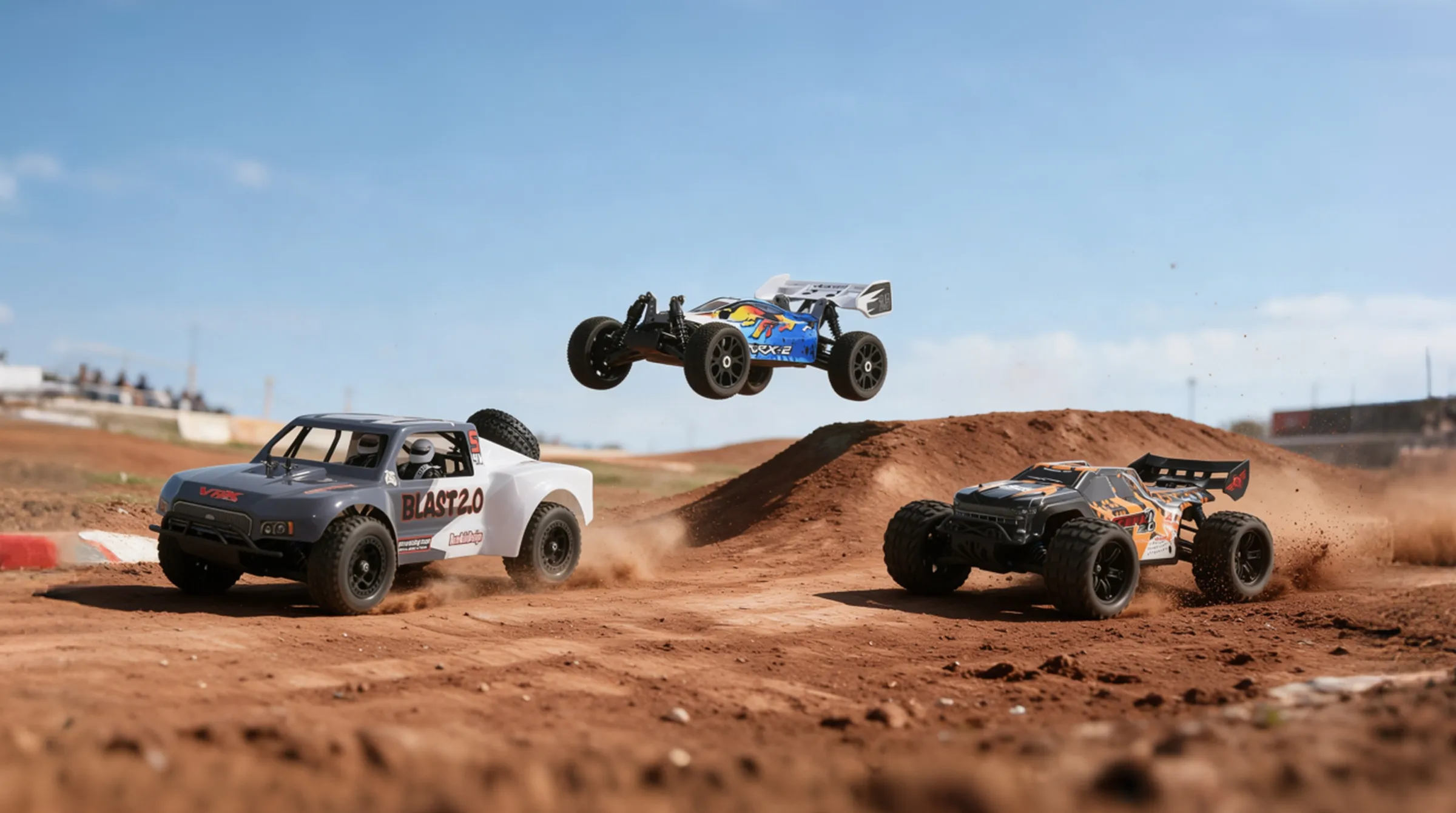
Early radio-controlled cars were primarily technological curiosities and hobby models. As manufacturers began producing purpose-built kits, however, enthusiasts started organizing informal competitions.
Racing changed the development direction of RC vehicles. Once drivers competed against one another, speed alone was no longer enough. A successful vehicle needed predictable steering, consistent suspension movement, reliable drivetrain components, and a chassis capable of surviving repeated impacts.
Off-road racing was particularly influential. Dirt tracks introduced jumps, loose surfaces, ruts, and uneven corners that demanded much more from an RC car than a smooth road surface.
The result was a gradual separation between general-purpose RC cars and vehicles designed specifically around racing conditions.
Few RC platforms demonstrate this development more clearly than the 1/8 scale nitro buggy.
A 1/8 buggy has enough physical space for a substantial nitro engine, large suspension components, four-wheel-drive hardware, and a strong chassis. This makes the platform well suited to demanding off-road tracks where jumps and rough terrain are part of the competition.
Modern VRX Racing 1/8 nitro models use SH 21 or SH 28 engines, 6061/T6 anodized aluminum chassis, four-wheel drive, and approximately 35–42 mm of ground clearance. These characteristics reflect decades of development around off-road performance rather than simply making a larger version of a smaller RC car.
In 1/8 scale nitro buggy racing, drivers must manage acceleration, braking, steering, throttle control, and vehicle balance simultaneously. The engine provides strong power, but chassis setup determines how effectively that power can be converted into traction.
This is one reason the 1/8 buggy remains an important reference point in serious RC off-road design.
As off-road RC competition developed, another concept emerged between the buggy and monster truck.
The truggy combined the agile chassis philosophy of a buggy with wider geometry and larger tires. Instead of focusing entirely on minimum weight and sharp handling, the platform added stability and durability for rougher surfaces and bigger jumps.
The modern nitro RC truggy 1/8 concept can be seen in the broader development of large off-road truggies. VRX Racing's current nitro range includes the COBRA 1/9 nitro truggy, while its electric lineup includes 1/8 COBRA and VRX-1E truggies.
The truggy is therefore not simply another body style. It represents a different interpretation of off-road racing: combine stability, suspension travel, large tires, and high-speed control into a single platform.
The development of electric power created another major branch of RC racing.
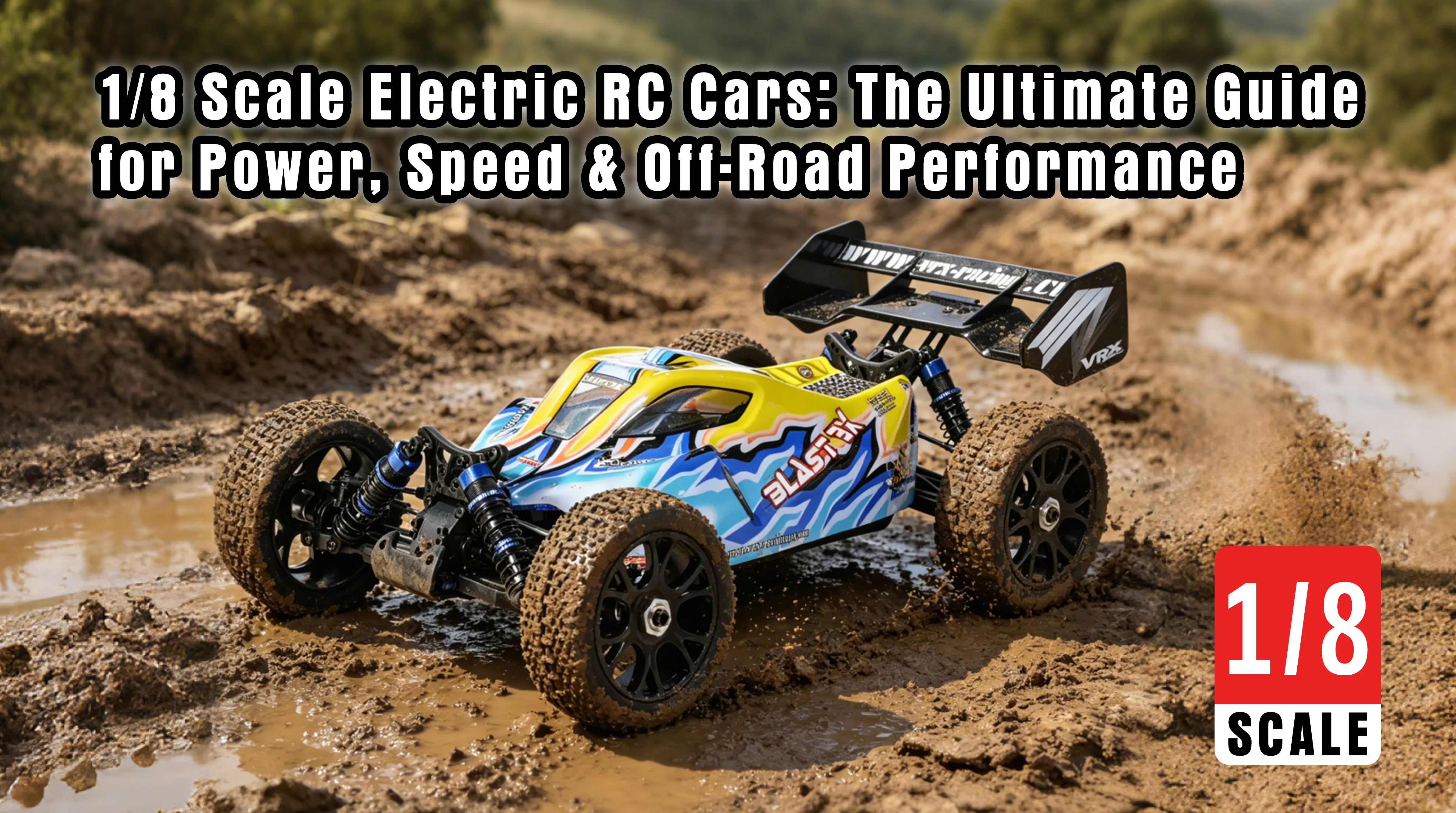
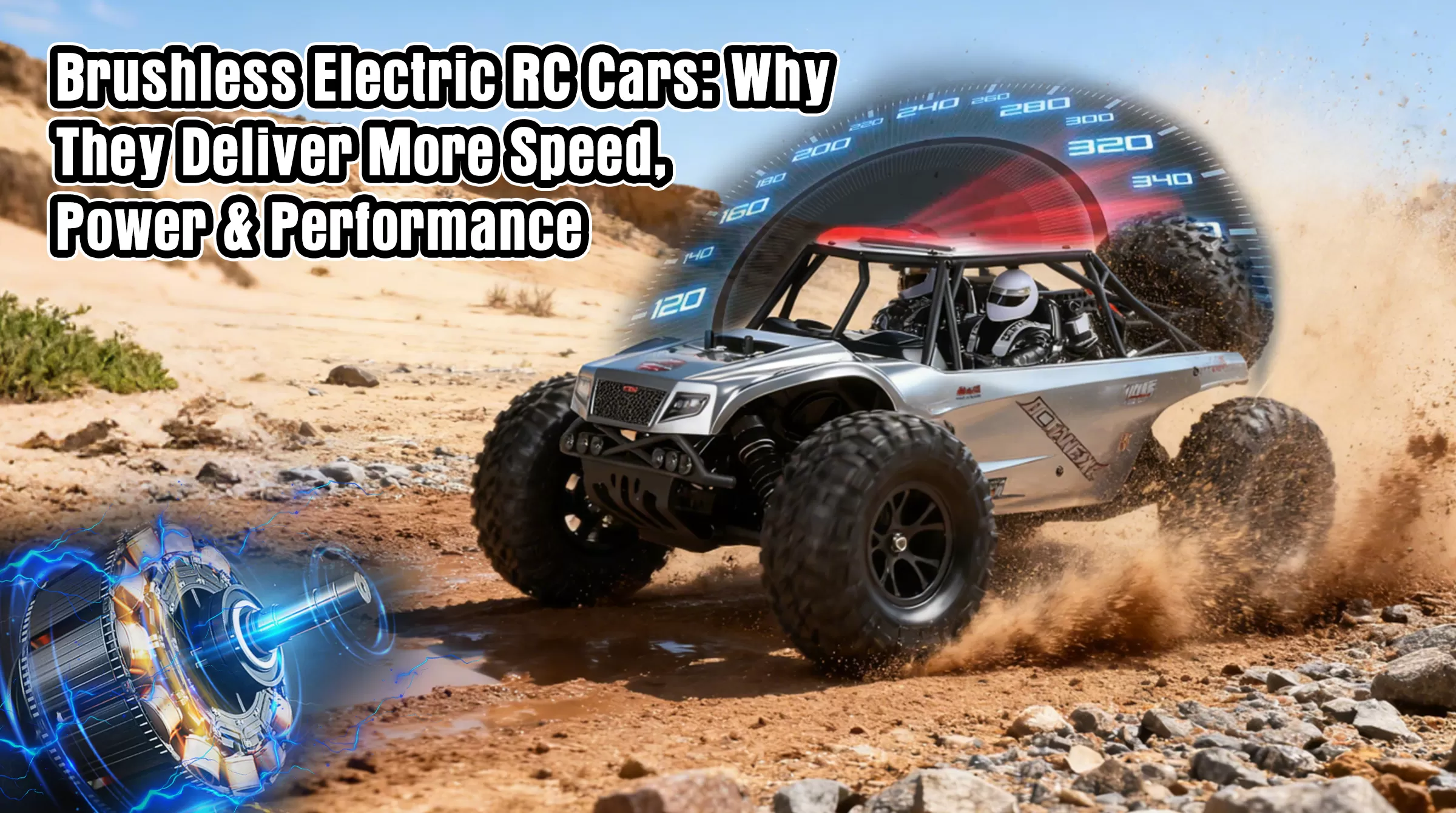
A modern 1/8 scale RC electric buggy can deliver high performance without the fuel and engine-management requirements of a nitro platform. VRX Racing's 1/8 electric range includes BLAST BX and VRX-2E buggies, with brushless motor systems, 4WD drivetrains, high-capacity ESCs, LiPo compatibility, and adjustable oil-filled shocks.
Electric power also made competitive-style RC driving accessible across a wider range of vehicle sizes.
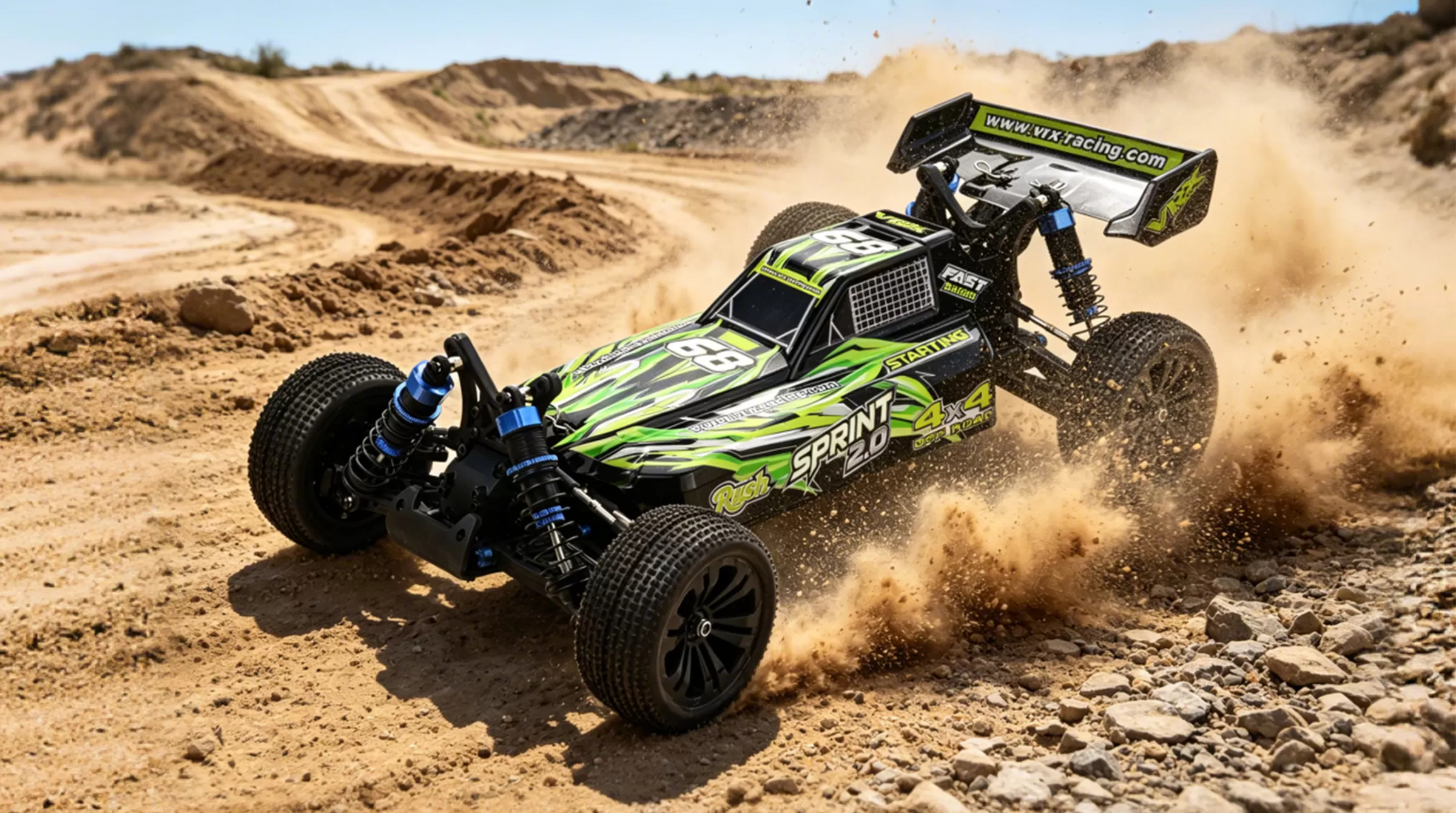
At the smaller end, a RC racing buggy electric platform can use a lighter chassis and more compact electronics. VRX Racing's 1/10 electric buggy range includes 2WD and 4WD models, including the BULLET, SPRINT, AGAMA, and OCTANE families.
This variety means electric racing is not defined by one vehicle format. Drivers can choose a platform according to track surface, scale, drivetrain, and desired driving style.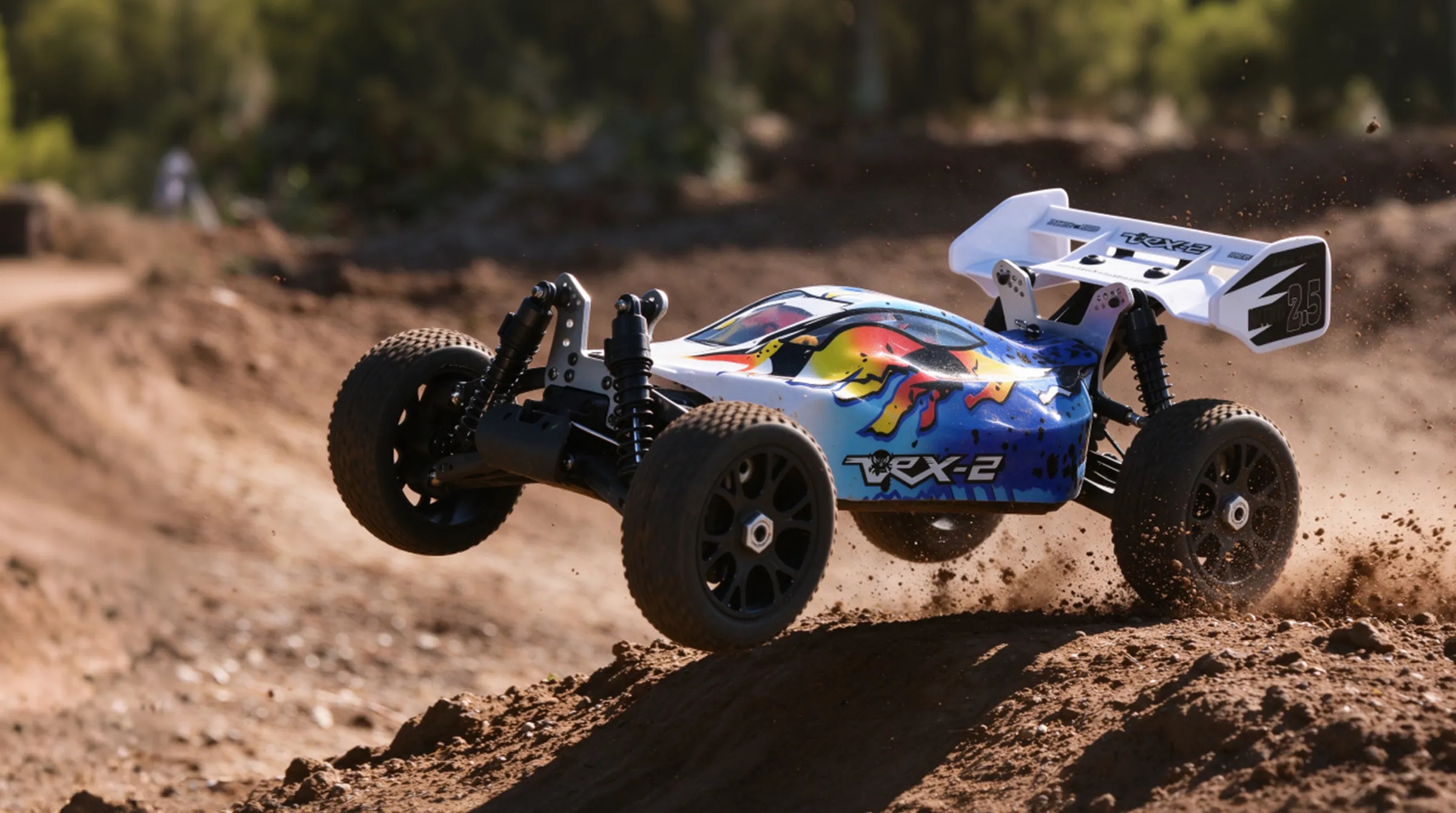
The 1/10 scale nitro buggy became another important format because it offered many characteristics of larger off-road cars in a more compact package.
VRX Racing's SPIRIT N1 and N2 models use four-wheel drive and SH/Force-series .18-class engine technology, with adjustable suspension and metal drivetrain components designed for rough terrain.
A 1/10 RC nitro car can therefore provide the mechanical character of internal-combustion RC driving without requiring the physical size of a 1/8 platform.
The same scale also became extremely important for electric racing. Modern 1/10 brushless vehicles can use 3650 motors in different KV configurations, with 4WD drivetrains and independent suspension. VRX Racing's current 1/10 lineup includes buggies, trucks, truggies, rally cars, and short course trucks.
Another major development was the rise of short course racing.
Unlike traditional buggy racing, RC SCT racing places greater emphasis on close vehicle-to-vehicle competition. Full-fender bodies, enclosed wheels, wide chassis layouts, and substantial suspension components help these trucks handle contact and rough landings.
VRX Racing's short course range includes the 1/10 BLAST 2.0 in both brushed and brushless versions, as well as larger 1/8 platforms. The vehicles use 4WD configurations and independent suspension designed for surfaces such as packed dirt, clay, gravel, and asphalt.
This shows how racing rules and driving environments can influence vehicle design. A short course truck does not need to behave exactly like a buggy because its competitive environment is different.
The electric truggy represents another outcome of racing-driven development.
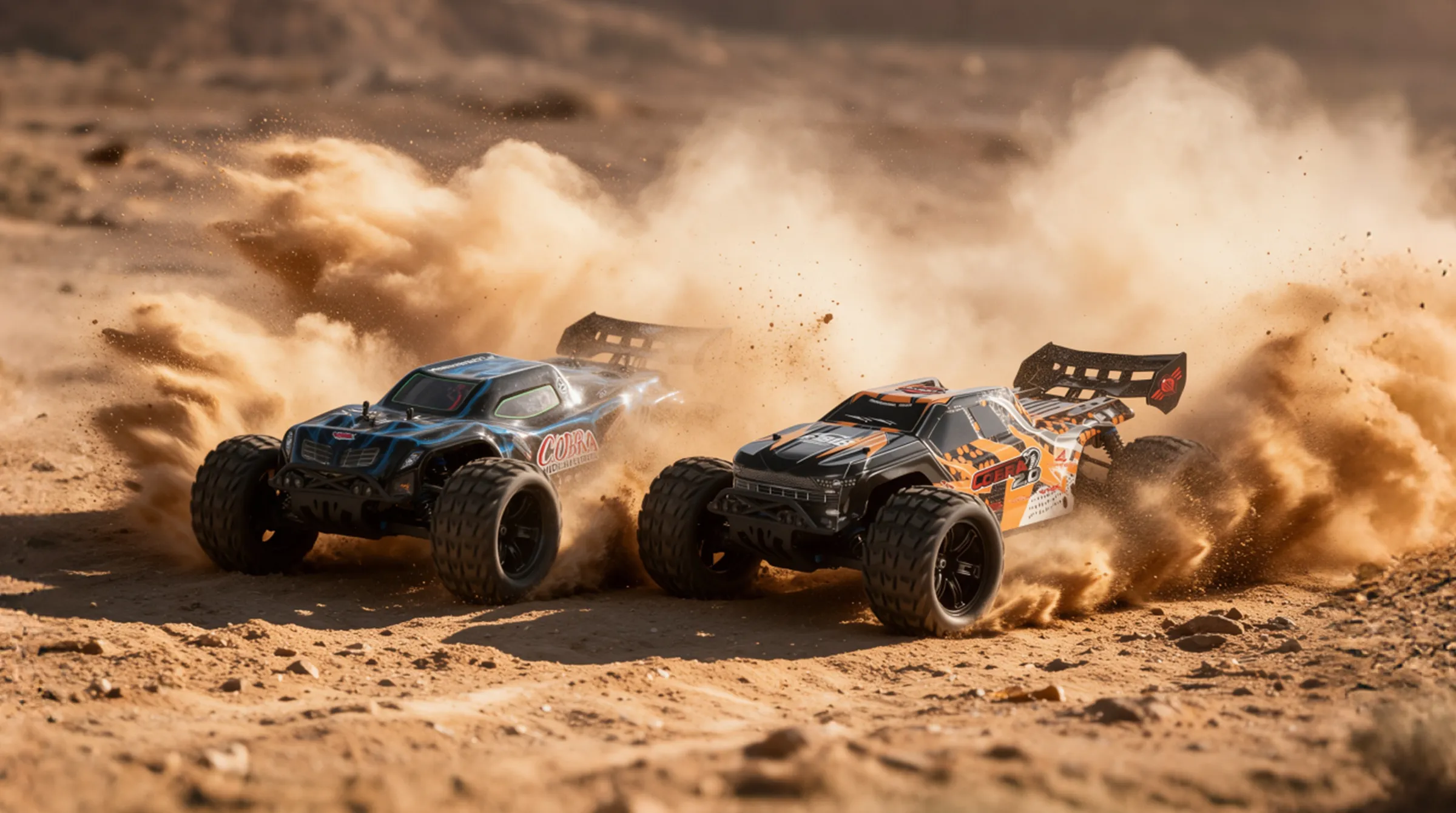
An electric RC truggy can combine the acceleration and low-maintenance characteristics of an electric power system with the wider stance, longer wheelbase, and larger tires associated with the truggy format.
VRX Racing's electric truggy range includes 1/8 COBRA and VRX-1E models as well as the 1/10 MEGREZ. The 1/8 COBRA platform uses a 4WD chassis, large oil-filled shocks, a 3660 2000KV brushless motor, a 60A ESC, and a 3S LiPo battery.
The combination gives the truggy a distinctive role between lightweight racing buggies and larger, more impact-oriented truck platforms.
The most important result of RC racing may be specialization.
Competition encouraged manufacturers to ask different questions: How can a buggy land a jump more consistently? How can a truggy remain stable on rough terrain? How can a short course truck survive close racing? How can a 1/10 platform deliver strong performance without becoming difficult to transport?
The answers produced different categories rather than one universal RC vehicle.
Today, a 1/8 nitro buggy, electric buggy, electric truggy, 1/10 RC nitro car, and short course truck may share fundamental technologies such as radio control, four-wheel drive, differentials, suspension, and proportional steering. Yet their chassis geometry and intended use can be completely different.
Modern RC racing is therefore best understood as a collection of specialized disciplines rather than a single type of competition.
Large 1/8 nitro platforms continue to represent the mechanical side of high-performance off-road driving. Electric buggies bring fast response and flexible operation. Truggies add stability and durability, while 1/10 platforms offer a compact format for multiple racing styles. Short course trucks introduce a more contact-oriented approach to racing.
VRX Racing's current product range reflects this diversity, spanning 1/8 electric buggies and truggies, 1/10 brushless trucks and buggies, nitro buggies, nitro short course trucks, and other off-road platforms.
The evolution of RC racing has therefore not simply produced faster cars. It has created an ecosystem in which each platform is designed around a particular combination of terrain, competition format, vehicle dynamics, and driver expectations.
That is what makes RC racing resemble miniature motorsport: the vehicle is not just a machine for moving forward. It is a carefully developed tool for a specific form of competition.